
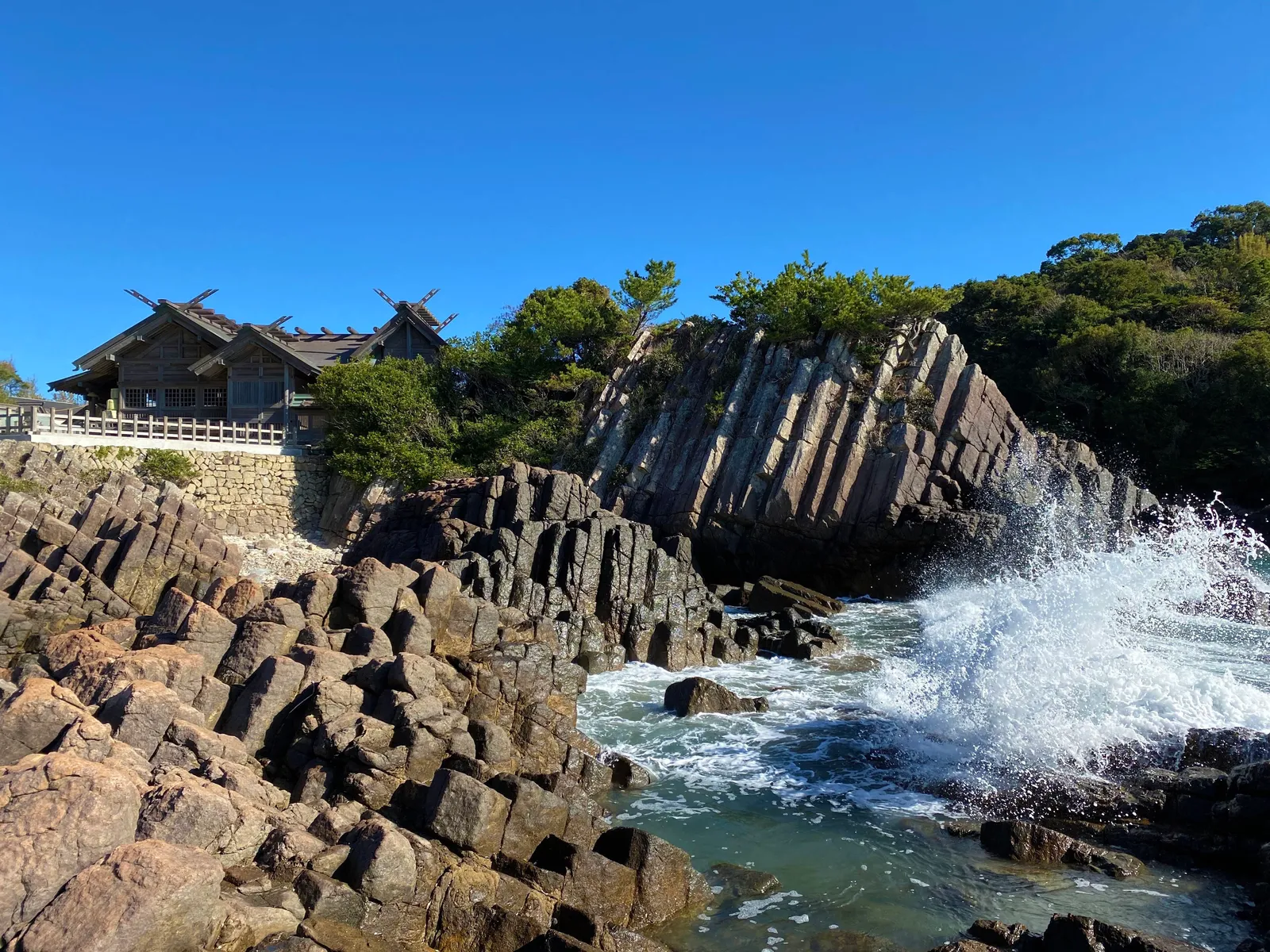
Omi Shrine and the Udo cavePhoto: daisymind / CC BY 4.0
Omi Shrine stands at the foot of Cape Hyuga beside Isegahama beach and is known locally as “Hyuga’s Ise”.
Checked · Researched, not yet visited · times from official timetables and our estimates · Takumi Yamada
A shrine on columnar rock beside Isegahama beach, known locally as Hyuga’s Ise. The grounds hold a sazare-ishi boulder, the rock named in the national anthem. Udo Shrine is in the sea cave next door: from the small shrine inside, the cave mouth has the outline of a rising dragon. Free, open all day, free parking.
- Number 3 of ten on our list for Hososhima.
- Short enough to be certain of: 1 hr 40 min door to door, so even a tender day works.
- 1 hr 40 min door to door needs a 4-hour call: a 2–3 hour stop cannot hold it. Pick something closer instead.
- No single published ride covers this one. Budget for a taxi both ways, or fold it into a guided day.
Omi Shrine and the Udo cave and your ship
Both pins on one map, so the distance is a fact rather than a feeling.
Routes that already include it
Finished days timed from official timetables and our estimates, with this stop in them.
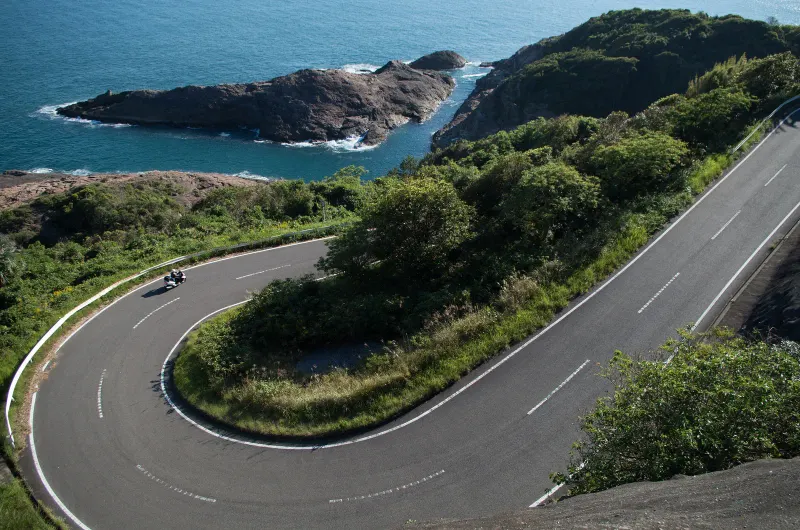 Cape Hyuga: Umagase, the Sea of the Cross and Omi ShrineNeeds a 5-hour call · ~3h door to doorAny call. Everything is outdoors and open at any hourThe cape, a seafood bowl at the harbour and Mimitsu old townNeeds an 8-hour call · ~6h door to doorCalls of 8 hours or more on a Wednesday to Sunday, or a Tuesday that is not the 1st or 3rd of the month; on an 11:00 arrival eat first, as the last order is 14:00
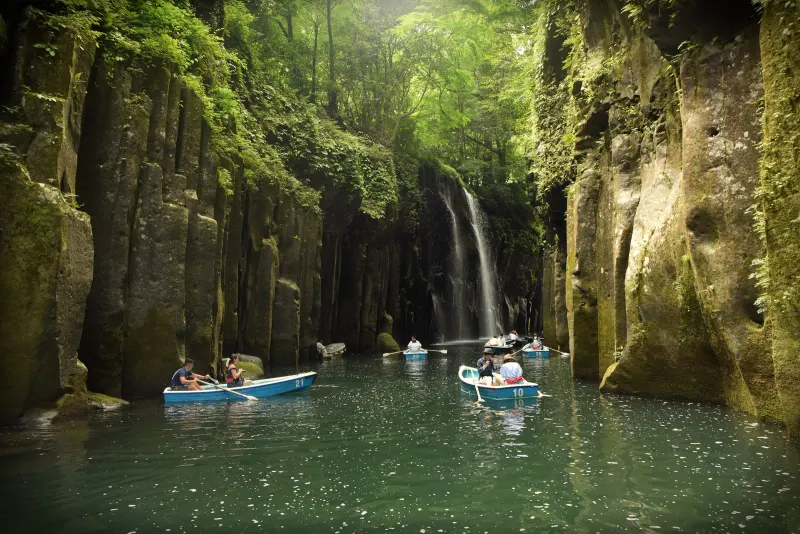 Takachiho Gorge and Manai FallsNeeds a 9-hour call · ~7h door to doorCalls of 9 hours or more in port: Seabourn Encore (08:00–18:00), Seven Seas Explorer (07:00–17:00), Asuka III (10:30–19:30). Not a 7.5-hour call
What to put beside it
Each of these still lands you back aboard with the hour to spare.
 2 hr 10 min for both
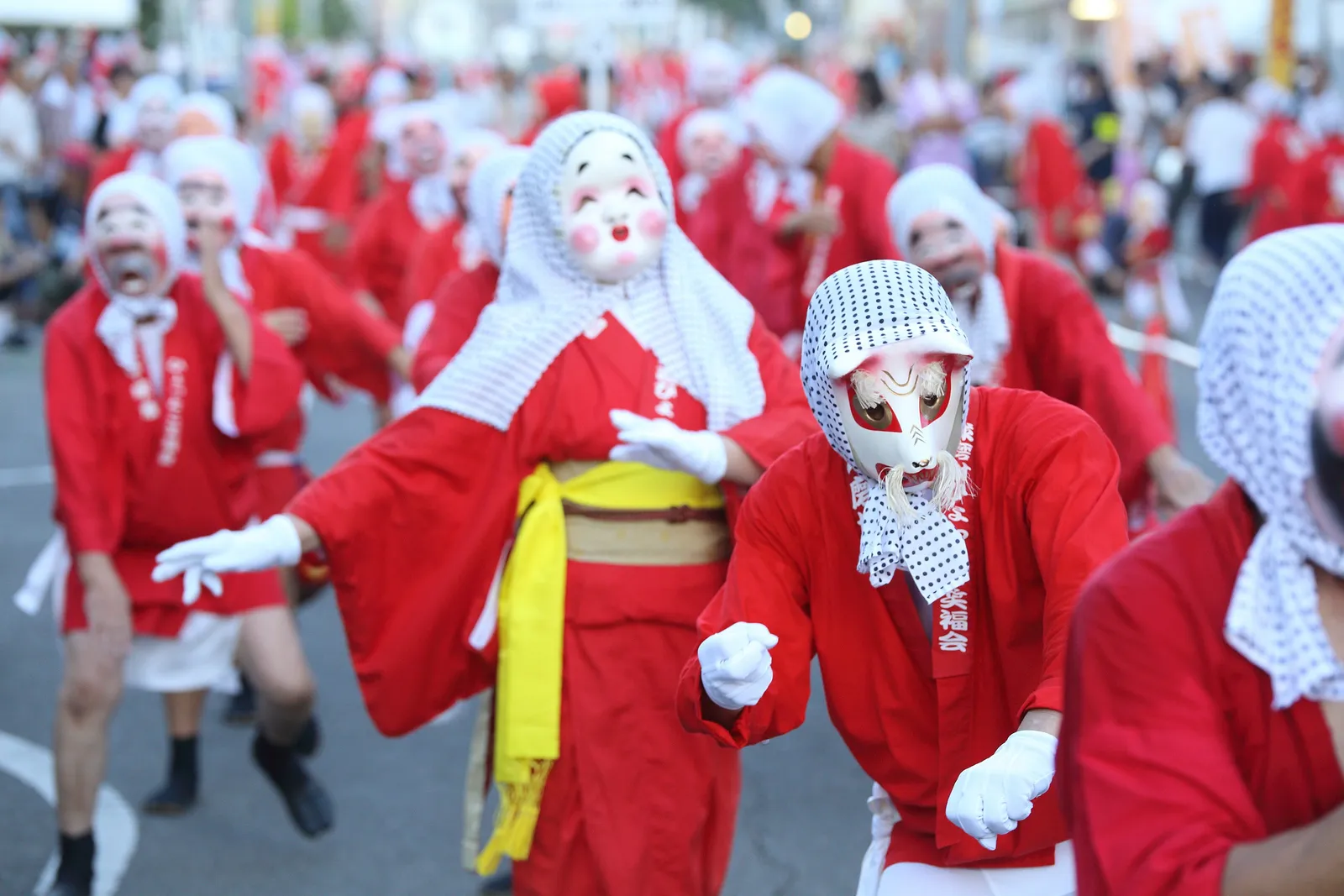
The Hyottoko send-off on the quay
Hyuga’s own dance: dancers in red with comic fox, okame and hyottoko masks.
See the detail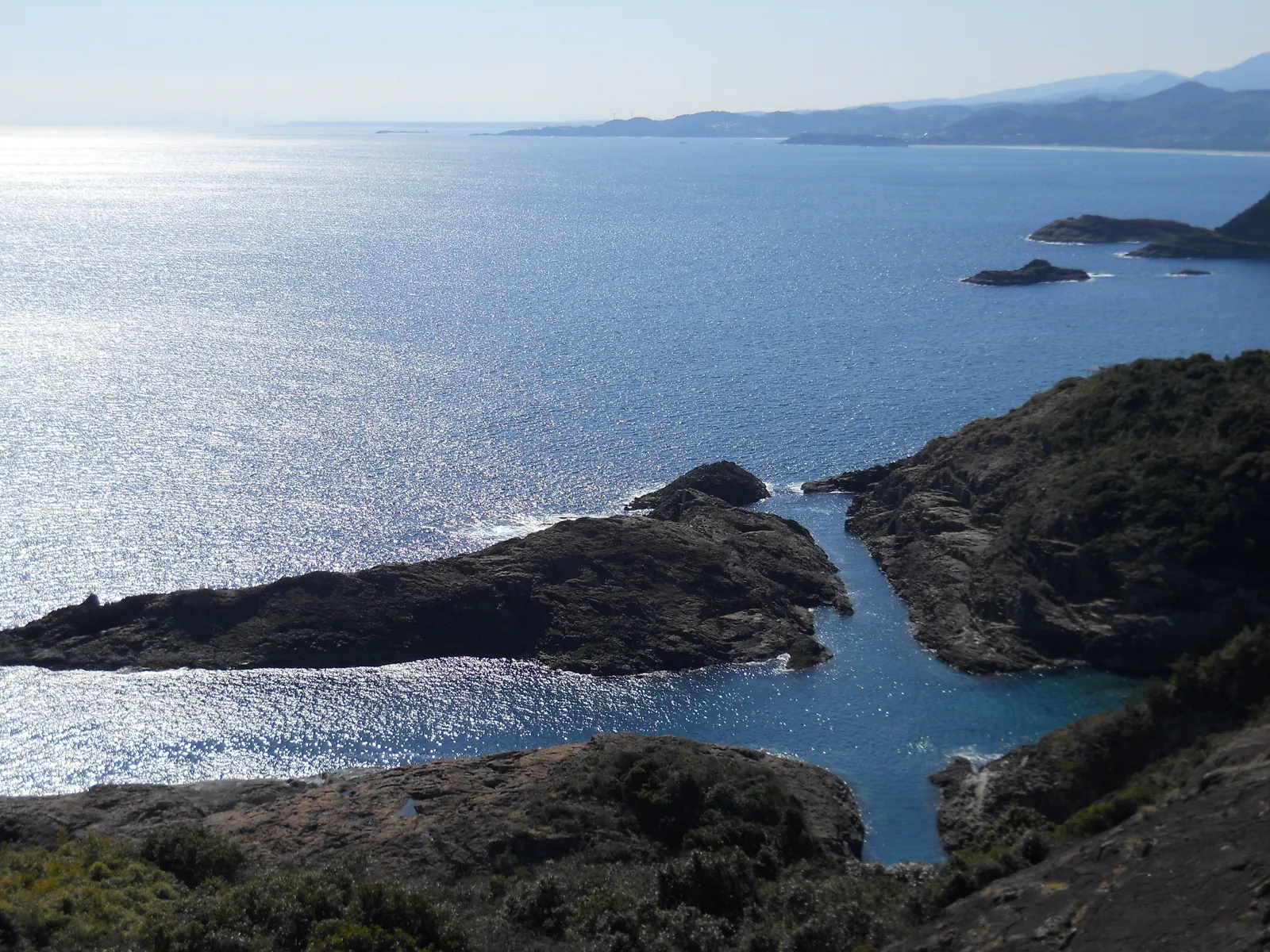 3 hr 40 min for both
Sea of the Cross
A rock reef split 200 m east to west and 220 m north to south, so that the sea makes a cross; the name is from the Portuguese cruz.
See the detail