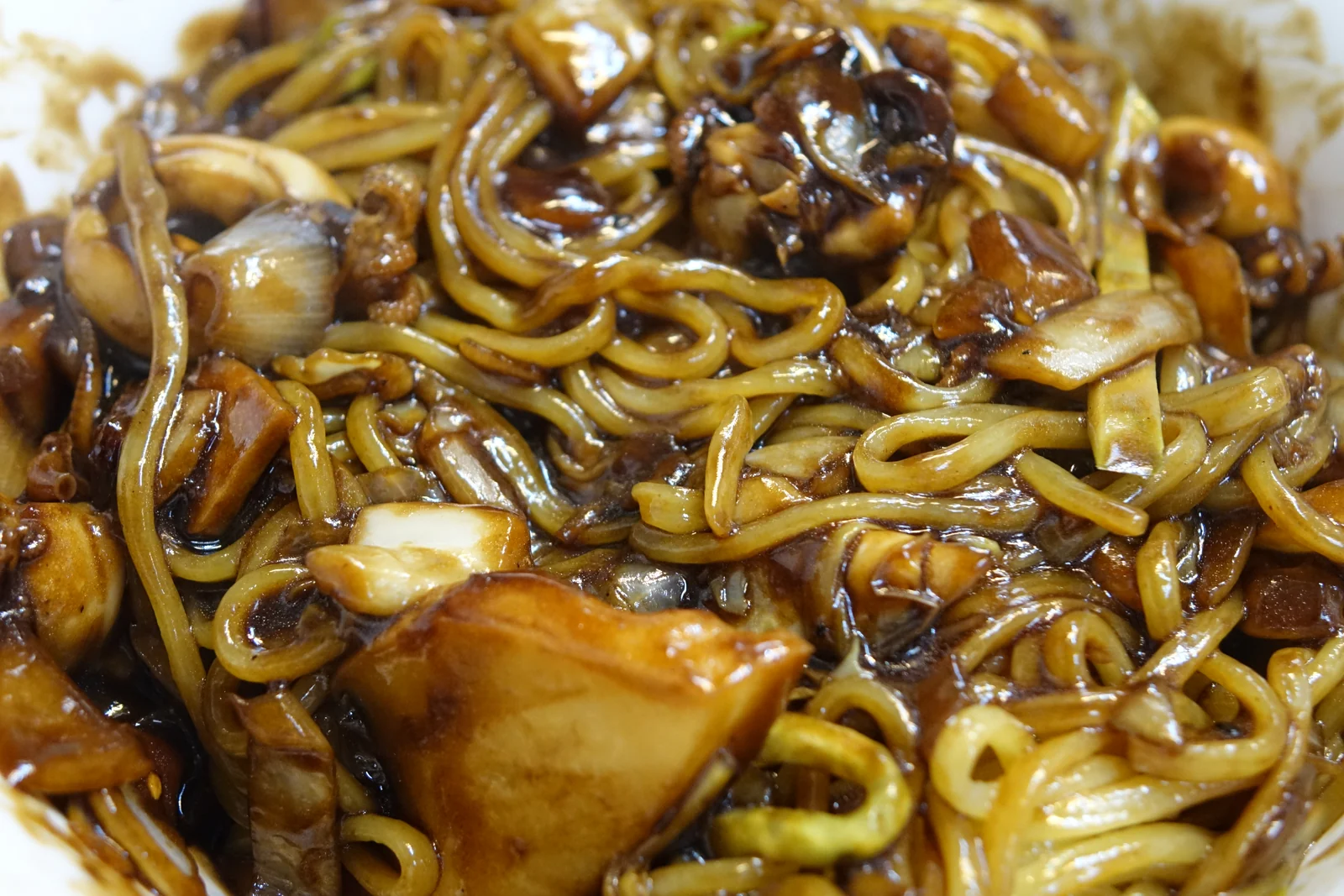
Jajangmyeon where it beganPhoto: 최광모 / CC0
Wheat noodles under a black-bean sauce, the Chinese-Korean dish every Korean eats on moving day. Sinseung Banjeom, a few doors from the museum, is said to be run by a descendant of the family that served it first.
Jajangmyeon began as a Shandong dish of noodles with fermented bean paste and became Korean by adding caramel to the sauce and onion to the pan. It is the food of moving day and of the day single people mark in April. Today's restaurant called Gonghwachun is a separate, newer business; the family line is said to run through Sinseung Banjeom.
The one the queue agrees on, the one people who live here use instead, and the one nearest your ship. Opening days change; check before you build a day around one.
Yuni-jjajang, the finely minced version, a few doors from the museum. 11:10–21:00 with a break 15:00–16:30; open all year.
Open in Google MapsClosest to the berthGonghwachun (today’s restaurant)공화춘Takes the famous name but is a separate, newer business in another building. 10:00–21:30, open all year.
Open in Google MapsBoth pins on one map, so the distance is a fact rather than a feeling.
Each one is a finished day we have walked and timed, with this stop in it. Read the route rather than assembling it yourself.
Each of these still lands you back aboard with the hour to spare.
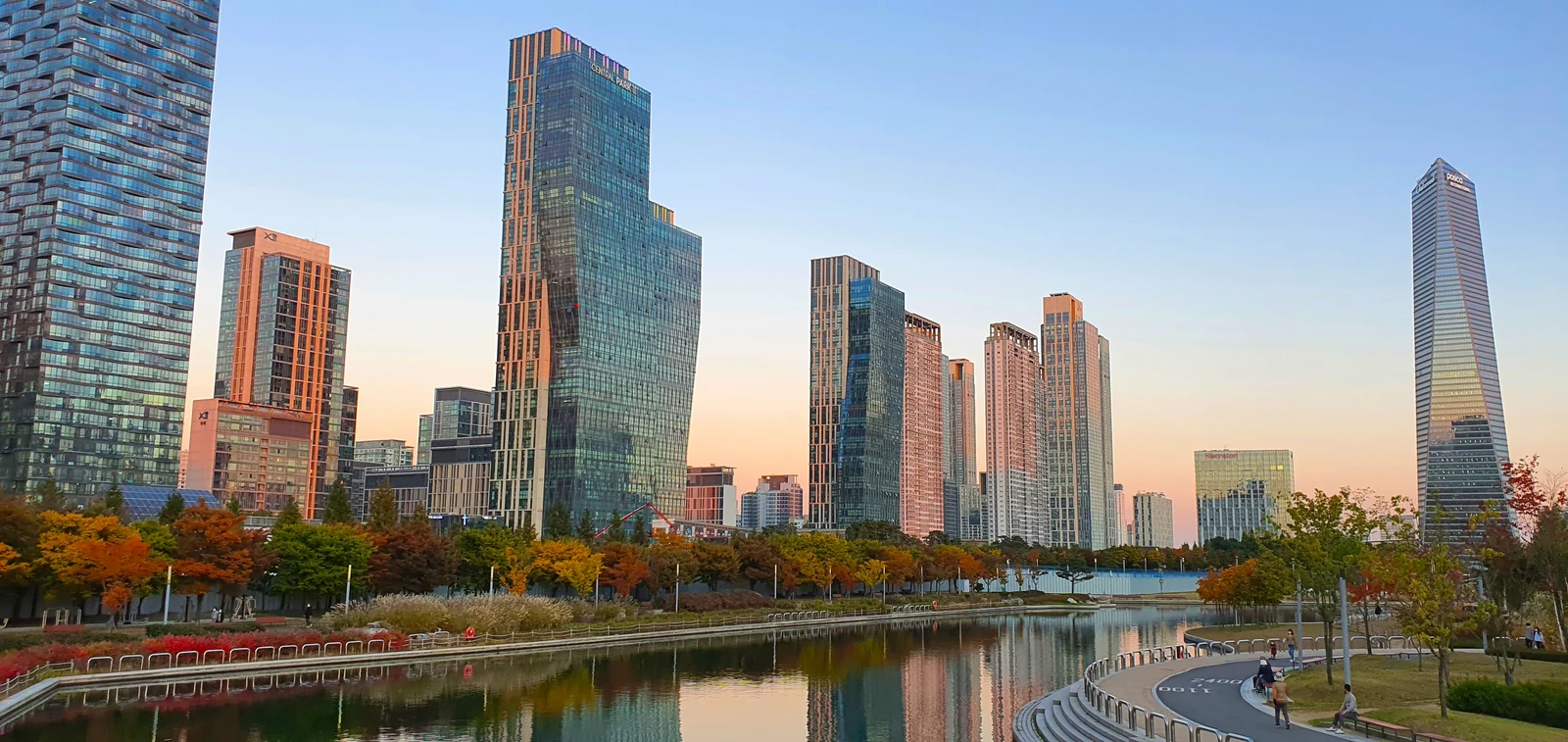 4 hr 10 min for both
A seawater canal through a new city of glass towers, with water taxis and a boardwalk.
See the detail →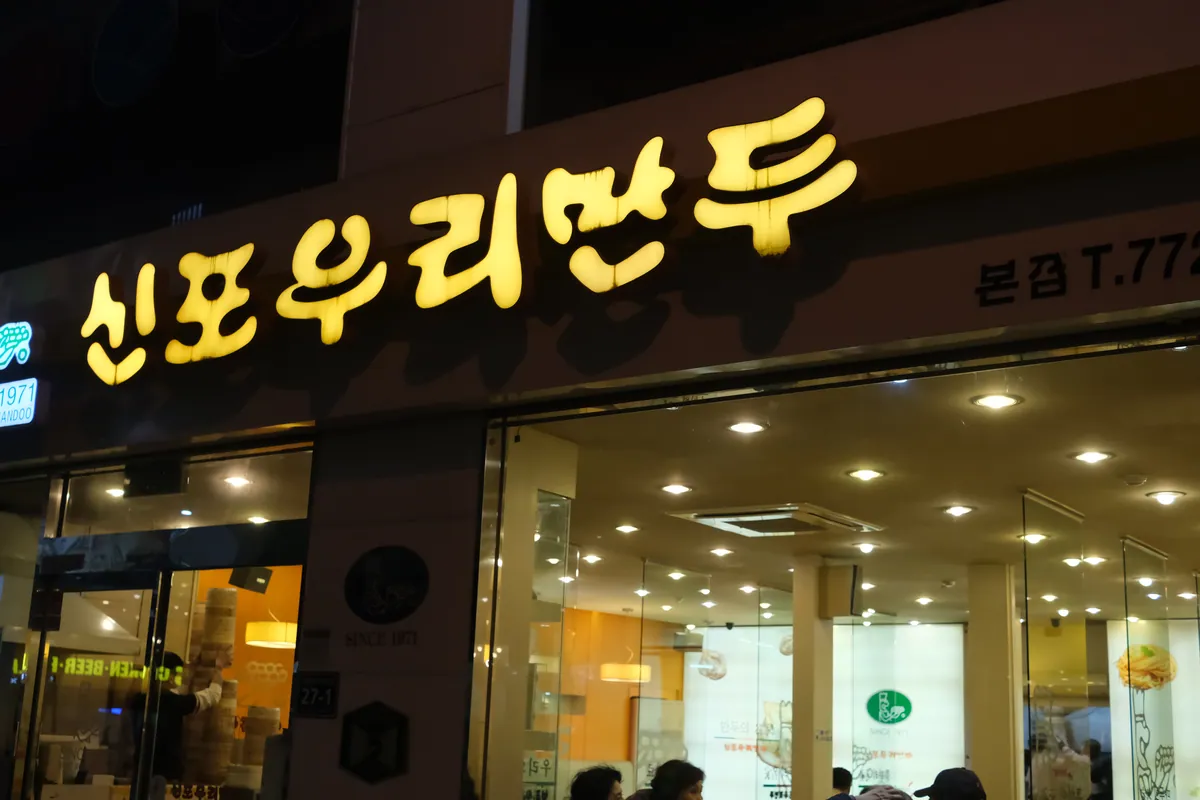 4 hr 30 min for both
Chicken fried twice and tossed in a sticky sweet-spicy glaze, sold by the box.
See the detail →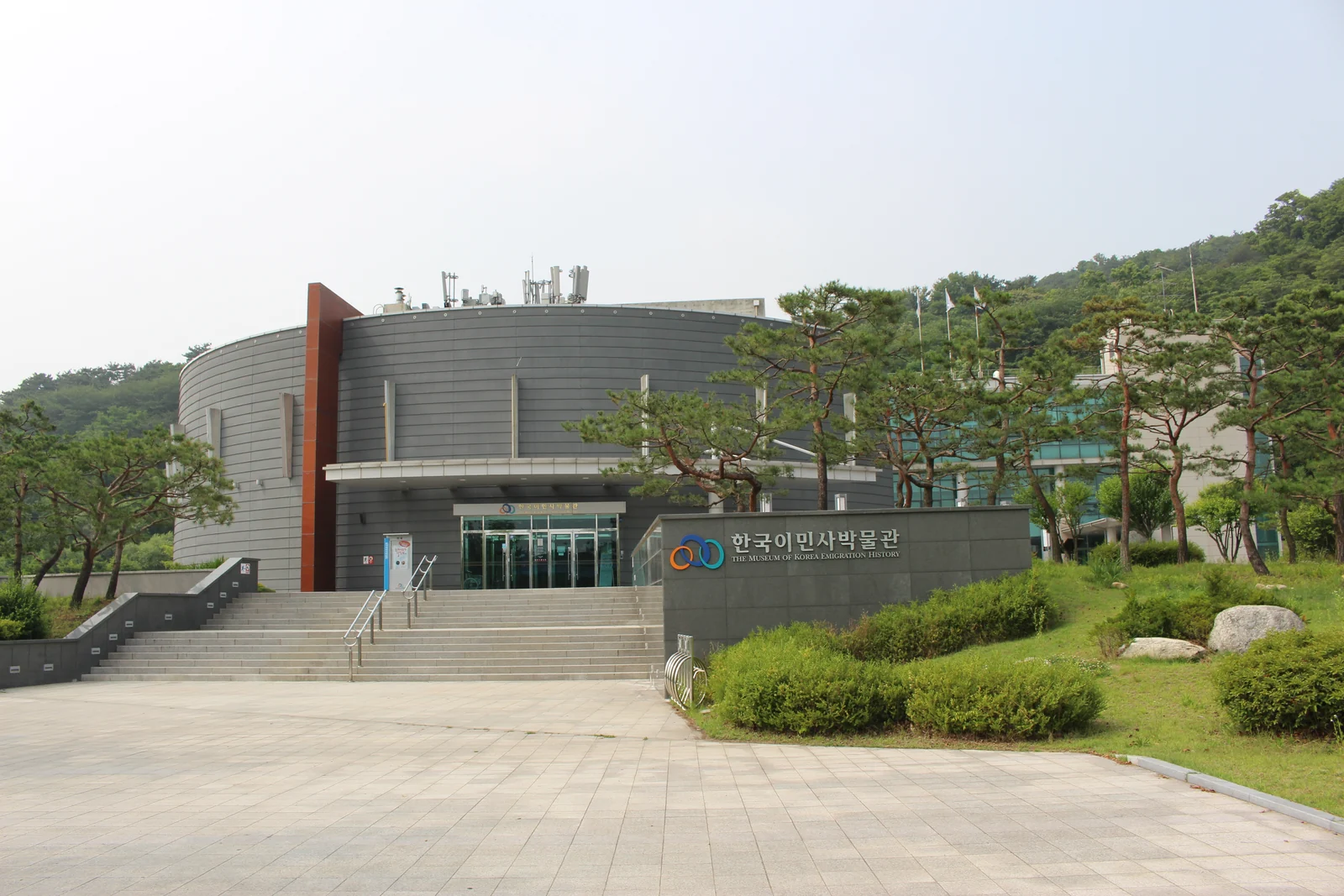 5 hr for both
In 1903 the first Korean emigrants sailed from this harbour to the Hawaiian sugar plantations.
See the detail →No typing needed — jump straight in:
Just docked? — the gangway toolStart from your shipThe ride from every berthAsk the editorGlossary