 Photo: José Carioca / CC BY-SA 4.0
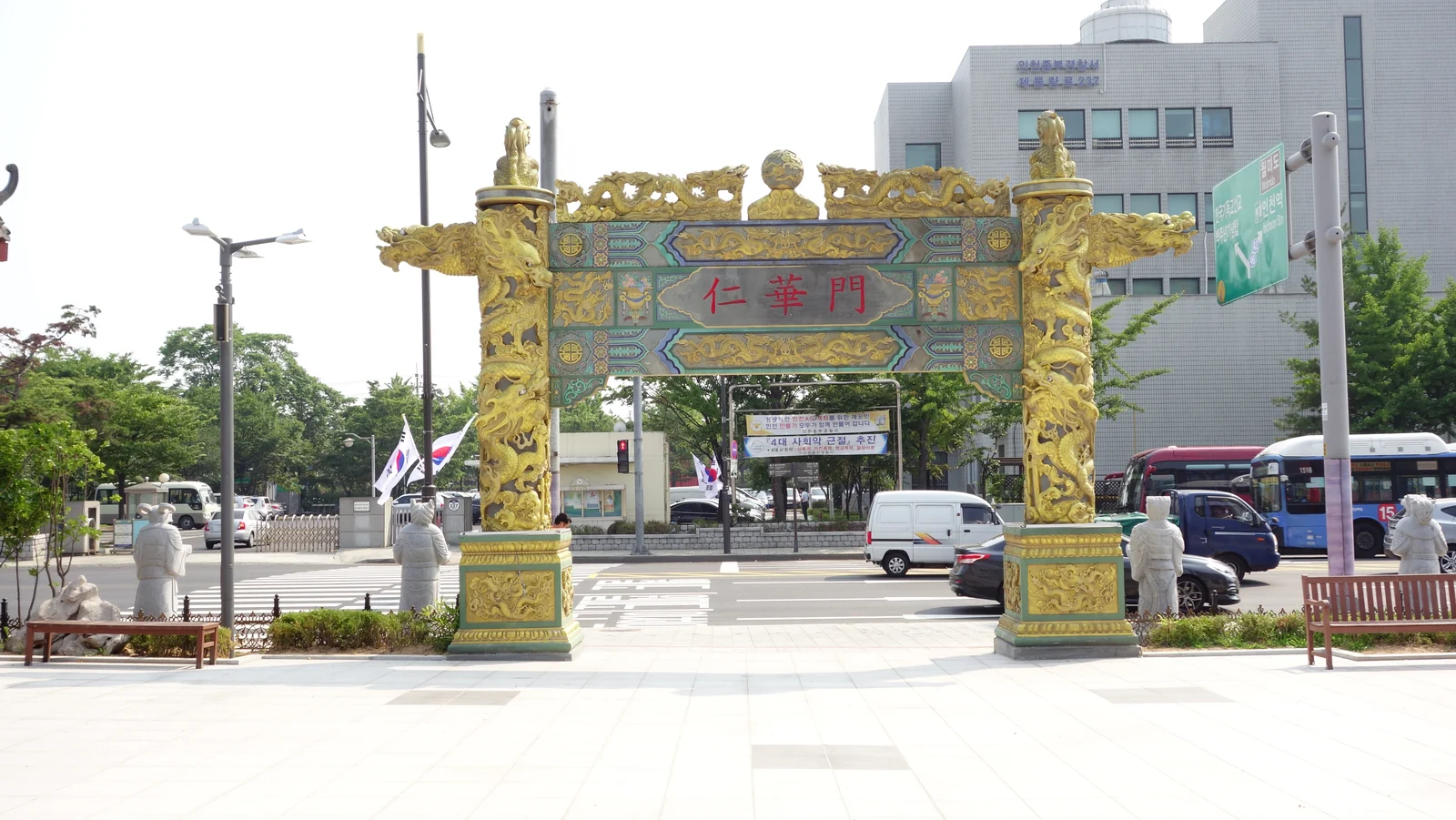
Korea’s first Chinatown, laid out when the port opened to foreign trade in the 1880s, with the red-brick restaurant where jajangmyeon was first served now a small museum to the dish. The museum is closed on Mondays; the street is not.
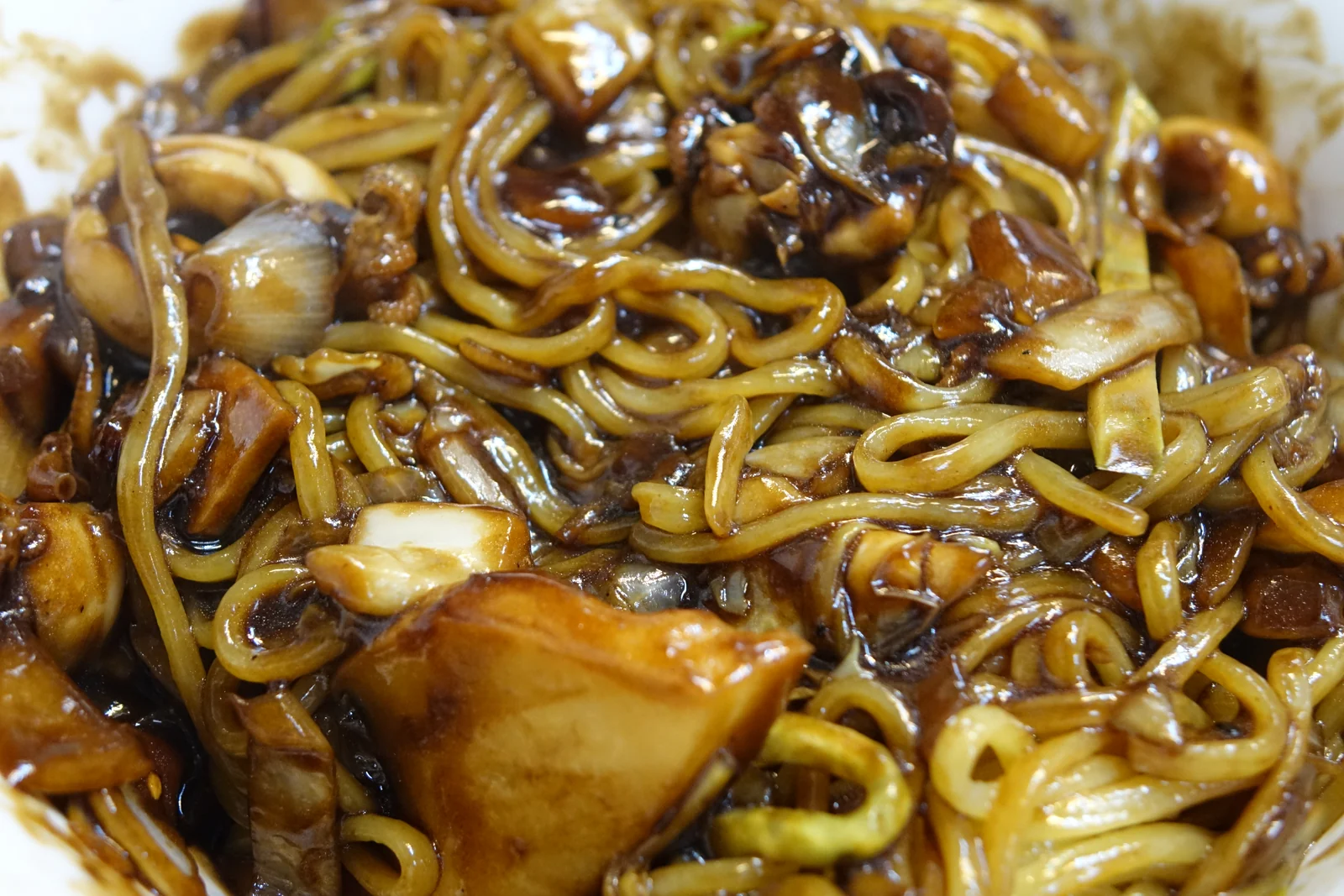
Wheat noodles under a black-bean sauce, the Chinese-Korean dish every Korean eats on moving day. Sinseung Banjeom, a few doors from the museum, is said to be run by a descendant of the family that served it first.
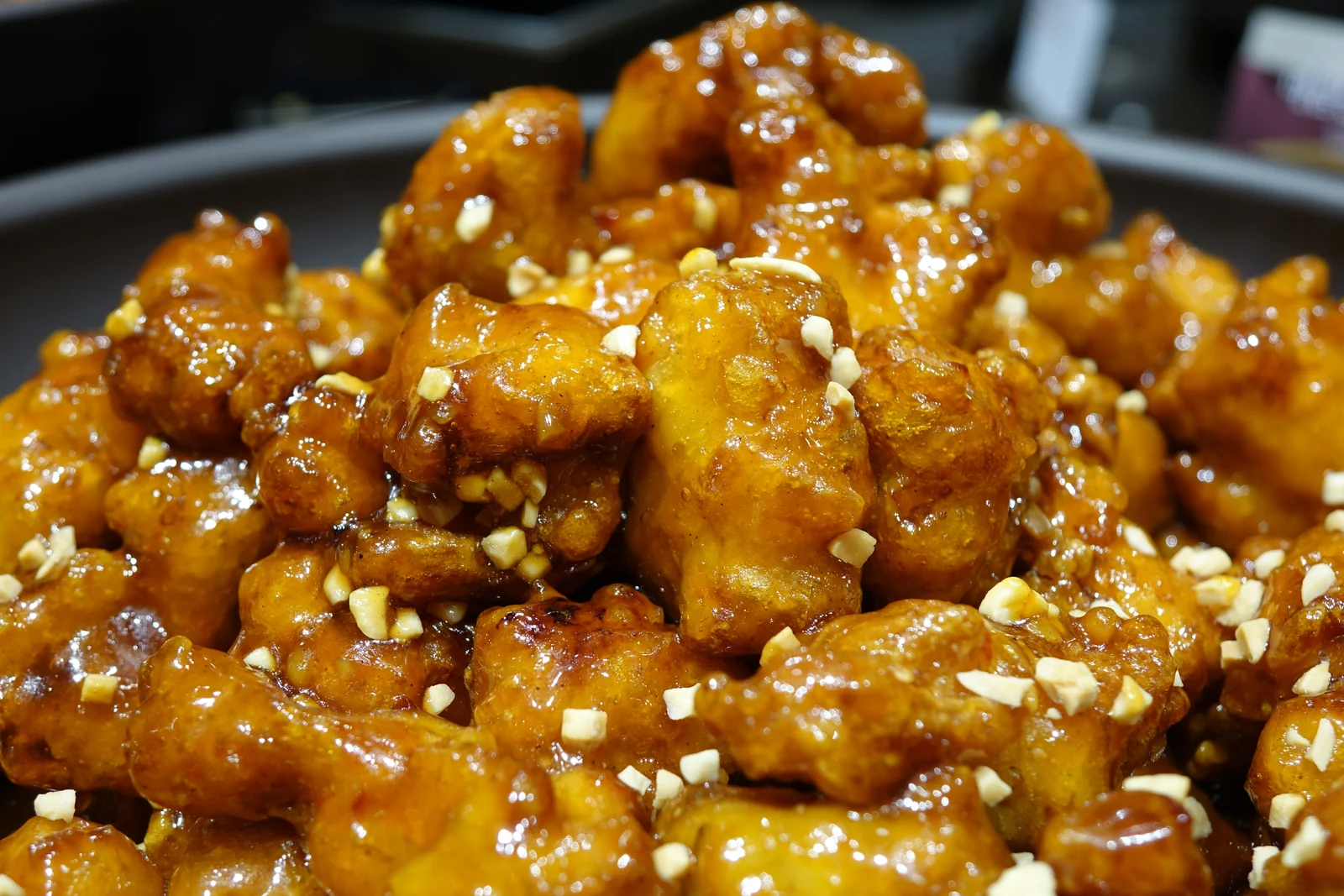
Chicken fried twice and tossed in a sticky sweet-spicy glaze, sold by the box. The original counter has been in Sinpo Market since 1985, and the queue is the proof.
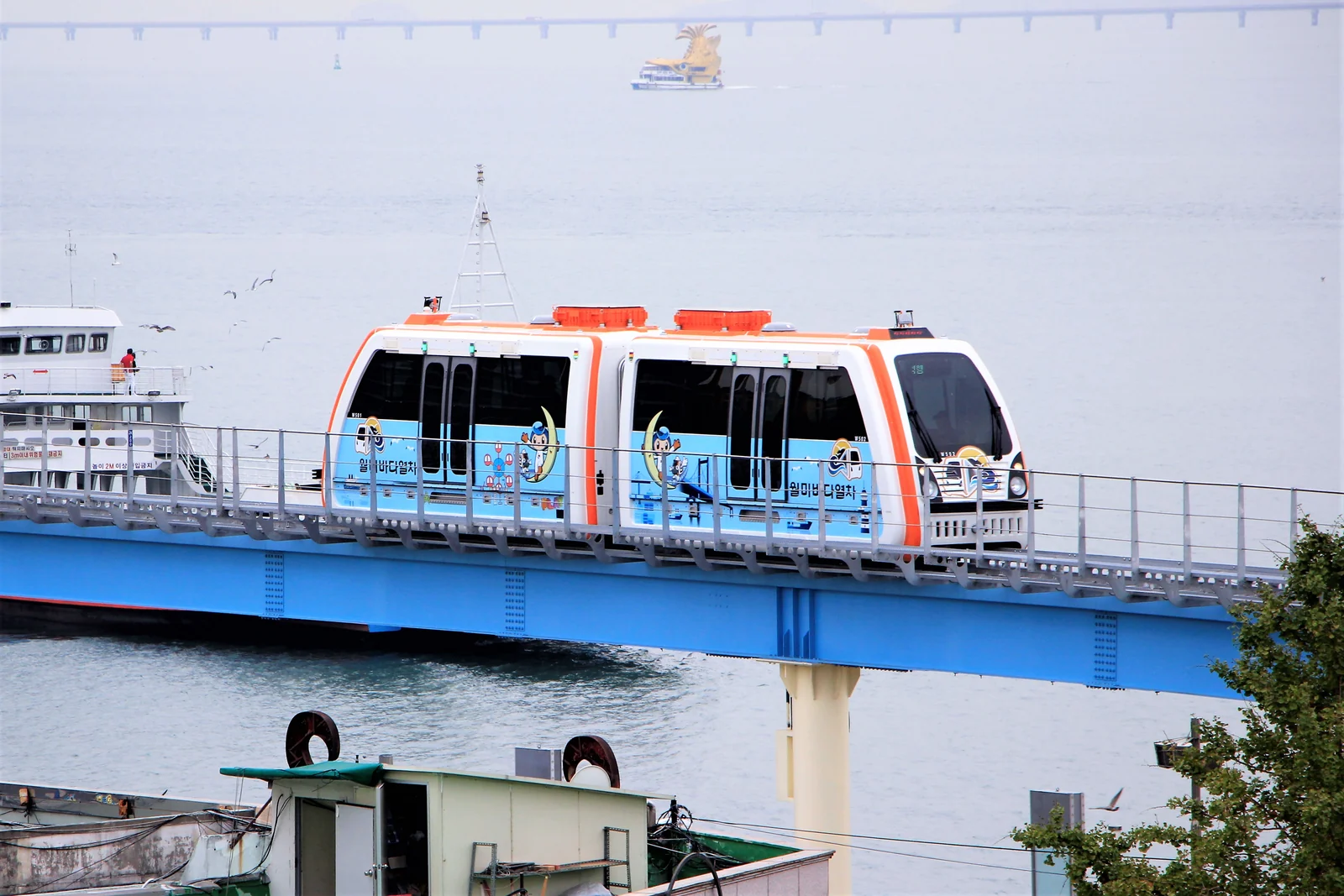
An elevated two-car train that circles the old island over the harbour, with the waterfront promenade at the end. Closed on Mondays, and it stops in high wind.
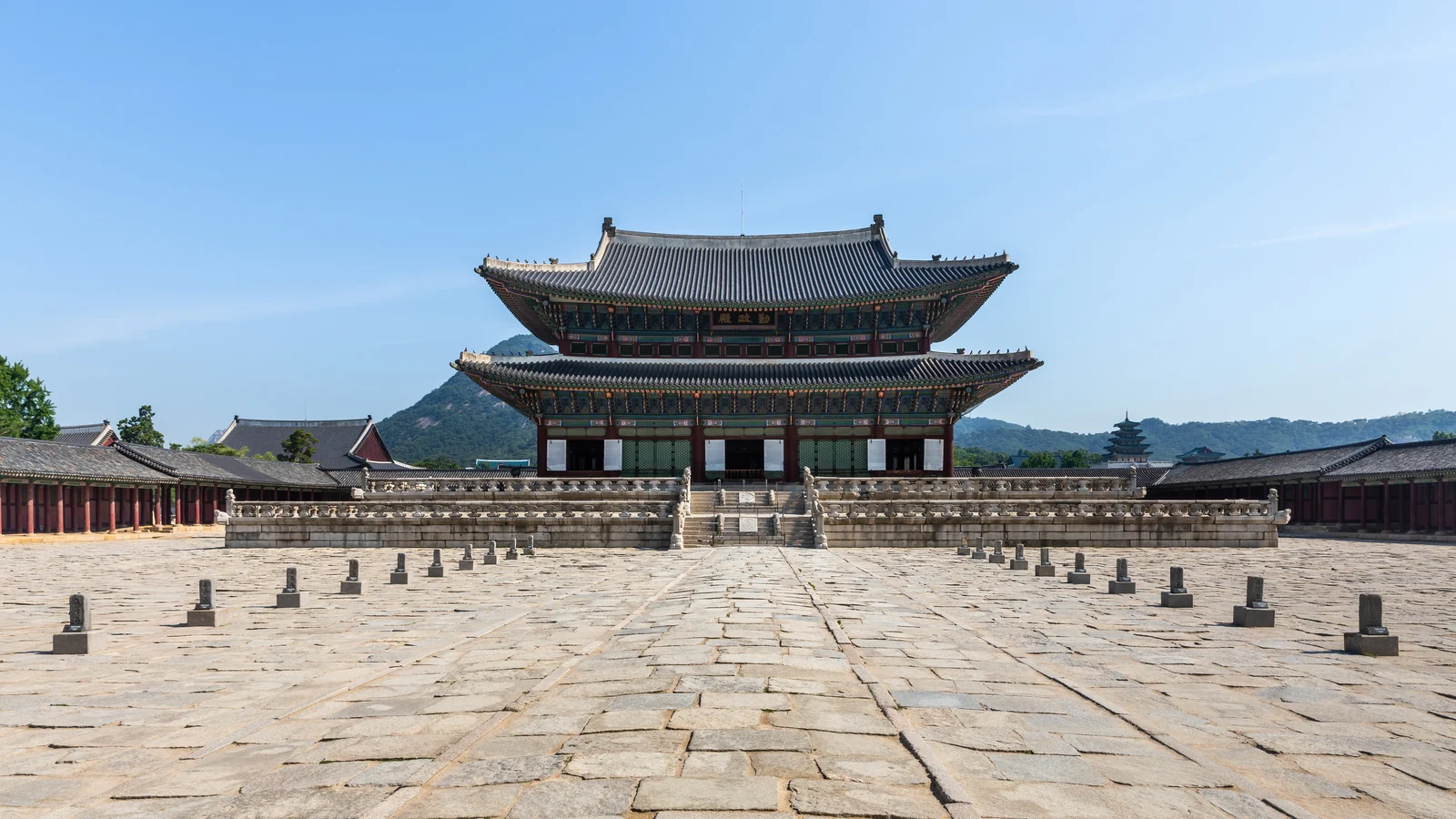
The main royal palace and the hanok lanes above it, one cluster and no more. Two hours each way means this only works on a long call; the palace closes on Tuesdays.
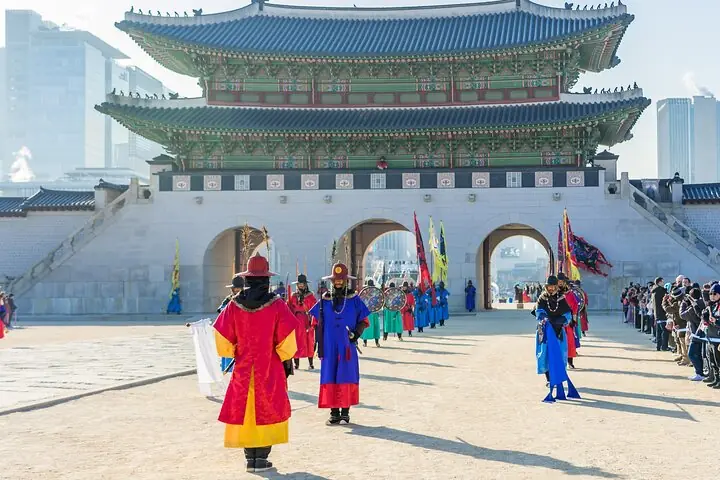
The most-reviewed cruise excursion from this terminal: the palace, the old streets and the city in one day, with the return to the ship guaranteed. On a Seoul day that guarantee is the point.
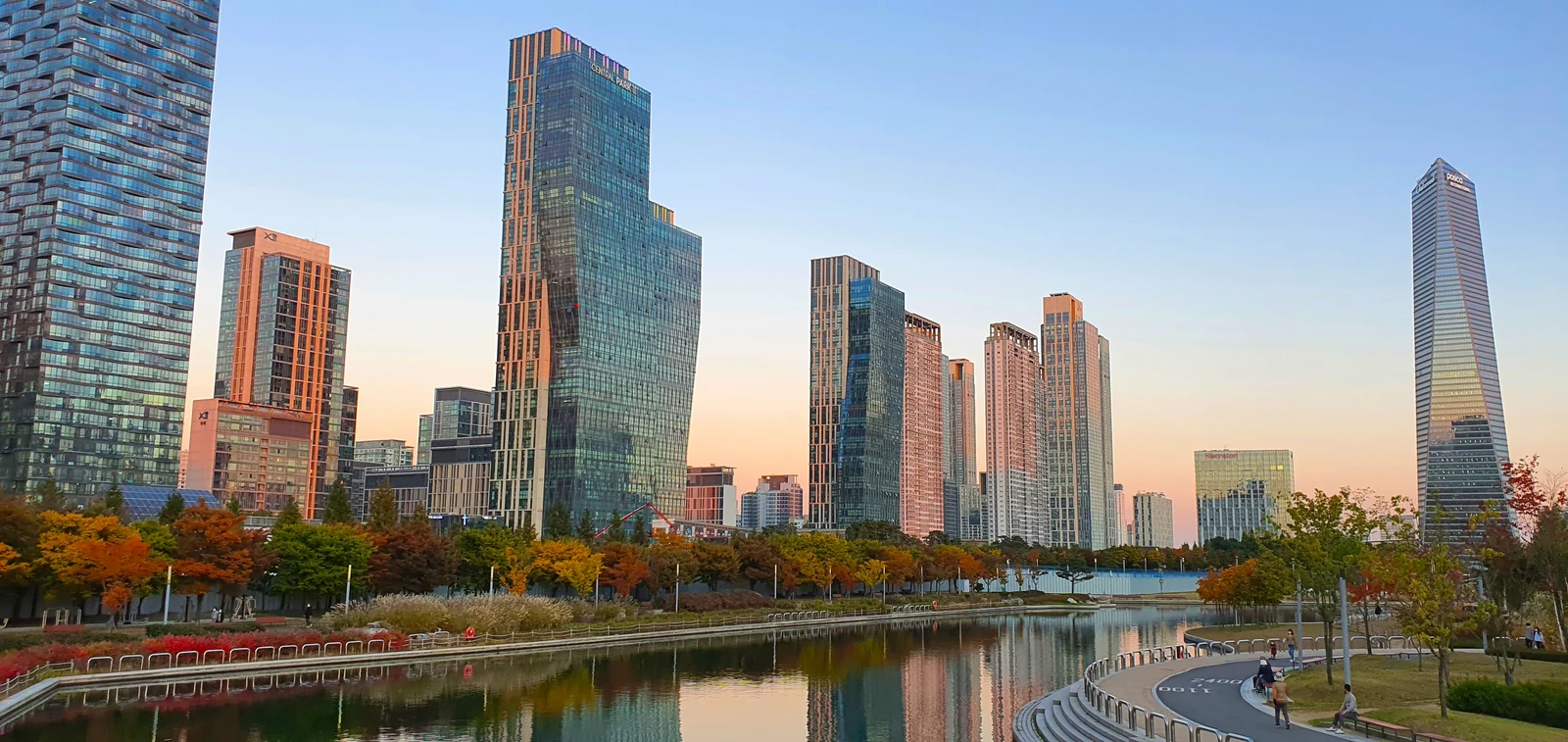
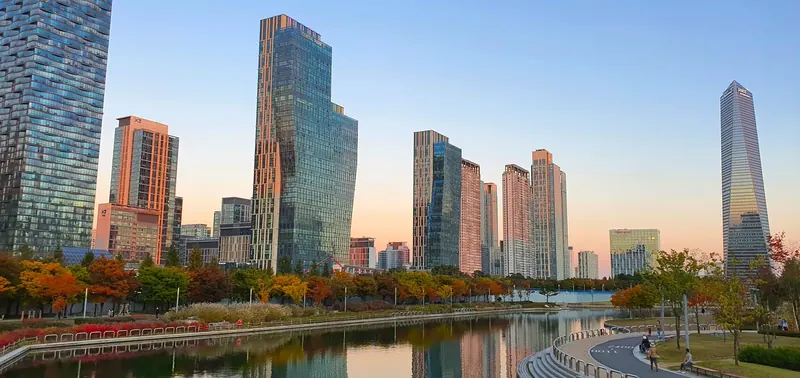
A seawater canal through a new city of glass towers, with water taxis and a boardwalk. It is the closest thing to the terminal and the one that fits a short call.
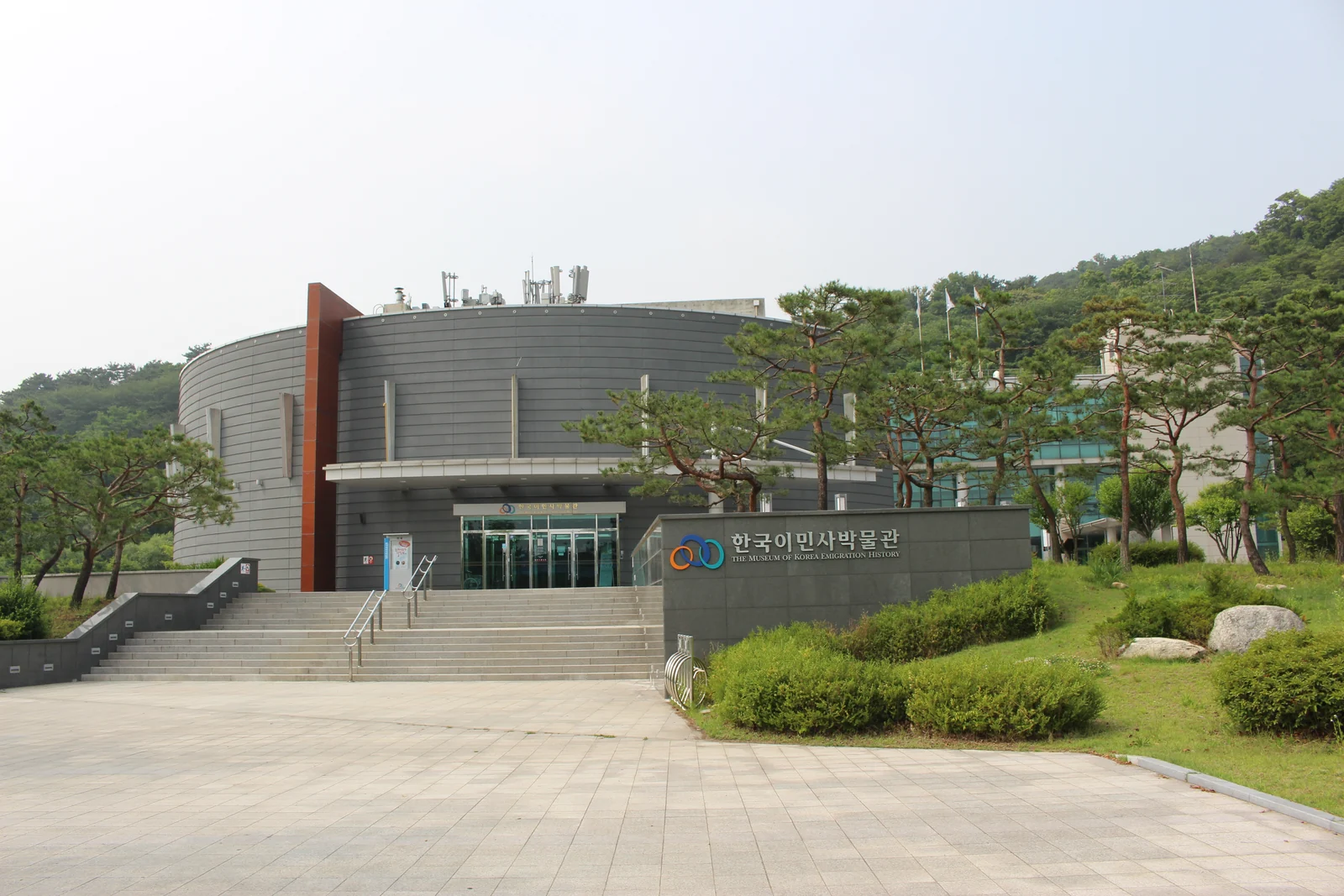
In 1903 the first Korean emigrants sailed from this harbour to the Hawaiian sugar plantations. The museum tells it through their letters and photographs. Free; closed Mondays.
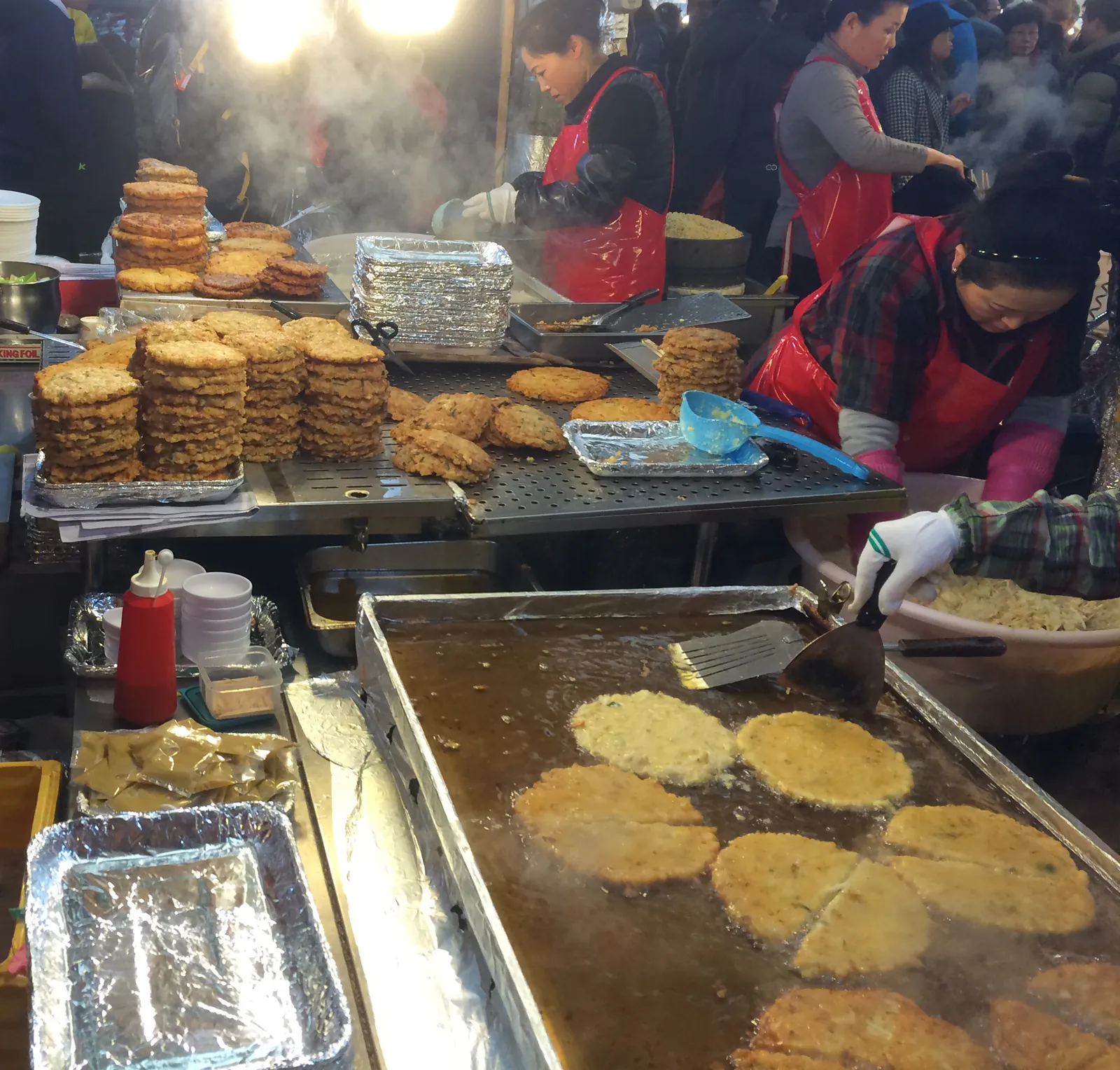
Mung-bean pancakes fried in front of you in Seoul’s oldest covered market, eaten at the counter with makgeolli. The food alley opens daily; the rest of the market closes on Sundays.
Korean and international brands under one roof near the terminal, on the city’s cruise-day shuttle route, and indoors when it rains. Foreign cards work everywhere.
No typing needed — jump straight in:
Just docked? — the gangway toolStart from your shipThe ride from every berthAsk the editorGlossary