Home / Ports / Keelung (Taipei) / See
See in Keelung (Taipei) · #1 of the port's ten~5h round trip — the round trip from the gangway, with the 60-minute margin kept aside.
Tap a photo to see it large. 10 photographs, each credited.
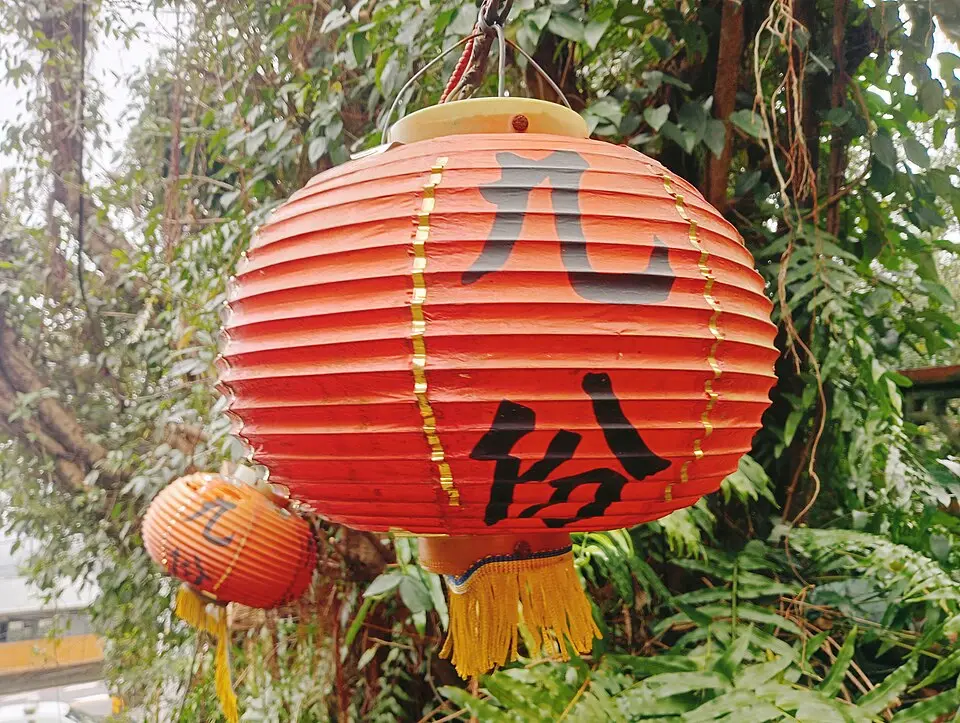
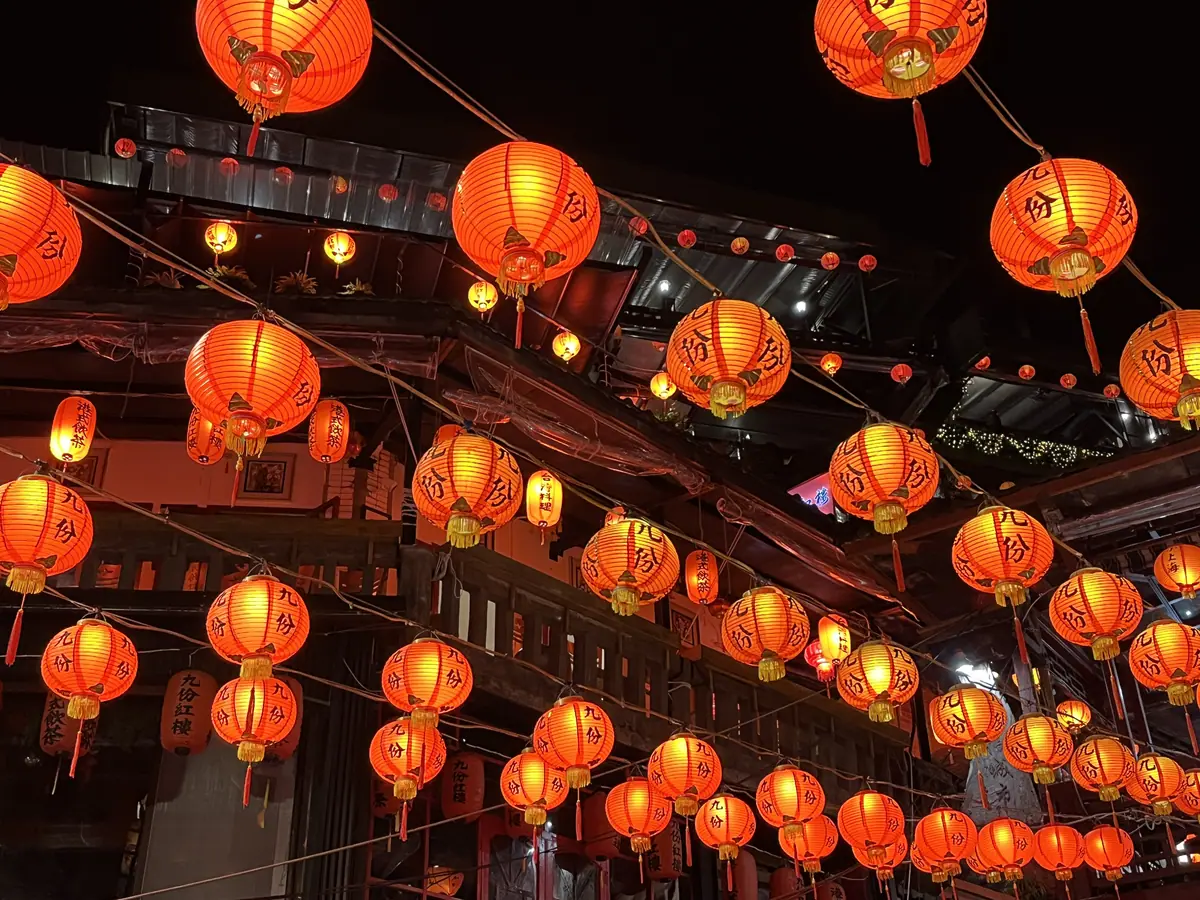
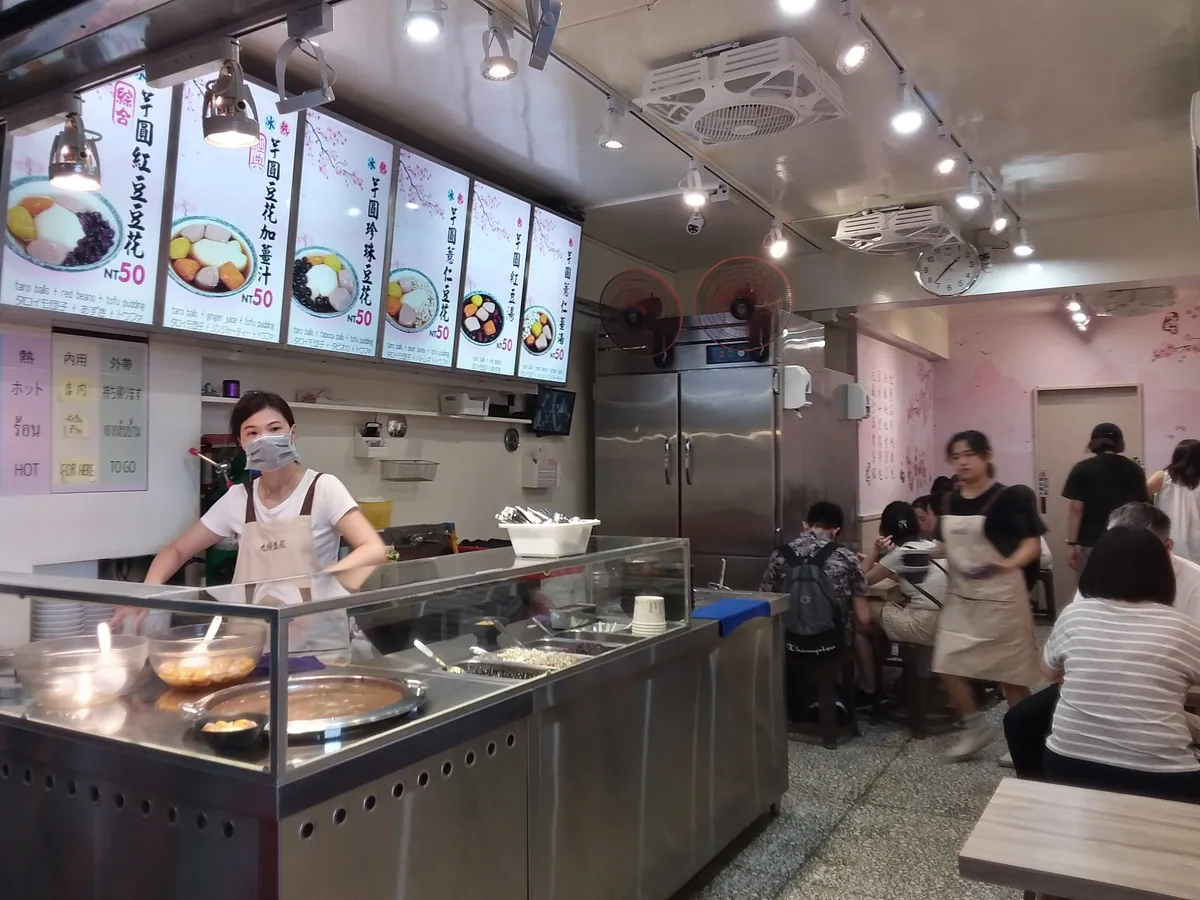
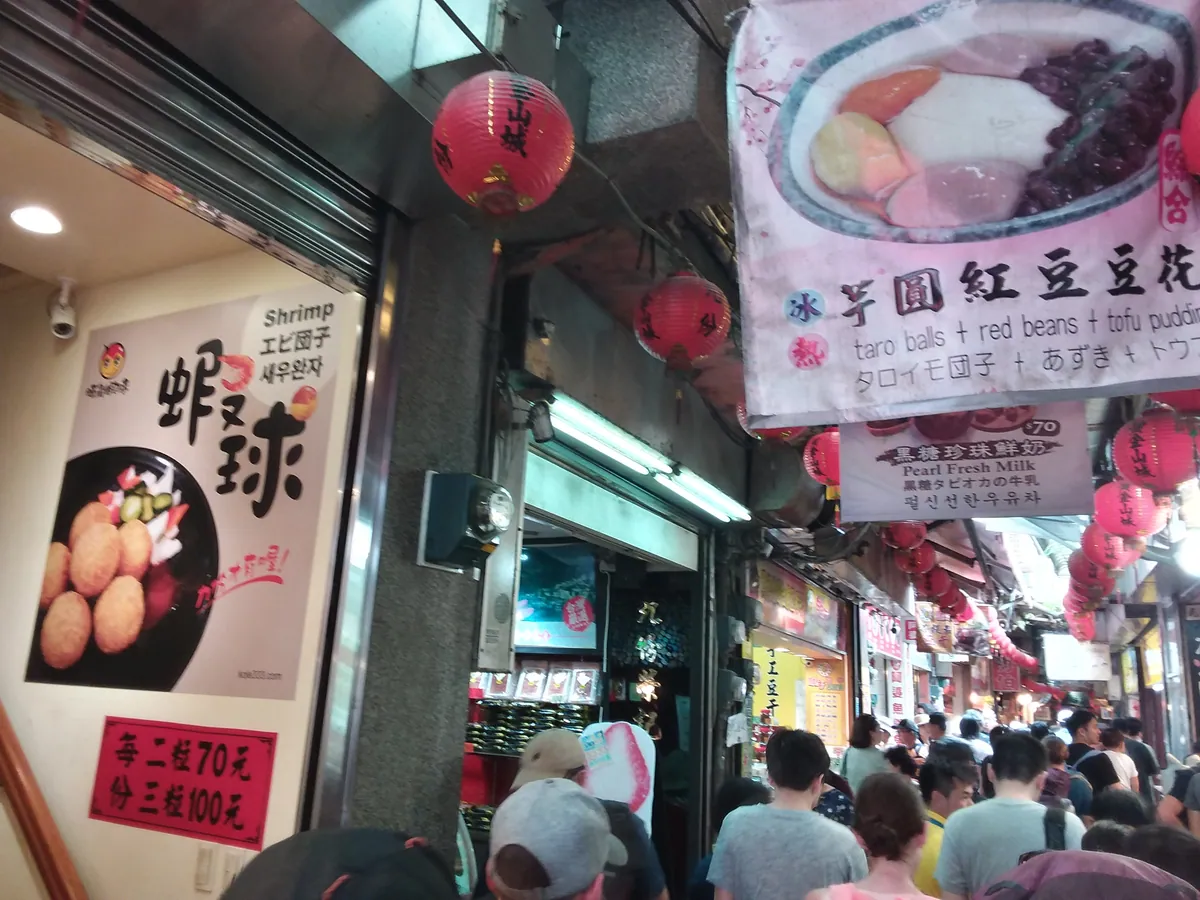
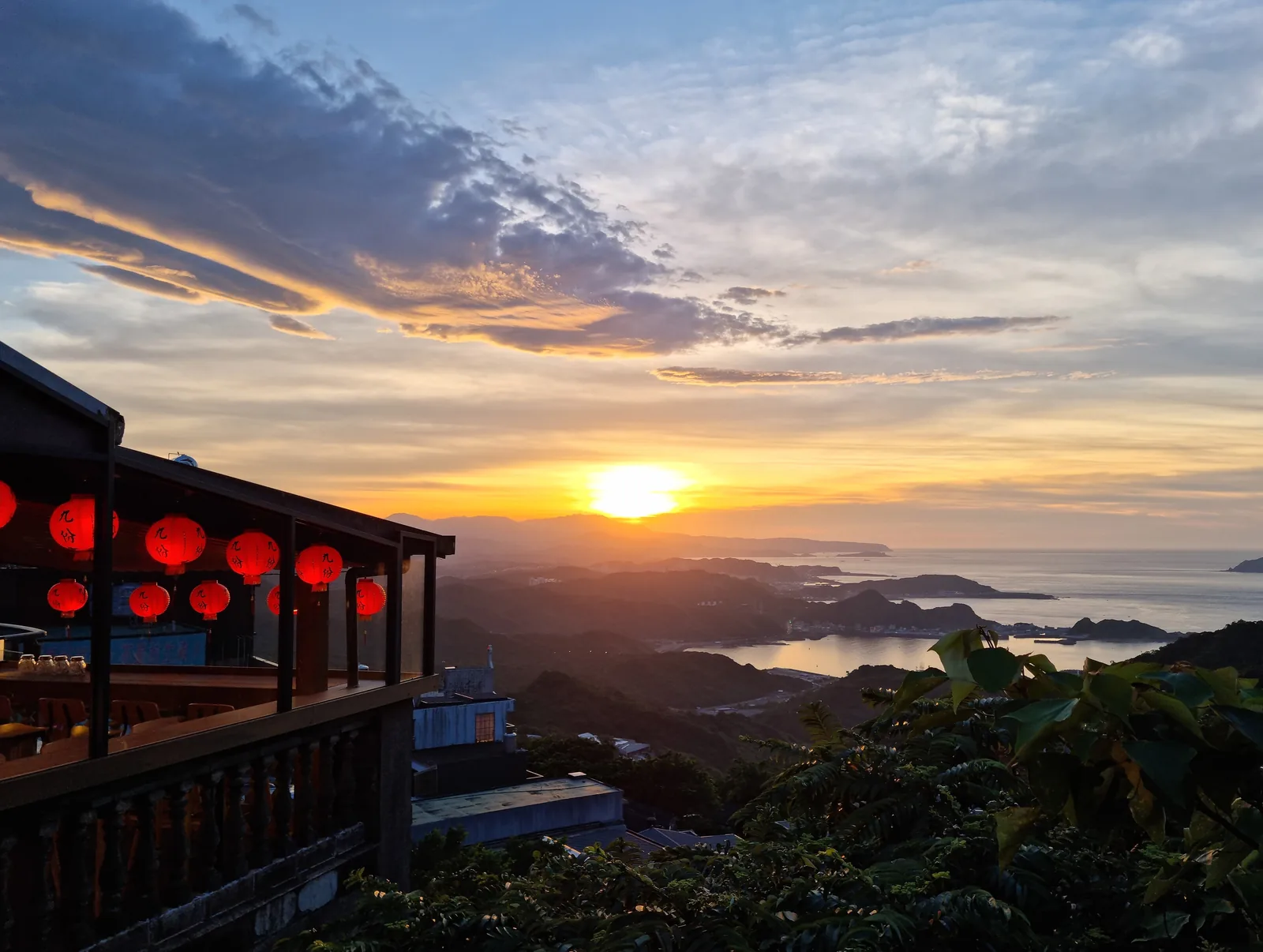
Gold-rush lanes stacked on a sea cliff, red lanterns lighting the teahouses at dusk — the town that launched a thousand postcards. Weekday mornings dodge the crush.
A gold-rush town that emptied, then filled again because of a film
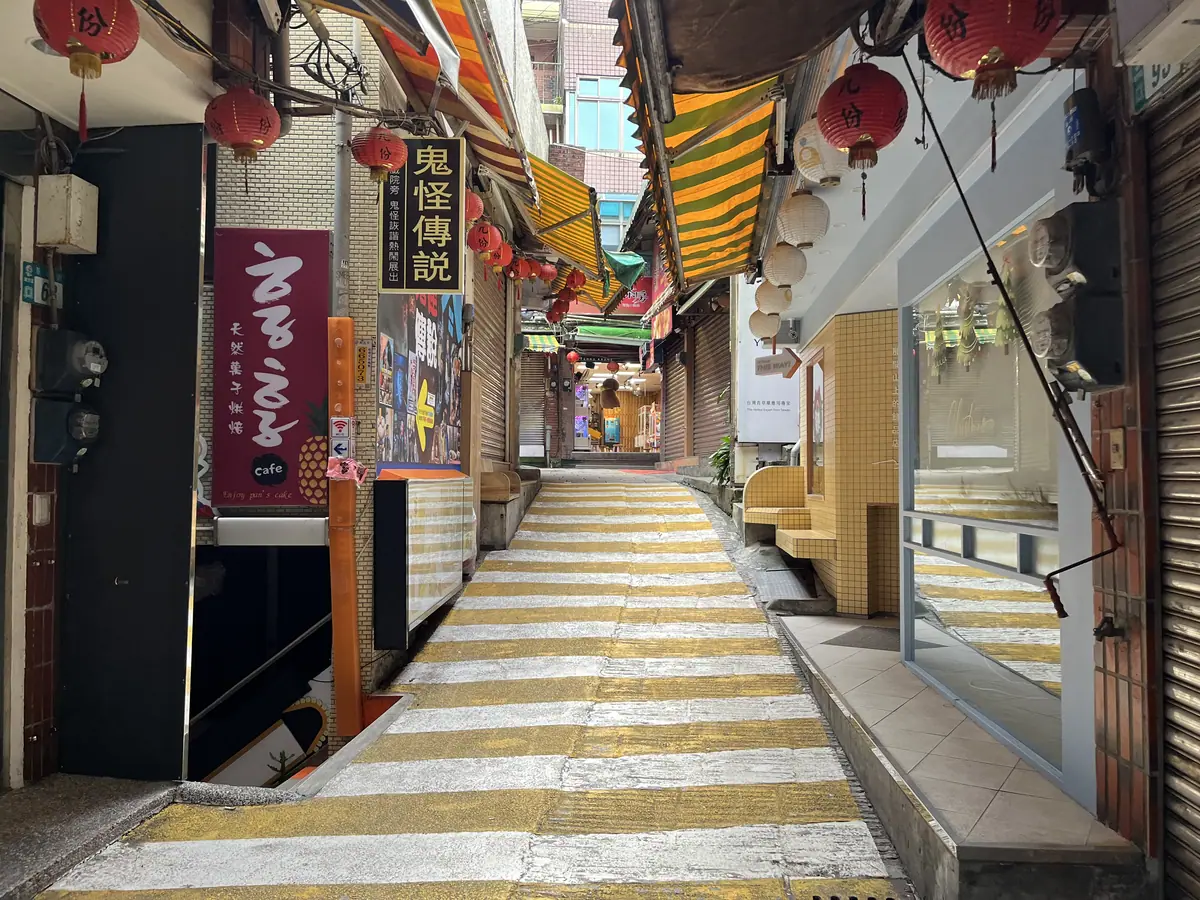
Jiufen grew on gold, discovered here in the 1890s, and was abandoned when the mines closed in 1971. It was rediscovered as a film set for A City of Sadness in 1989 and is now lit with red lanterns down a stepped alley. Its resemblance to a Studio Ghibli film is much argued over and officially denied.
Jiufen was a mining settlement that boomed on gold under Japanese rule, collapsed when the mines closed, sat nearly empty for decades, and then became one of the most visited places in Taiwan because a Taiwanese film used it as a location in 1989 — and because a great many people are convinced, wrongly, that a Japanese animation was based on it.
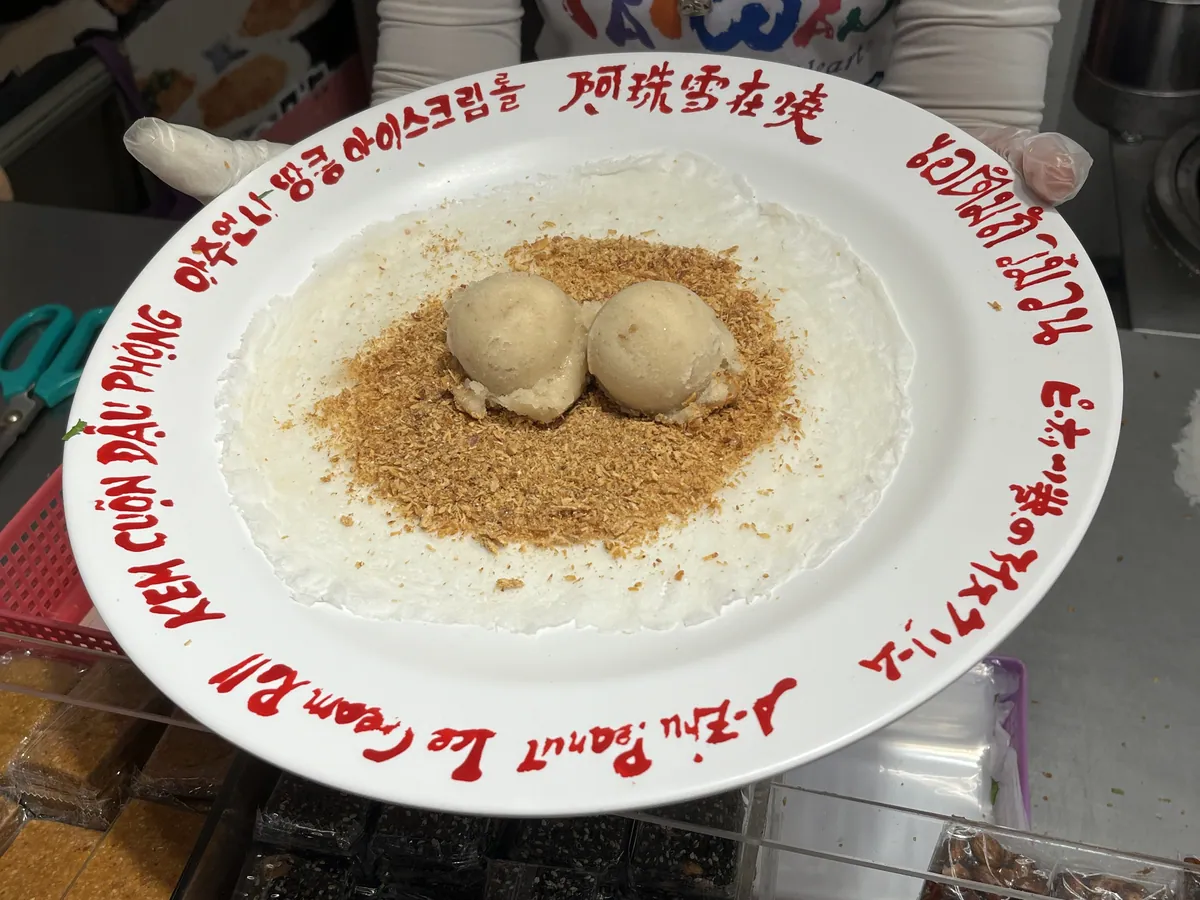
A gold-mining town that boomed under Japanese rule, emptied when the mines closed in the 1970s, and came back after Hou Hsiao-hsien filmed A City of Sadness here in 1989. Two lanes: Jishan Street, covered and full of food, and Shuqi Road, a long stone staircase with teahouses and red lanterns.
Studio Ghibli have said Spirited Away was not based on it. Almost nobody believes them, and the town has an entirely amiable relationship with the misunderstanding.
Mining expands hugely under Japanese rule
Teahouses, cinemas, and a dense stepped town
For roughly two decades
Golden Lion at Venice; Taiwanese visitors follow
Sit down in a teahouse on Shuqi Road and pay for the hour. Standing in the crowd photographing lanterns is the lesser version.
Both pins on one map, so the distance is a fact rather than a feeling.
Counted from the moment you step off the gangway. The hour before all-aboard is not in this bar; it is already set aside.
40 minutes each way is the honest figure for taxi/bus ~40 min, not the optimistic one. If your ship is late, cut the 3 hr 40 min in the middle. Never cut the hour at the end.
On a call of eight hours or more, yes — go on a weekday morning when the stairs are walkable, accepting that the lanterns will not be lit. Under six hours it is a genuine gamble: the drive is about forty minutes each way at best and considerably longer in weekend traffic.
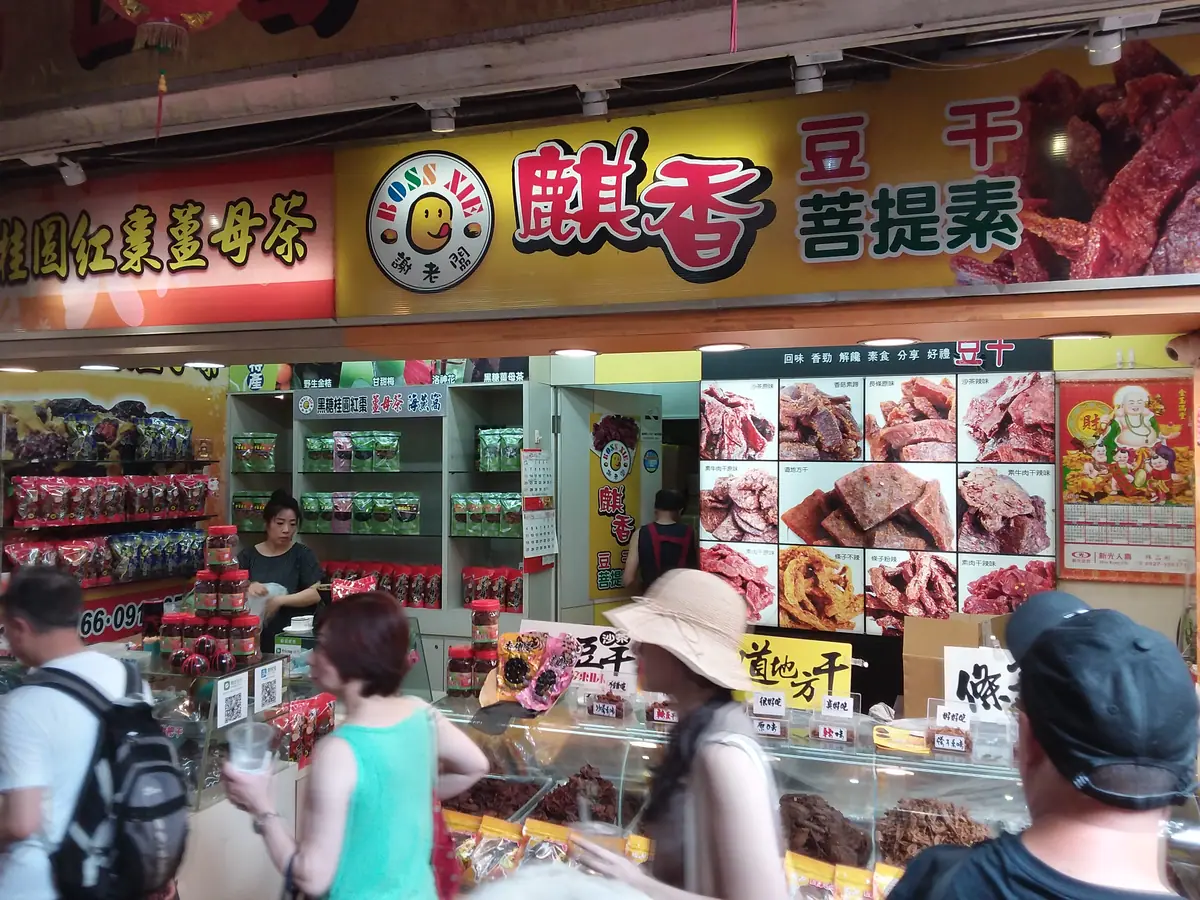
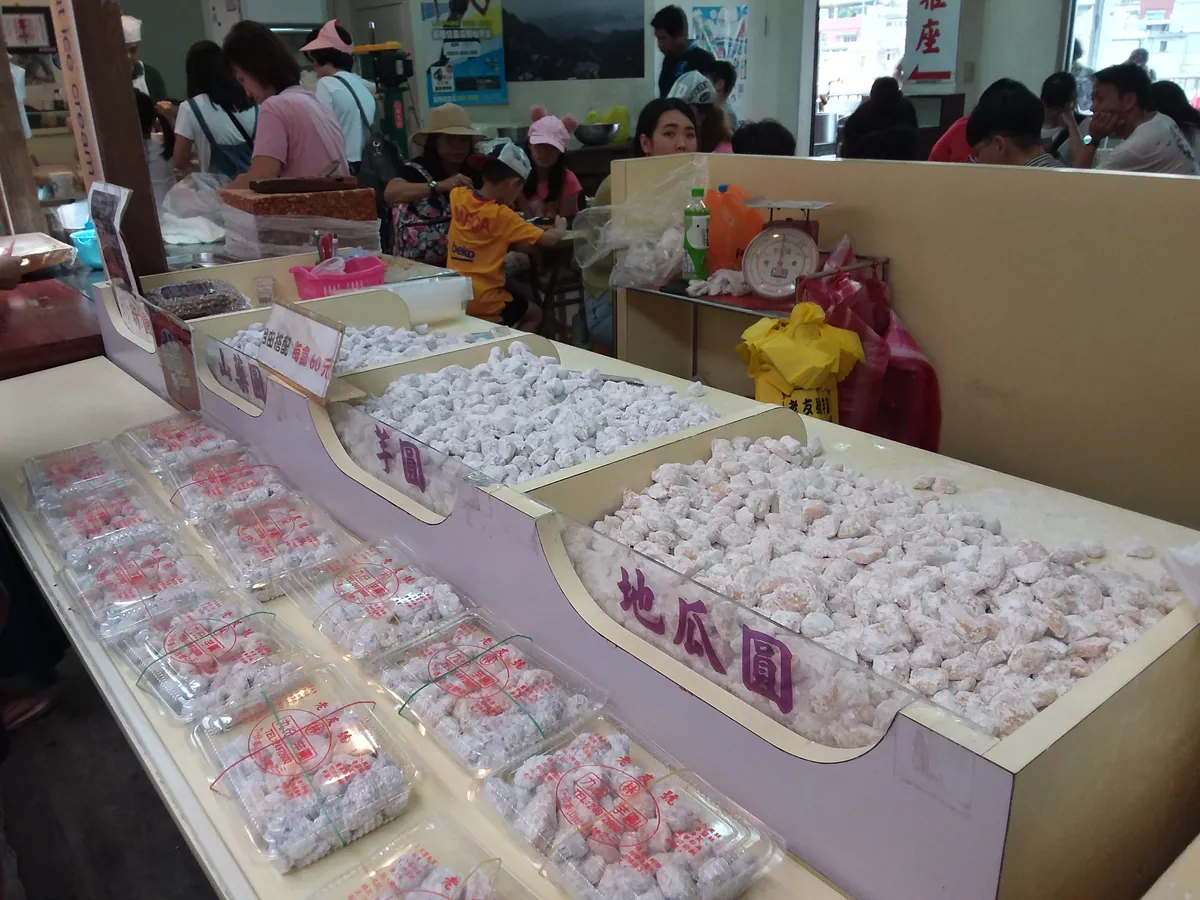
Sit down in a teahouse on Shuqi Road and pay for the hour — a pot, a burner and a wooden balcony over the sea is what the place is actually for. Walk Jishan Street for food, and if you have time, add Jinguashi next door for the gold museum and preserved mine.
Each one is a finished day we have walked and timed, with this stop in it. Read the route rather than assembling it yourself.
Each of these still lands you back aboard with the hour to spare.
 Eat · ~1.5h, walkable
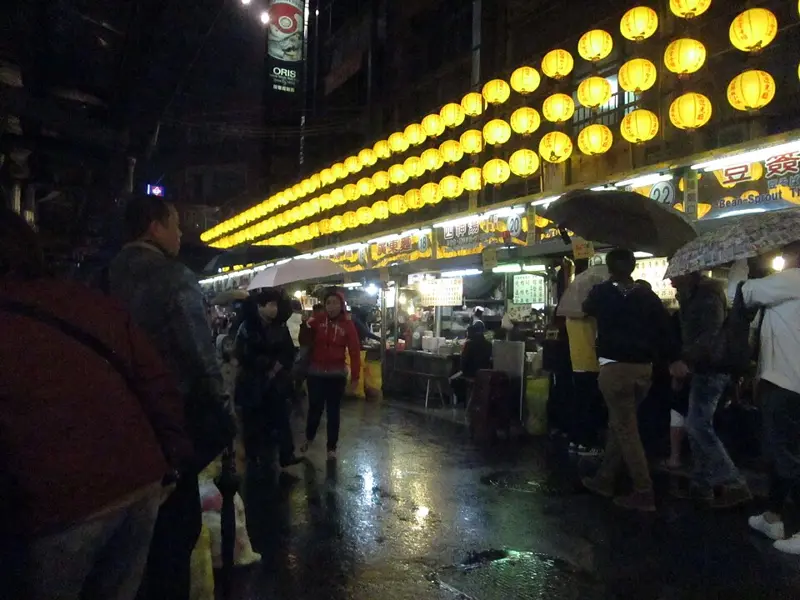
Taiwan’s street-food canon ten minutes from the gangway — crab thick soup, one-bite sausages, the "nutritious sandwich" fried to order.
See the detail →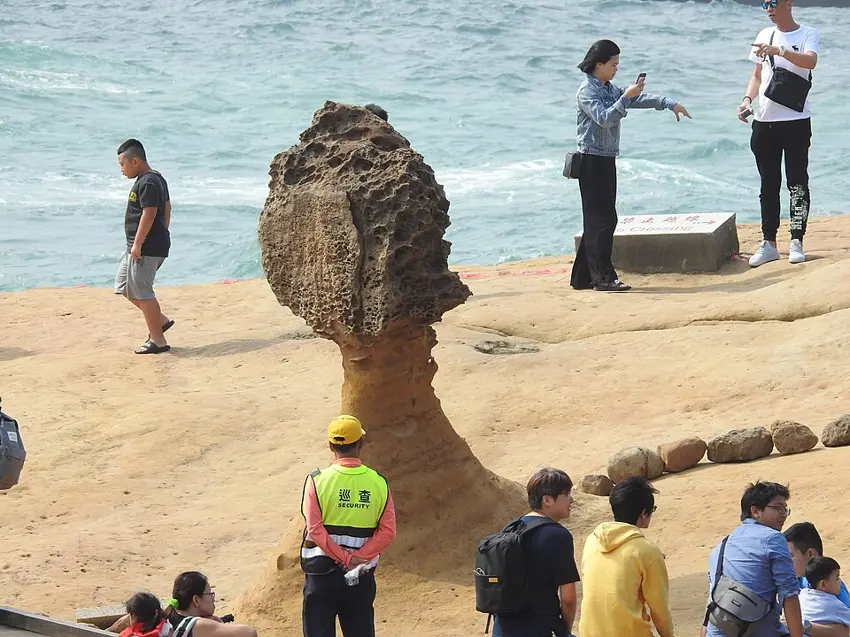 See · ~5h
The Queen’s Head and a shoreline of mushroom rocks carved by wind and sea — geology doing sculpture.
See the detail → Do · ~9h privateJiufen, Shifen’s sky lanterns on the rail tracks, and Yehliu in one clock-safe private day — the definitive Keelung call, booked by half the ship.
See the detail →No typing needed — jump straight in:
Just docked? — the gangway toolStart from your shipThe ride from every berthAsk the editorGlossary