Home / Keelung (Taipei) / Culture
Culture & history · Keelung (Taipei) 基隆A gold-rush town that emptied, then filled again because of a film
Jiufen was a mining settlement that boomed on gold under Japanese rule, collapsed when the mines closed, sat nearly empty for decades, and then became one of the most visited places in Taiwan because a Taiwanese film used it as a location in 1989 — and because a great many people are convinced, wrongly, that a Japanese animation was based on it.
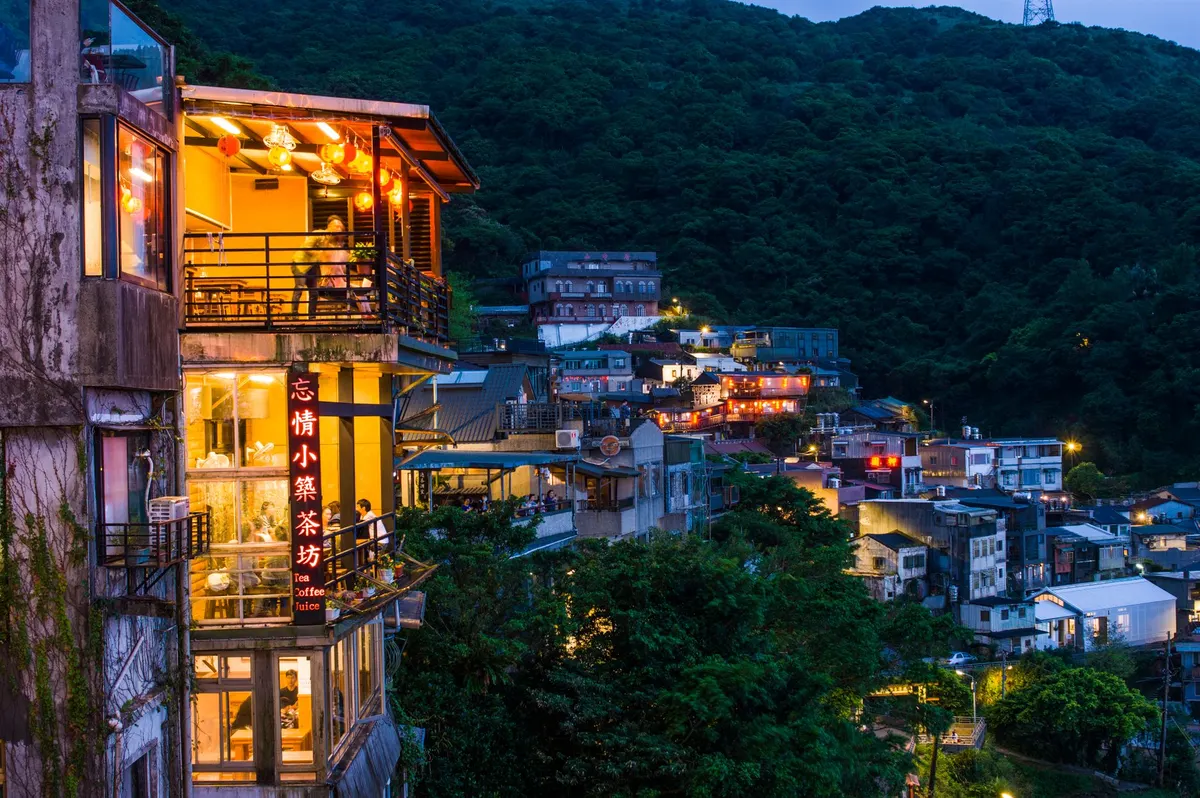
Gold was found in this district in the 1890s, and mining expanded enormously under Japanese administration. Jiufen, clinging to a steep hillside above the sea, grew into a dense town of stepped lanes, teahouses and cinemas — reportedly known for a time as "little Shanghai."
The mines closed in the 1970s. The town emptied.
In 1989, Hou Hsiao-hsien shot A City of Sadness here — a film about the aftermath of the 1947 February 28 incident, and the first Taiwanese film to win the Golden Lion at Venice. It also arrived at the moment Taiwan was able to discuss that history publicly.
Taiwanese visitors came to see the location. The teahouses reopened. Jiufen came back.
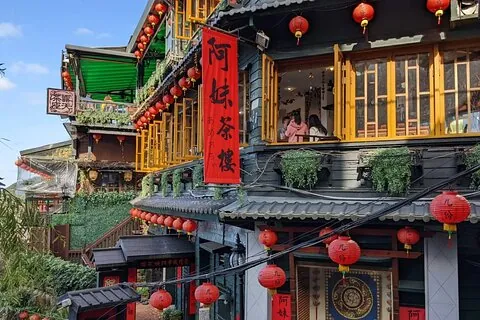
Studio Ghibli have stated that Spirited Away was not based on Jiufen. Almost nobody believes them, and the town has an entirely amiable relationship with the misunderstanding.
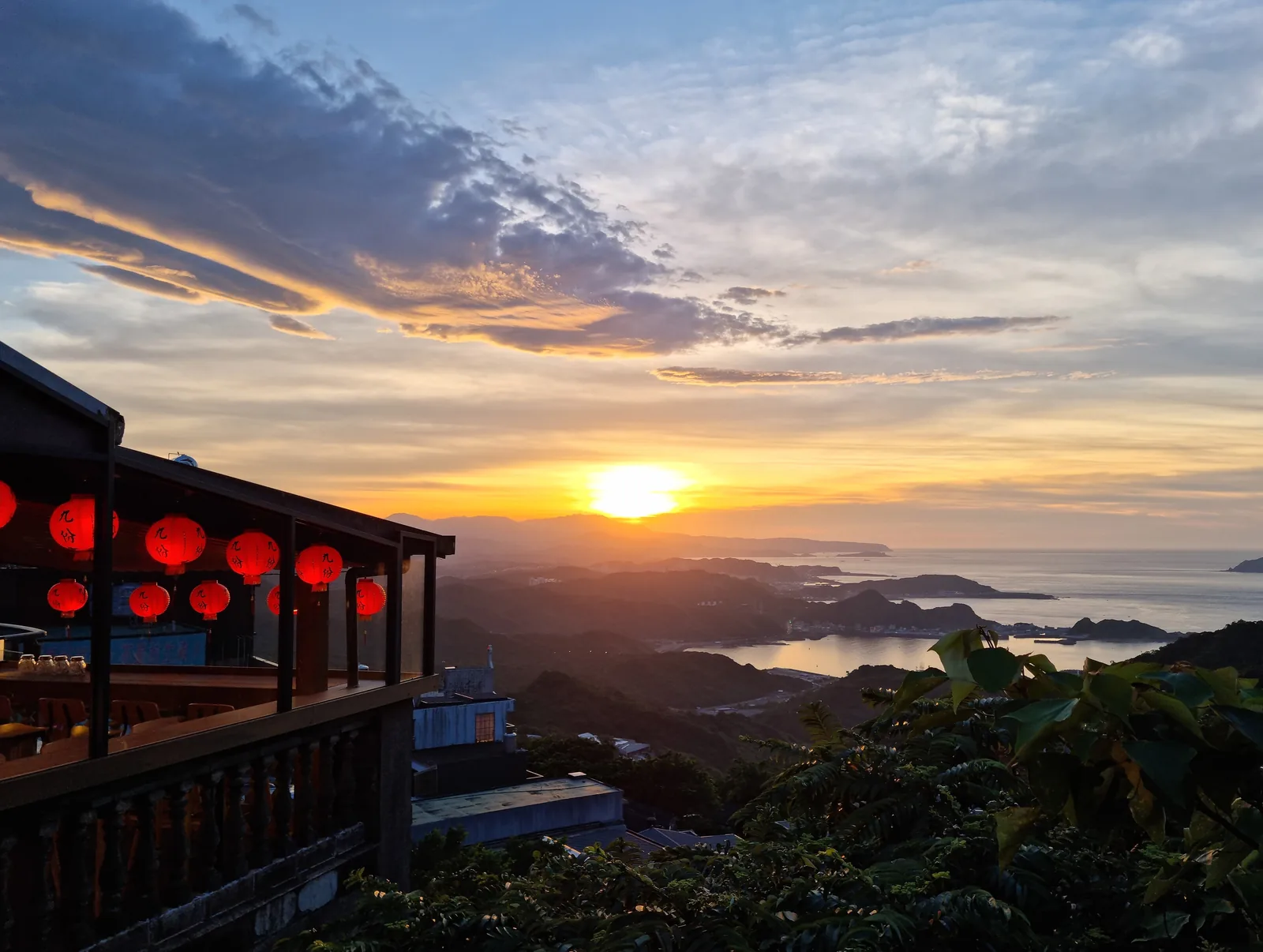
Two narrow lanes — Jishan Street, covered and lined with food stalls, and Shuqi Road, a long stone staircase with teahouses and red lanterns hanging over it. That staircase at dusk, with the lanterns lit and the sea below, is the photograph.
It is also extremely crowded. On a weekend or a public holiday the stairs move at a shuffle. Weekday mornings are markedly better, and the trade-off is that the lanterns are not lit.
Sit down in a teahouse. It costs more than you expect, you get a pot, a burner and an hour, and the view over the sea from a wooden balcony is what the place is actually for.
Shifen, in the Pingxi valley, is where visitors write wishes on paper sky lanterns and release them from the railway tracks — the trains still run through the middle of the street, slowly, several times an hour. It is touristic and it is also genuinely lovely.
Jinguashi, next to Jiufen, has the gold museum and a preserved mine, and holds the remains of a Japanese-era POW camp where Allied prisoners were worked in the mines. It is a serious place and it is very quiet.
Mining expands hugely under Japanese rule
Teahouses, cinemas, and a dense stepped town
For roughly two decades
Golden Lion at Venice; Taiwanese visitors follow
Partly on a Ghibli connection Ghibli denies
Sit down in a teahouse on Shuqi Road and pay for the hour. Standing in the crowd photographing lanterns is the lesser version.
No — Studio Ghibli have said so explicitly. The belief persists because the stepped lanes, red lanterns and hillside teahouses do resemble the film, and Jiufen has an amiable relationship with the misunderstanding. The town's real revival came from Hou Hsiao-hsien's 1989 film A City of Sadness, shot on location here.
It is about forty minutes each way on a good day and considerably longer in weekend traffic, so on a call under six hours it is a genuine gamble. On a longer call, go on a weekday morning when the stairs are walkable — accepting that the lanterns will not be lit — and sit down in a teahouse rather than only photographing them.
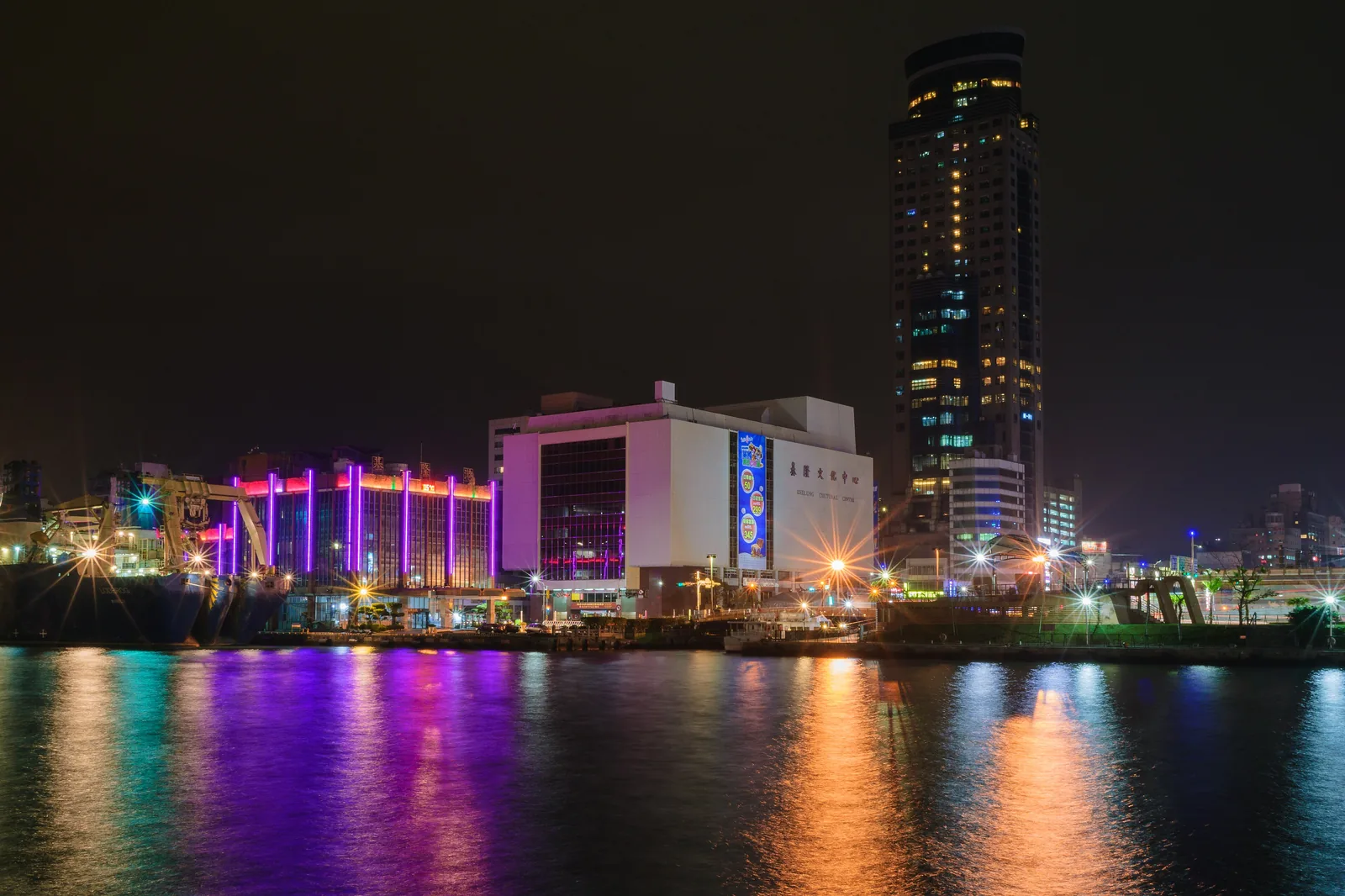
Spain, the Dutch, the Qing, France and Japan all took this harbour, and it is only a few kilometres wide
Read →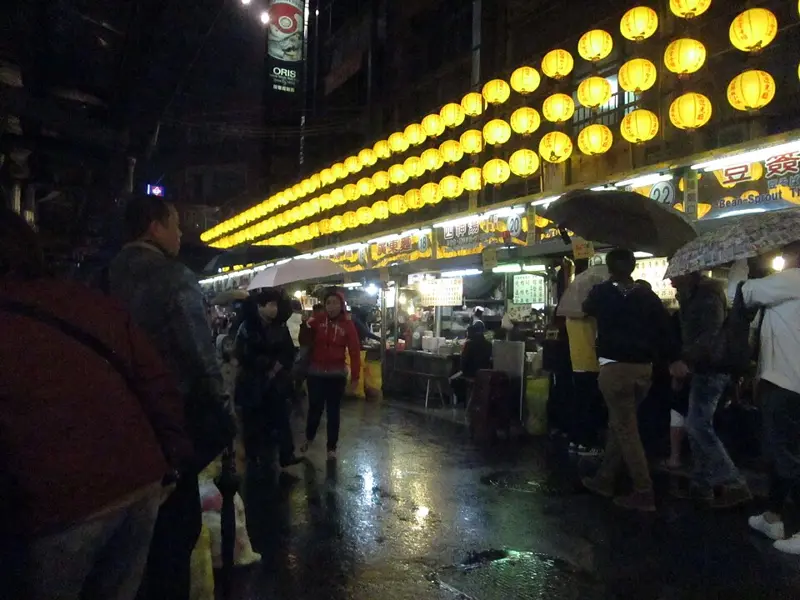
Two hundred stalls around a temple, ten minutes from your gangway
Read →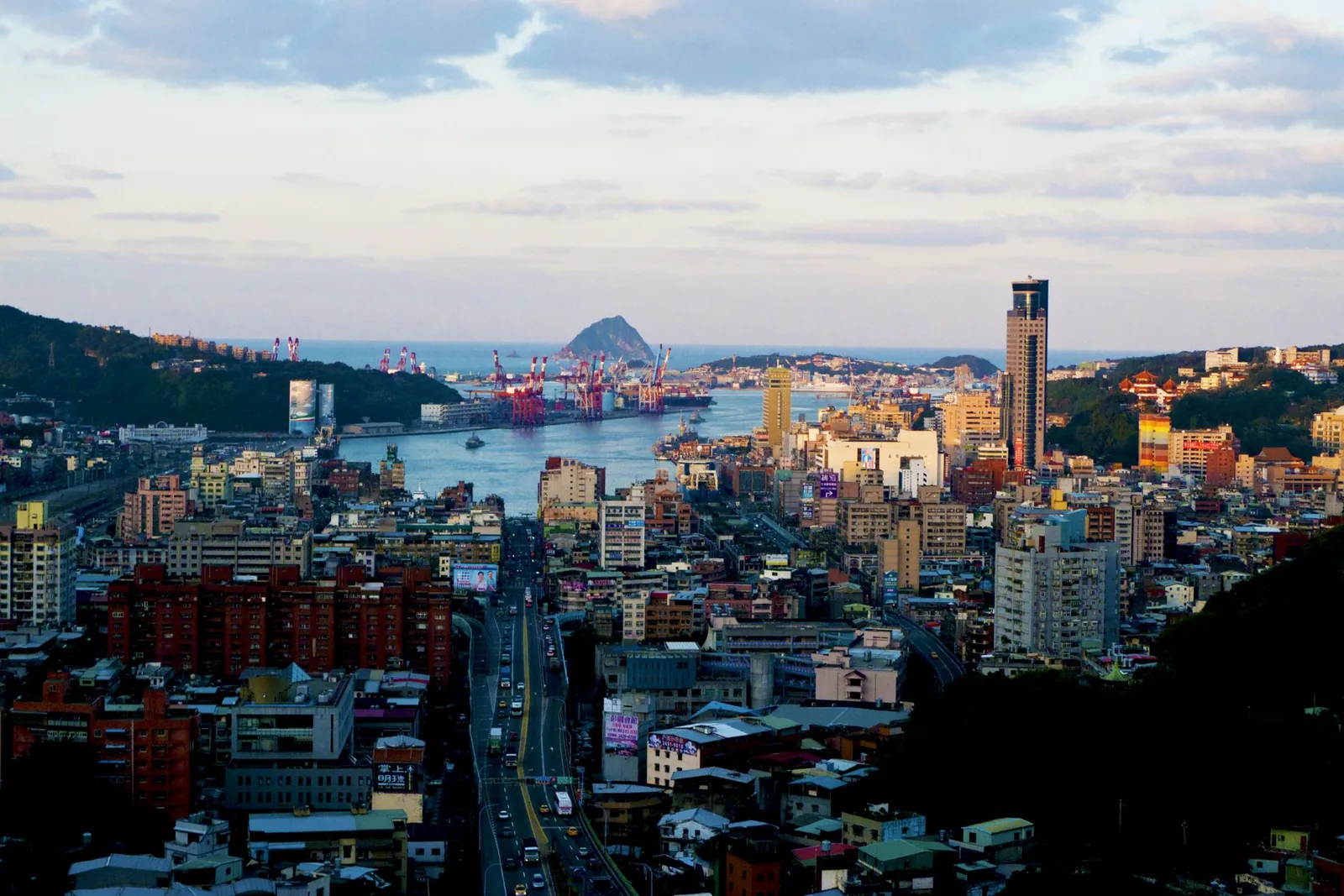
Why Taiwan feels oddly familiar if you have just come from Japan
Read →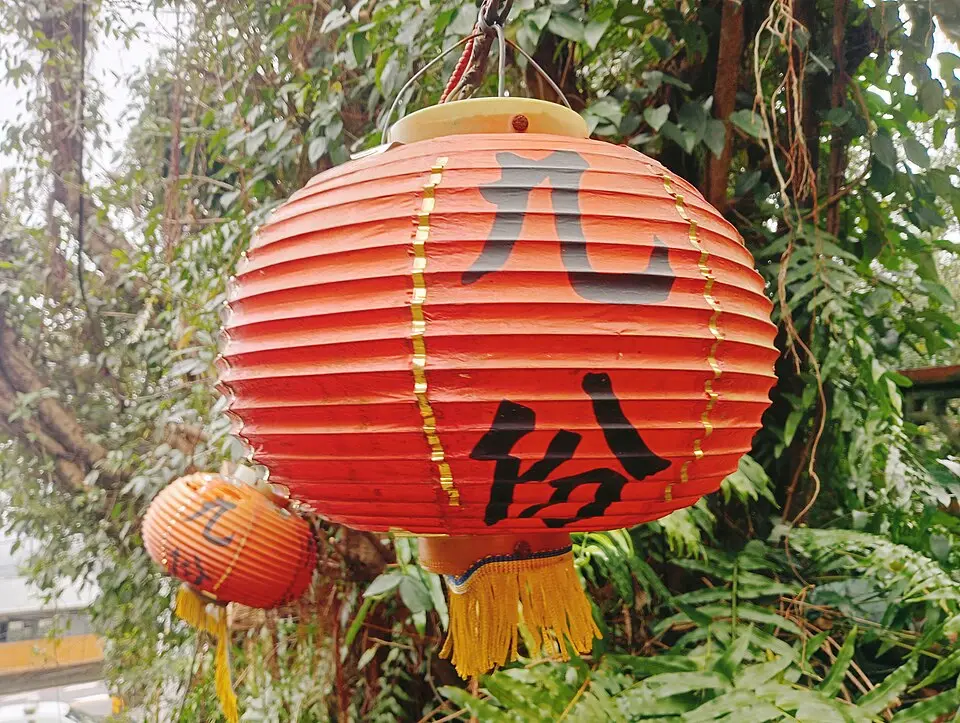
In the seventh lunar month the gates open, and Keelung has run the biggest ceremony in Taiwan since 1855
Read →No typing needed — jump straight in:
Just docked? — the gangway toolStart from your shipThe ride from every berthAsk the editorGlossary