Home / Keelung (Taipei) / Culture
Culture & history · Keelung (Taipei) 基隆Two hundred stalls around a temple, ten minutes from your gangway
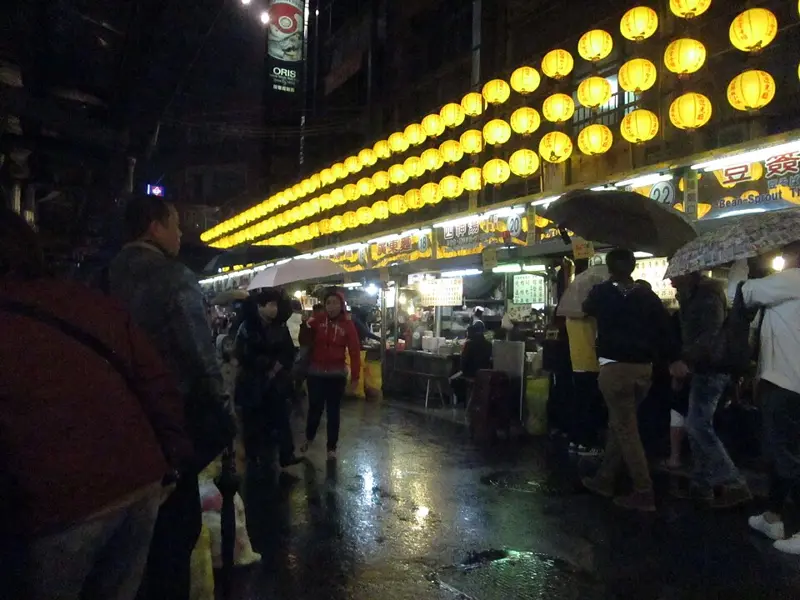
Most cruise ports make you travel for the food. Keelung docks you ten minutes' walk from one of Taiwan's most famous night markets — around two hundred stalls under matching yellow lanterns, wrapped around a temple that has been there since 1873.
Miaokou means "temple mouth" — the market grew up at the entrance to the Dianji Temple, which was built in 1873 by immigrants from Fujian. Food stalls gathered where the worshippers were, and never left.
The main lane is roofed and every stall carries an identical yellow lantern with a number on it. Locals give directions by number. It runs from late morning but comes alive after dark, and it is open essentially every day.
Ding bian cuo — the one to start with. Rice batter is poured around the hot rim of a wok, sets into sheets, is scraped off and cut into strips, then dropped into a broth of pork, squid, dried shrimp, bamboo and cabbage. It is a Fuzhou dish and it is the signature of this market.
Nutritious sandwich. The name is a joke and the sign says it in English. A deep-fried bread roll, split, filled with braised egg, ham, cucumber and a great deal of mayonnaise. It should not work.
Thick crab soup. Keelung is a fishing port and the crab and fish-paste soups here are the real local product, not a tourist item.
Tempura, which in Taiwan means something closer to fish cake than to Japanese tempura — a linguistic fossil from the Japanese period.
Take small portions from many stalls. The mistake is to sit down and order a full plate at the first place with a photograph you recognise.
Bring cash in small notes. Most stalls do not take cards and will not love a large bill.
The market is a ten-minute walk from the cruise berths, is fully covered along the main lane, and works in rain — which matters, because Keelung is among the wettest cities in Taiwan.
And it works at lunchtime. Many cruise calls here are daytime only, and enough stalls open from late morning that you do not need the night market to be at night.
By immigrants from Fujian
Hence the name, Miaokou
Locals give directions by stall number
Ding bian cuo first, then a nutritious sandwich, then crab soup. Small portions, many stalls, cash in small notes.
About ten minutes on foot — the ships berth in the middle of town. The main lane is covered, which matters in Keelung, and enough stalls open from late morning that a daytime call still works.
Ding bian cuo — rice batter set on a hot wok rim, scraped into strips and dropped into a seafood-and-pork broth — is the market's signature. Then the deep-fried "nutritious sandwich," thick crab soup, and tianbula fish cake. Take small portions from many stalls and bring cash in small notes.
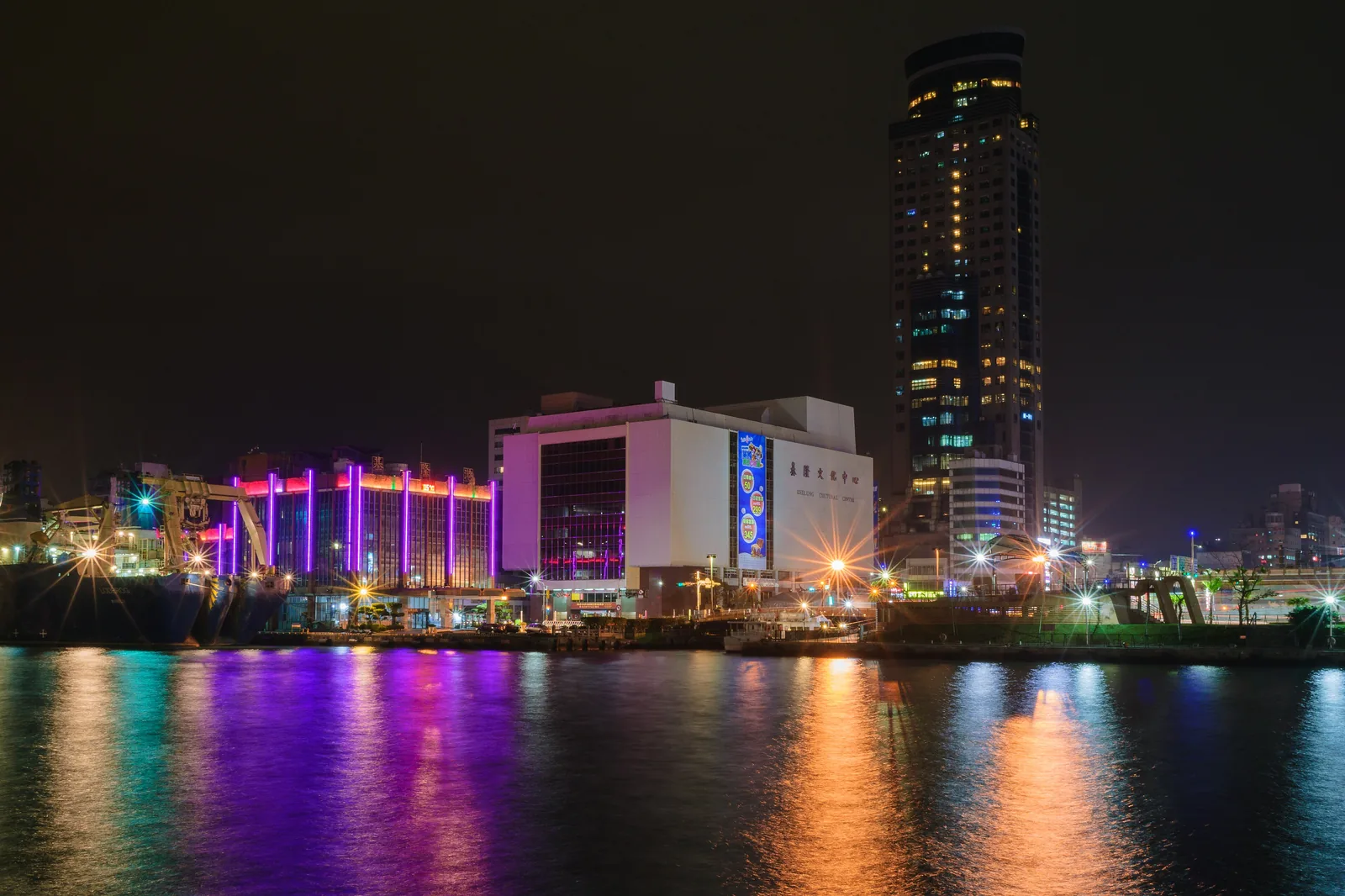
Spain, the Dutch, the Qing, France and Japan all took this harbour, and it is only a few kilometres wide
Read →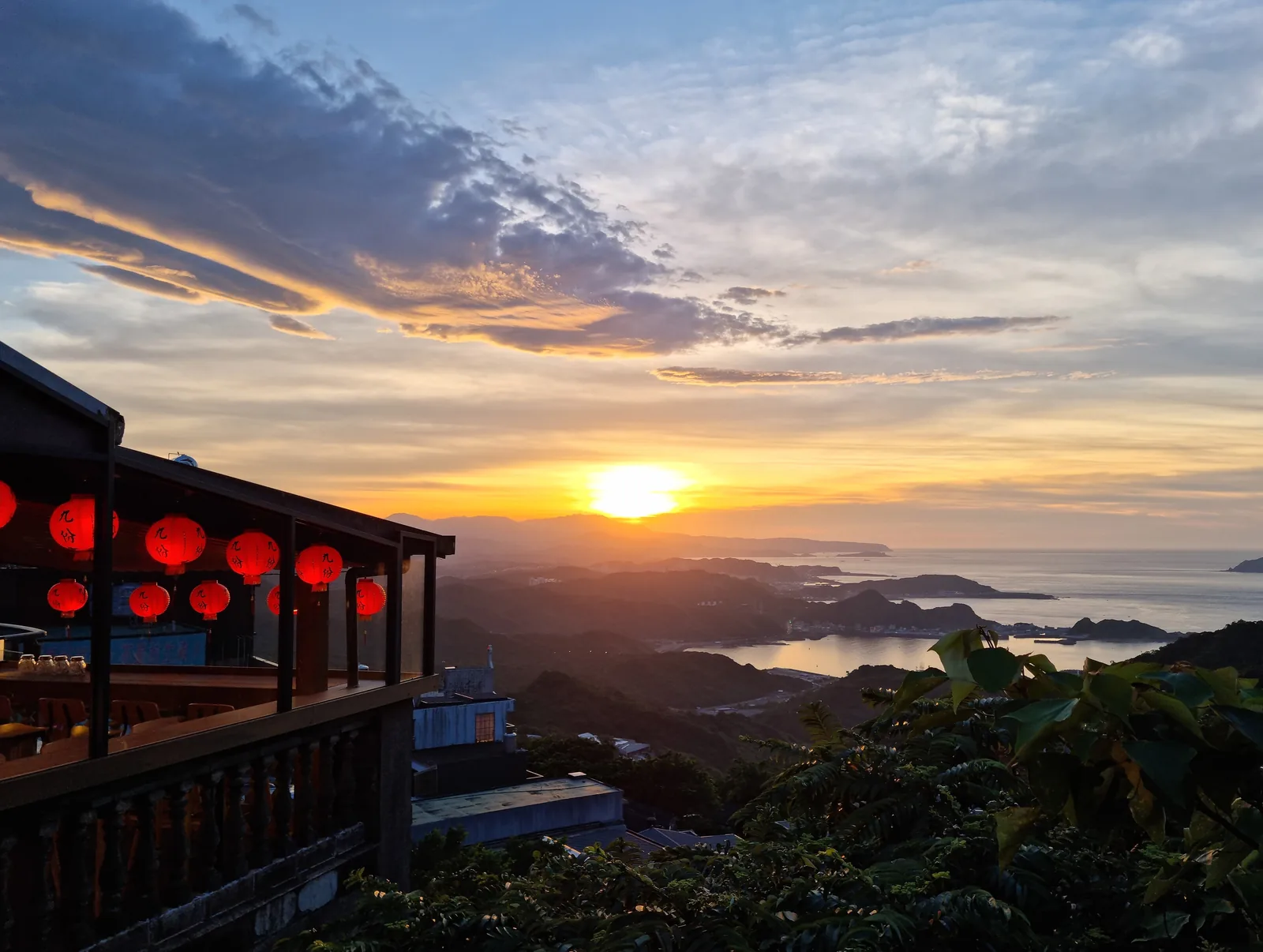
A gold-rush town that emptied, then filled again because of a film
Read →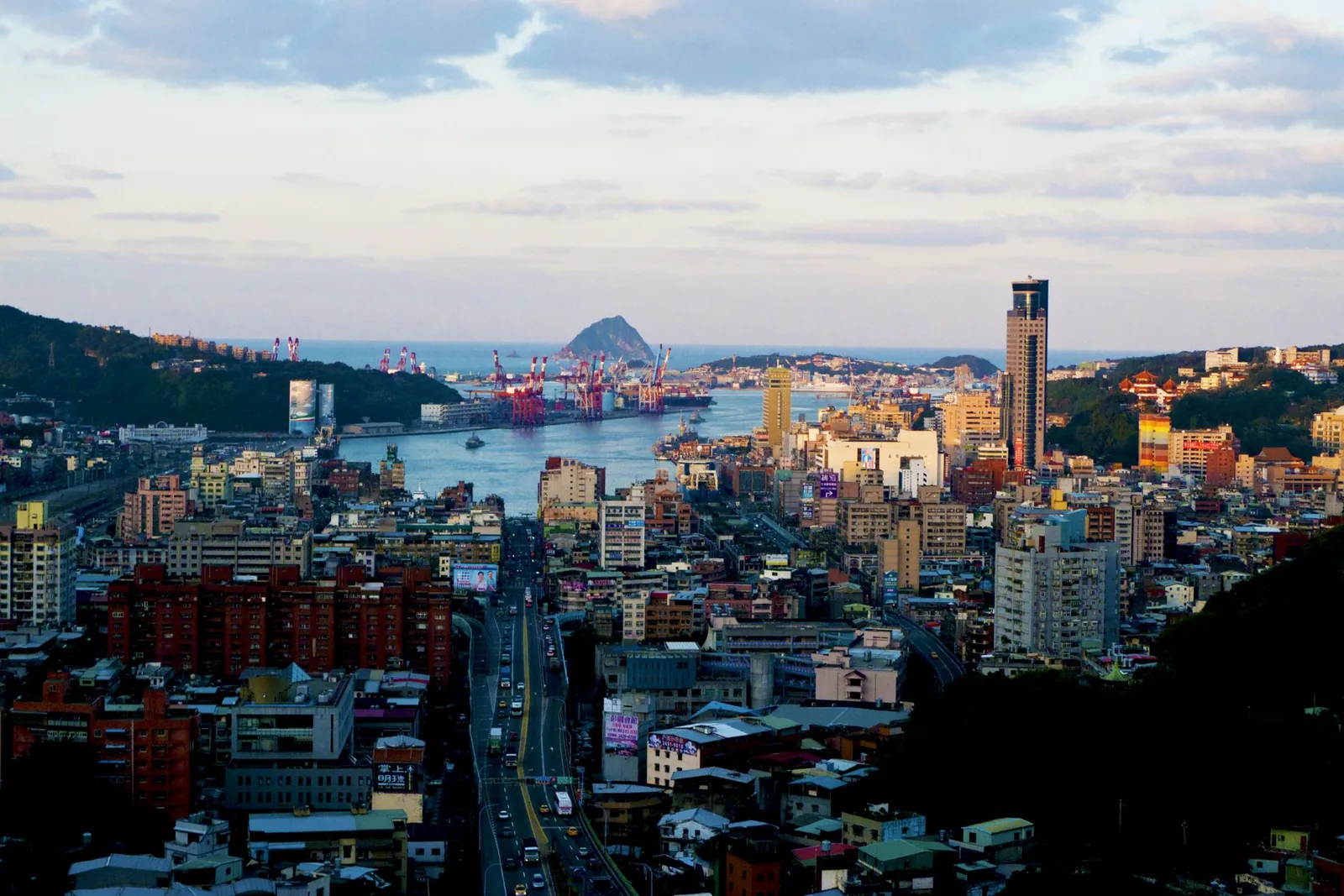
Why Taiwan feels oddly familiar if you have just come from Japan
Read →
In the seventh lunar month the gates open, and Keelung has run the biggest ceremony in Taiwan since 1855
Read →No typing needed — jump straight in:
Just docked? — the gangway toolStart from your shipThe ride from every berthAsk the editorGlossary