Home / Keelung (Taipei) / Culture
Culture & history · Keelung (Taipei) 基隆Why Taiwan feels oddly familiar if you have just come from Japan
If your ship came here from Japan, you will notice things: the railway, the loanwords, the fish cake called tempura, the way the older generation of Taiwanese sometimes greets a Japanese visitor. Taiwan was Japanese territory from 1895 to 1945, and the relationship it left is more complicated and more affectionate than anywhere else Japan occupied.
Taiwan was ceded to Japan in 1895 at the end of the first Sino-Japanese War, and held until Japan's surrender in 1945 — fifty years, and the whole of Japan's colonial period on the island.
Japan invested heavily and deliberately: a north-south railway, harbours including this one, sugar and camphor industries, sanitation systems that ended the malaria and plague that had made the island notorious, and a school system that produced very high literacy by the 1940s.
None of this was philanthropy. It was extraction infrastructure, and the political system was colonial — Taiwanese people were governed, not represented. In the later years the kominka assimilation campaign pushed Japanese names, Japanese language and Shinto observance, and around 200,000 Taiwanese served in the Japanese military.
The comparison that matters is not with Japan. It is with the Kuomintang administration that followed in 1945, and with the 1947 crackdown and the four decades of martial law that came after it.
In Korea and China the Japanese period is remembered with straightforward bitterness. In Taiwan it is remembered comparatively — and the comparison is with what came next.
The February 28 incident of 1947 and the White Terror that followed killed and imprisoned very large numbers of Taiwanese, including much of the Japanese-educated elite, and martial law lasted until 1987. A generation who had grown up under Japanese rule found the successor government worse.
That is the specific historical reason Japanese visitors are often received with unusual warmth here. It is not amnesia and it is not approval of colonialism. It is a comparative judgement, made by people who lived through both.
Taiwanese has absorbed a lot of Japanese: o-ba-sang, o-ji-sang, tatami, bento, o-den. The night market's tianbula is the word "tempura" attached to a fish cake. Older people in their eighties and above may speak fluent Japanese and may be visibly pleased to use it.
Japanese food is everywhere and is not treated as foreign. Japanese tourism to Taiwan and Taiwanese tourism to Japan are both enormous. And when the Tohoku earthquake struck in 2011, Taiwan's donations were among the largest in the world — a fact Japanese people know and mention.
At the end of the first Sino-Japanese War
Colonial infrastructure, colonial politics
Japanese names, language and Shinto observance
And the comparison begins
Followed by four decades of martial law
Among the largest in the world
Notice the loanwords in the night market. Tianbula is "tempura," and it is a fifty-year history in one word.
Fifty years, from 1895 to 1945. Japan built the north-south railway, modern harbours including Keelung, sanitation systems and a school system, while governing the island as a colony without political representation for Taiwanese people, and pushing assimilation through the kominka campaign from the late 1930s.
Largely because of what followed. The February 28 incident of 1947 and four decades of martial law under the Kuomintang killed and imprisoned very large numbers of Taiwanese, including much of the Japanese-educated elite. A generation that lived through both made a comparative judgement — which is not amnesia or approval of colonialism, and views still vary sharply by family and politics.
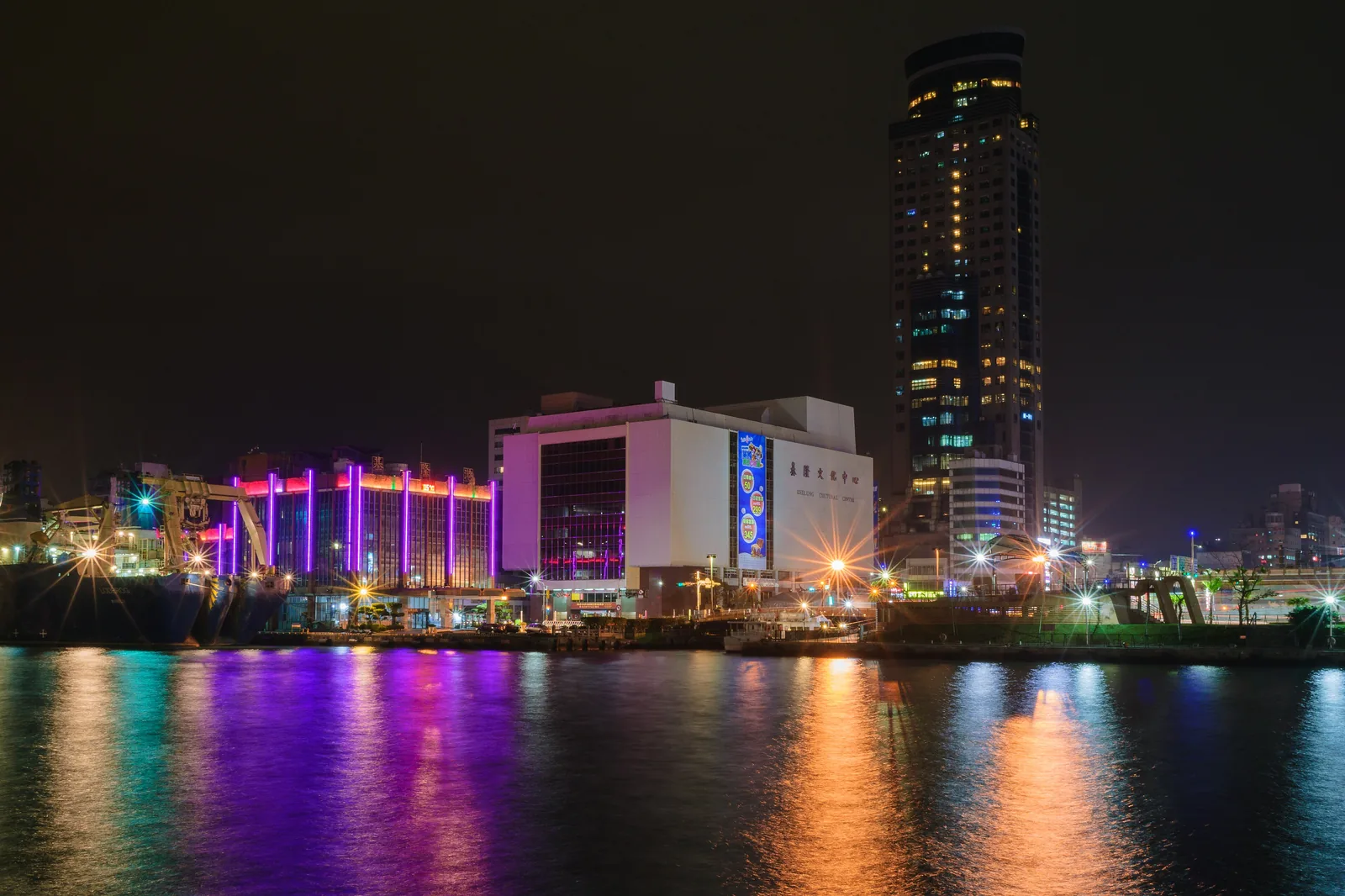
Spain, the Dutch, the Qing, France and Japan all took this harbour, and it is only a few kilometres wide
Read →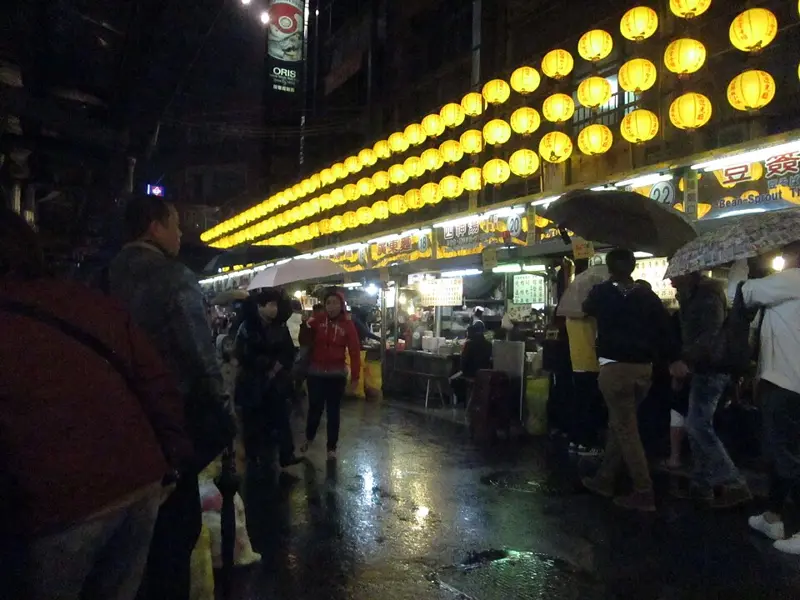
Two hundred stalls around a temple, ten minutes from your gangway
Read →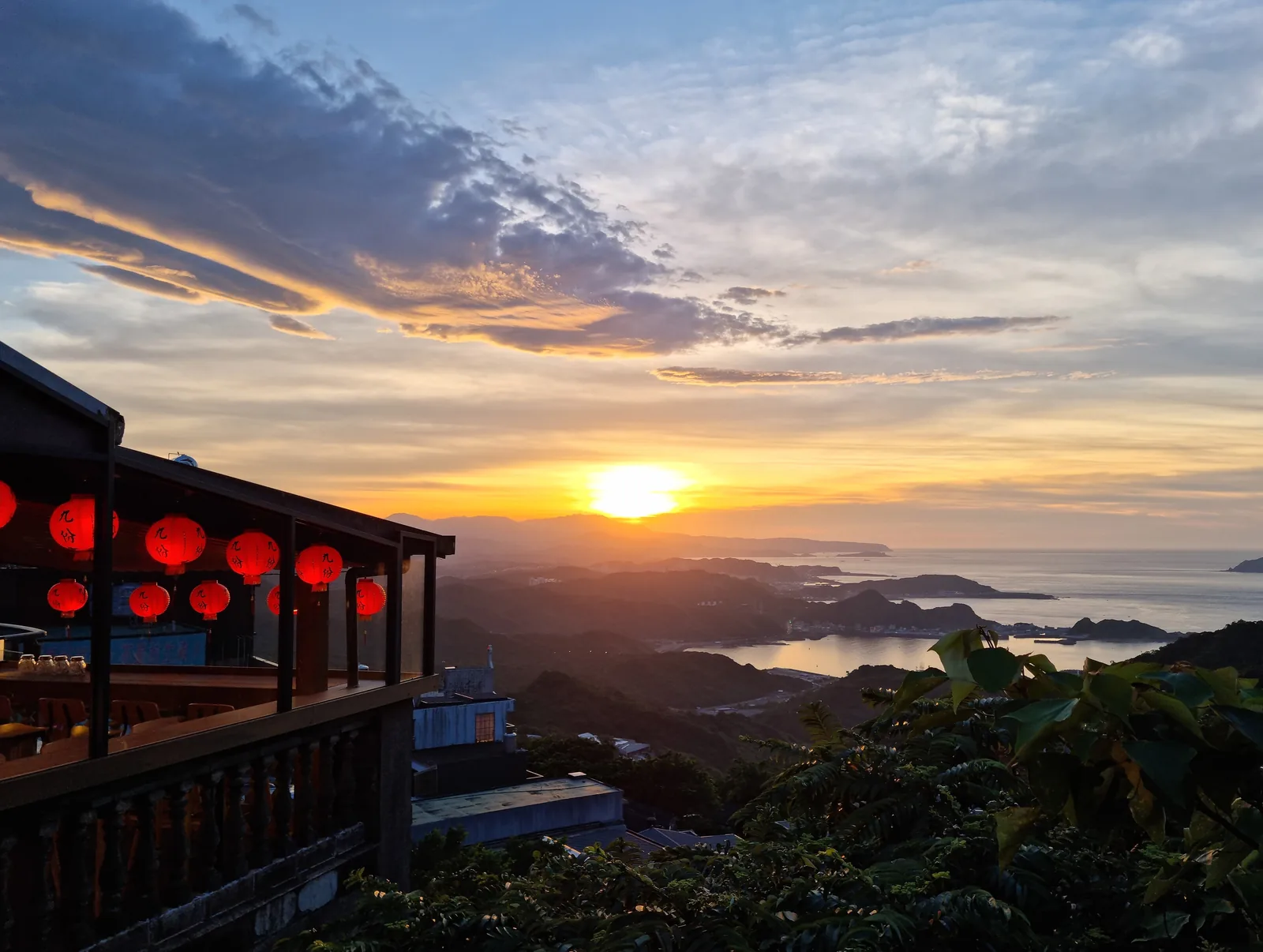
A gold-rush town that emptied, then filled again because of a film
Read →
In the seventh lunar month the gates open, and Keelung has run the biggest ceremony in Taiwan since 1855
Read →No typing needed — jump straight in:
Just docked? — the gangway toolStart from your shipThe ride from every berthAsk the editorGlossary