Home / Keelung (Taipei) / Culture
Culture & history · Keelung (Taipei) 基隆Spain, the Dutch, the Qing, France and Japan all took this harbour, and it is only a few kilometres wide
Keelung is a deep natural harbour at the northern tip of Taiwan, facing the shipping lanes to Japan and the Chinese coast. Between 1626 and 1945 it was taken by the Spanish, the Dutch, the Qing, the French and the Japanese — and each of them left something you can still see.
In 1626, Spanish forces from Manila landed here and built Fort San Salvador on what is now Heping Island, to counter the Dutch, who had taken the south of Taiwan two years earlier. They held it for sixteen years.
In 1642 the Dutch drove them out. The Dutch were themselves expelled from Taiwan in 1662, and the island came under Qing administration.
During the Sino-French War of 1884–85, France attacked and occupied Keelung. It was a bad campaign: the French took the town but could not break inland, and were worn down by cholera and typhoid more than by fighting.
A French cemetery in the city holds around 700 of them. It is quiet, small, tended, and almost nobody visits it — which makes it one of the more affecting things in this port.
Taiwan was ceded to Japan in 1895 and held until 1945. Keelung became the island's main gateway to Japan — the port where the boats from Kobe and Moji arrived — and the Japanese rebuilt it accordingly, with a modern harbour, railway connections and public buildings.
A great deal of what makes Keelung legible to a Japanese visitor — the street grid, the railway, some of the architecture, and a shared vocabulary of port infrastructure — is from those fifty years.
Because it was Japan's military port, Keelung was heavily bombed by American aircraft in 1944–45 and much of it was destroyed. The city that rebuilt afterwards is dense, hilly, humid and unglamorous, and it is not trying to charm you.
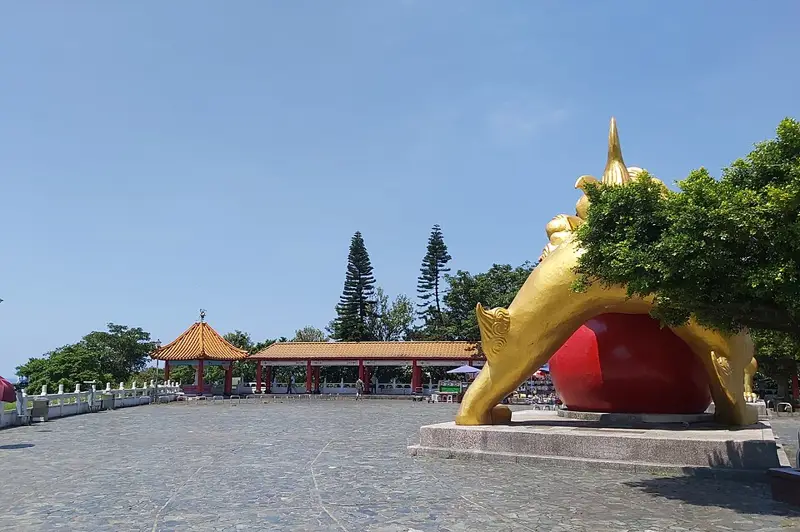
The Ershawan Fort above the harbour, rebuilt in the 1840s and defended against the French, still has its gate and gun emplacements and a view down onto the cruise berths. Zhongzheng Park, on the hillside, is topped by a 22-metre statue of Guanyin and looks straight down at your ship.
And Zhengbin Fishing Harbour — the old Japanese-era port basin — now has a row of buildings painted in flat blocks of colour along the waterfront. It is a recent regeneration, it photographs extremely well, and it is a fifteen-minute taxi away.
On what is now Heping Island
And are themselves expelled in 1662
And loses ~700 men, mostly to disease
Keelung becomes the gateway to Japan for fifty years
Much of the city is destroyed
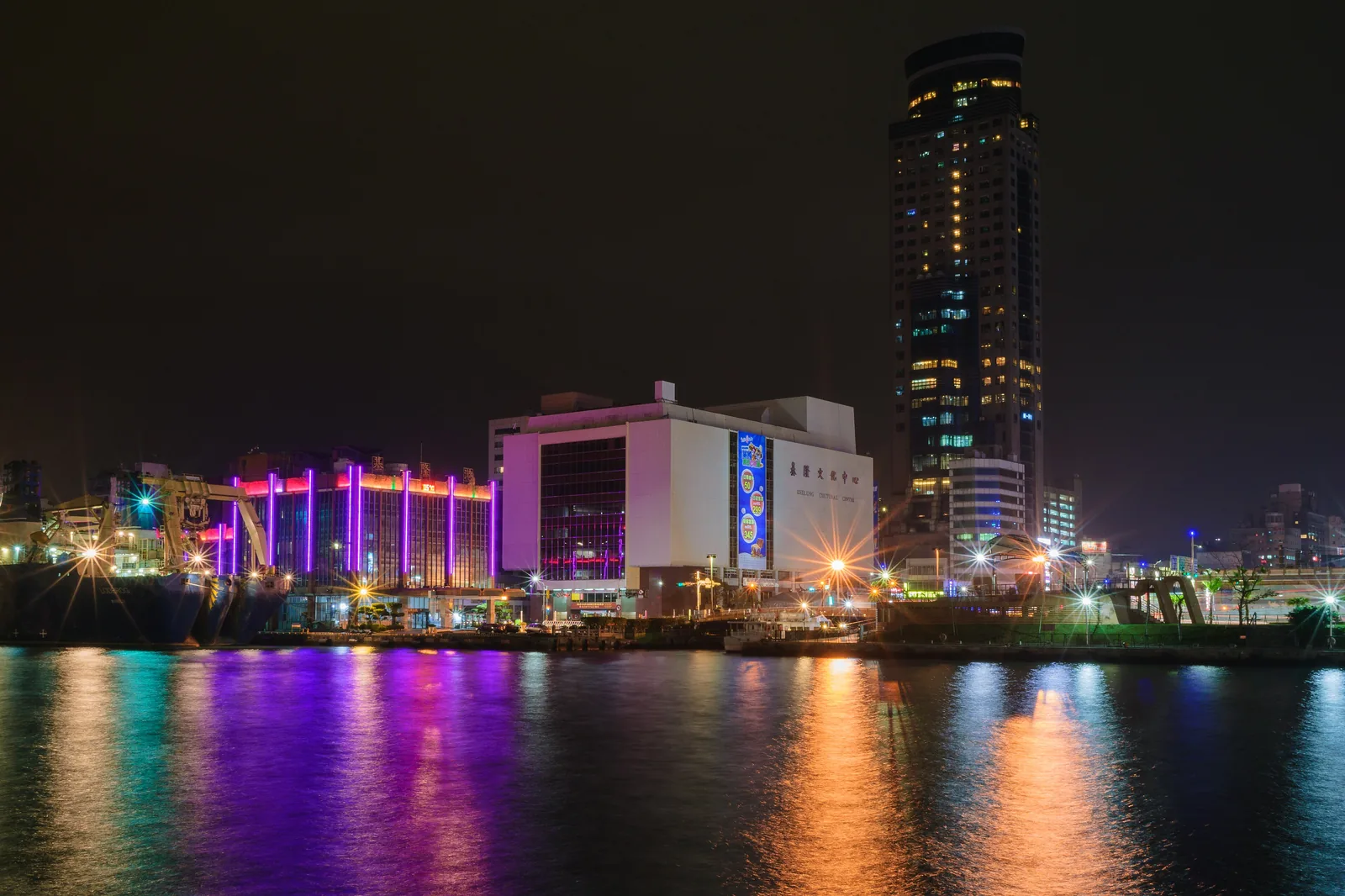
With your ship berthed in the middle of town
Walk up to Ershawan Fort and look down at your own ship. Every power that took this harbour wanted that view.
It is a deep natural harbour at the northern tip of Taiwan, facing the shipping lanes to Japan and the Chinese coast. Spain built a fort here in 1626, the Dutch took it in 1642, France occupied it during the 1884–85 Sino-French War, and Japan held it from 1895 to 1945 as the island's gateway port.
Ershawan Fort above the harbour, with gun emplacements and a view down onto the cruise berths; the French cemetery holding around 700 soldiers from the 1884–85 campaign; and Zhengbin Fishing Harbour, the Japanese-era basin now lined with brightly painted houses, about fifteen minutes away by taxi.
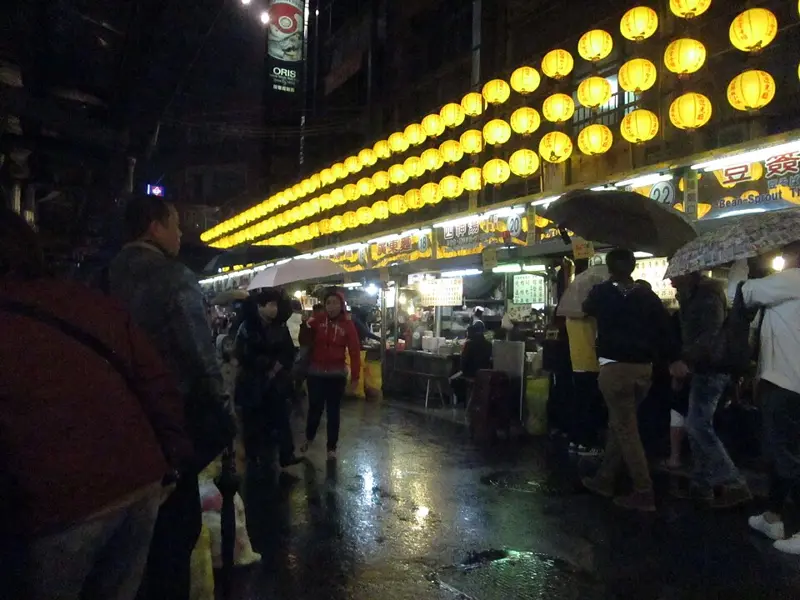
Two hundred stalls around a temple, ten minutes from your gangway
Read →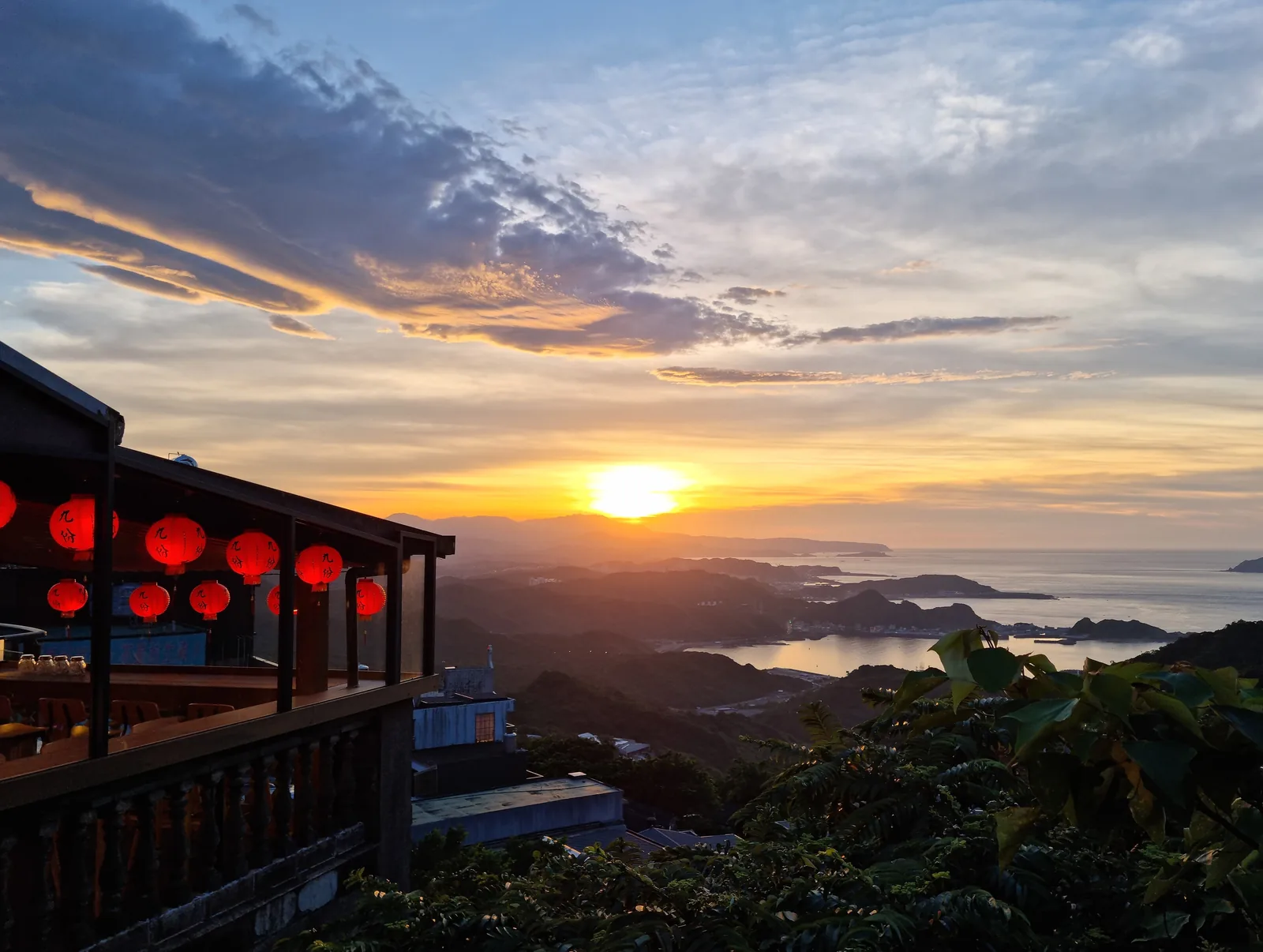
A gold-rush town that emptied, then filled again because of a film
Read →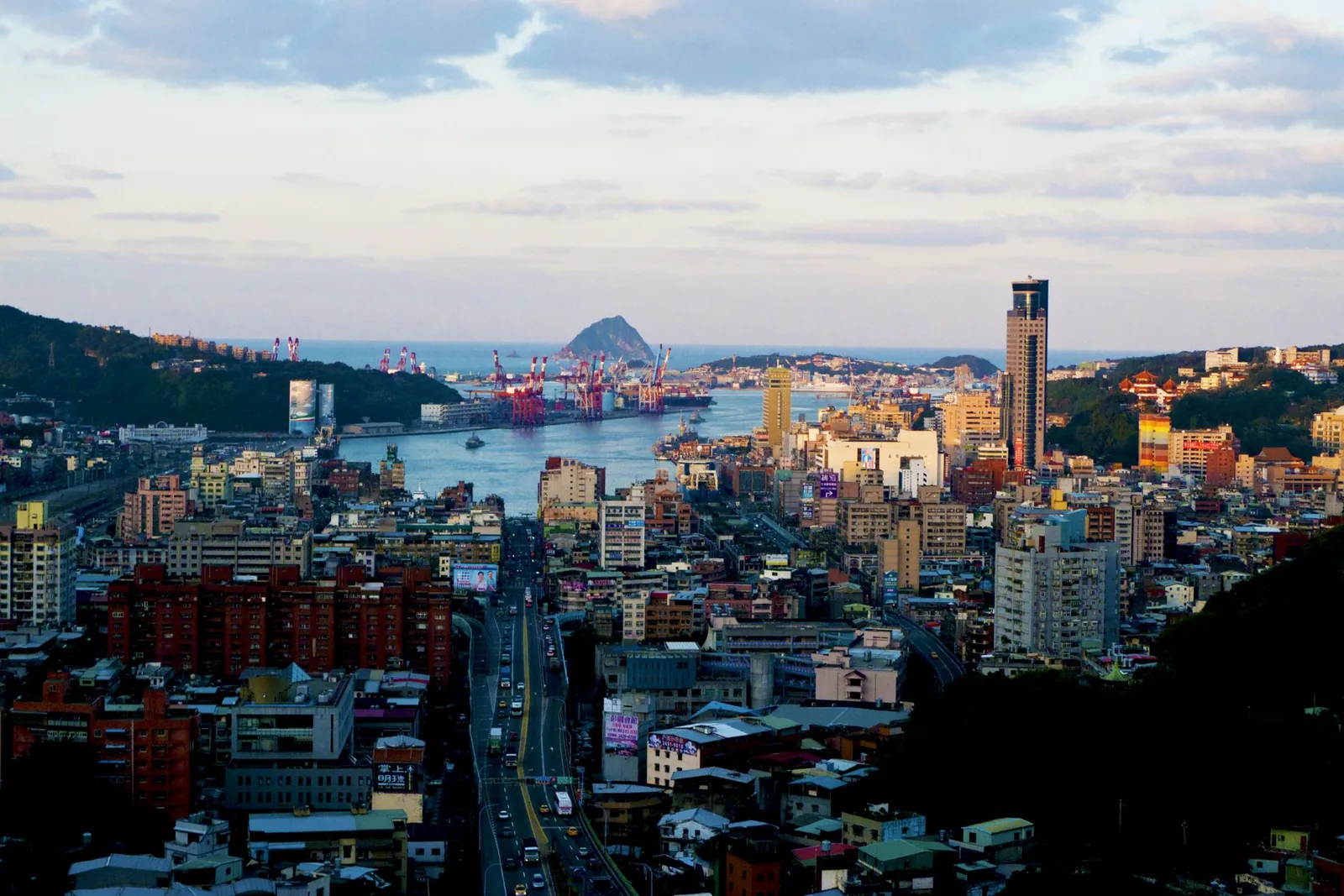
Why Taiwan feels oddly familiar if you have just come from Japan
Read →
In the seventh lunar month the gates open, and Keelung has run the biggest ceremony in Taiwan since 1855
Read →No typing needed — jump straight in:
Just docked? — the gangway toolStart from your shipThe ride from every berthAsk the editorGlossary