PORT OF JAPAN
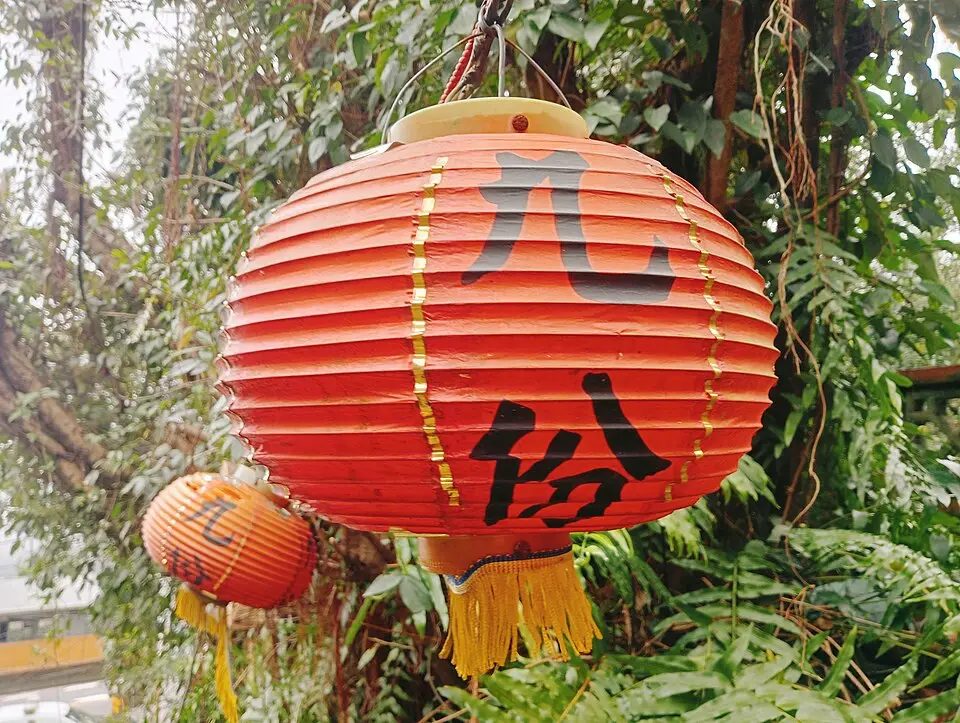
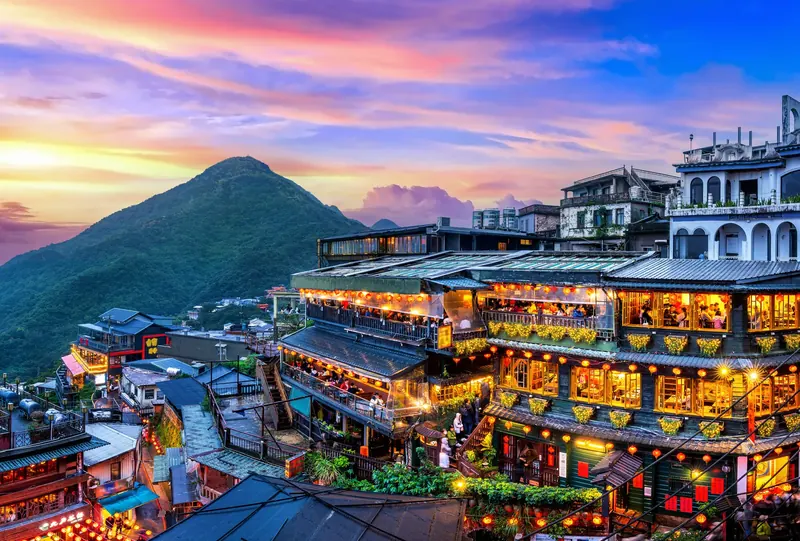
Red lanterns glowing over the lanes of Jiufen near Keelung

Home / Ports / Keelung (Taipei) / Culture

Culture & history · Keelung (Taipei)

Why Keelung (Taipei) is Keelung (Taipei)

The things that happened here and only here, told properly, then tied to what you can see, taste and book while your ship waits.

Photo: Adobe Stock / Licensed

Checked against official sources · updated · Takumi Yamada

What Keelung (Taipei) is

Keelung (Taipei) in 5 stories

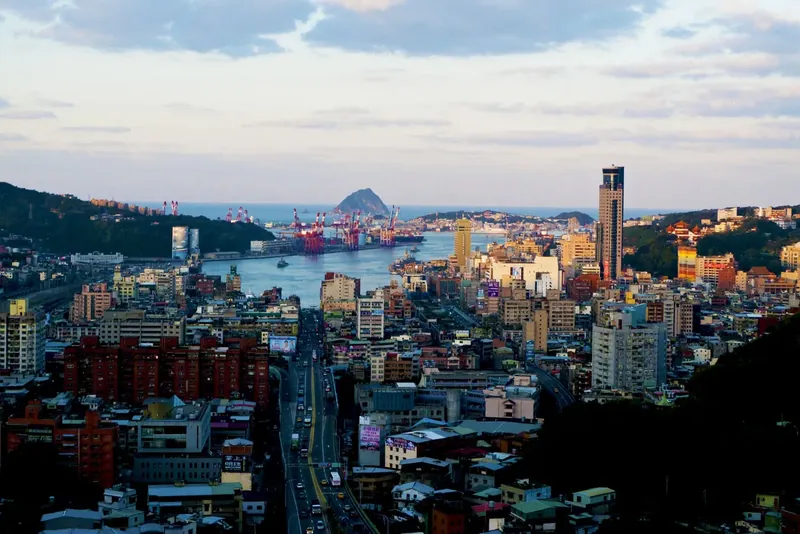
Keelung is a deep natural harbour at the northern tip of Taiwan, taken in turn by the Spanish, the Dutch, the Qing, the French and the Japanese. People come for Jiufen, a former gold-mining town of lantern-hung lanes on the hillside 14 km up the coast, and for Taipei, under an hour away by train. Your ship docks downtown, about 5–15 minutes on foot from Miaokou, 200 food stalls under yellow lanterns around a temple from the 1870s.

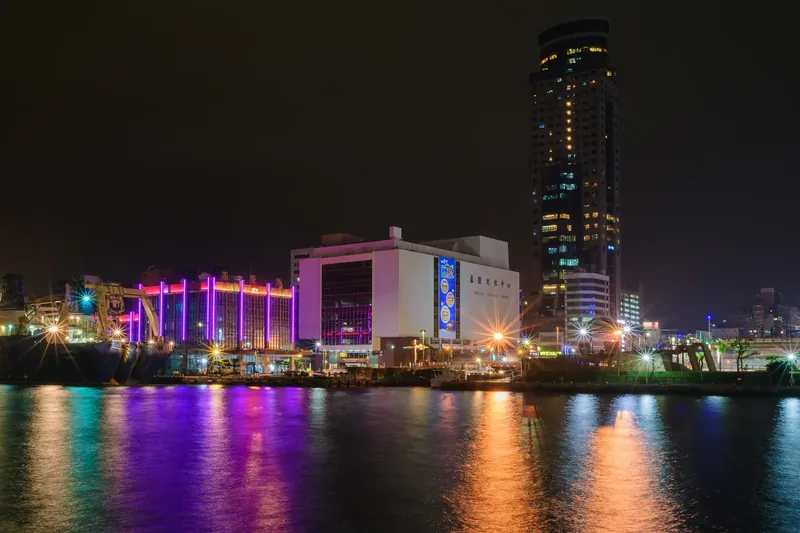
Keelung harbour at night, Taiwan
01 · The history

Everyone wanted Keelung

Keelung is a deep natural harbour at the northern tip of Taiwan, facing the shipping lanes to Japan and the Chinese coast. Between 1626 and 1945 it was taken by the Spanish, the Dutch, the Qing, the French and the Japanese — and each of them left something you can still see.

Read the story
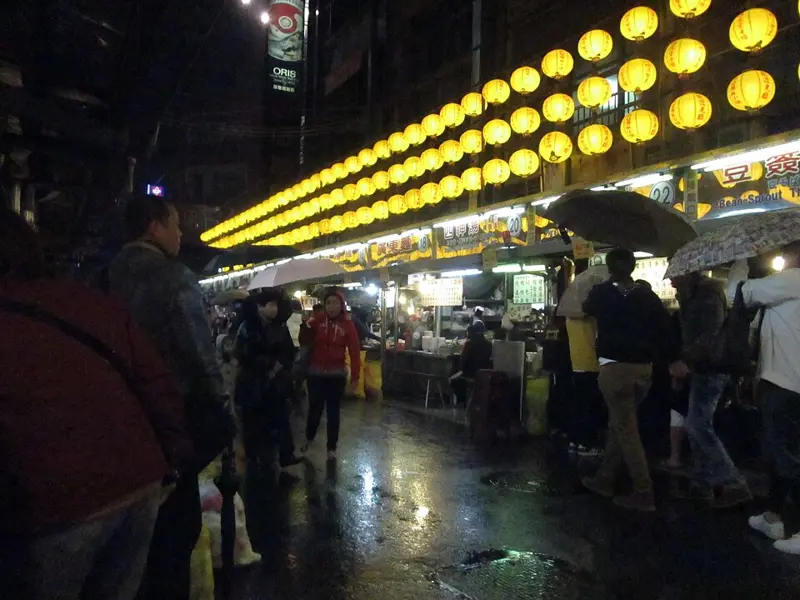
Stalls lit by yellow lanterns at Miaokou Night Market, Keelung
02 · The night market

Miaokou

Most cruise ports make you travel for the food. Keelung docks you ten minutes' walk from one of Taiwan's most famous night markets — around two hundred stalls under matching yellow lanterns, wrapped around a temple that has been there since the 1870s.

Read the story
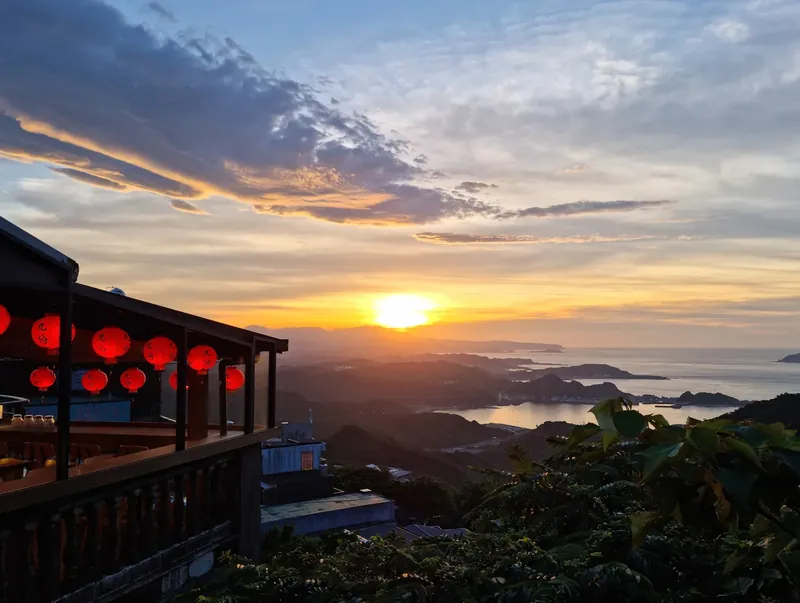
Red lanterns above the stepped lanes of Jiufen at sunset
03 · The mountain

Jiufen

Jiufen was a mining settlement that boomed on gold under Japanese rule, collapsed when the mines closed, sat nearly empty for decades, and then became one of the most visited places in Taiwan because a Taiwanese film used it as a location in 1989 — and because a great many people are convinced, wrongly, that a Japanese animation was based on it.

Read the story
Keelung city and harbour, Taiwan
04 · The overlap

Fifty years

If your ship came here from Japan, you will notice things: the railway, the loanwords, the fish cake called tempura, the way the older generation of Taiwanese sometimes greets a Japanese visitor. Taiwan was Japanese territory from 1895 to 1945, and the relationship it left is more complicated and more affectionate than anywhere else Japan occupied.

Read the story
A red lantern in Jiufen, near Keelung
05 · The festival

Ghost month

For one lunar month a year the dead are held to be released into the world of the living. All of Taiwan observes it. Keelung's version is the largest and the oldest of its kind on the island, and it began as a peace treaty between two groups of immigrants who had been killing each other.

Read the story
The year in Keelung (Taipei)

When to come, and what you'll find

Cruise seasons run spring to autumn, but the port changes underneath them.

Jan–FebCool, damp, and quiet

Around 15–19°C. Chinese New Year fills the temples and empties the offices.

MarchWarming, still wet

Keelung is among Taiwan's wettest cities. Bring the umbrella regardless.

AprilPleasant, before the humidity

The best month for Jiufen — walkable stairs and reasonable crowds.

MayWarm and green

Comfortable, with the rains building toward summer.

June–AugustHot, humid, and typhoon season

Ships do reroute. Miaokou is covered and works regardless.

Aug–SepGhost month

The seventh lunar month. Keelung's Zhongyuan festival is the largest in Taiwan.

OctoberThe best month

Warm, drier, and the peak of the cruise season here.

Nov–DecCooling and wet again

The north-east monsoon arrives. Night markets are unaffected.

Read the culture, then plan the clock: the Keelung (Taipei) day plans and the Top 10 turn all of this into a day that ends at the gangway with an hour to spare.