Home / Keelung (Taipei) / Culture
Culture & history · Keelung (Taipei) 基隆In the seventh lunar month the gates open, and Keelung has run the biggest ceremony in Taiwan since 1855
For one lunar month a year the dead are held to be released into the world of the living. All of Taiwan observes it. Keelung's version is the largest and the oldest of its kind on the island, and it began as a peace treaty between two groups of immigrants who had been killing each other.
The seventh lunar month — usually falling in August or September — is ghost month. The gates of the underworld are held to open on the first day and close on the last, and in between the dead move among the living.
Practically, this means offerings of food and paper money set outside shops and homes, incense, and a list of things people avoid: swimming, weddings, moving house, starting a business, buying a car, hanging washing out at night.
In the mid-nineteenth century, immigrant communities from Zhangzhou and Quanzhou in Fujian fought repeatedly and violently over land and water in northern Taiwan. In 1855, after a particularly bad round of killing, community leaders agreed to stop.
The settlement was this: instead of fighting, the two sides would compete annually over who could put on the better Zhongyuan ceremony for the dead of both communities. Eleven surname clans took turns hosting, in a fixed rotation that still runs.
A festival explicitly created as an alternative to violence, in 1855, still operating on the same rotation. That is the reason this one is different from every other ghost month observance in Taiwan.
On the twelfth day of the month, lanterns are lit at the Zhupu Altar to open the way. On the fourteenth, the main event: a parade of illuminated floats through the city, ending at Wanghai Alley beach, where large paper water lantern houses — elaborate model buildings, one per clan — are carried into the sea and set alight.
They are burned so that they light the way for the spirits of those who drowned. How far each house floats before it burns is read as a sign for the clan that made it.
At the end of the month the gates close, and a final ceremony sends the dead back.
Cruise calls to Keelung in August and September can coincide, and if yours does, the city is worth the whole day. The festival is designated a national cultural asset and the water lantern night is one of the most photographed events in Taiwan.
If it does not, the Keelung Midsummer Ghost Festival Museum in Zhongzheng Park explains the whole thing year round, and the lantern houses are displayed there.
Repeated, lethal conflict in northern Taiwan
Eleven surname clans agree a hosting rotation
Offerings, incense, and a list of things not done
To light the way for those who drowned
The oldest and largest of its kind in Taiwan
If your call falls in the seventh lunar month, stay for the water lanterns. If not, the festival museum runs year round.
The largest and oldest Zhongyuan (ghost month) ceremony in Taiwan, running since 1855. It began as a settlement between immigrant communities from Zhangzhou and Quanzhou who had been fighting violently — instead of fighting, they would compete annually over who staged the better ceremony for the dead of both sides. Eleven surname clans still host in rotation.
The seventh lunar month, usually falling in August or September. The gates of the underworld are held to open on the first day and close on the last. During it, people avoid swimming, weddings, moving house and hanging washing at night, and set out offerings of food and paper money.
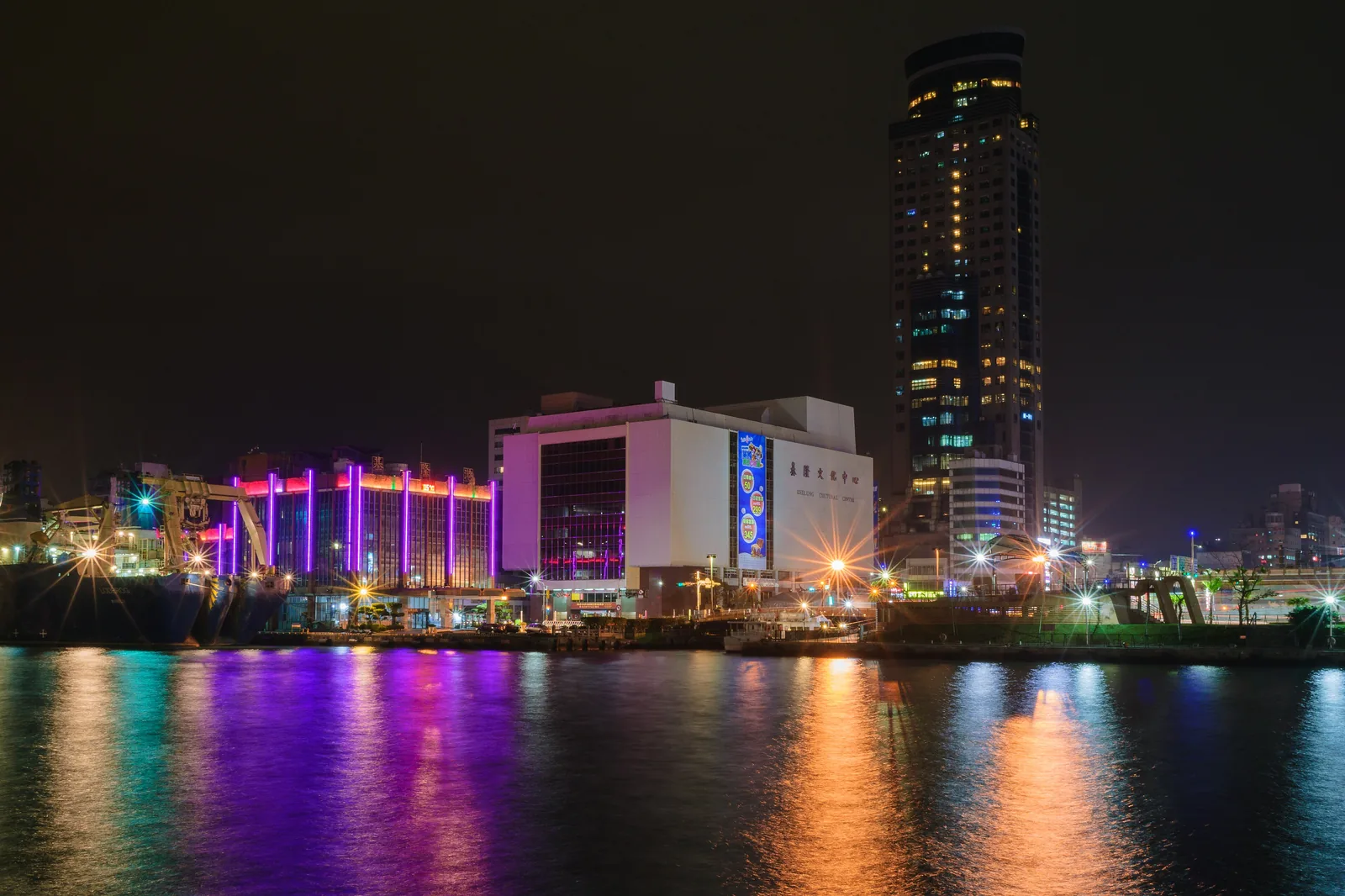
Spain, the Dutch, the Qing, France and Japan all took this harbour, and it is only a few kilometres wide
Read →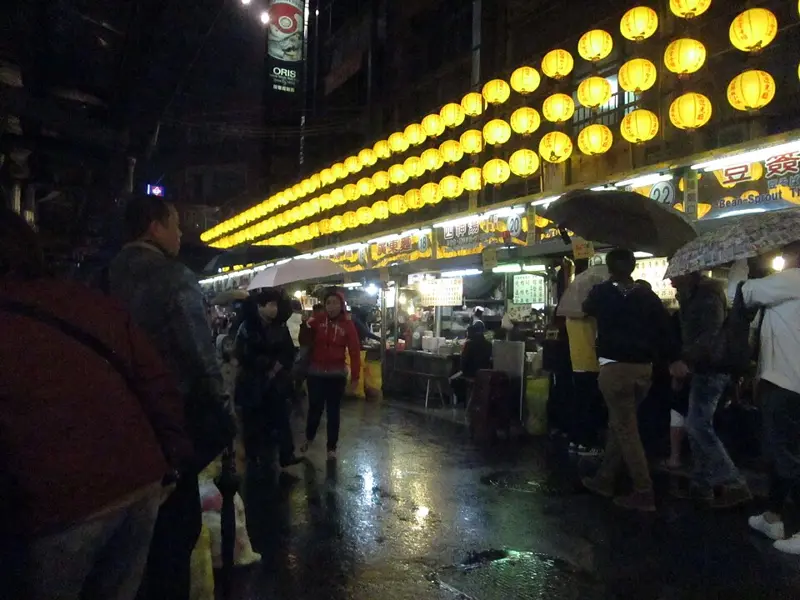
Two hundred stalls around a temple, ten minutes from your gangway
Read →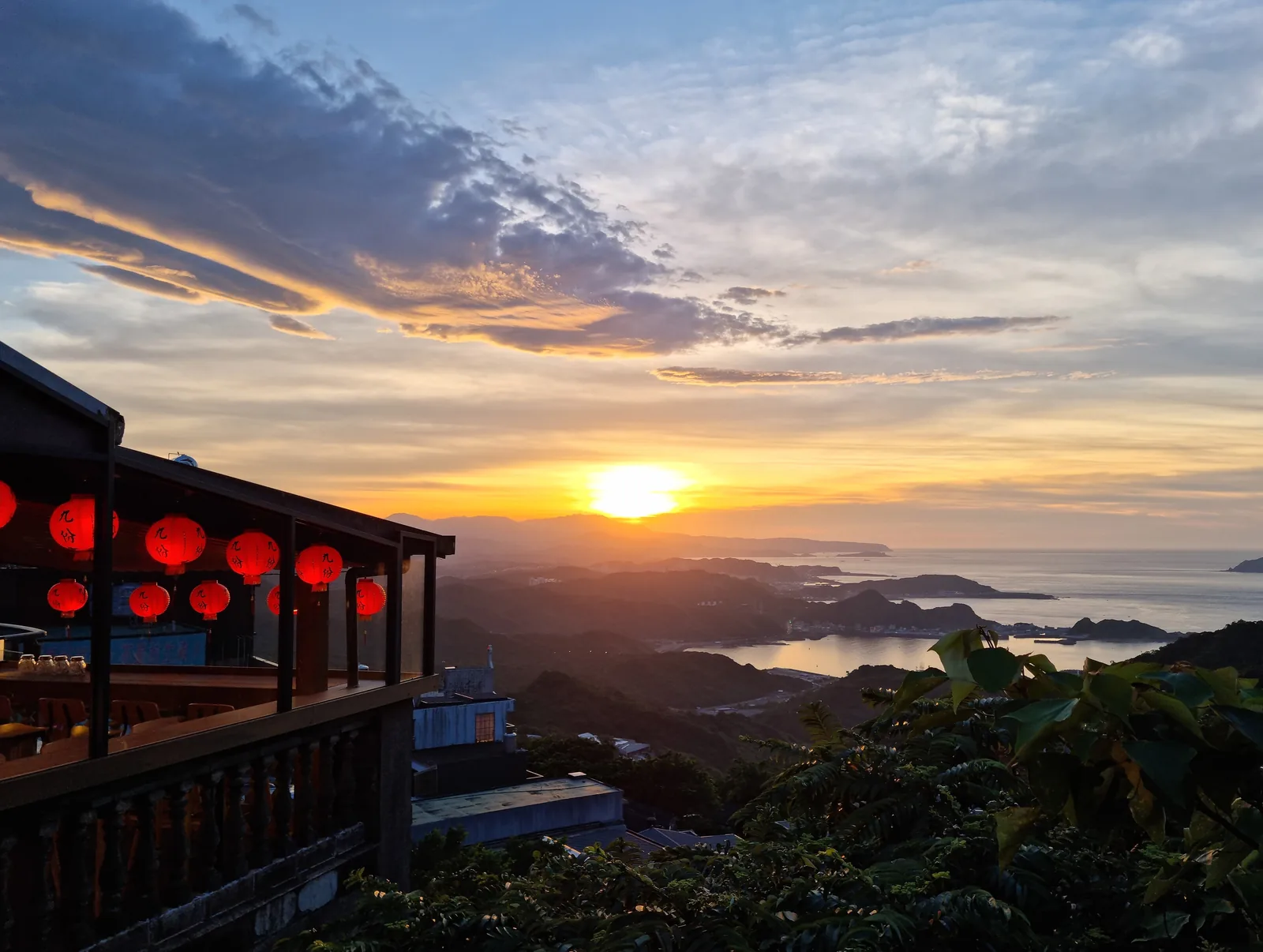
A gold-rush town that emptied, then filled again because of a film
Read →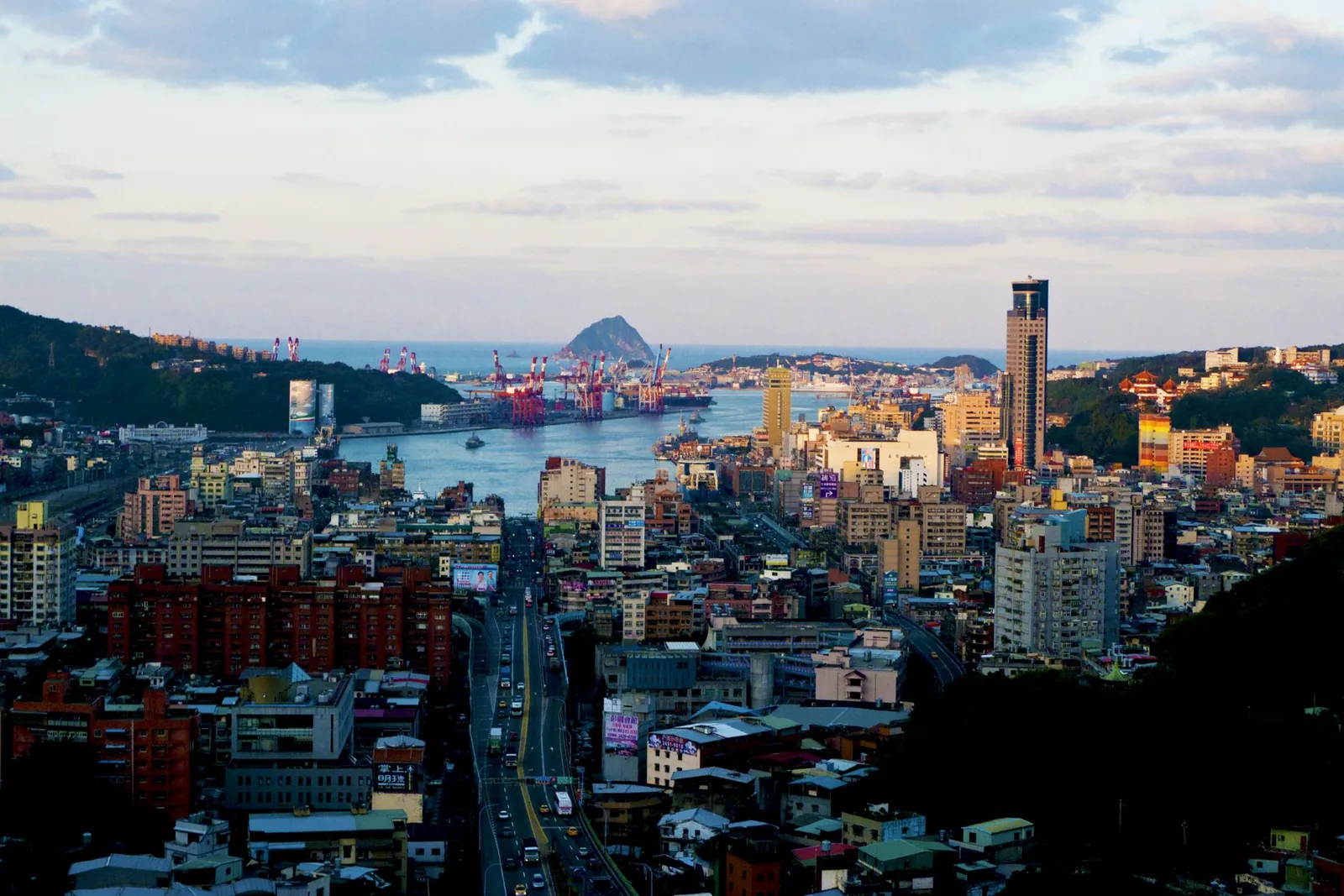
Why Taiwan feels oddly familiar if you have just come from Japan
Read →No typing needed — jump straight in:
Just docked? — the gangway toolStart from your shipThe ride from every berthAsk the editorGlossary