 Photo: Alpsdake / CC BY-SA 4.0
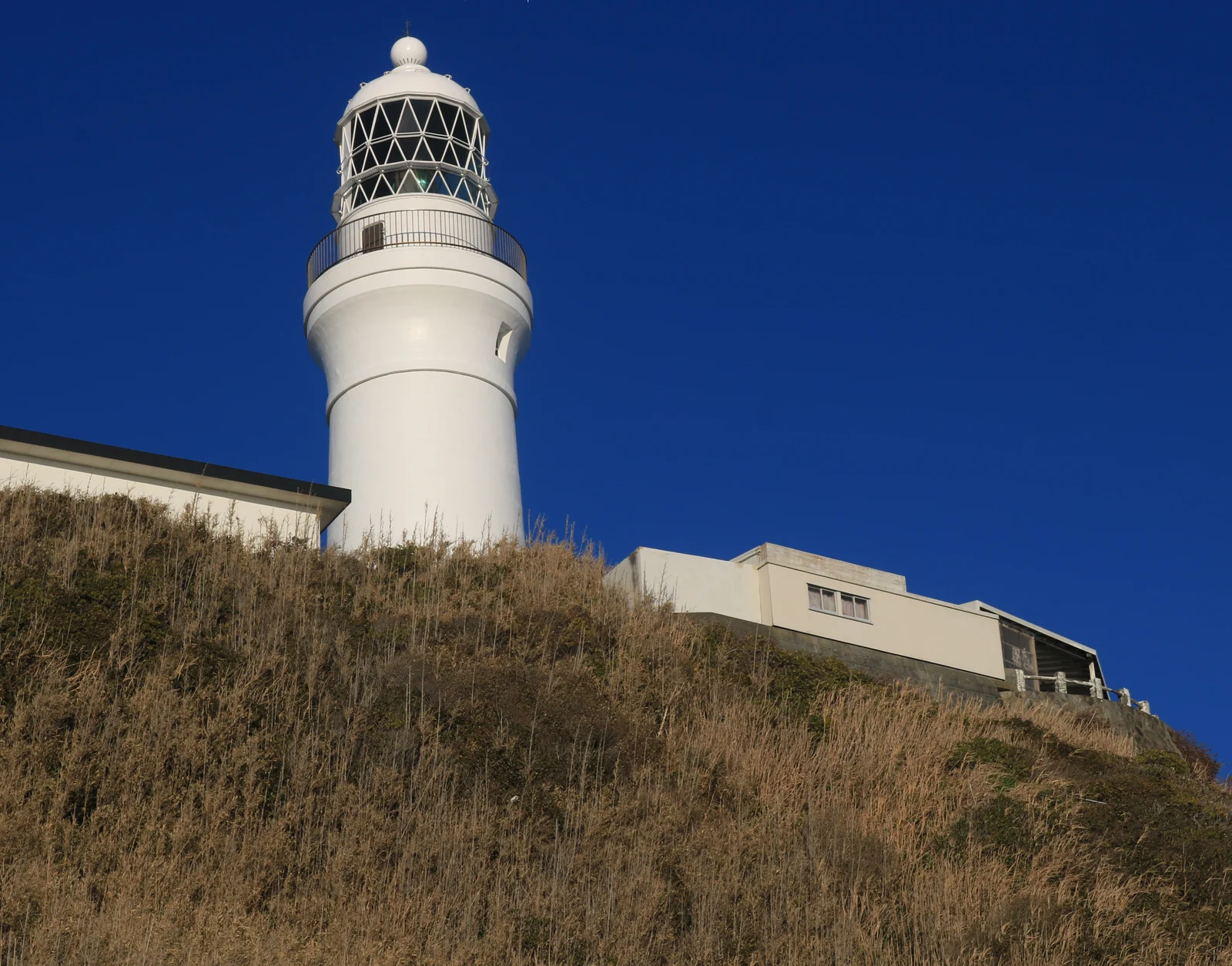
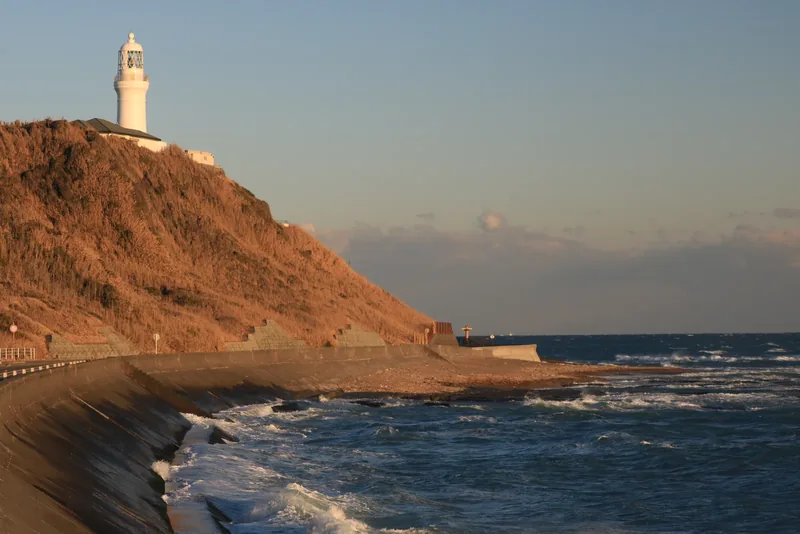
Omaezaki Lighthouse and the cape
A white brick tower designed under Richard Henry Brunton and first lit in 1874, one of Japan’s 16 climbable lighthouses. ¥300 cash, steep spiral stairs, 9:00–12:00 and 13:00–16:00 on weekdays. Cape Park and its coast path are a minute away. Closed in strong wind, which is common here.
City shuttle (if running) or taxi ~10 min from the wharfFull guide: Omaezaki Lighthouse and the cape →Makinohara tea plateau and Grinpia
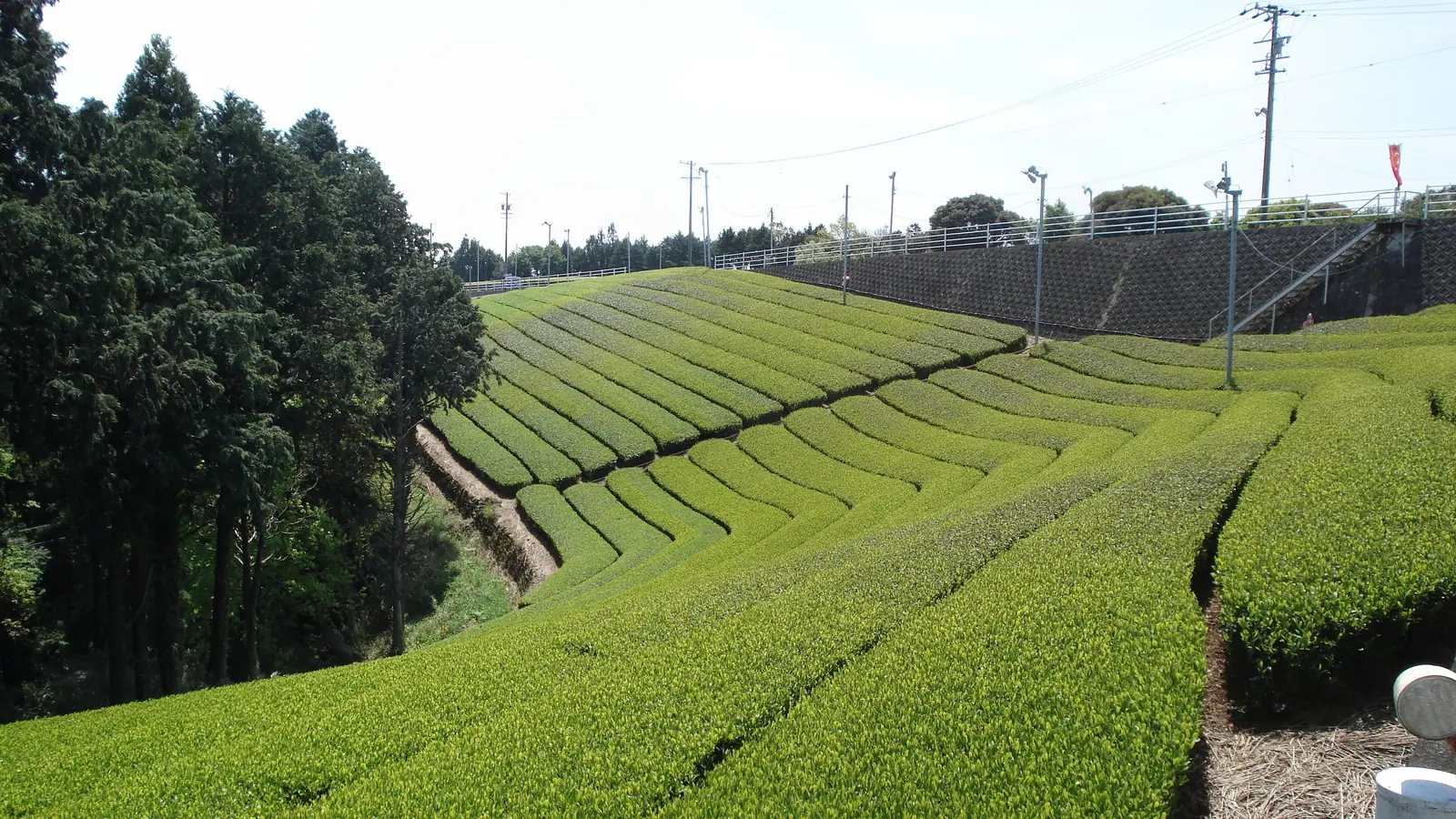
The largest tea plateau in Japan, planted by former Tokugawa retainers after the Restoration. Grinpia Makinohara’s self-guided factory tour is free, 10:00–17:00, no booking; tea picking costs ¥1,000 and runs from late April. Holland America calls it a 30-minute taxi from the port.
Taxi 25–30 min each way; the city shuttle reached Makinohara on past callsFull guide: The Makinohara tea plateau and Grinpia →Kakegawa Castle
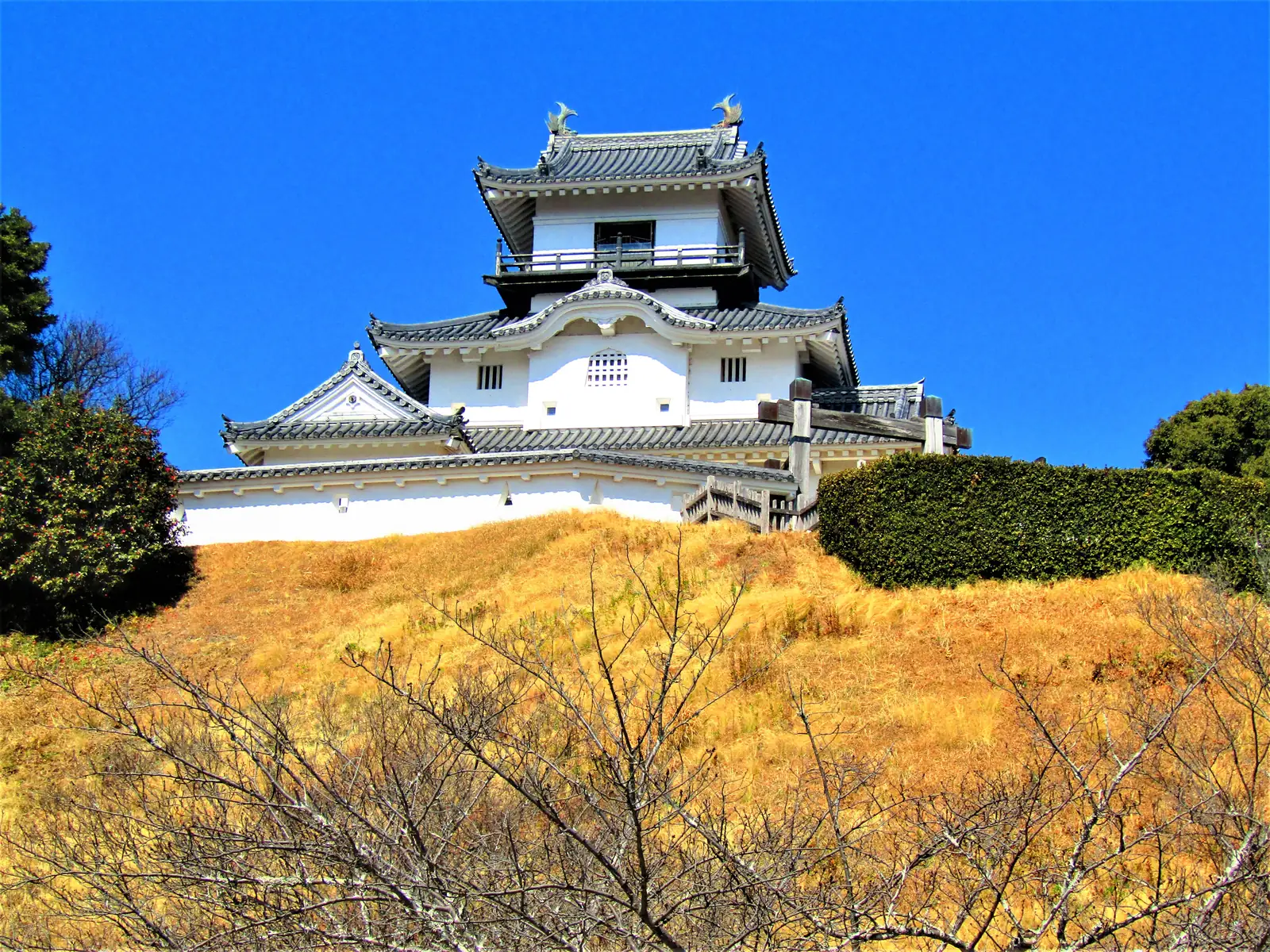
The first full-scale wooden keep rebuilt in Japan, in 1994, beside a late-Edo palace that is one of four castle palaces left in the country. 9:00–17:00, ¥410, open every day, no senior rate. The Ninomaru Tea House serves matcha and sweets for ¥510 with a view of the keep.
Taxi 30–50 min each way, 32–35 km; about ¥12,500 on the meter each way, our estimateFull guide: Kakegawa Castle →Nabura Market seafood lunch
The fish hall and food hall beside the fishing port, named for the fishermen’s word for a school of bonito. Bonito tataki, seafood bowls and shirasu gelato; the pole-and-line boat Nikkomaru runs its own restaurant inside. Cash. Closed Tuesdays and 1 January.
Shuttle or taxi ~5 min; 1.9 km from the wharfGoogle Maps →Tea Museum Shizuoka
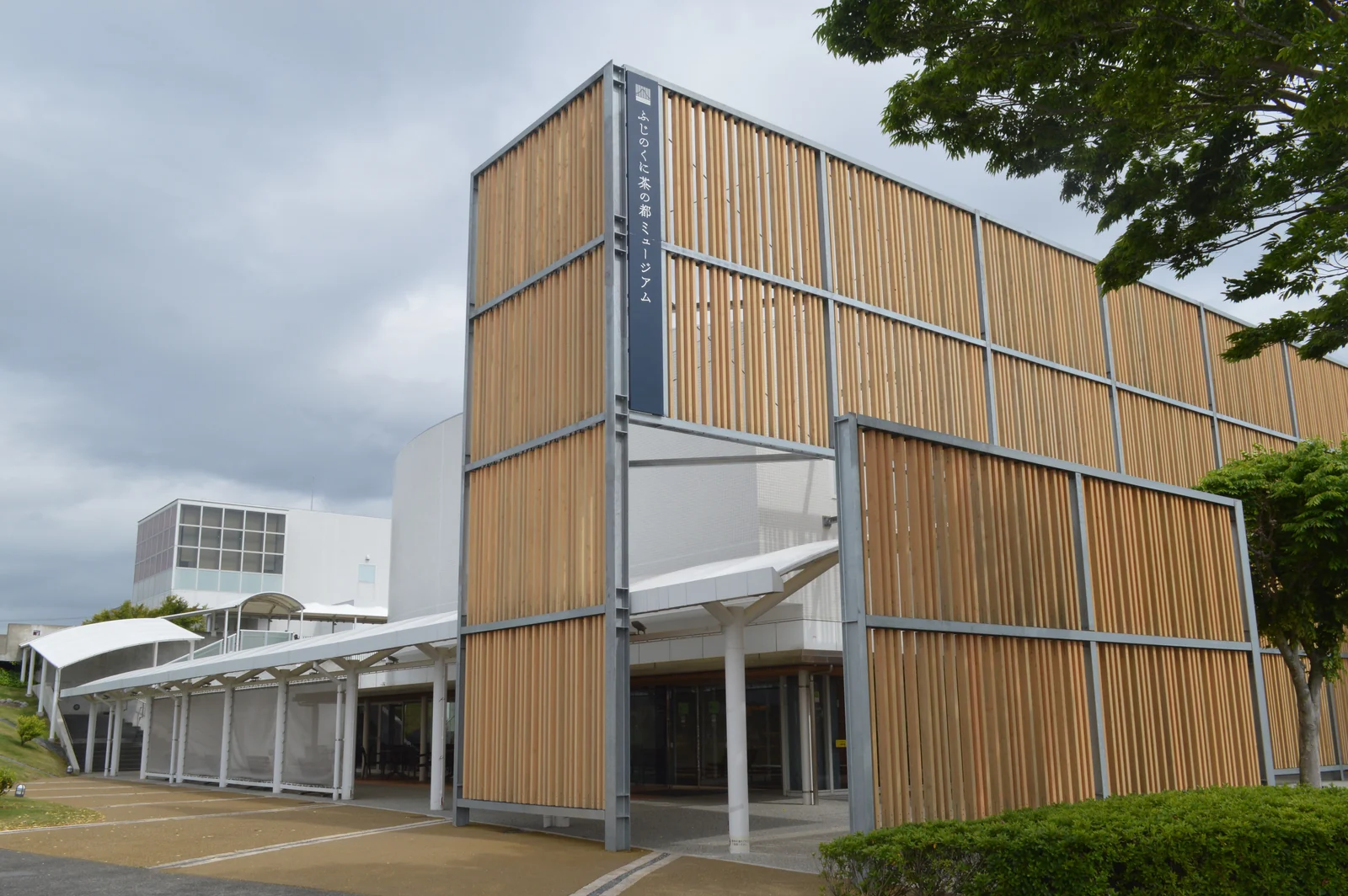
The prefecture’s tea museum at Kanaya, on the edge of the plateau, with a tea room serving Shizuoka tea 9:30–16:00. 9:00–17:00, ¥500 and free at 70 and over. Closed Tuesdays. The dry choice for a wet day, and open on the Monday 2027 call.
Taxi ~30 min each way, 28 km; about ¥10,000 on the meter each way, our estimateGoogle Maps →Kunozan Toshogu and Nihondaira
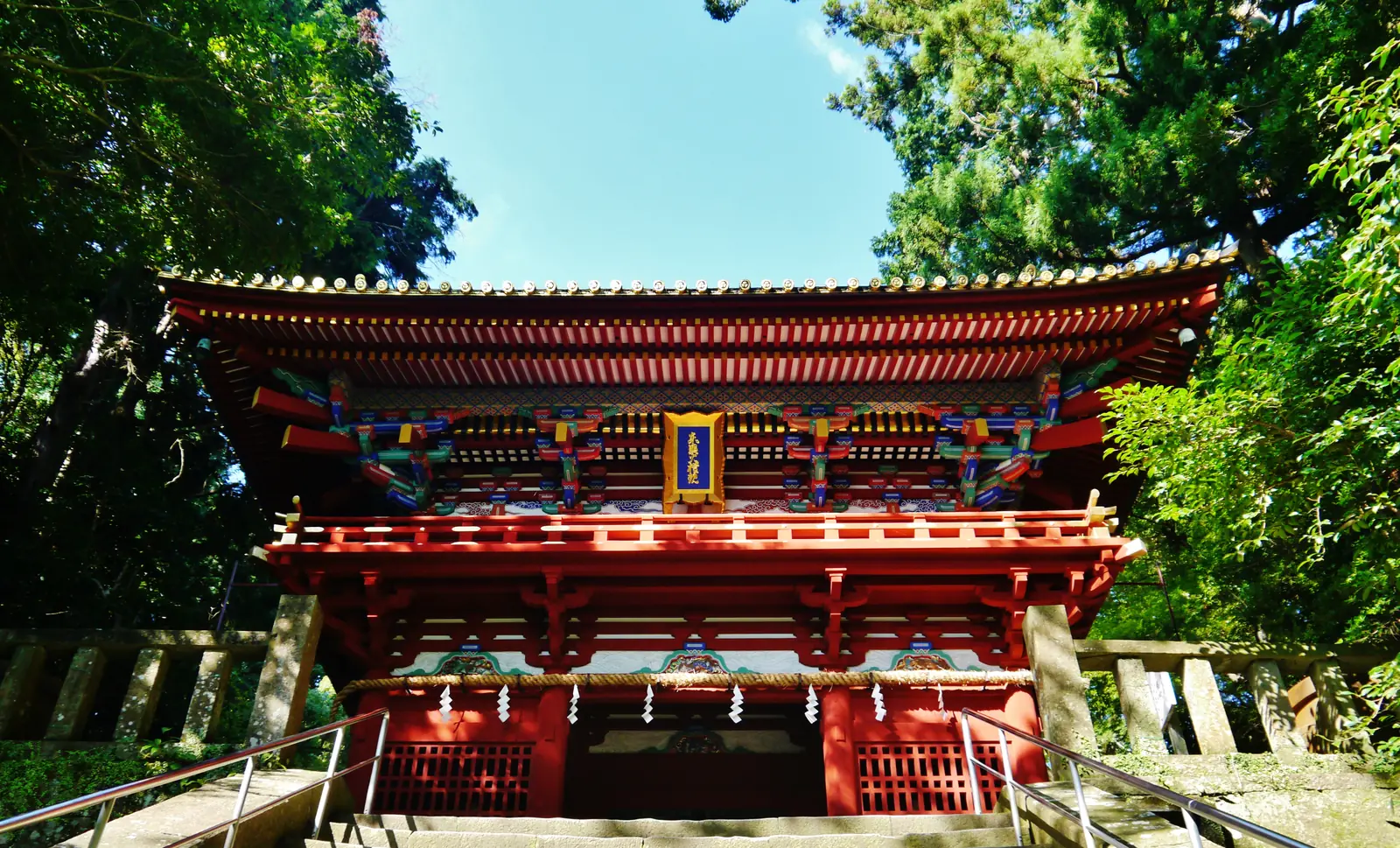
Tokugawa Ieyasu’s first shrine, built in 1617 and a National Treasure since 2010, reached by the Nihondaira Ropeway (¥1,250 return, first car 9:10). Shrine ¥700, open daily. Stone steps only inside the precinct. The only Shizuoka-city sight that fits a 9-hour call, and only by car.
Hired car only; 54–63 km, about 75 min each way in trafficGoogle Maps →Cape Park and the Marine Park shore
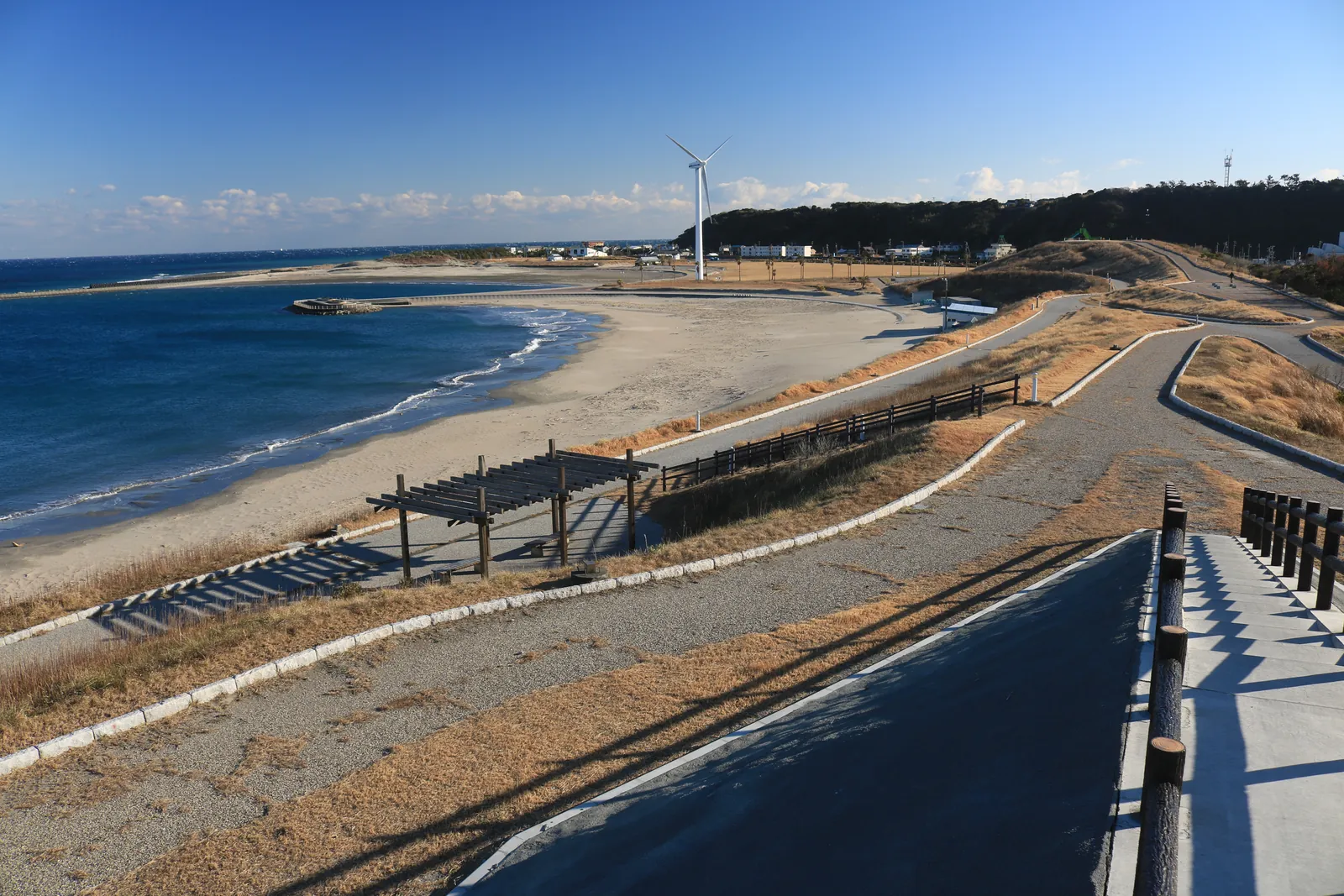
Two free, always-open stretches of the cape. Cape Park is a 30–45 minute coast path past the Shiosai statue beside the lighthouse. Marine Park Omaezaki is the beach park by the market, where the ship-day car park is. Windy; the JMA April normal is 5.1 m/s.
Shuttle or taxi ~10 min; Marine Park is 6 min on foot from Nabura MarketGoogle Maps →Sakura-ebi or raw shirasu from Suruga Bay
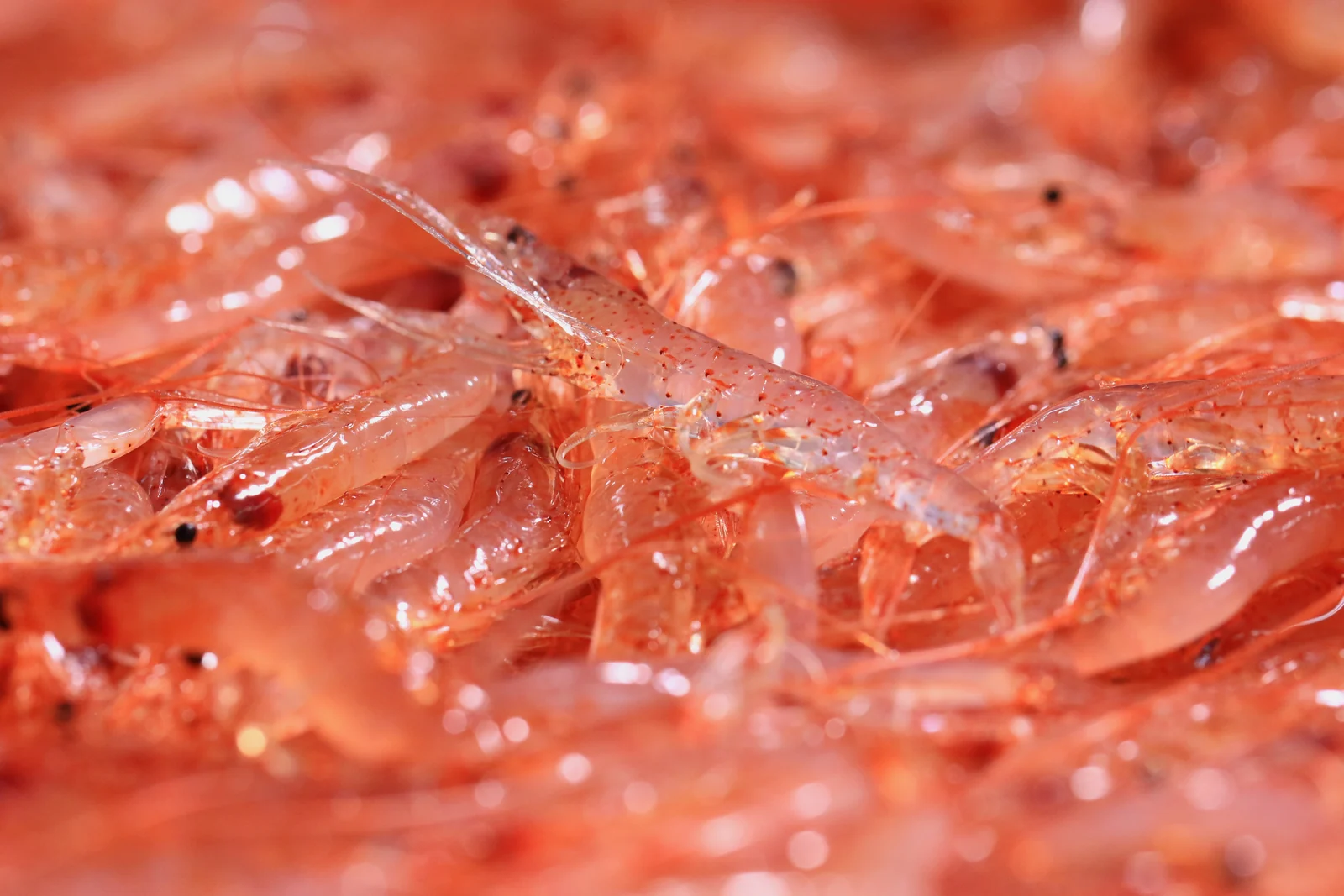
The small pink shrimp of Suruga Bay is fished at night in spring and autumn. Shizuoka also lands the second-largest shirasu catch in Japan. Nabura sells Suruga Bay fish, but neither is promised on a given day; ask at the counter, and take the bonito if they are gone.
Nabura Market, shuttle or taxi ~5 minGoogle Maps →Hamamatsu Castle and an unagi lunch
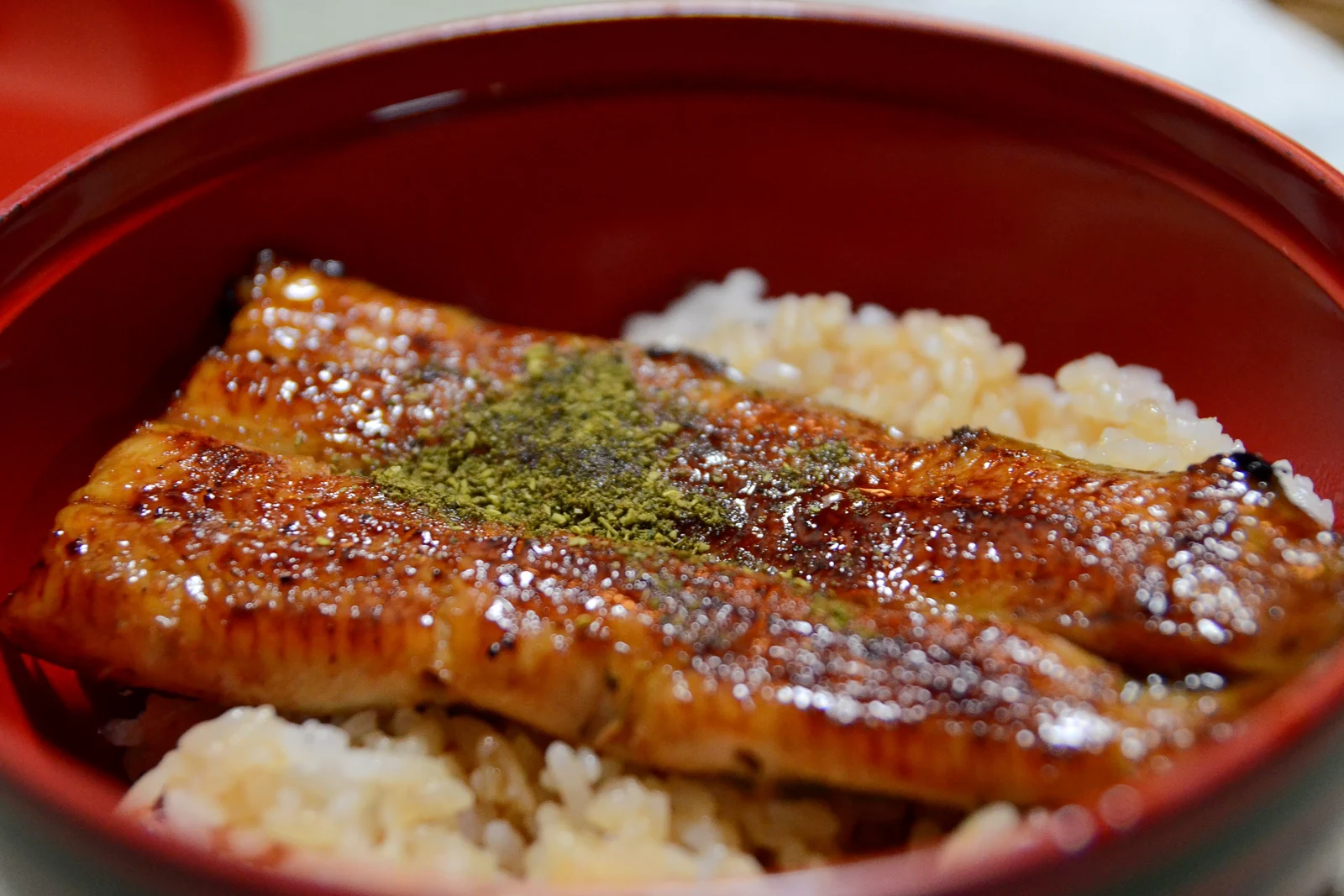
Grilled eel is Hamamatsu’s dish, and the castle where Tokugawa Ieyasu spent 17 years sits 20 minutes’ walk from the station, ¥200, 8:30–16:30. The rebuilt keep is concrete; the rough stone walls are original. A long-call choice only: castle and lunch, then straight back.
Hired car only; 48 km, about 40 min each way without trafficGoogle Maps →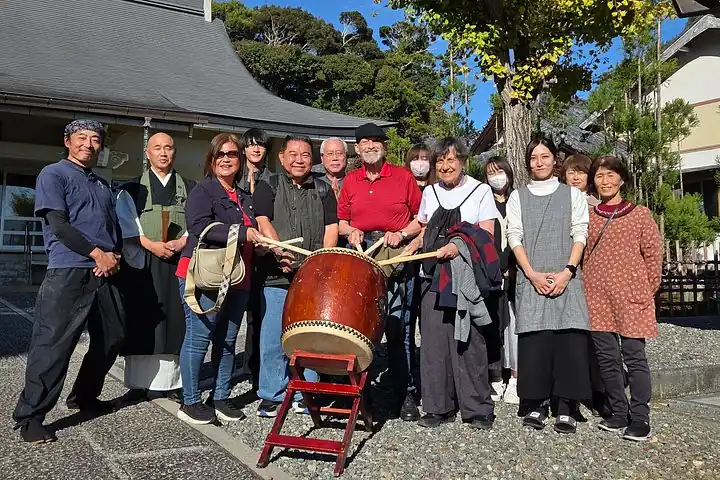
Zen and local culture from Omaezaki
The one Viator listing that starts in Omaezaki: a 2 h 30 min Zen and local-culture experience, from about US$97. The other Shizuoka listings start in Shizuoka city, 50 km away. Confirm the pick-up point before booking; the operator’s return wording was not checked.