 Photo: 663highland / CC BY 2.5
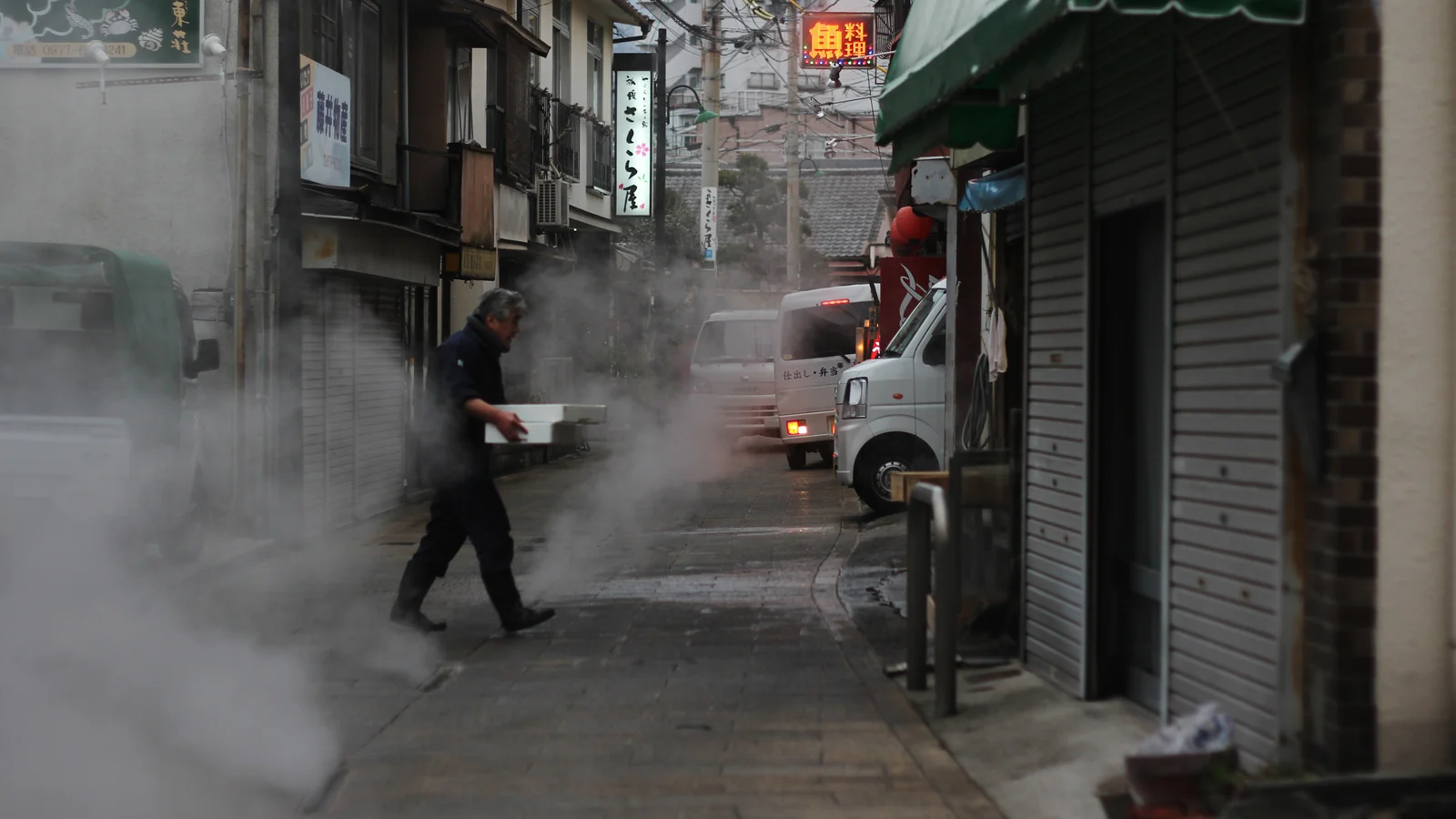
Beppu has around 2,200 vents and discharges more hot water than any other town in Japan — a volume second in the world only to Yellowstone. Some springs are far too hot and too chemically aggressive to bathe in, and for a thousand years people called those jigoku: hells.
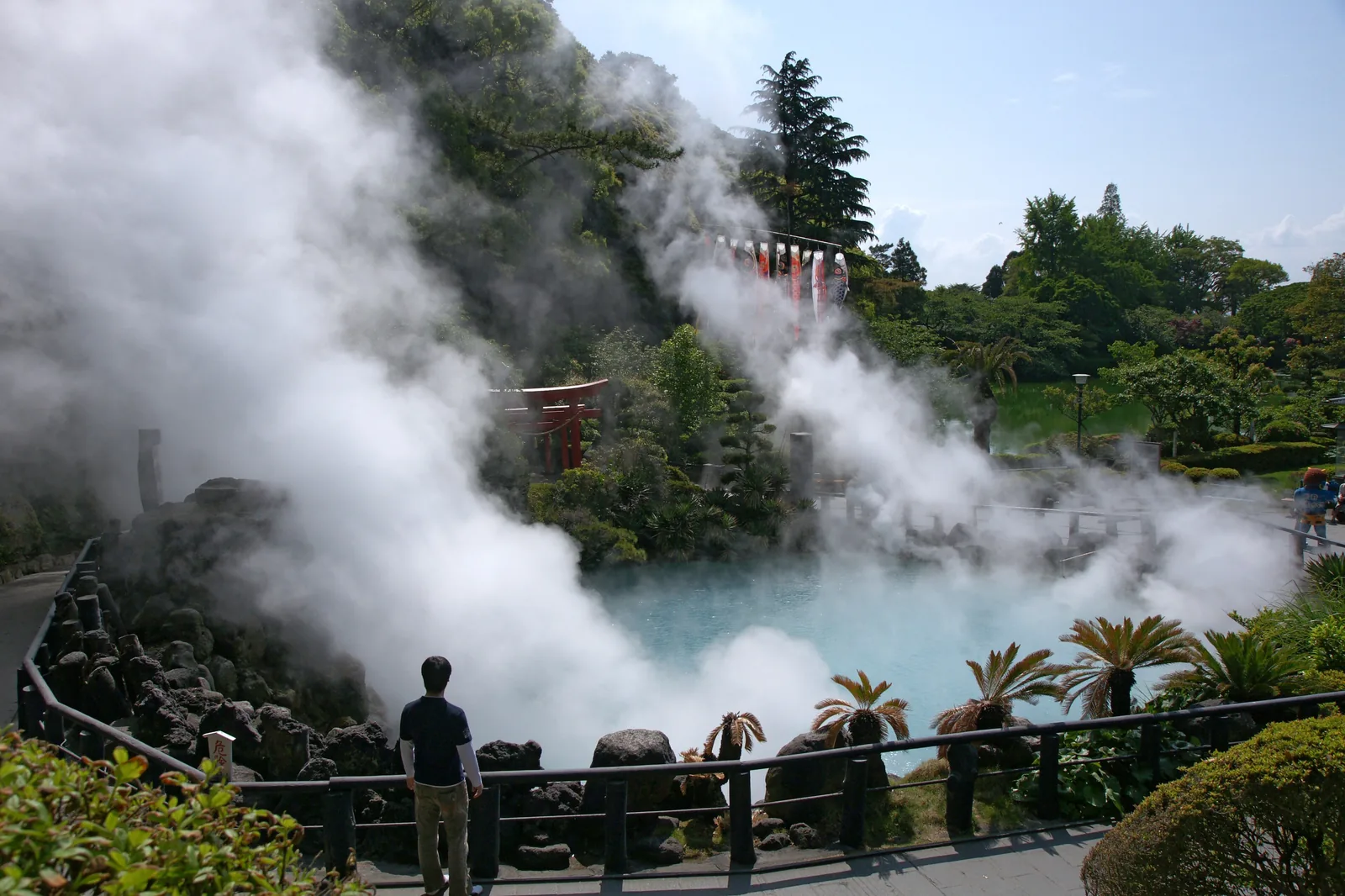
Umi Jigoku is cobalt turquoise at around 98°C, and the colour is dissolved iron sulphate rather than any dye. Chinoike Jigoku is deep red from iron-rich clay and is the oldest natural hell documented in Japan. Tatsumaki is a geyser on a roughly half-hourly cycle, with a stone slab set over it to hold the jet down.
Tatsumaki is a geyser on a roughly half-hourly cycle, with a stone slab set over it to hold the jet down.
Booked before you sail — there is no tour desk at the pier. Booking through these links supports the site.
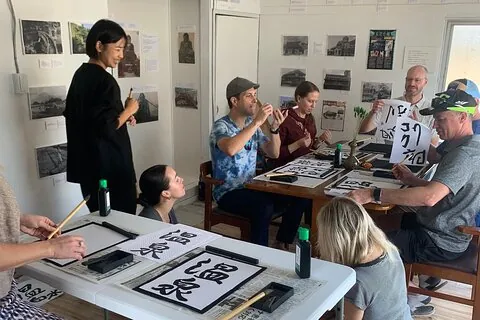 5.0★ · 21 reviews
From US$32 per person.
See dates and book → 5.0★ · 14 reviews
From US$565 per person.
See dates and book →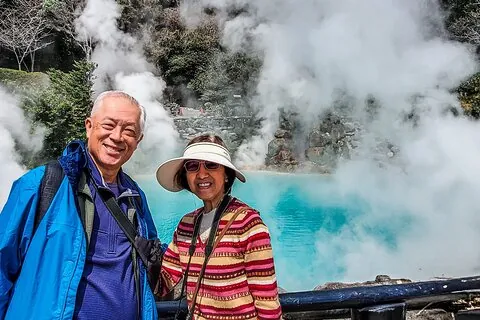 5.0★ · 12 reviews
From US$486 per person.
See dates and book →On a call of four hours or more, two or three of them are. Umi Jigoku (turquoise, from dissolved iron sulphate at about 98°C) and Chinoike Jigoku (deep red from iron clay, the oldest documented in Japan) are the two that differ most. The combined ticket at around ¥2,200 only pays off if you visit four or more.
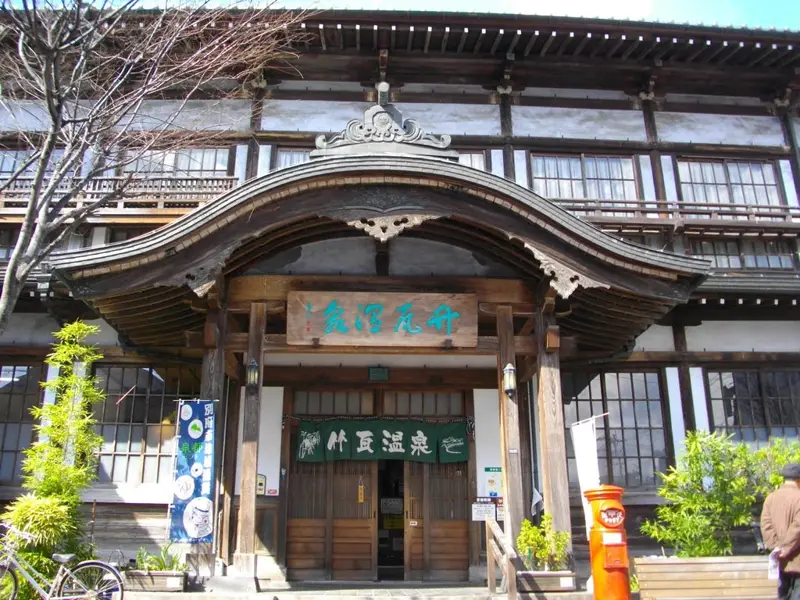
No — that is what makes them hells. They are too hot and too chemically aggressive, and the circuit is for looking. Bathing happens at Takegawara Onsen, at Myoban, and at around a hundred neighbourhood bathhouses that charge ¥100–300 and have no staff.
No typing needed — jump straight in:
Just docked? — the gangway toolStart from your shipThe ride from every berthAsk the editorGlossary