Tap a photo to see it large. 7 photographs, each credited.
The reason your ship stops here. Give the museum two unhurried hours, then stand where the river reflects the Dome. It rearranges people, quietly.
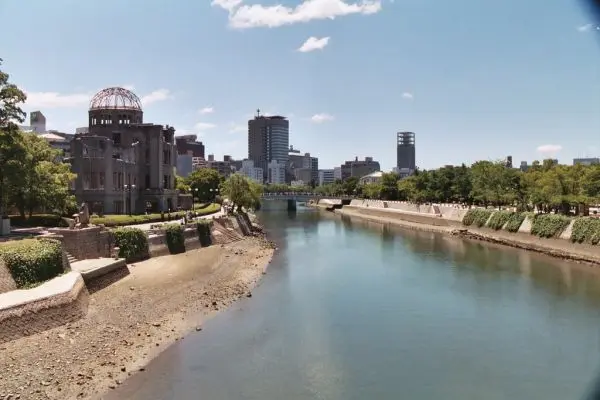
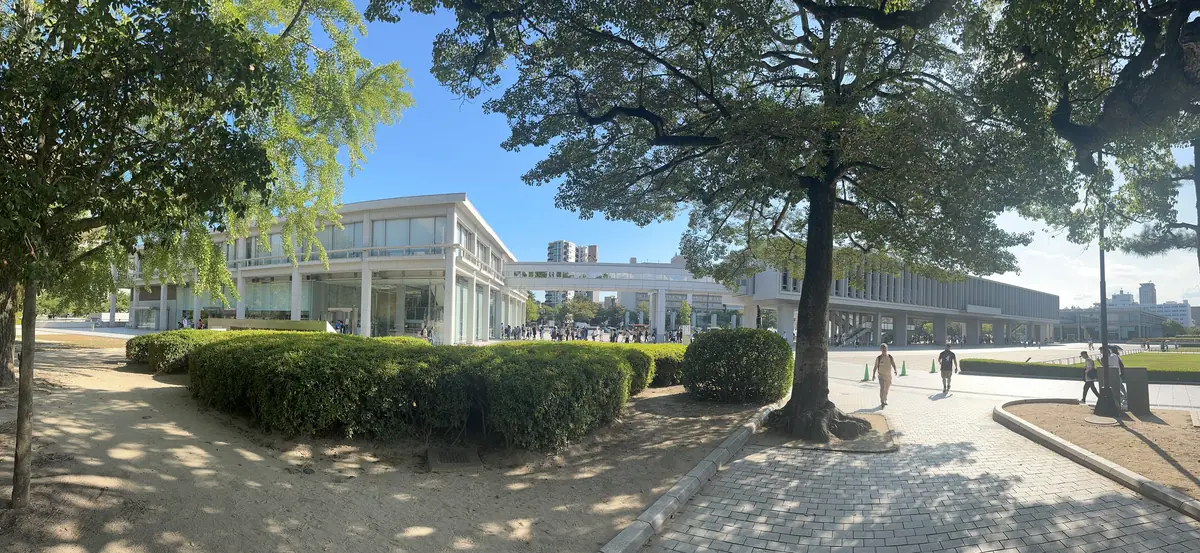
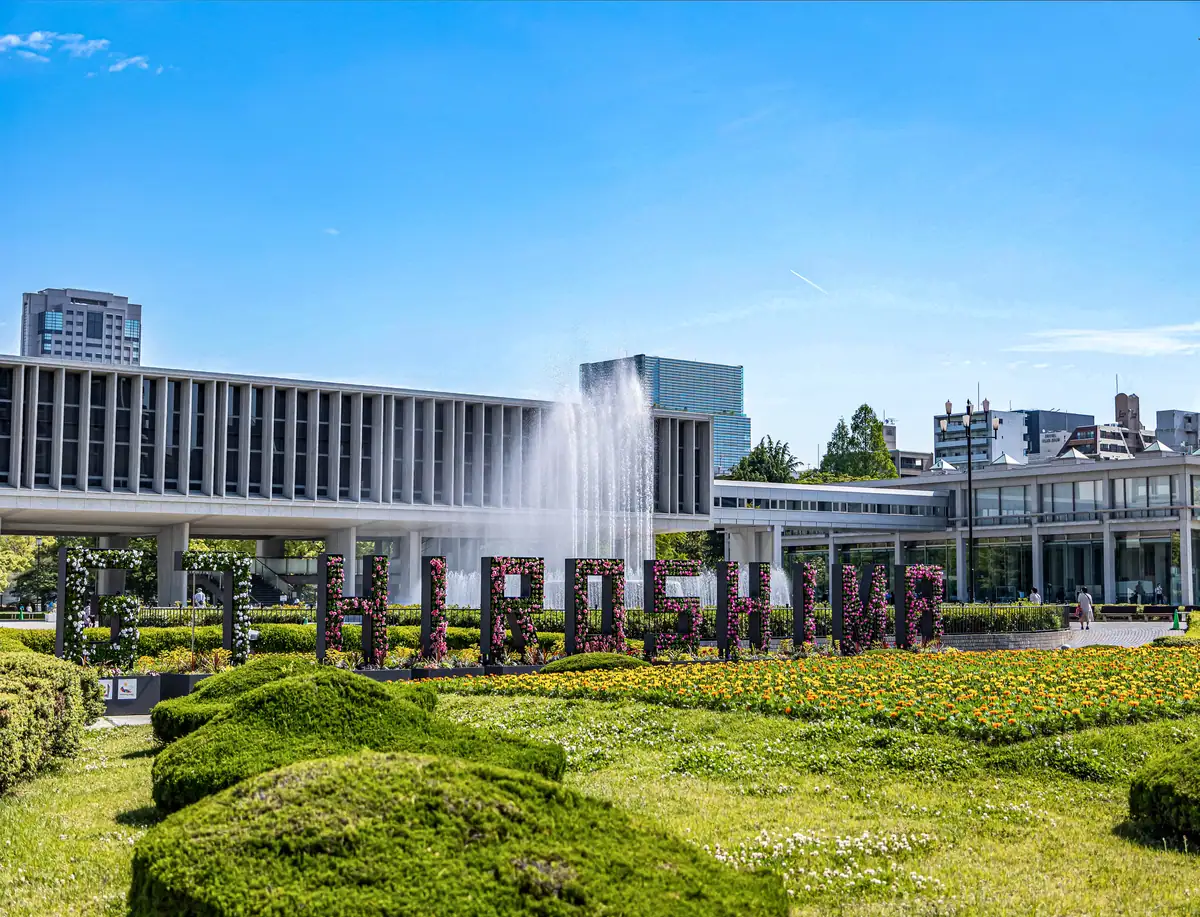
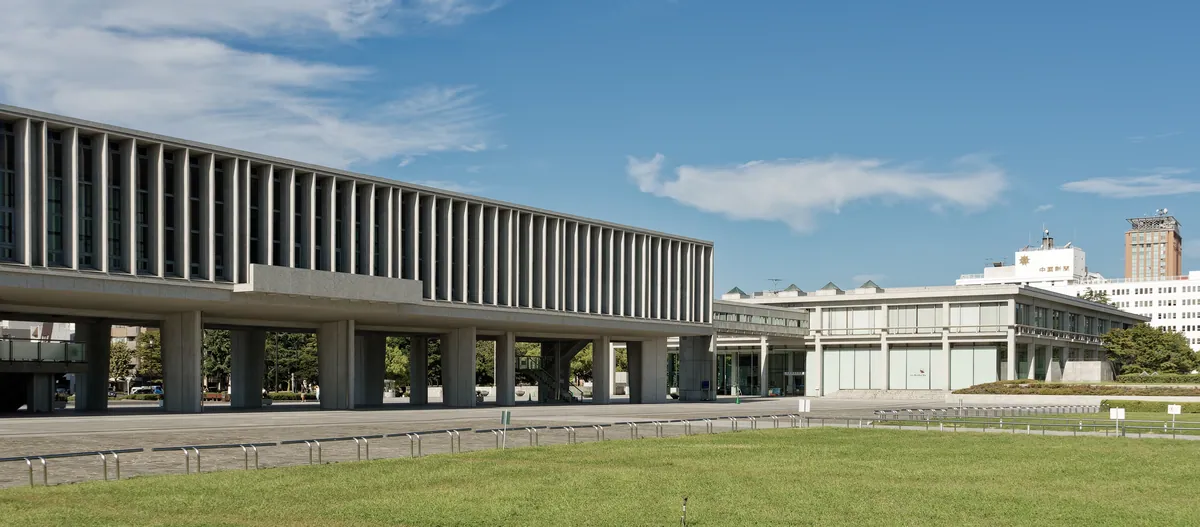
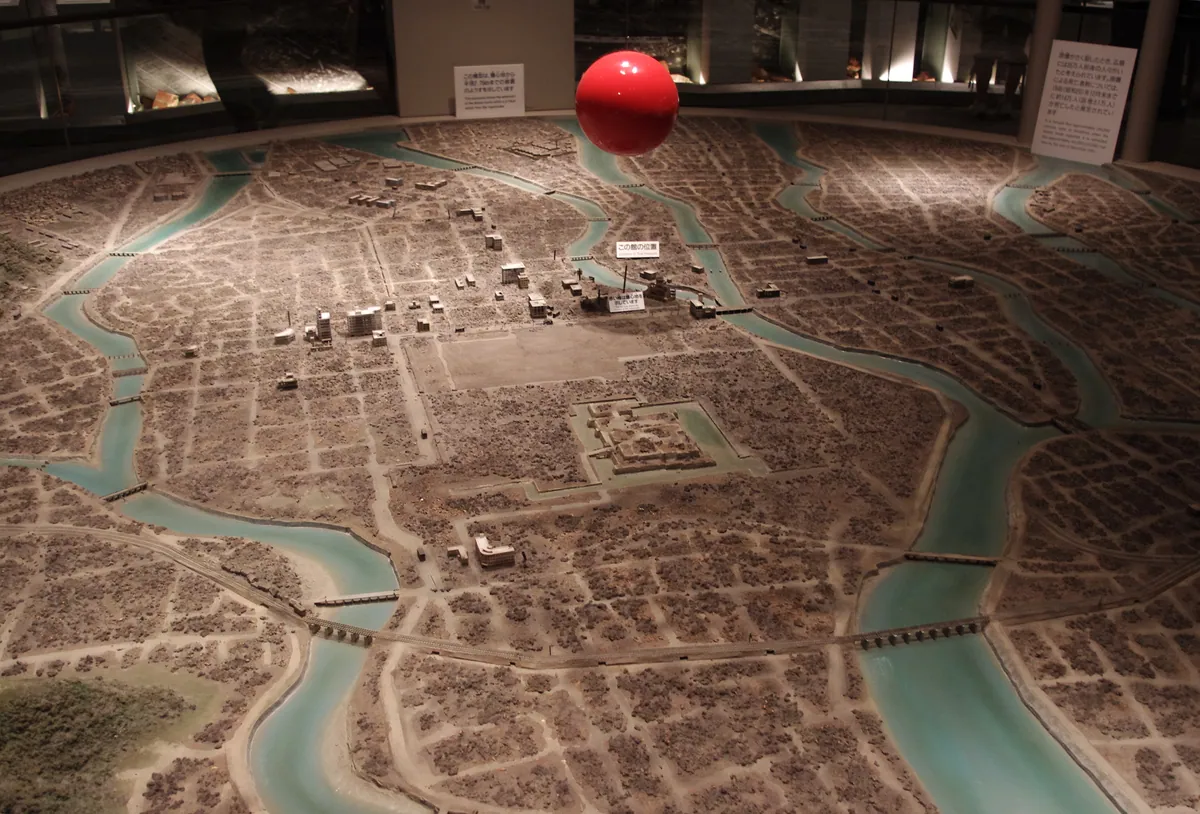
The bomb detonated 600 metres above this spot on 6 August 1945. The Dome is the ruin of the 1915 Prefectural Industrial Promotion Hall, left standing deliberately after a long civic argument about whether to demolish it, and made a World Heritage site in 1996. The museum next to it is a factual account, told largely through objects.
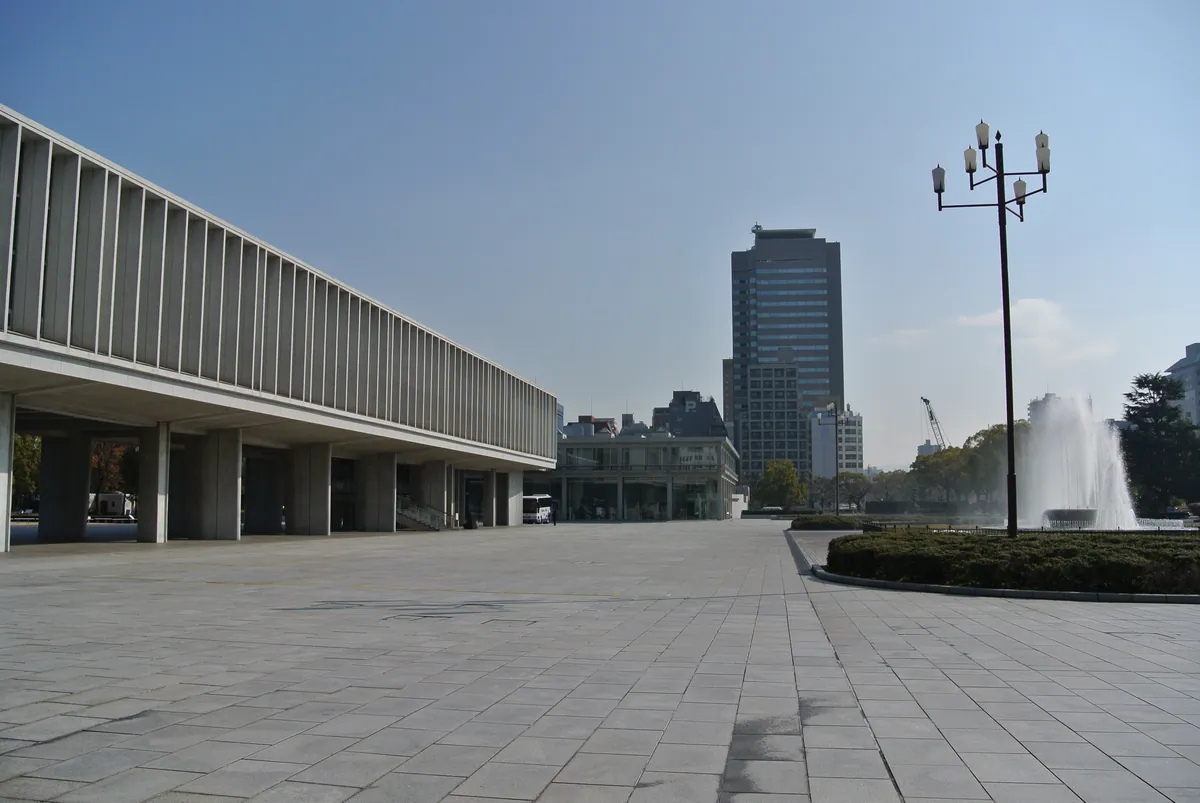
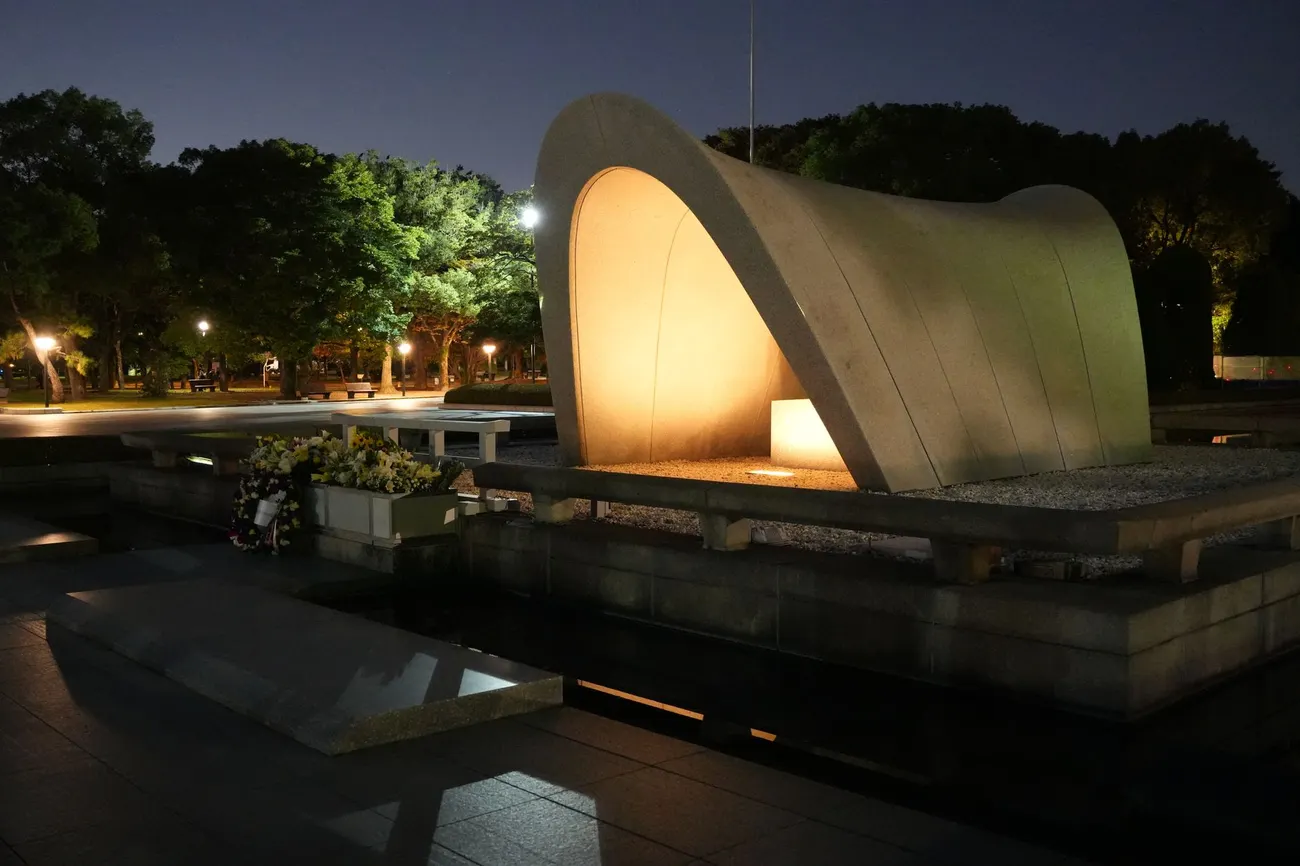
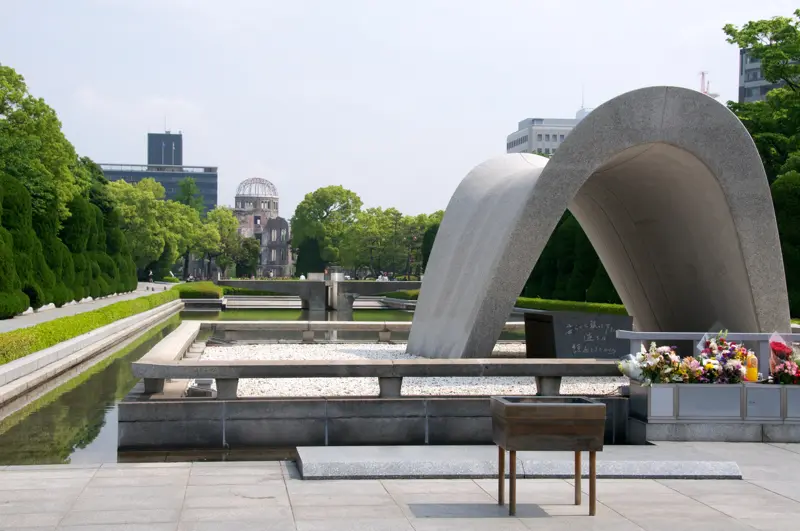
The park is a designed argument. Kenzo Tange placed the museum, the cenotaph and the Dome on a single axis, so that standing at the cenotaph you look through its arch at the eternal flame and, beyond it, the ruin itself. Everything points at the thing.
The Dome survived because it stood almost directly beneath the burst — the pressure came down through it rather than across. The city argued for twenty years about demolishing it before deciding, in 1966, to preserve the ruin as a ruin. UNESCO inscribed it in 1996.
Both pins on one map, so the distance is a fact rather than a feeling.
Counted from the moment you step off the gangway. The hour before all-aboard is not in this bar; it is already set aside.
38 minutes each way is the honest figure for tram/taxi from port, not the optimistic one. If your ship is late, cut the 2 hr 44 min in the middle. Never cut the hour at the end.
Three hours: two in the museum and one for the cenotaph, the Children's Peace Monument and the Dome. Add about forty minutes each way by tram from the Ujina cruise berth, or twenty by taxi.
With two to three hours ashore, we would say no — the tram alone runs eighty minutes round trip and the museum deserves unhurried time. Ujina's own waterfront is the honest short-call answer.
Each one is a finished day we have walked and timed, with this stop in it. Read the route rather than assembling it yourself.
Each of these still lands you back aboard with the hour to spare.
 See · ~6h door to door
The vermilion gate in the sea, deer on the sand, oyster smoke in the lanes.
See the detail →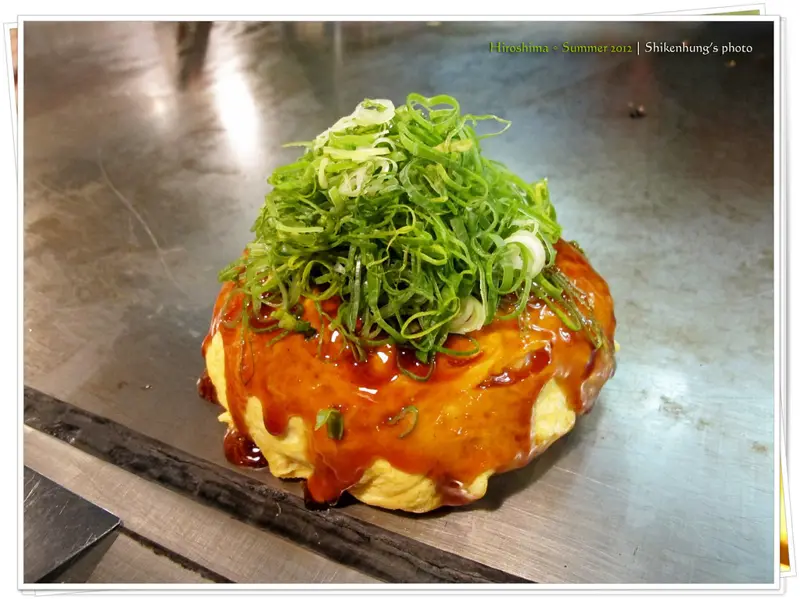 Eat · ~3h
Hiroshima-style means layers, not batter — cabbage, soba, egg, and the founder’s sauce.
See the detail →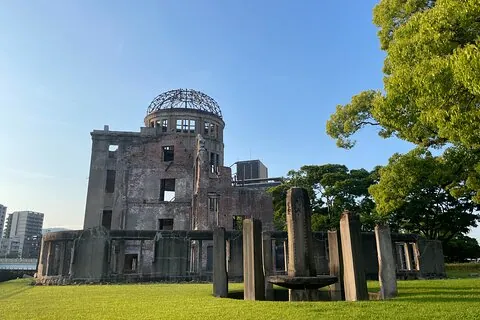 Do · ~4h
A local guide turns the museum’s weight into understanding — survivor stories, the neighborhoods that vanished, what rebuilt.
See the detail →No typing needed — jump straight in:
Just docked? — the gangway toolStart from your shipThe ride from every berthAsk the editorGlossary