 1 / 8
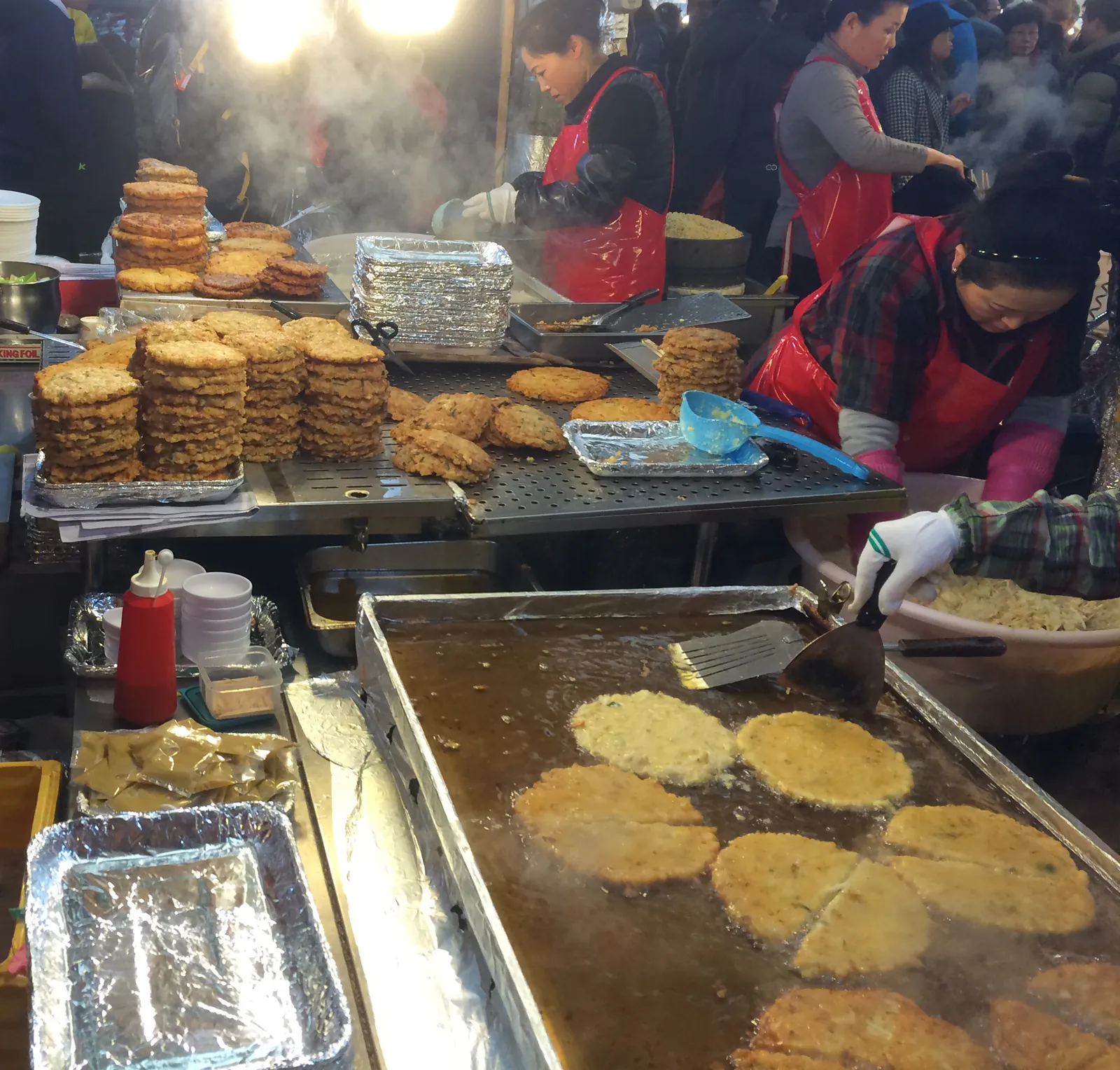
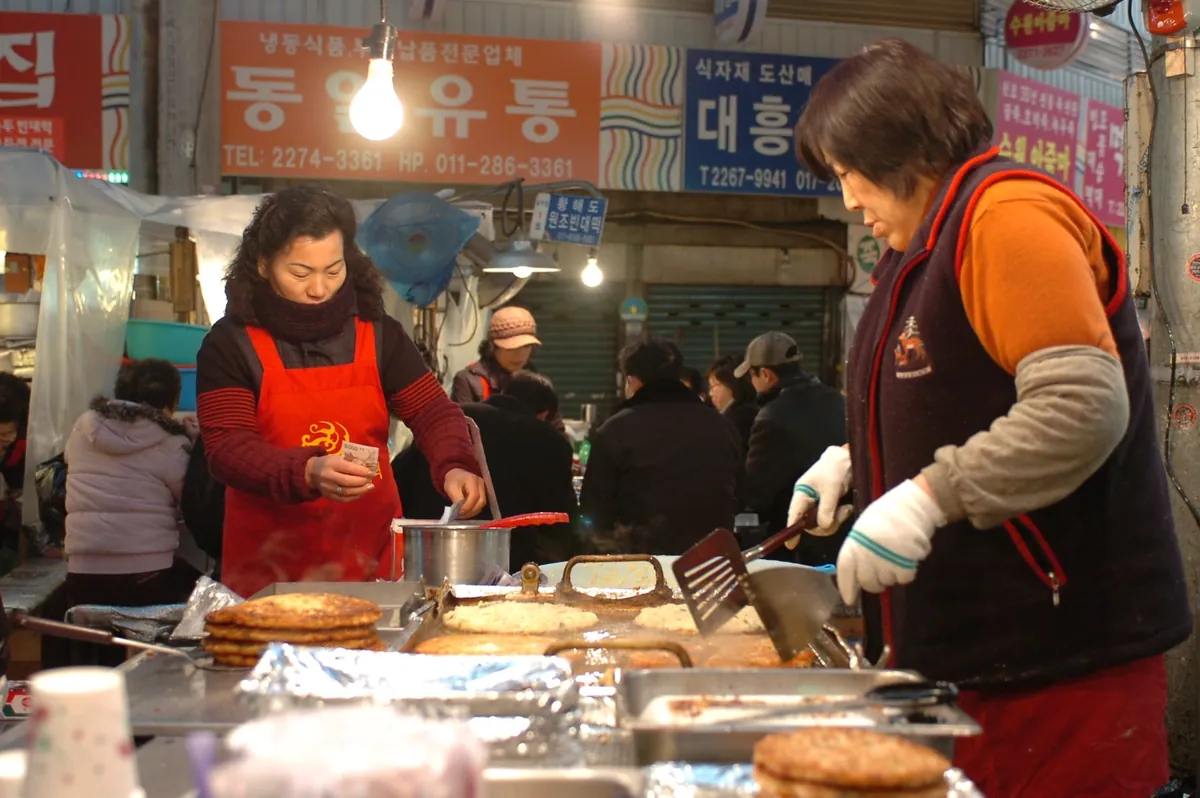
1 / 8Bindaetteok at Gwangjang MarketPhoto: Rystheguy / CC BY-SA 4.0
Tap a photo to see it large. 8 photographs, every one credited.
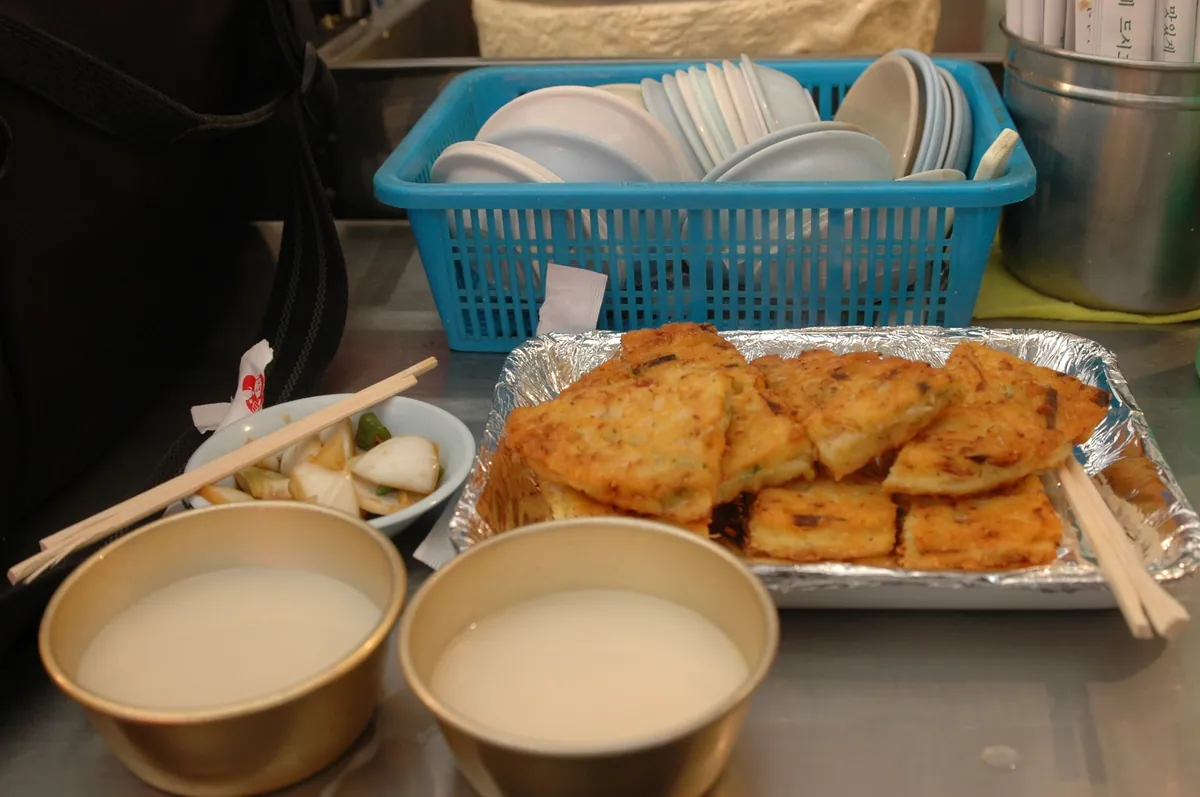
Mung-bean pancakes fried in front of you in Seoul’s oldest covered market, eaten at the counter with makgeolli. The food alley opens daily; the rest of the market closes on Sundays.
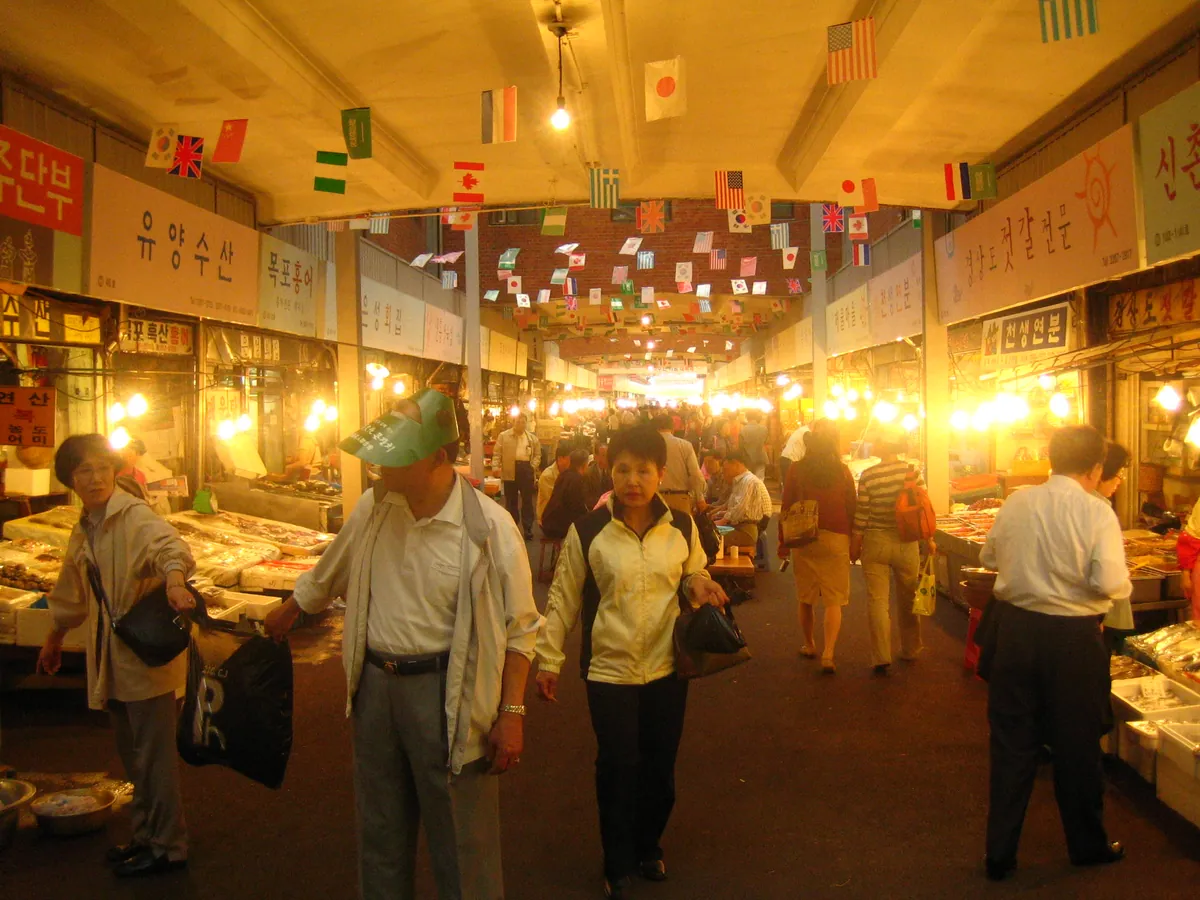
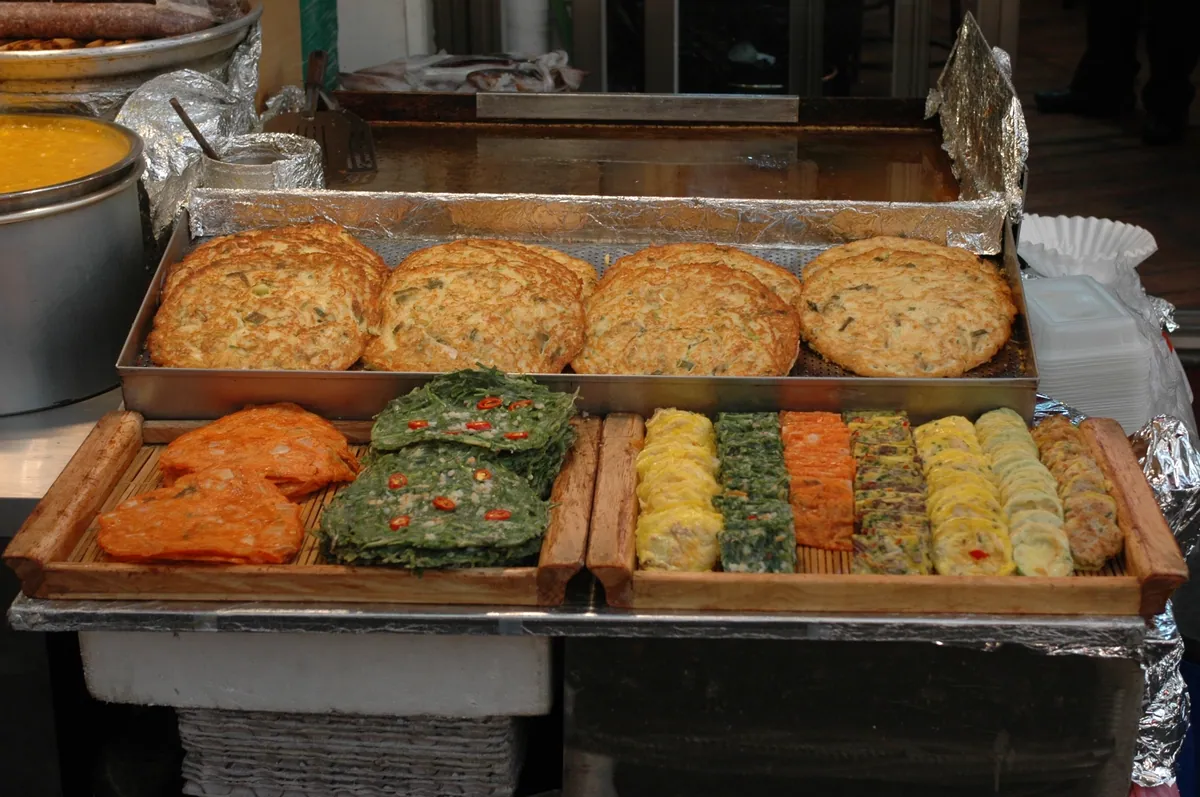
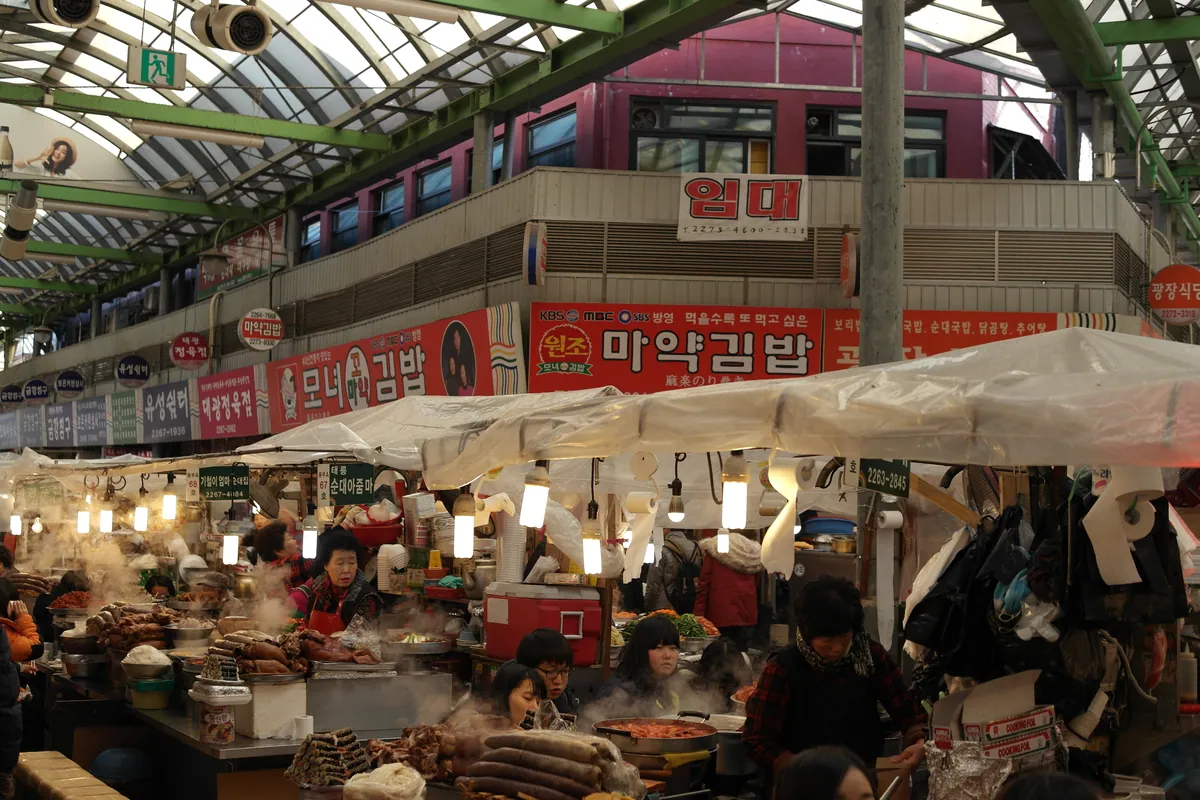
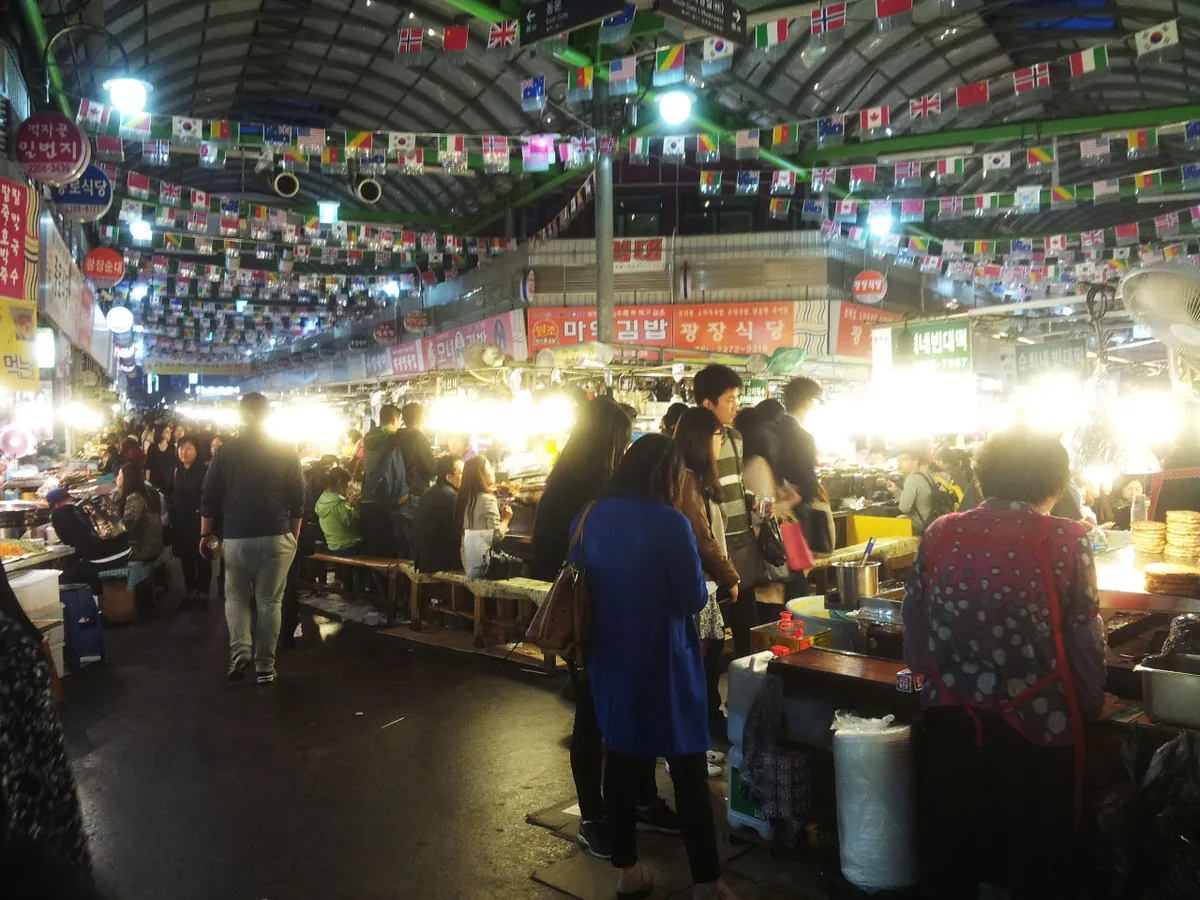
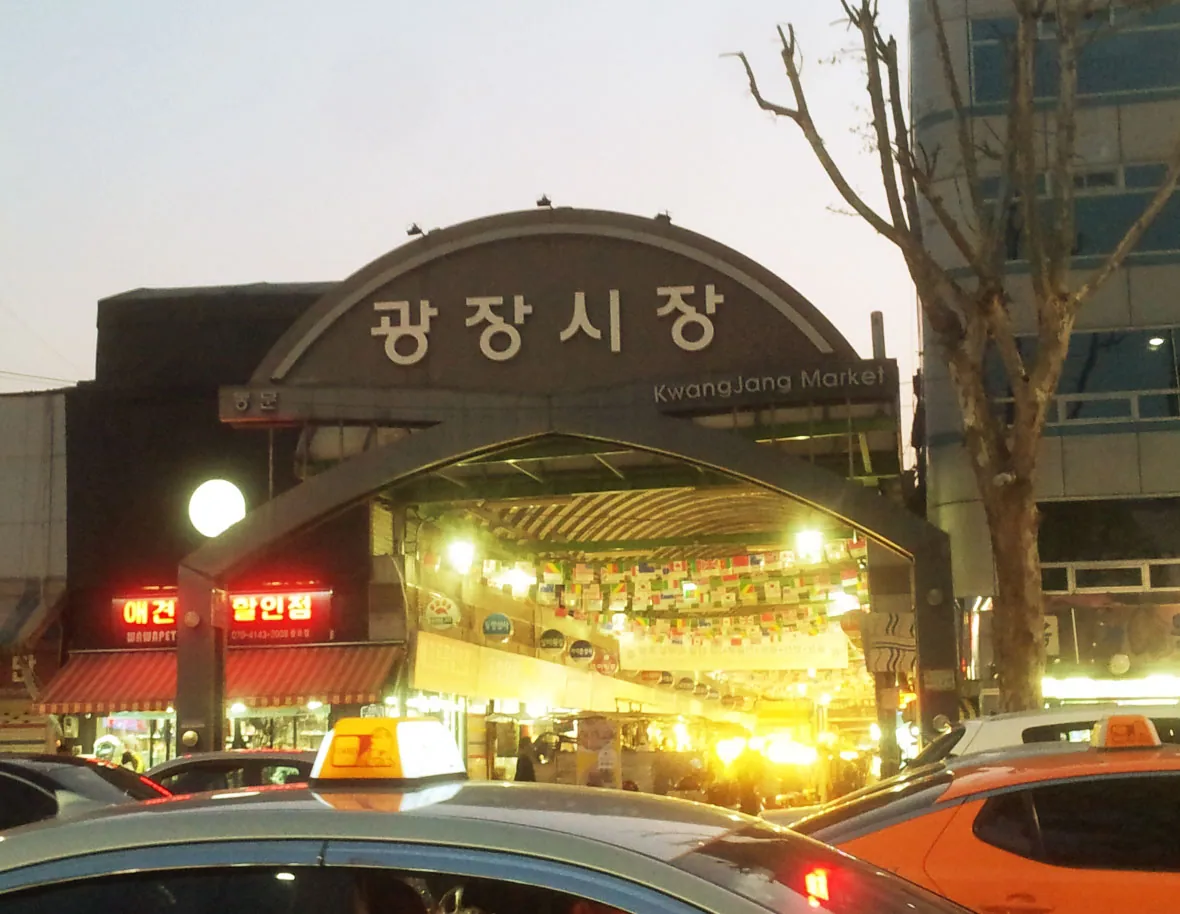
Gwangjang Market opened in 1905 as one of Korea's first permanent markets. The food alley under its roof is where bindaetteok, a pancake of ground mung beans, is fried in front of you, alongside mayak gimbap and yukhoe.
The one the queue agrees on, the one people who live here use instead, and the one nearest your ship. Opening days change; check before you build a day around one.
Both pins on one map, so the distance is a fact rather than a feeling.
Counted from the moment you step off the gangway. The hour before all-aboard is not in this bar; it is already set aside.
28 minutes each way is the honest figure for seoul · ~2h each way, not the optimistic one. If your ship is late, cut the 4 hr 34 min in the middle. Never cut the hour at the end.
Each one is a finished day we have walked and timed, with this stop in it. Read the route rather than assembling it yourself.
Each of these still lands you back aboard with the hour to spare.
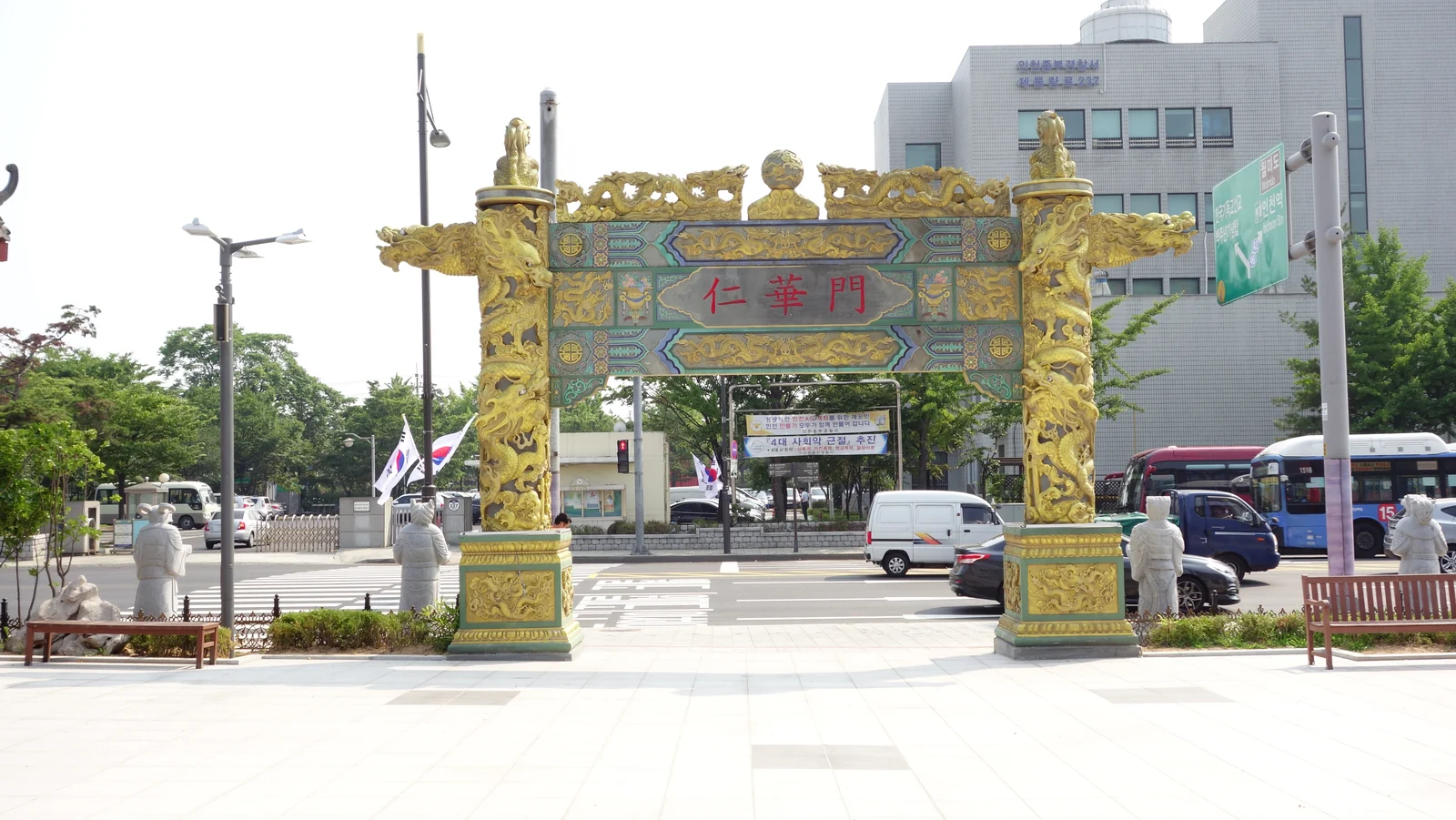 See · ~3h
Korea’s first Chinatown, laid out when the port opened to foreign trade in the 1880s, with the red-brick restaurant where jajangmyeon was first served now a small museum to the dish.
See the detail →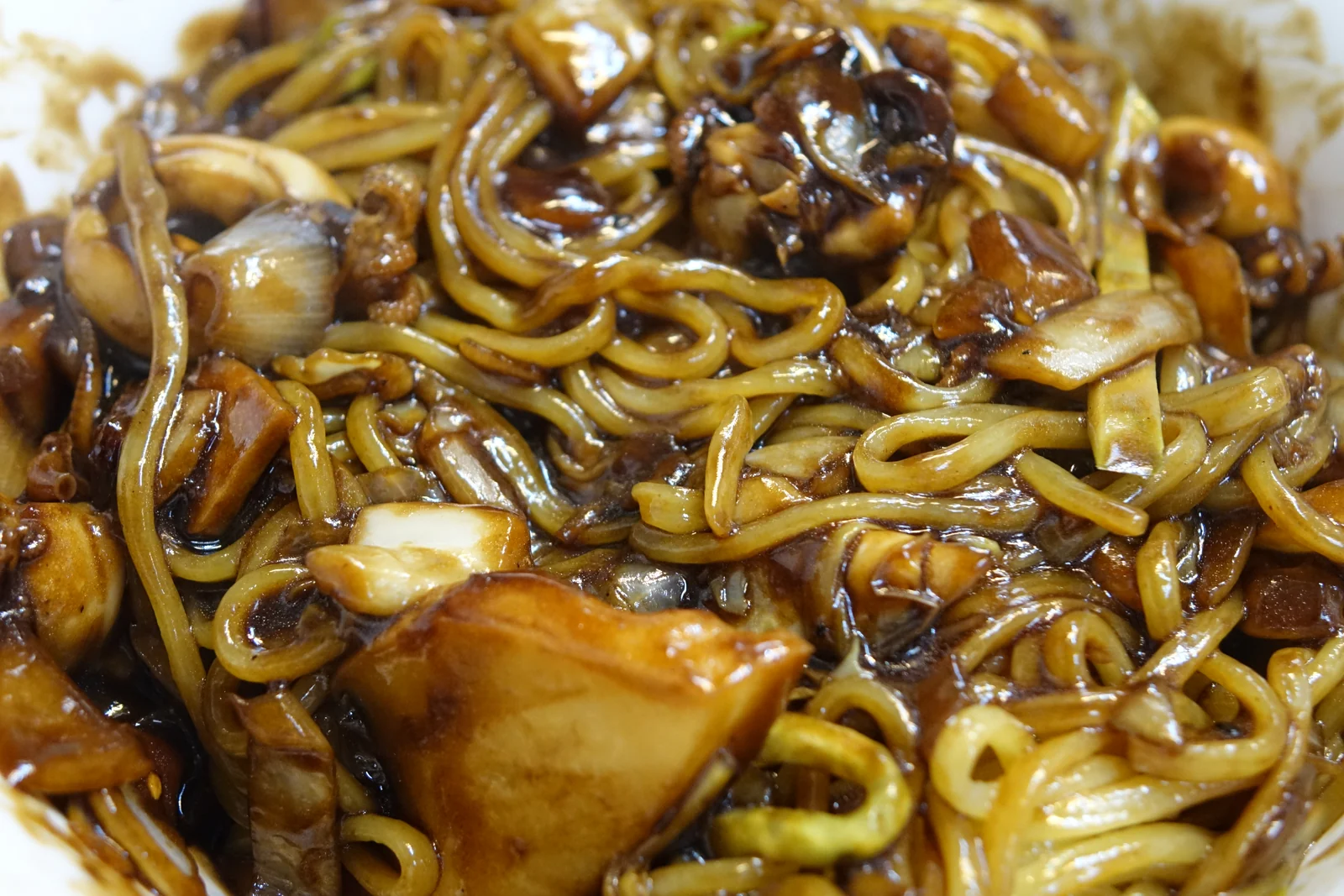 Eat · ~2.5h
Wheat noodles under a black-bean sauce, the Chinese-Korean dish every Korean eats on moving day.
See the detail →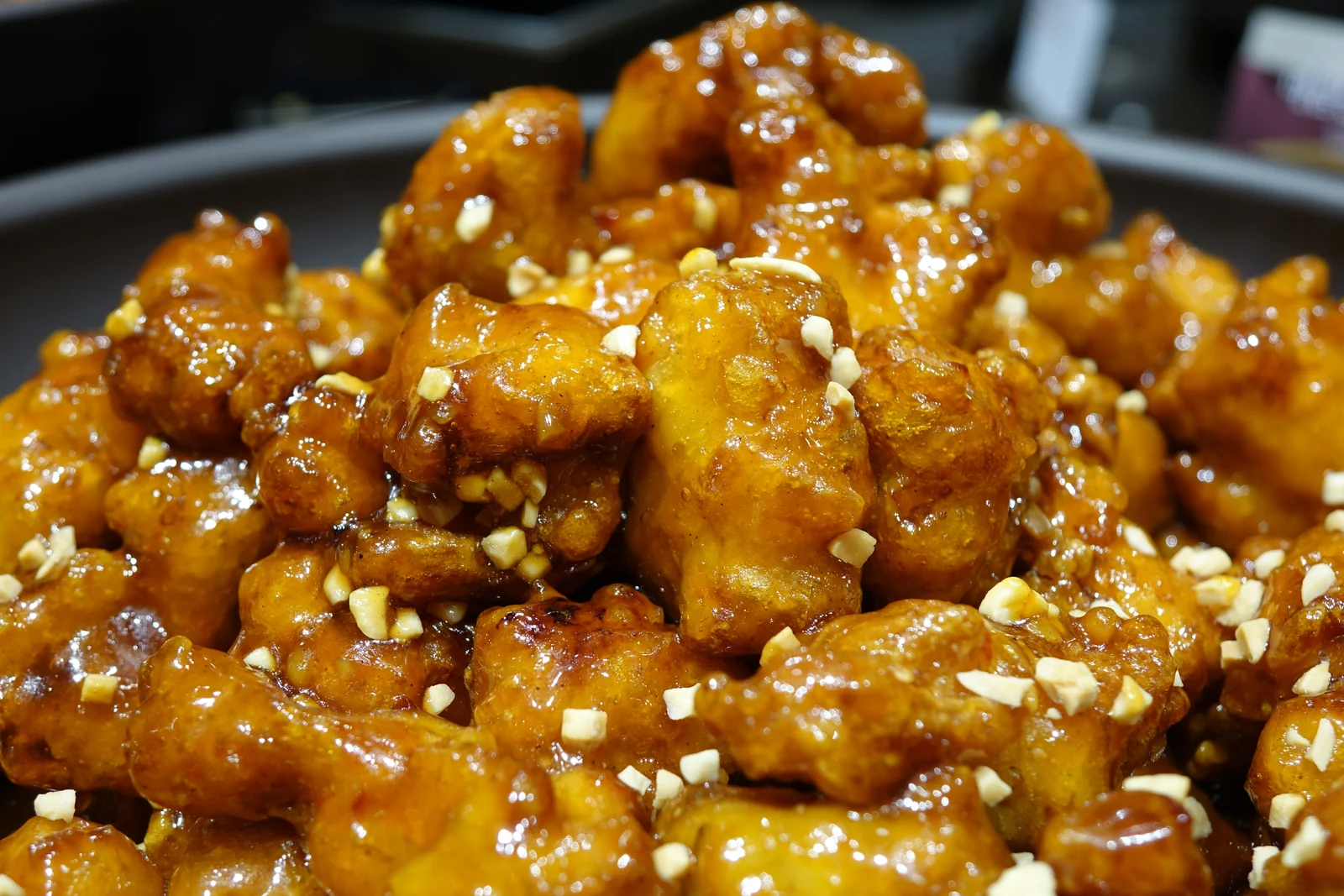 Eat · ~2h
Chicken fried twice and tossed in a sticky sweet-spicy glaze, sold by the box.
See the detail →No typing needed — jump straight in:
Just docked? — the gangway toolStart from your shipThe ride from every berthAsk the editorGlossary