~1h — the round trip from the gangway, with the 60-minute margin kept aside.
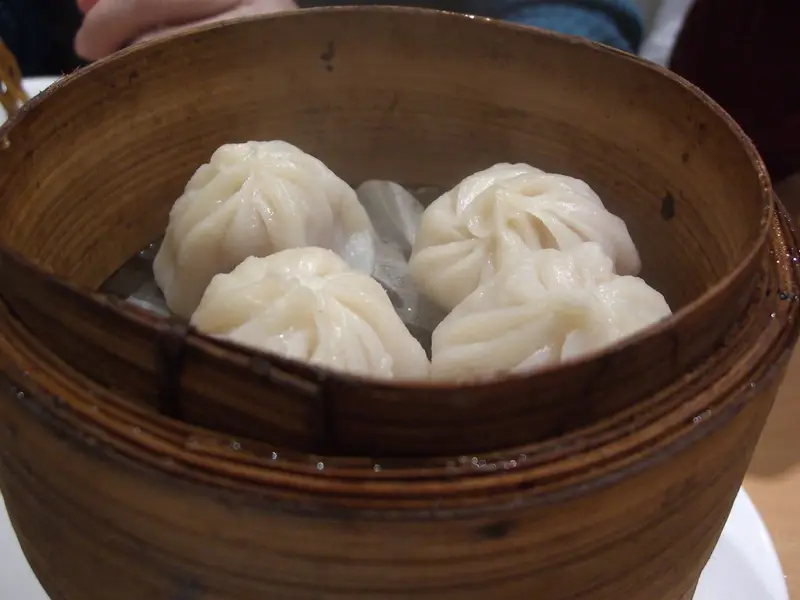
One item, one queue, since 1915. The pork buns that made Nankinmachi famous, eaten standing under the lanterns. The line moves fast; go before noon.
Roushouki has sold one thing since 1915: a small pork bun in a thin, slightly sweet skin, steamed in stacks by the door. The queue is part of the design. It is the founding shop of Kobe's Chinatown food culture and still sells the item by the piece.
The one the queue agrees on, the one people who live here use instead, and the one nearest your ship. Opening days change; check before you build a day around one.
One product since 1915: a small pork bun steamed in stacks by the door. The queue is part of the design.
Open in Google MapsWhere locals goHyotan瓢箪A few doors along, and the shop locals use when Roushouki has sold out, which it does.
Open in Google MapsClosest to the berthNankinmachi square南京町広場Two short lanes and a square. Buy from three stalls and eat standing, which is the local method.
Open in Google MapsEach of these still lands you back aboard with the hour to spare on a 6-hour stop ashore.
Each one is a finished day we have walked and timed, with this stop in it. Read the route rather than assembling it yourself.
Each of these still lands you back aboard with the hour to spare.
 2 hr 30 min for both
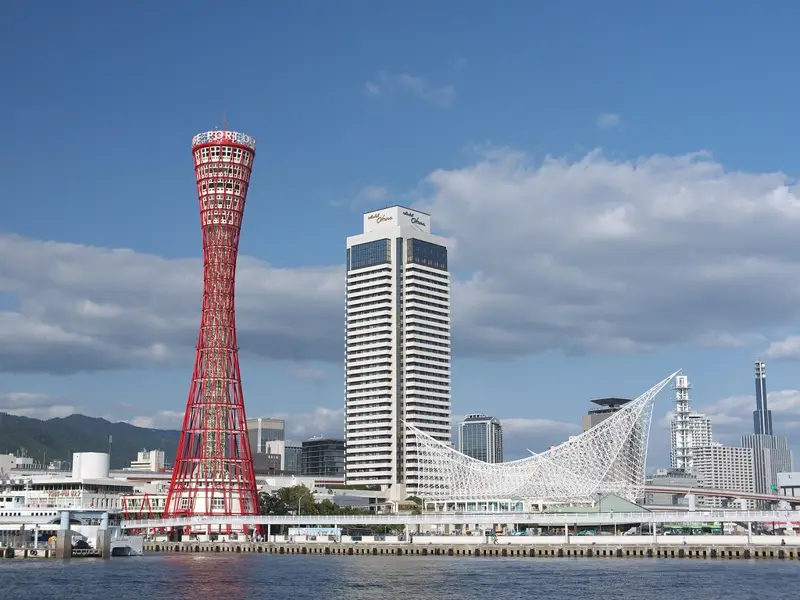
The red lattice tower is Kobe’s signature, and the waterfront under it — museums, ferris wheel, mosaic malls — fills whatever time your bigger plans leave over..
See the detail →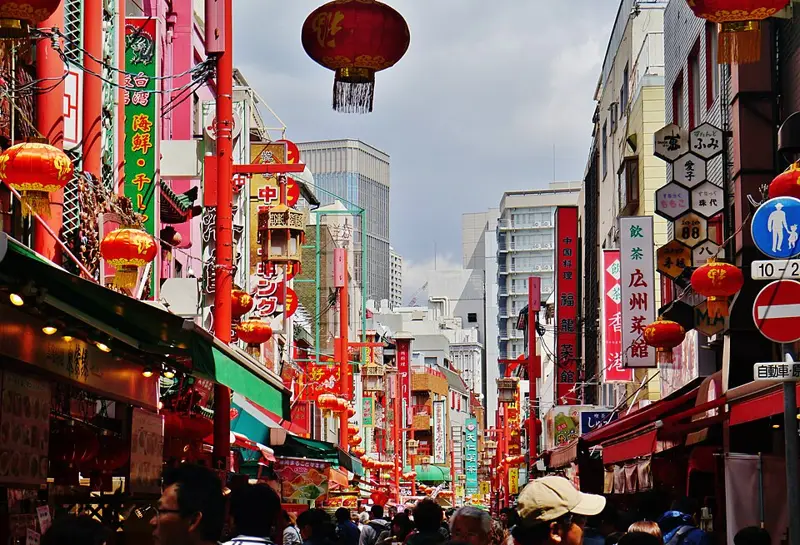 2 hr 30 min for both
Compact, lantern-strung and made for grazing — one of Japan’s three Chinatowns, five minutes from the old foreign settlement’s banks and boutiques..
See the detail → 2 hr 30 min for both
This city taught Japan European pastry — Motomachi’s patisseries still lead.
See the detail →No typing needed — jump straight in:
Just docked? — the gangway toolStart from your shipThe ride from every berthAsk the editorGlossary