~1.5h — the round trip from the gangway, with the 60-minute margin kept aside.
Tap a photo to see it large. 7 photographs, each credited.
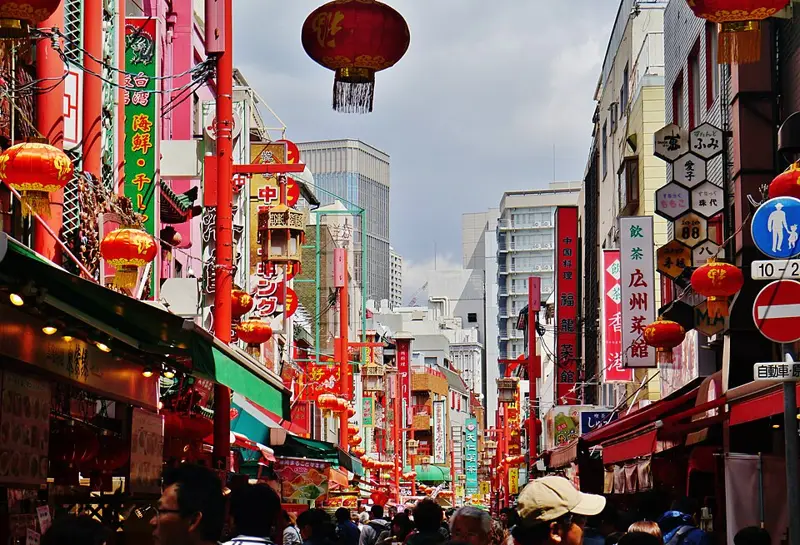
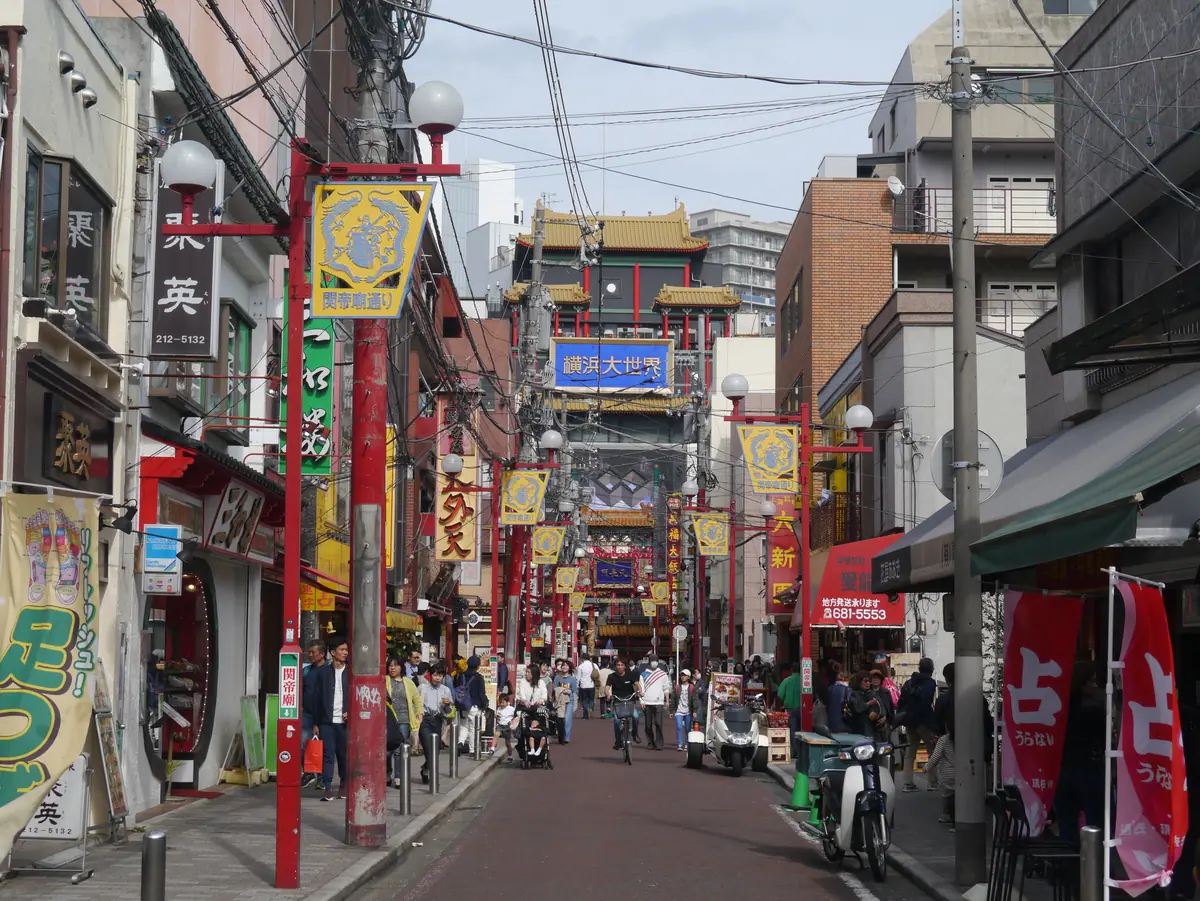
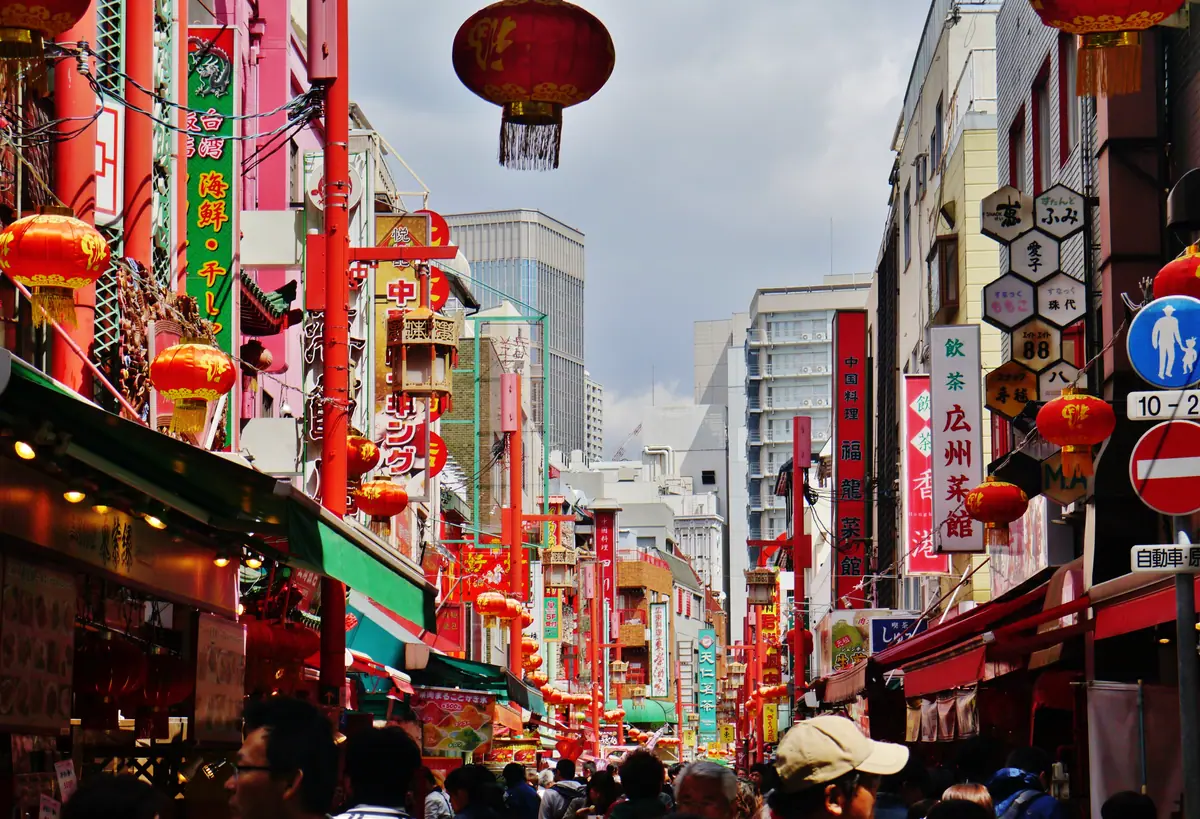
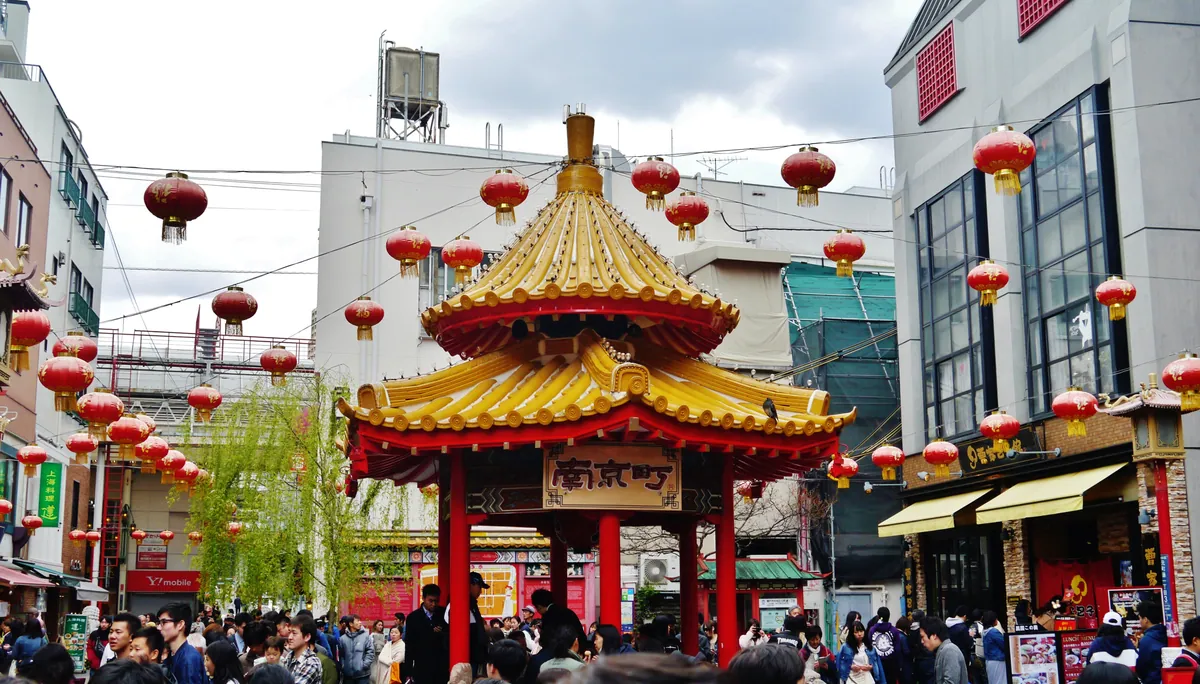
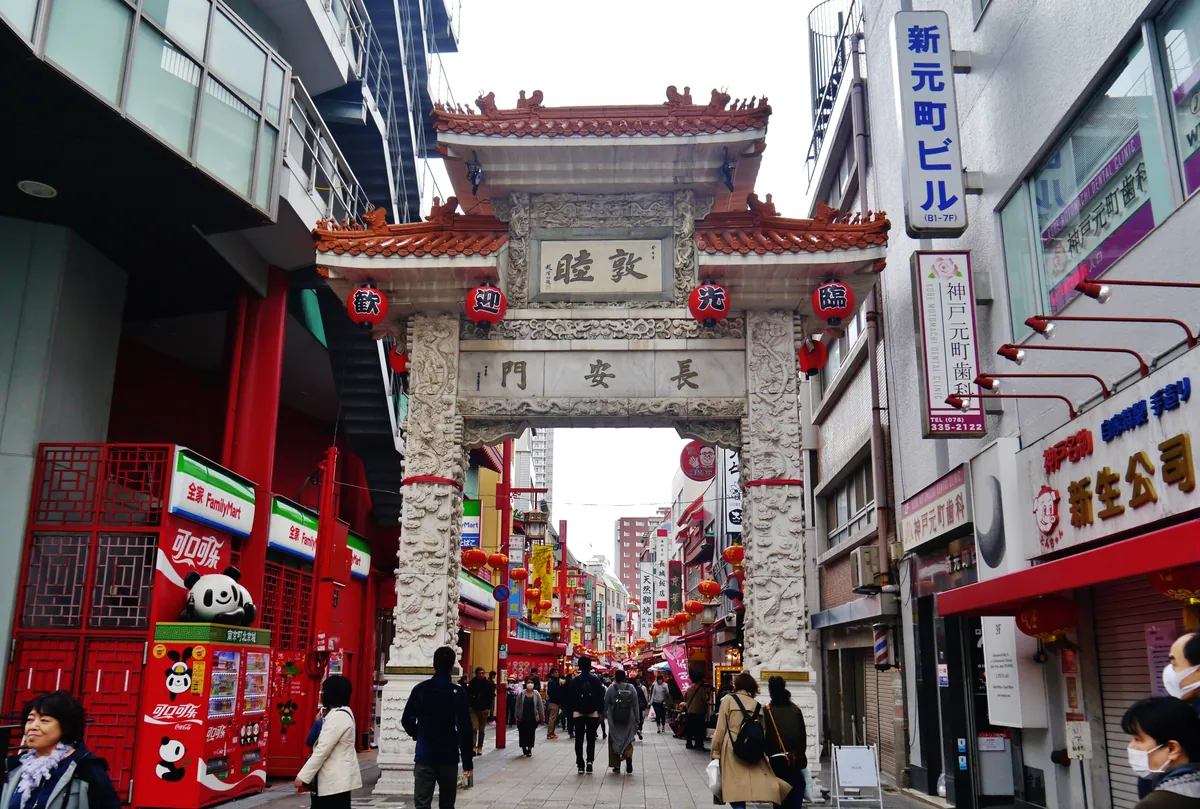
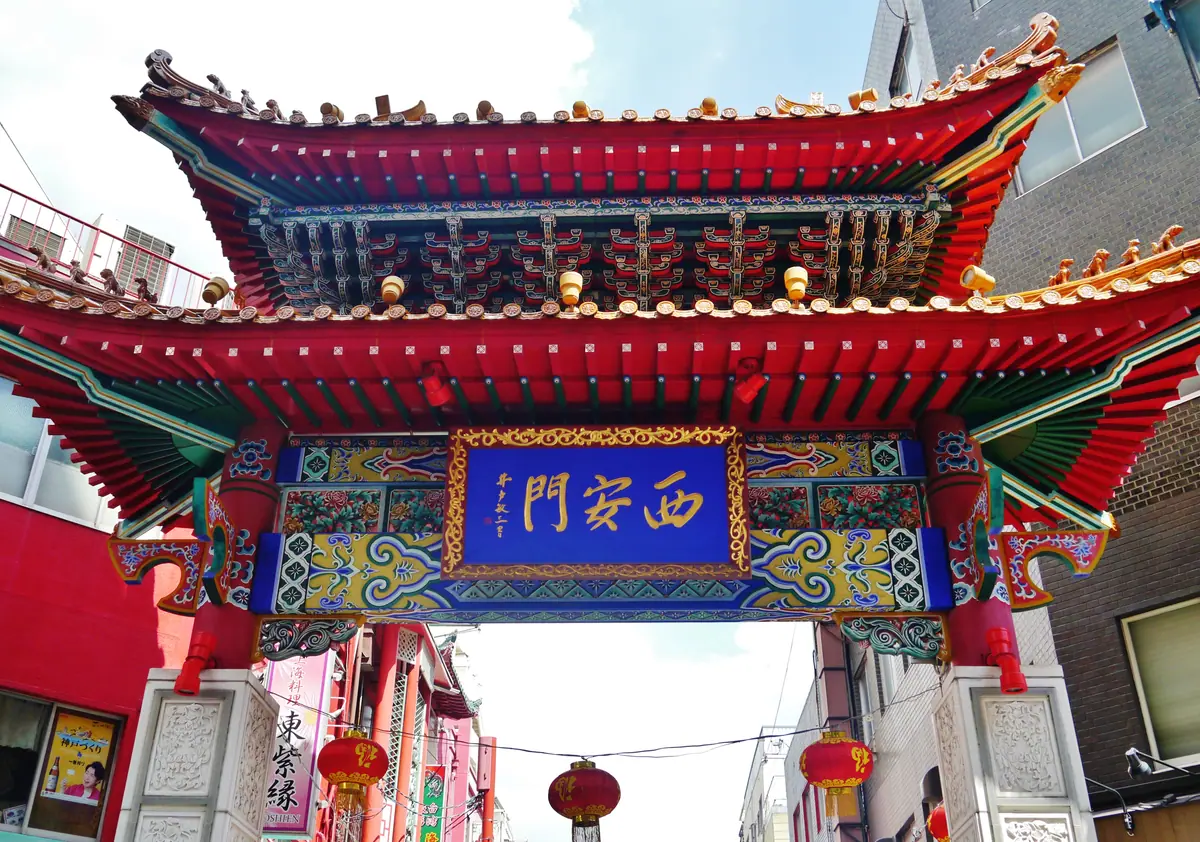
Compact, lantern-strung and made for grazing — one of Japan’s three Chinatowns, five minutes from the old foreign settlement’s banks and boutiques.
Two hundred metres of Chinatown, and the queue that never ends
Kobe's Chinatown dates from the 1868 opening of the port, when Chinese traders settled beside the foreign concession. It is compact by design: two short covered lanes and a square, with food sold to be eaten standing up. That density is why it works on a port day.
Japan has three Chinatowns. This is the smallest and the most concentrated — a couple of hundred metres of lanterns where the correct strategy is not to sit down at all.
Chinese merchants arrived with the Western trading houses in 1868 but were not covered by the treaties, so they settled immediately west of the foreign quarter. That exclusion produced Japan's most concentrated Chinatown: essentially one street and a square, packed with street food.
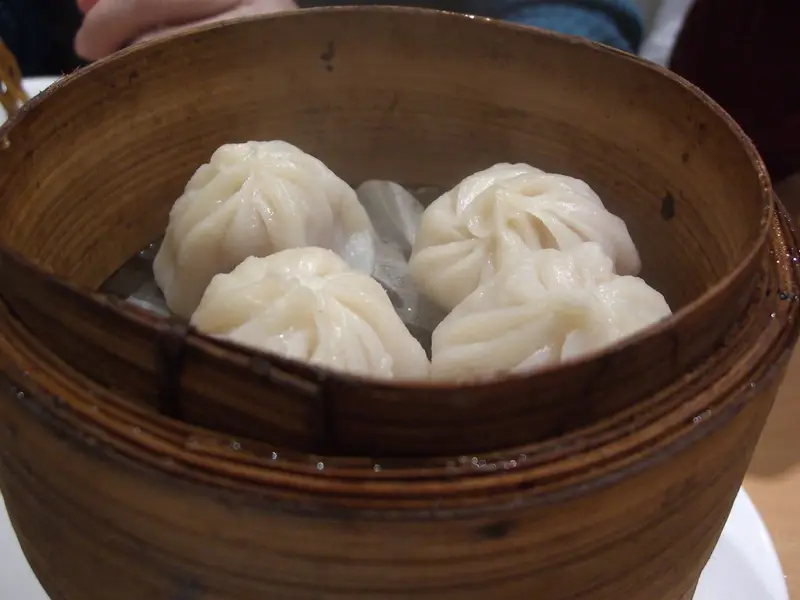
Roushouki has made one item since 1915 — butaman pork buns, small enough that three is a normal order — and the queue is permanent and fast. Yokohama's Chinatown is bigger and Nagasaki's is older, but Kobe's is the one you eat your way along.
Chinese merchants arrive with the Western houses
Settled west of the foreign quarter, because treaties excluded them from it
One item, pork buns, still queued for daily
The quarter is damaged and rebuilt; the street pattern survives
Ten minutes from Naka Pier and on the way to everything. Eat standing; sit down only if it rains.
Both pins on one map, so the distance is a fact rather than a feeling.
Each of these still lands you back aboard with the hour to spare on a 6-hour stop ashore.
Twenty minutes if you just want a pork bun, ninety if you graze properly. It is essentially one street and a square, ten minutes on foot from Naka Pier and directly on the route to Sannomiya, which is why it fits into almost any plan.
Butaman from Roushouki, which has sold the same steamed pork bun since 1915 — three is a normal order. Then chimaki, sticky rice steamed in bamboo leaf, and a grilled scallop skewer. Eat standing; that is how the street is designed to work.
Each one is a finished day we have walked and timed, with this stop in it. Read the route rather than assembling it yourself.
Each of these still lands you back aboard with the hour to spare.
 2 hr 30 min for both
One item, one queue, since 1915.
See the detail →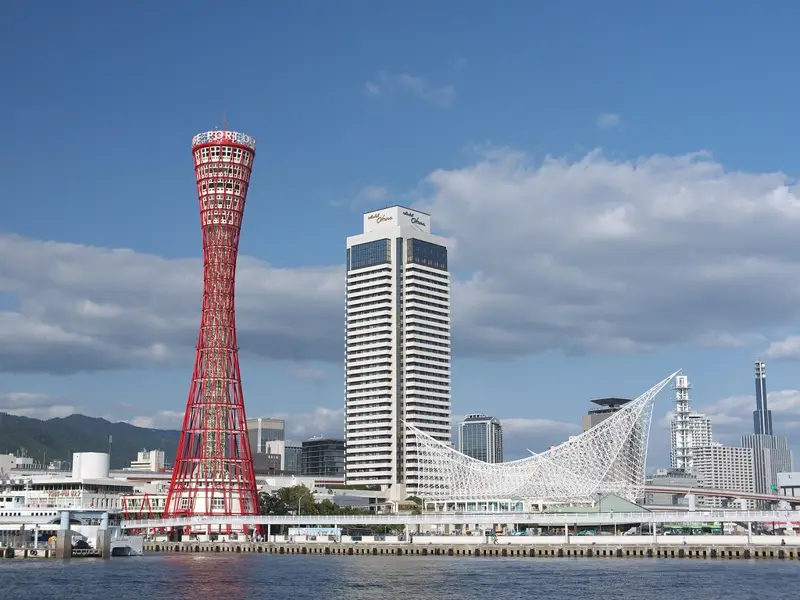 3 hr for both
The red lattice tower is Kobe’s signature, and the waterfront under it — museums, ferris wheel, mosaic malls — fills whatever time your bigger plans leave over..
See the detail → 3 hr for both
This city taught Japan European pastry — Motomachi’s patisseries still lead.
See the detail →No typing needed — jump straight in:
Just docked? — the gangway toolStart from your shipThe ride from every berthAsk the editorGlossary