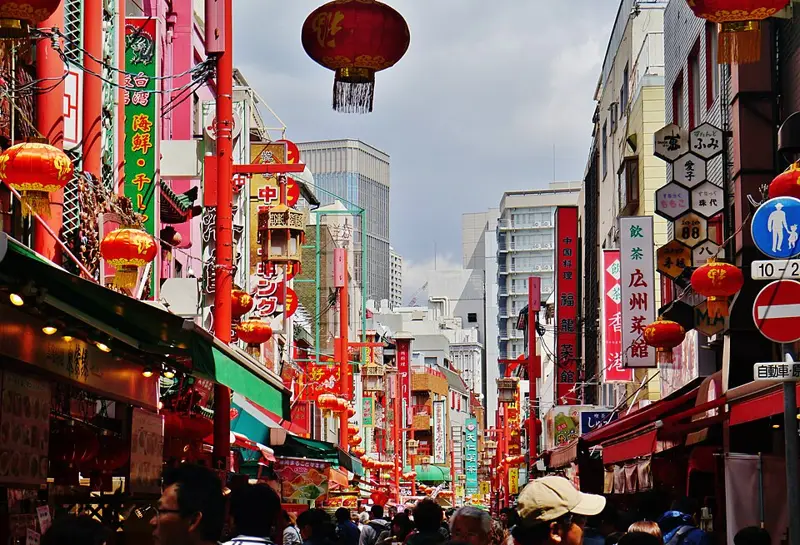
Two hundred metres of Chinatown, and the queue that never ends
Japan has three Chinatowns. This is the smallest and the most concentrated — a couple of hundred metres of lanterns where the correct strategy is not to sit down at all.
When the port opened in 1868, Chinese merchants came with the Western trading houses — but they were not covered by the treaties, so they could not live in the foreign settlement. They settled immediately west of it instead, and that accident of exclusion produced Nankinmachi.
It is small: essentially one east-west street and a short crossing, with a square in the middle. Yokohama's Chinatown is far larger and Nagasaki's is older. Kobe's is the one people actually eat their way along, because everything is street food and everything is within sixty seconds of everything else.
Roushouki has been making one item since 1915: butaman, pork buns, small enough that three is a normal order. There is a queue at almost any hour and it moves fast, because nobody is choosing — you hold up fingers and pay.
The bun is not a meal and is not meant to be. It is the opening move. After it: chimaki, sticky rice steamed in bamboo leaf; grilled scallops on skewers; ebi-chiri prawns in chilli sauce eaten standing; and the sesame-coated fried dumplings sold by weight.
Do not sit down. The restaurants here are fine and the street is better.
For roughly two weeks around Chinese New Year — late January or February — the quarter runs the Shunsetsusai, a spring festival with lion dances, dragon processions and Chinese opera in the square. The lanterns triple, the crowd becomes serious, and the whole thing spills into the surrounding streets.
If your call lands in that window it is the best two hours in Kobe, and no plan should be defended against it.
Nankinmachi sits between the waterfront and Sannomiya station, which means it is on the way to everything — ten minutes from Naka Pier, five from the old foreign settlement, fifteen downhill from Kitano. That geography is why our plans keep putting it in as a filler: it absorbs twenty minutes or ninety with equal grace, and it feeds you either way.
Chinese merchants arrive with the Western houses
Settled west of the foreign quarter, because treaties excluded them from it
One item, pork buns, still queued for daily
The quarter is damaged and rebuilt; the street pattern survives
And a spring festival that takes over the district each Chinese New Year
Ten minutes from Naka Pier and on the way to everything. Eat standing; sit down only if it rains.
Yes, and it takes very little time — it is essentially one street and a square, a hundred-odd metres, ten minutes from Naka Pier and on the way between the waterfront and Sannomiya. Treat it as street food rather than a restaurant destination and it is one of the best twenty minutes in the city.
Butaman pork buns from Roushouki, which has made the same item since 1915 and always has a fast-moving queue. Then chimaki (sticky rice in bamboo leaf), grilled scallop skewers, and the sesame dumplings sold by weight. Eat standing; that is how the street works.
Kobe's is the smallest and most concentrated — better for grazing, worse for sit-down dining. Yokohama's is much larger with 600-odd shops; Nagasaki's is the oldest and the most historically layered. Kobe's advantage is that it is directly on the route between the pier and the city.
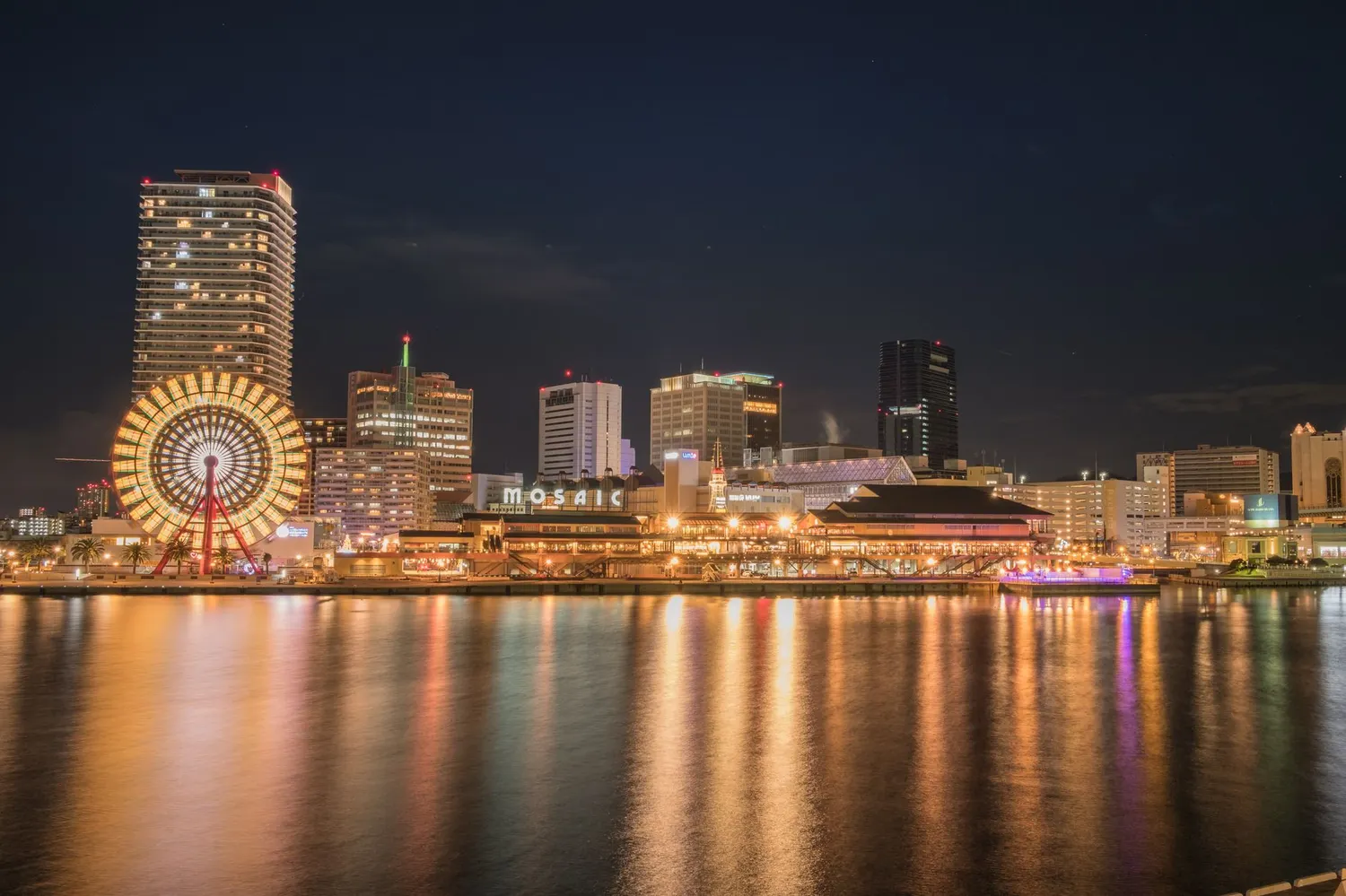
A fishing village in 1867, a world city by 1900
Read →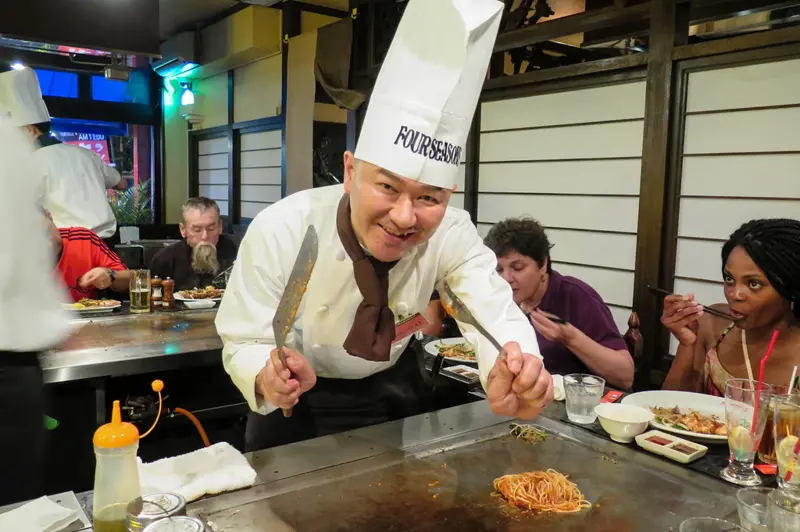
What the name legally means, and why almost nothing abroad qualifies
Read →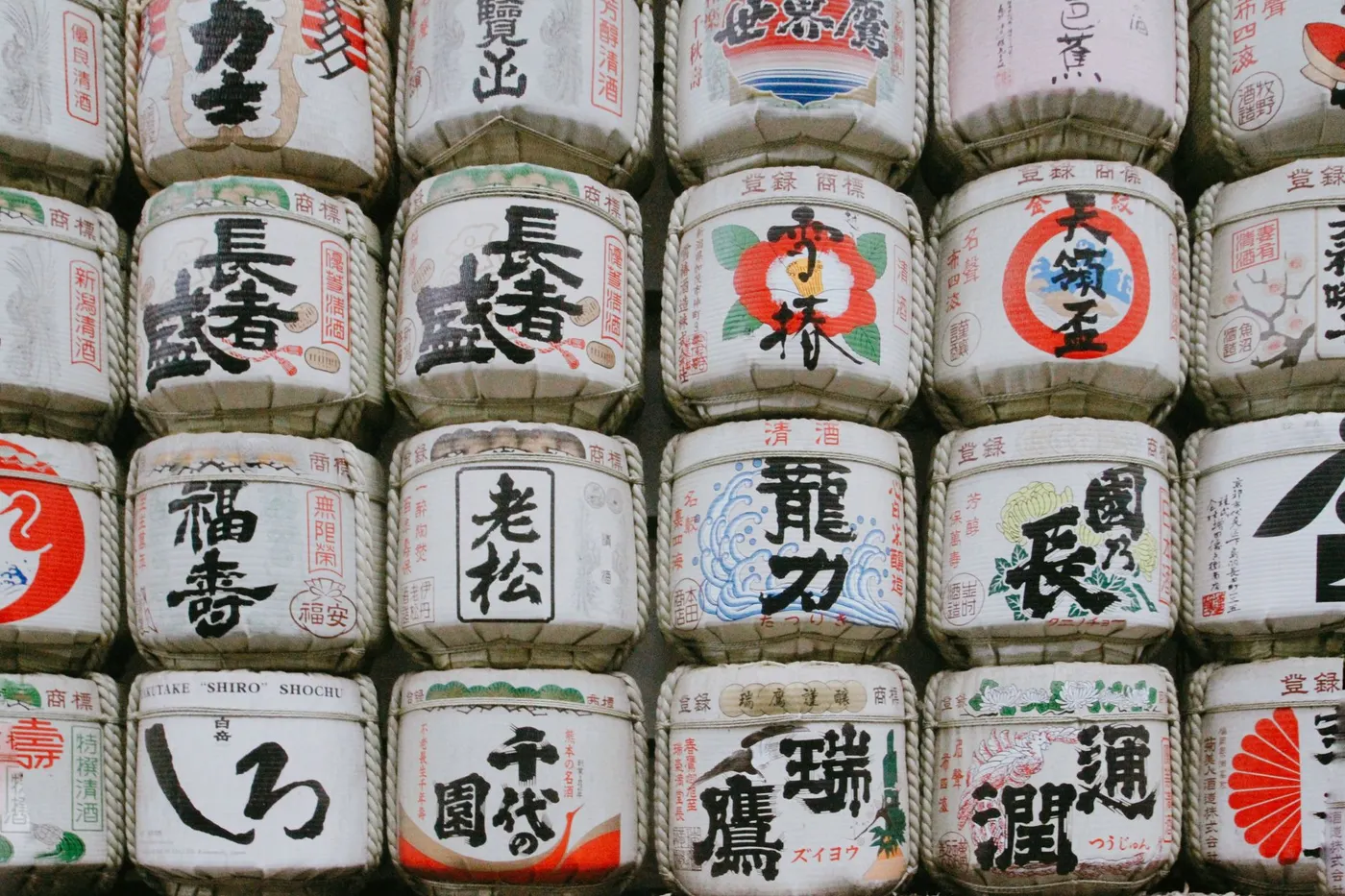
A quarter of Japan's sake, made from one spring of water
Read →
Every Kobe passenger faces it, and most get the answer wrong
Read →No typing needed — jump straight in:
Just docked? — the gangway toolStart from your shipThe ride from every berthAsk the editorGlossary