A quarter of Japan's sake, made from one spring of water
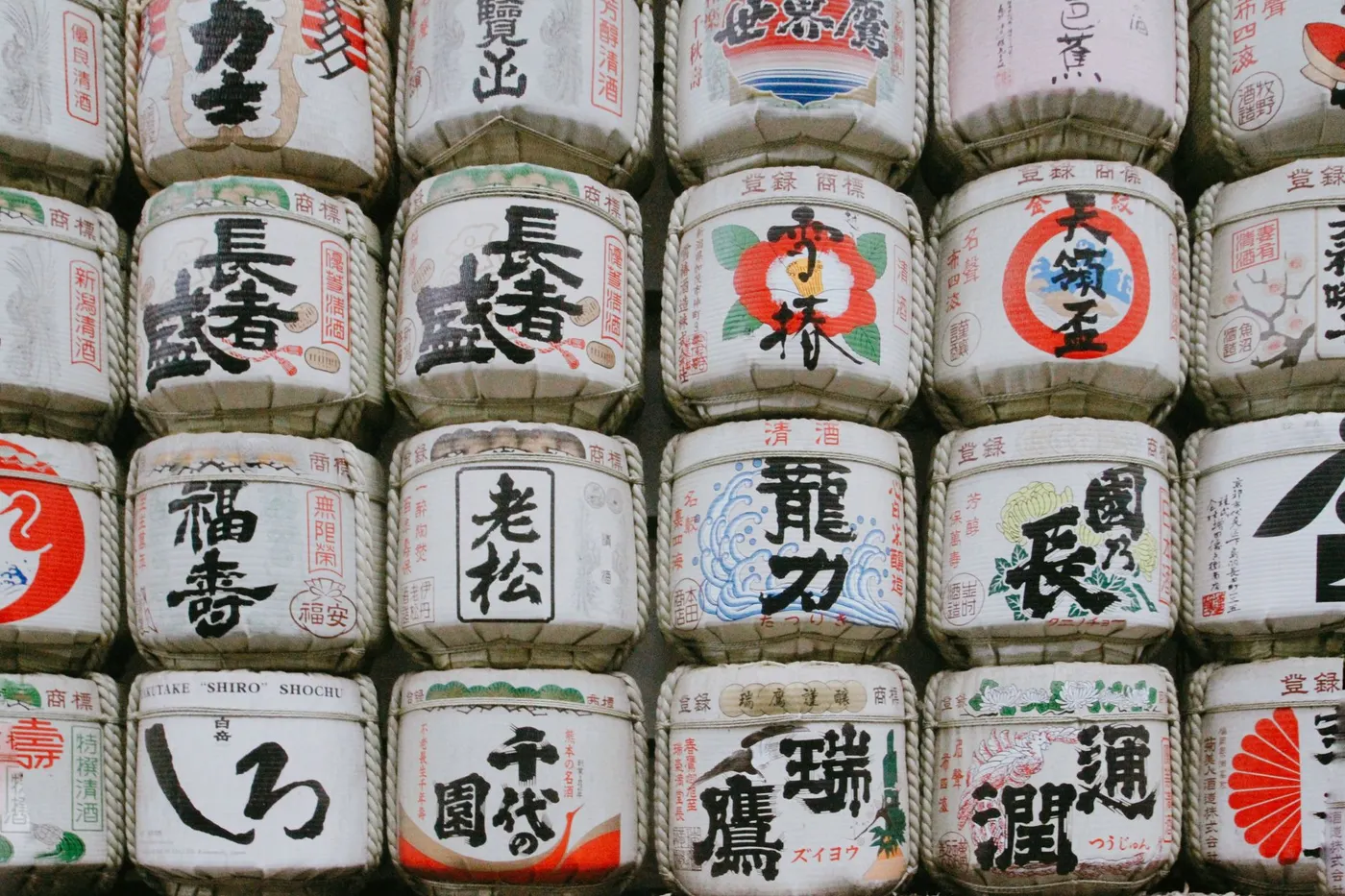
Japan's biggest sake district sits between Kobe and Osaka and produces roughly a quarter of the nation's sake — because of a hard mineral spring discovered in 1840, a cold wind off the mountains, and a river fast enough to turn a stone mill.
The strip of coast east of Kobe — five brewing villages collectively called Nada Gogo — makes on the order of a quarter of all Japanese sake. Not a quarter of the premium sake: a quarter of everything. It has held that position for roughly three centuries, and the reasons are unusually concrete.
In 1840 a brewer named Yamamura Tazaemon ran two breweries and could not understand why one consistently made better sake than the other. He swapped the rice. He swapped the brewers. Nothing changed. Then he swapped the water — and the difference moved with it.
The water was from a well in Nishinomiya, and it is now called miyamizu, "shrine water." It is unusually rich in phosphorus and potassium, which yeast feeds on, and unusually low in iron, which ruins colour and flavour. Nada breweries have piped and trucked it ever since. A brewing revolution that came down to one man methodically eliminating variables.
The water is why. Everything else in Nada is scale built on top of that discovery.
Cold wind: the rokkō-oroshi blows down off the mountains in winter, which let Nada brew in the cold long before refrigeration — and cold, slow fermentation is what makes clean sake.
Fast rivers: steep streams off Mount Rokko turned water wheels that polished rice, mechanising the most laborious step in the process centuries before anyone else.
The sea: Osaka Bay put barrels on ships to Edo, where the market was. Nada sake reached the capital fresher and cheaper than anyone else's, and the capital developed a taste for it.
Nada's style follows from the water: otoko-zake, "masculine sake" — dry, firm, clean-finishing — as opposed to the softer, rounder sake of Fushimi in Kyoto, which uses gentler water. The two districts have been the poles of Japanese sake for centuries.
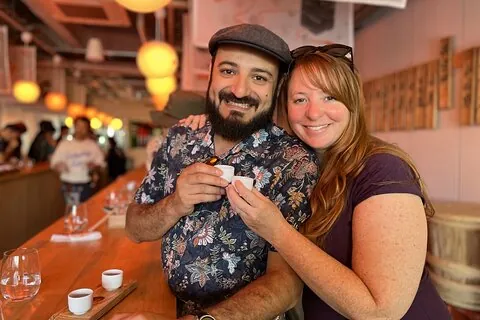
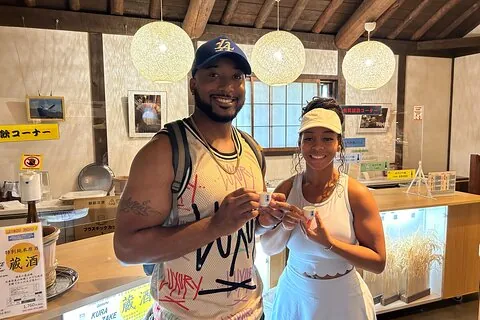
Several of the big houses run free museums with tastings a short local-train ride east of Sannomiya: Hakutsuru, Kiku-Masamune, Sawanotsuru and others, mostly in restored wooden brewery buildings with the old tools in place. English signage is decent, entry is generally free, and tasting is either free or a few hundred yen.
The 1995 earthquake destroyed many of the original wooden brewhouses — this district was close to the epicentre — and what you see is often faithfully rebuilt rather than original. The rebuilding is part of the story here.
Fast rivers, cold wind and a short sea route to the capital
Yamamura Tazaemon isolates the water as the variable that mattered
Around a quarter of all national output
Many original wooden brewhouses destroyed; most museums are rebuilds
Hakutsuru, Kiku-Masamune, Sawanotsuru and others, minutes by local train
The brewery museums are a short local train from Sannomiya, mostly free, with tastings. The guided version handles the train logistics and adds a brewer.
Four reasons that compound: miyamizu spring water, identified in 1840 as unusually rich in the minerals yeast needs and low in the iron that spoils sake; cold winter wind off Mount Rokko that allowed cold brewing before refrigeration; fast rivers that powered rice-polishing mills; and a short sea route to the Edo market. It produces roughly a quarter of all Japanese sake.
Yes, easily. Several major houses — Hakutsuru, Kiku-Masamune, Sawanotsuru — run museums with tastings a short local-train ride east of Sannomiya, mostly free to enter, with reasonable English signage. Allow three to four hours door to door from the pier.
Dry, firm and clean-finishing — the style called otoko-zake, "masculine sake," which comes directly from the hard miyamizu water. Kyoto's Fushimi district, using softer water, produces the rounder counterpart; the two have been the poles of Japanese sake for centuries.
A fishing village in 1867, a world city by 1900
Read →
What the name legally means, and why almost nothing abroad qualifies
Read →
Two hundred metres of Chinatown, and the queue that never ends
Read →
Every Kobe passenger faces it, and most get the answer wrong
Read →No typing needed — jump straight in:
Just docked? — the gangway toolStart from your shipThe ride from every berthAsk the editorGlossary