What the name legally means, and why almost nothing abroad qualifies
Fewer than 4,000 cattle a year earn the name. They must be Tajima-strain, born, raised and slaughtered in Hyogo Prefecture, and graded past a threshold most wagyu never reaches. The steak you had in Las Vegas was almost certainly not one of them.
Japan spent twelve centuries barely eating beef. A Buddhist-influenced prohibition, formalised in the seventh century and reinforced repeatedly, meant cattle were draught animals rather than food. When the ban lifted in the Meiji era, one region already had the animal that mattered.
The Tajima strain of Japanese Black cattle had been raised in the mountains of northern Hyogo for centuries — small, hardy, isolated by geography, and genetically inclined to deposit fat inside the muscle rather than around it. That intramuscular marbling is the entire point.
To be sold as Kobe beef, an animal must be:
· Pure Tajima-strain Japanese Black, born in Hyogo Prefecture. · Raised in Hyogo, on a designated farm, its whole life. · A bullock or a virgin cow. · Slaughtered in Hyogo. · Graded at A4 or A5, with a marbling score of 6 or higher on a 12-point scale, and a carcass weight below a set ceiling.
Roughly 3,000–4,000 animals qualify each year, worldwide, in total. Every certified carcass has a ten-digit identification number you can look up.
That number is the check. A restaurant serving genuine Kobe beef will display its certificate and the number; ask, and nobody will be offended. Overseas, the vast majority of "Kobe beef" is either domestic wagyu-cross or simply marketing — Japan permitted almost no beef export at all until 2012.
You will have heard that the cattle are massaged and given beer. This is not entirely invented, and it is not the reason for the quality. Some farmers do brush or massage animals, particularly in cold months or when appetite drops; a few have given beer for the same reason. These are small-herd husbandry practices from farmers who keep a handful of animals, not a industry-wide ritual.
The quality comes from genetics, from a long slow feeding period — often around 30 months, far beyond commercial norms — and from low-stress raising in small herds. The mythology is more fun and less true.
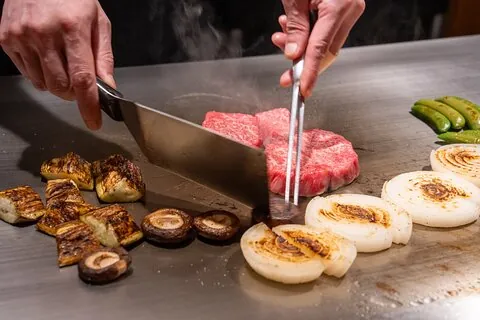
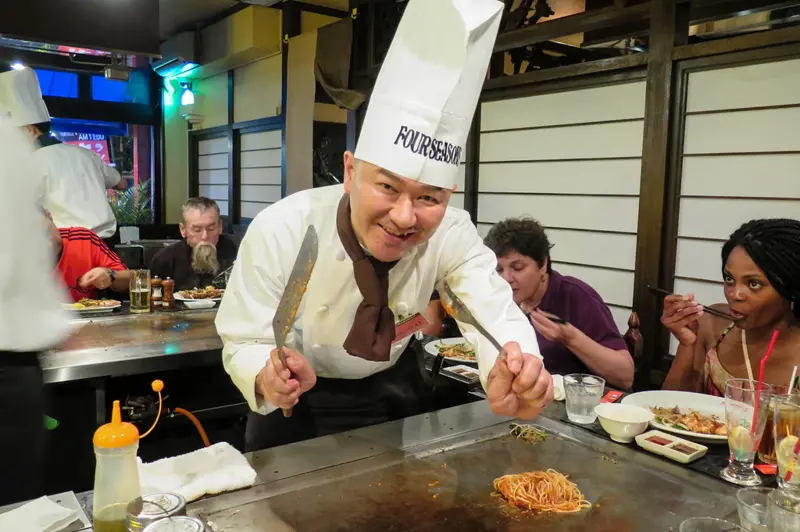
Order teppanyaki — cooked on a steel griddle in front of you — and let them serve it medium-rare at most. The fat melts near body temperature, which is why a slice feels like it dissolves; cook it further and you have rendered out the thing you paid for.
Lunch is the move. The same beef, the same chefs, at roughly a third of dinner prices — a Kobe beef lunch set runs from around ¥5,000–8,000 where dinner starts at ¥15,000. On a port day that is not a compromise; it is simply when this city eats it.
And portion honesty: 100 to 150 grams is a serving. This is not a steak you eat 300 grams of, and restaurants will gently tell you so.
Cattle are draught animals for the next twelve hundred years
Bred for work; genetically inclined to marble
Kobe becomes the place Japan learns to eat it
Formal rules for what may be called Kobe beef
Before this, essentially no genuine Kobe beef left Japan
Each certified carcass carries a ten-digit number
Book a lunch set before you sail — same beef, same chefs, roughly a third of the dinner price. Ask to see the certificate; it is normal here.
It must be pure Tajima-strain Japanese Black, born, raised and slaughtered in Hyogo Prefecture, be a bullock or virgin cow, and grade A4 or A5 with a marbling score of 6 or higher. Only around 3,000–4,000 animals qualify worldwide each year, and every certified carcass carries a ten-digit ID number.
Usually not. Japan permitted essentially no beef export until 2012, and volumes remain tiny — the great majority of "Kobe beef" on foreign menus is domestic wagyu-cross or pure marketing. In Kobe itself, restaurants display their certification number, and it is entirely normal to ask.
Lunch. The same beef and the same chefs cost roughly a third of dinner prices — sets from around ¥5,000–8,000 against ¥15,000-plus in the evening. Book before you sail, order teppanyaki, and accept medium-rare: the fat melts near body temperature and cooking it further wastes it.
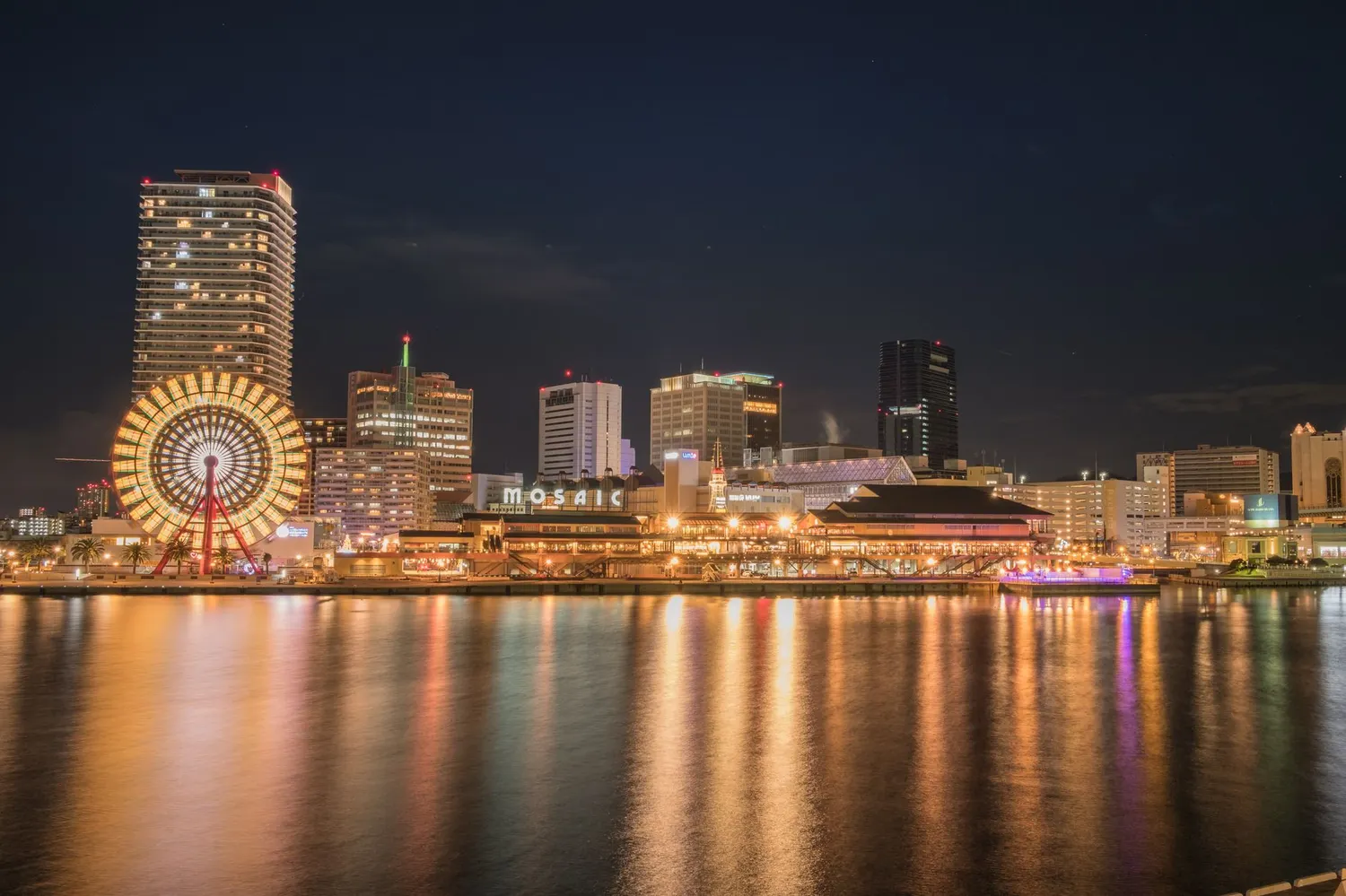
A fishing village in 1867, a world city by 1900
Read →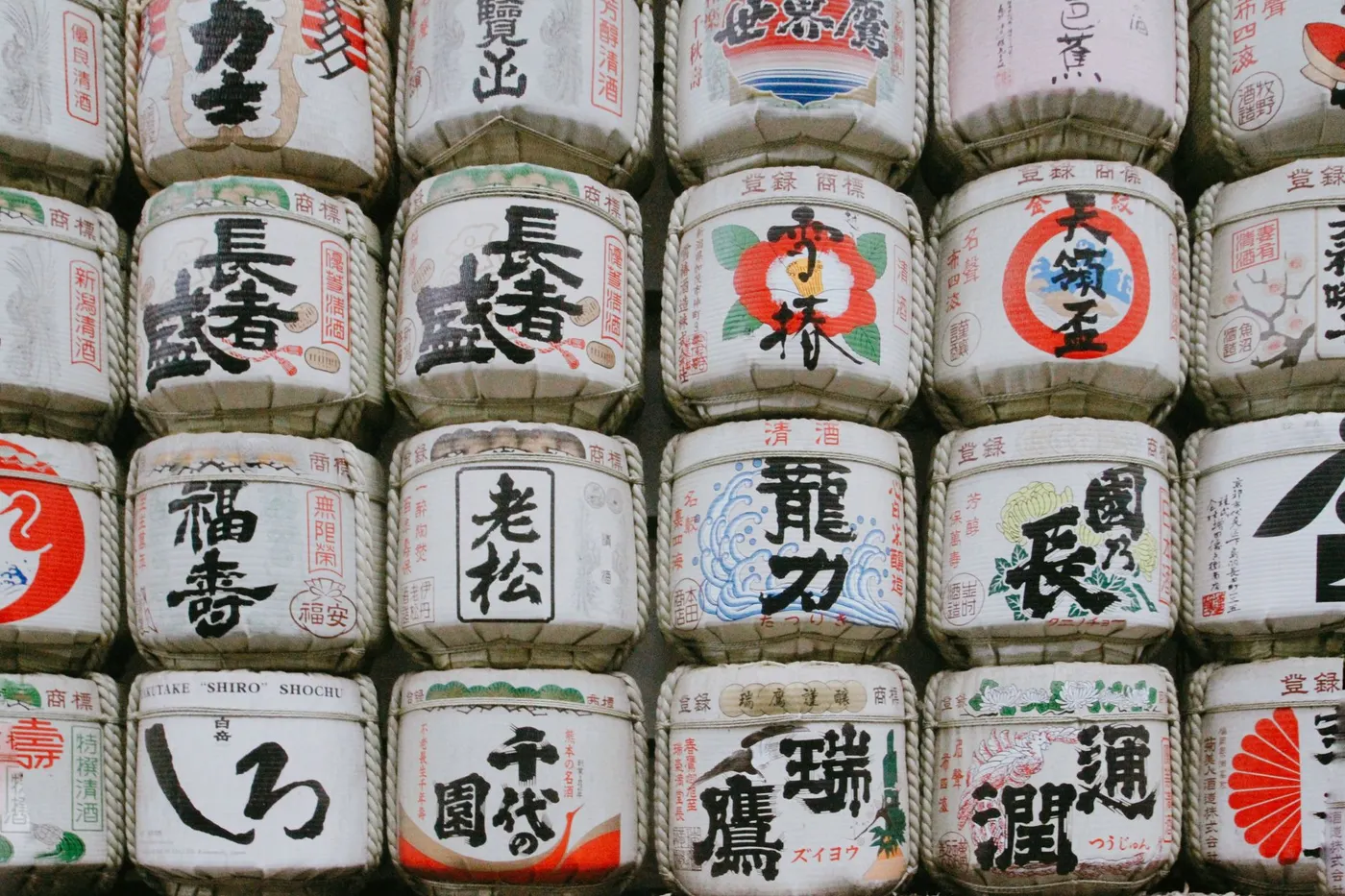
A quarter of Japan's sake, made from one spring of water
Read →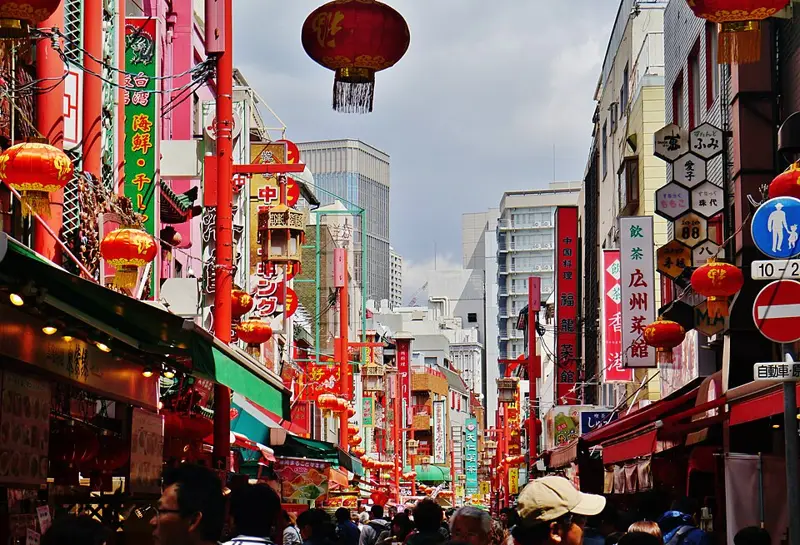
Two hundred metres of Chinatown, and the queue that never ends
Read →
Every Kobe passenger faces it, and most get the answer wrong
Read →No typing needed — jump straight in:
Just docked? — the gangway toolStart from your shipThe ride from every berthAsk the editorGlossary