A fishing village in 1867, a world city by 1900
Kobe opened to foreign trade on 1 January 1868 — three days before the Meiji Restoration began. The city that grew out of that timing became Japan's most international, and it has never stopped behaving like it.
The port opened on 1 January 1868, one of the last of the treaty ports and by far the most consequential. Three days later the Boshin War began, the shogunate fell, and the country the foreigners had just been admitted to ceased to exist. Kobe grew up in the confusion that followed, and the confusion suited it.
What had been the fishing village of Hyogo became, within a generation, the place where Japan met the world commercially: shipping agents, banks, insurance houses, and a foreign settlement running east from the port that was administered — unusually — by its own residents.
The merchants built above the town, on the slope called Kitano, where the sea breeze reached and the summer was survivable. Around twenty of their houses survive, the ijinkan, and walking between them is the closest thing Japan has to a preserved treaty-port neighbourhood.
The Weathercock House of 1909, built for a German trader, is the emblem — brick, half-timbered, with a copper cockerel on the spire. The Moegi House next door was the American consul's. They are not grand by European standards. Their interest is that they are here at all, and that Japanese visitors come to look at them as exotica in exactly the way Europeans come to look at temples.
It is the reverse gaze, and Kobe has been comfortable with it for 150 years.
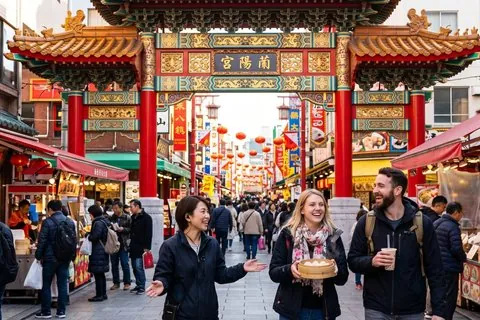
Foreign trade left specific residues. Japan's first golf course, first cinema screening, first jazz — all claimed by Kobe, some more defensibly than others. What is not disputed is the food: this is where Japan learned European pastry, where beef became respectable after twelve centuries of near-prohibition, and where a Chinese quarter grew into the country's most compact Chinatown.
The Kobe accent is famously relaxed; the city's self-image is stylish, slightly Western, faintly amused by Osaka. When people call it Japan's most cosmopolitan city, they mean this, and they are largely right.
At 5:46 on 17 January 1995, the Great Hanshin earthquake killed more than 6,400 people, most of them here, and destroyed roughly 100,000 buildings. The port — then one of the world's busiest — was wrecked, and never regained its global ranking.
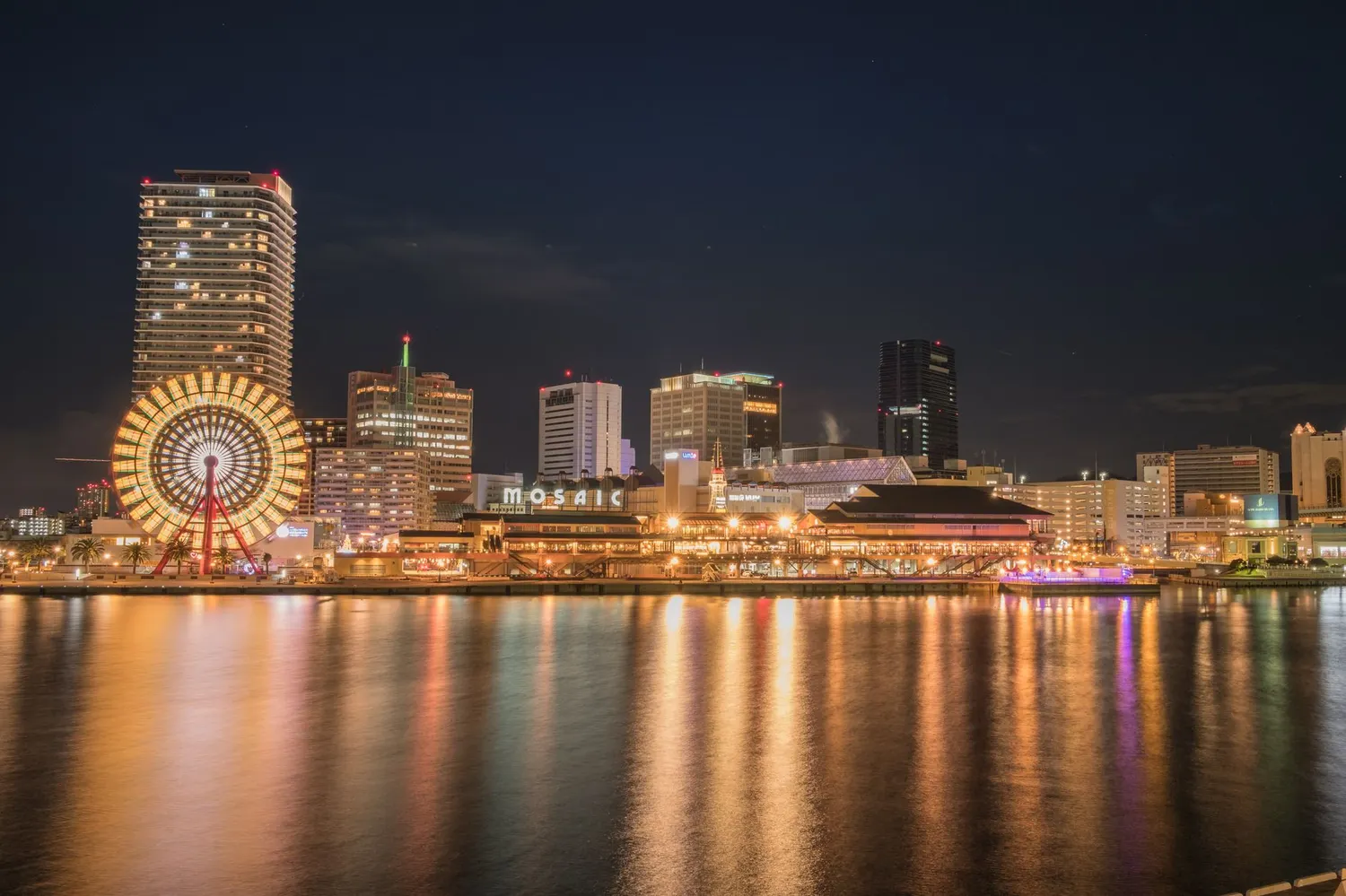
The rebuild was fast and the city talks about it plainly. A preserved section of collapsed quay is kept at Meriken Park exactly as the earthquake left it, buckled lamp posts included, a few minutes from where your ship ties up. It is small, unsentimental and worth five minutes.
Three days before the Boshin War begins and the shogunate falls
Self-administered; merchants build above the town at Kitano
Built for a German trader; now the emblem of the hillside
And the place Japan learned European pastry and beef
More than 6,400 dead; the port wrecked and never fully restored in rank
Lit to mourn the dead; now an annual institution
Kitano is a genuine climb from Sannomiya — take a taxi up and walk down. The earthquake memorial at Meriken Park is minutes from the pier.
It opened to foreign trade on 1 January 1868 and grew up as a treaty port with a self-administered foreign settlement, becoming the country's commercial meeting point with the world. About twenty Western merchant houses survive on the Kitano slope, and the city is where Japan adopted European pastry, beef and much else.
Yes. A section of collapsed quay is preserved exactly as the earthquake left it at Meriken Park, a few minutes from the cruise berth — buckled lamp posts and all. The December Luminarie illuminations also began in 1995 as a memorial to the more than 6,400 dead.
If you like architecture and social history, yes — it is the closest thing Japan has to a preserved treaty-port neighbourhood, with around twenty surviving Western merchant houses. It is a real hillside climb, so take a taxi up and walk down.
What the name legally means, and why almost nothing abroad qualifies
Read →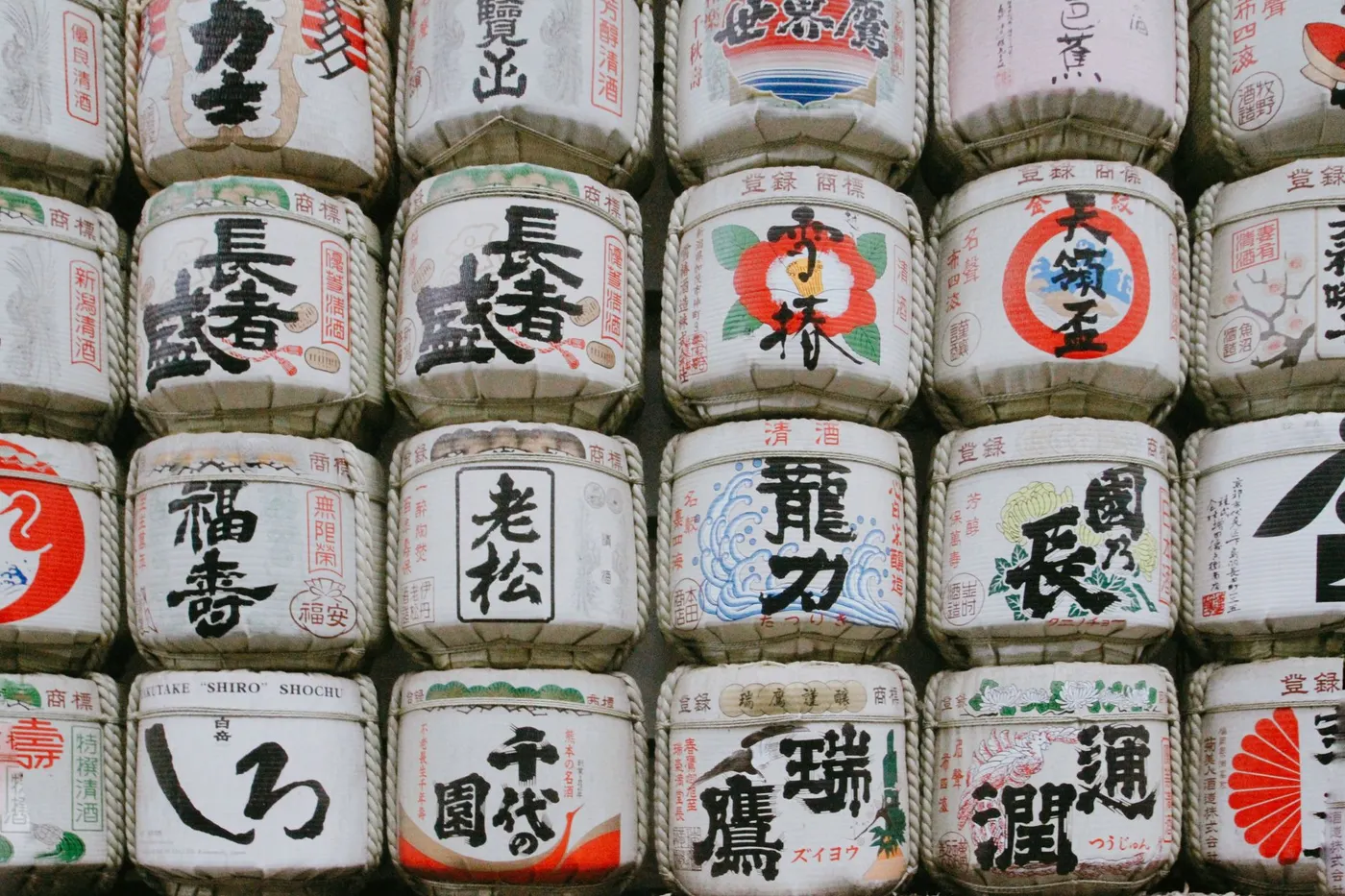
A quarter of Japan's sake, made from one spring of water
Read →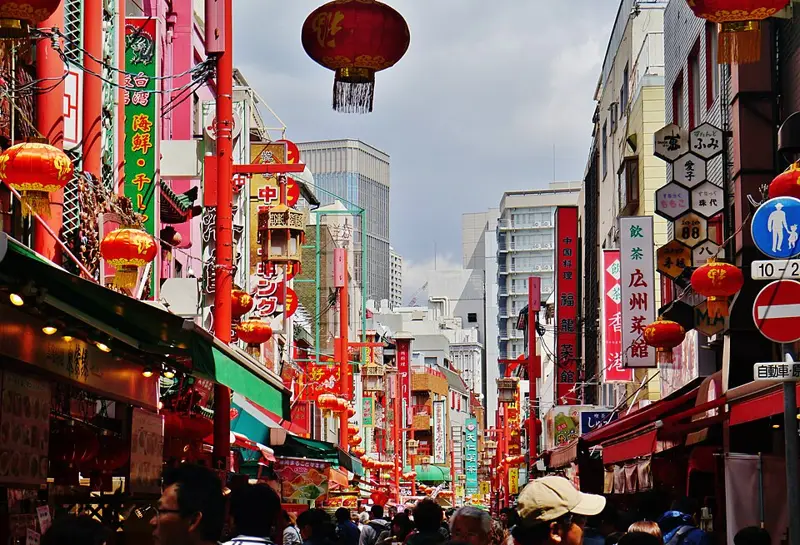
Two hundred metres of Chinatown, and the queue that never ends
Read →
Every Kobe passenger faces it, and most get the answer wrong
Read →No typing needed — jump straight in:
Just docked? — the gangway toolStart from your shipThe ride from every berthAsk the editorGlossary