~3h uphill — the round trip from the gangway, with the 60-minute margin kept aside.
Tap a photo to see it large. 3 photographs, each credited.
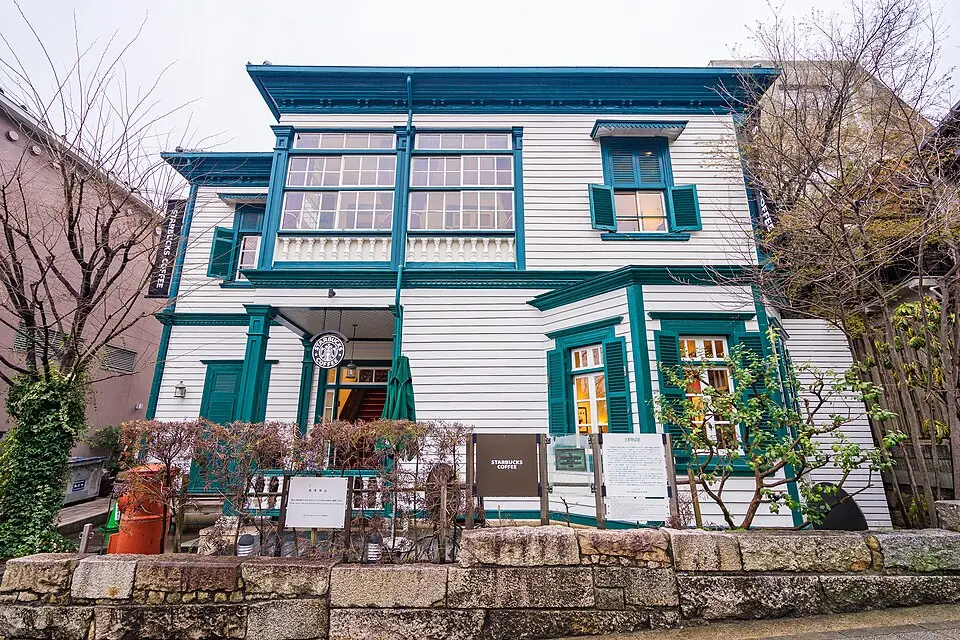
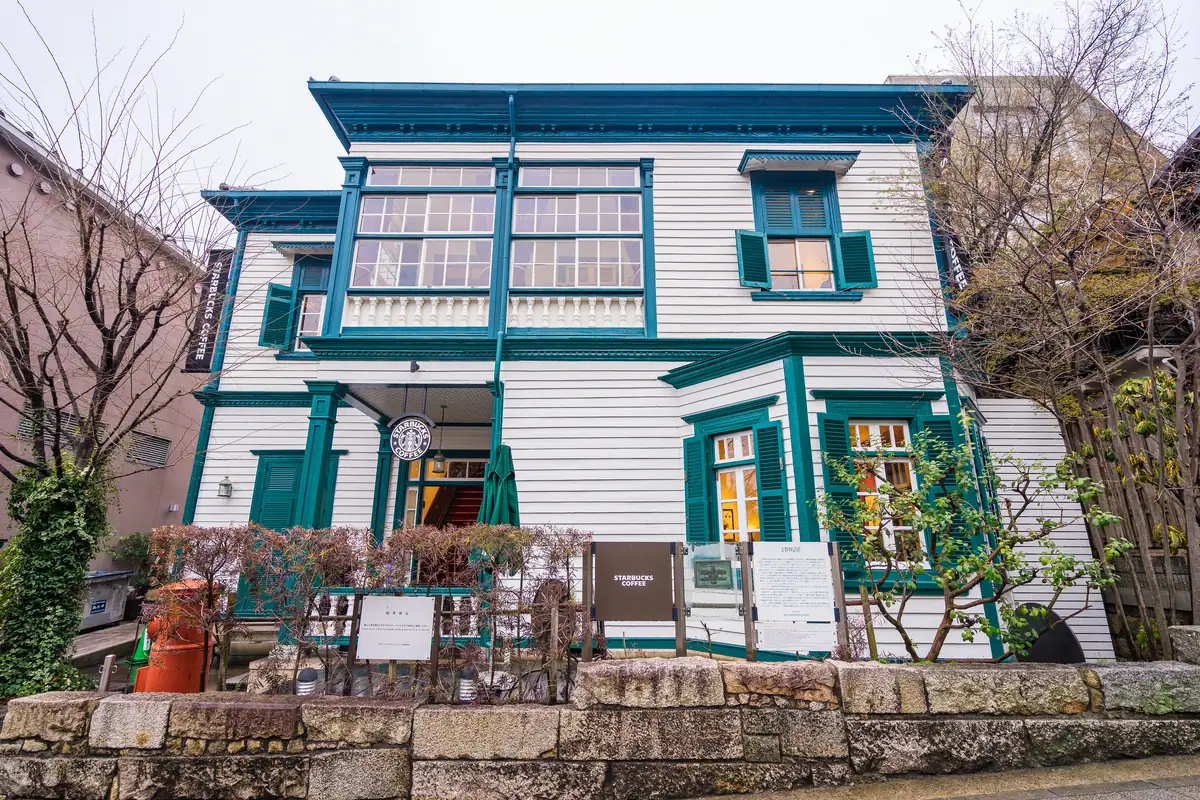
Meiji-era merchants built their European mansions on this hillside, and the sea views still explain why. Weathervane House and the lanes around it reward slow walking.
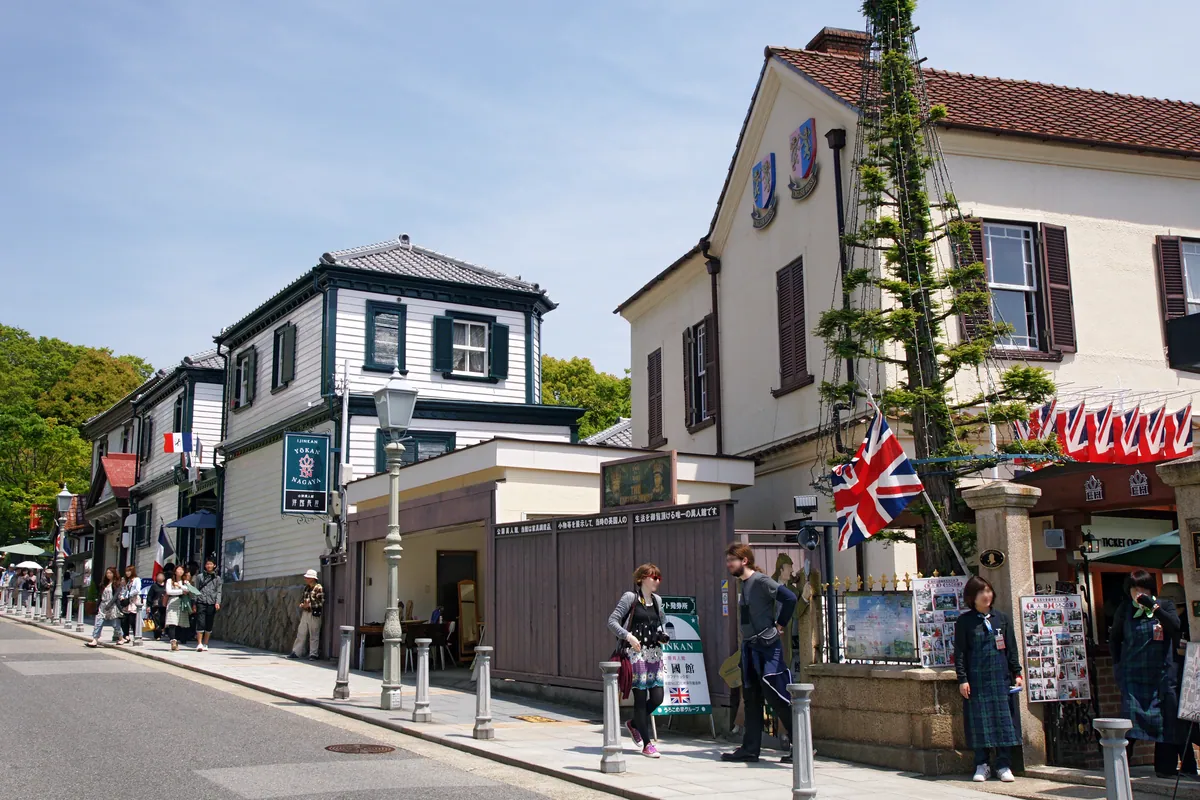
When Kobe opened to foreign trade in 1868, Western merchants built on the slope above the port. About twenty of their houses survive as ijinkan, and walking into them is the point: Kobe's cosmopolitan reputation, its bakeries and its coffee all start on this hillside.
When Kobe opened in 1868, foreign merchants built above the town where the sea breeze made summer survivable. Around twenty of their houses survive — the ijinkan — and walking between them is the closest thing Japan has to a preserved treaty-port neighbourhood.
The Weathercock House of 1909, built for a German trader, is the emblem: brick, half-timbered, a copper cockerel on the spire. What makes the district genuinely interesting is the reverse gaze — Japanese visitors come here to look at European domestic architecture as exotica, exactly as Europeans visit temples.
Both pins on one map, so the distance is a fact rather than a feeling.
Each of these still lands you back aboard with the hour to spare on a 6-hour stop ashore.
Around twenty surviving Western merchant houses on the hillside above Kobe, built after the port opened in 1868 by foreign traders who wanted the sea breeze. The Weathercock House of 1909 is the emblem, and the district is the closest thing Japan has to a preserved treaty-port neighbourhood.
It is a genuine hill — around fifteen minutes of steady uphill from Sannomiya. Take a taxi to the top and walk down; the descent passes the cafés and the views open sideways between buildings as you go.
Each one is a finished day we have walked and timed, with this stop in it. Read the route rather than assembling it yourself.
Each of these still lands you back aboard with the hour to spare.
One item, one queue, since 1915.
See the detail →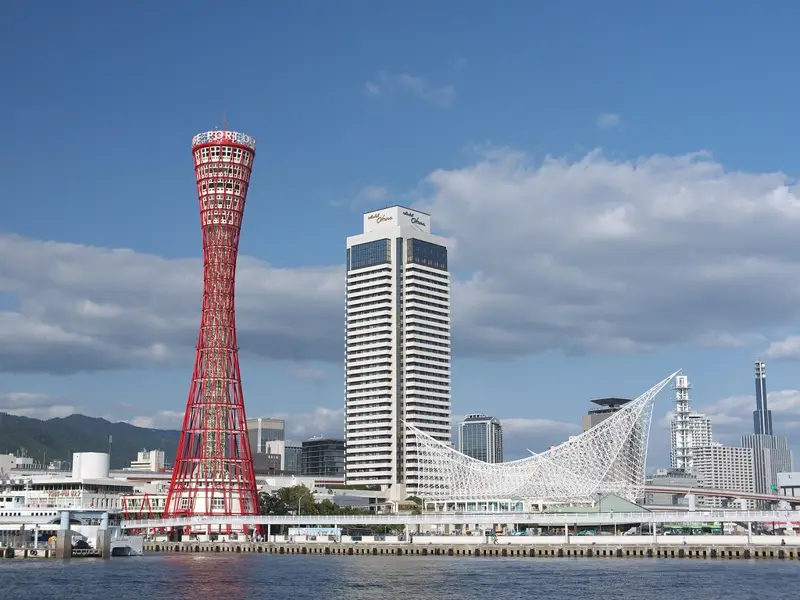 4 hr 30 min for both
The red lattice tower is Kobe’s signature, and the waterfront under it — museums, ferris wheel, mosaic malls — fills whatever time your bigger plans leave over..
See the detail →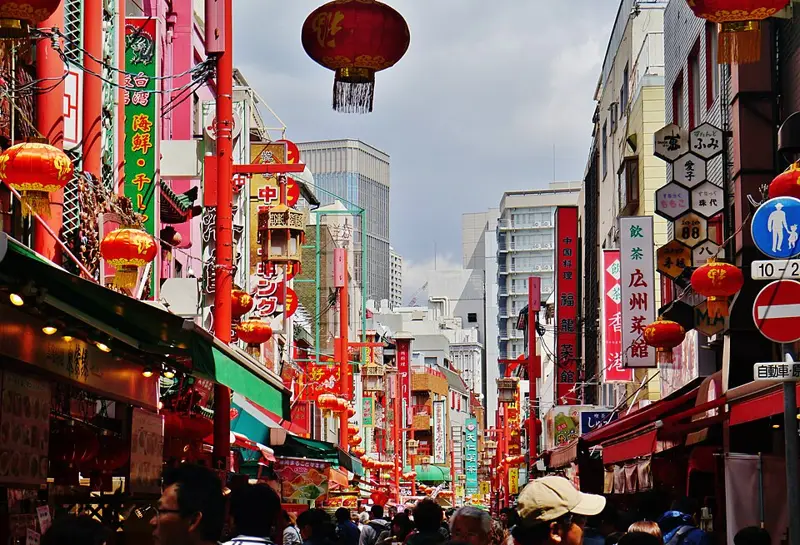 4 hr 30 min for both
Compact, lantern-strung and made for grazing — one of Japan’s three Chinatowns, five minutes from the old foreign settlement’s banks and boutiques..
See the detail →No typing needed — jump straight in:
Just docked? — the gangway toolStart from your shipThe ride from every berthAsk the editorGlossary