
 1 / 4
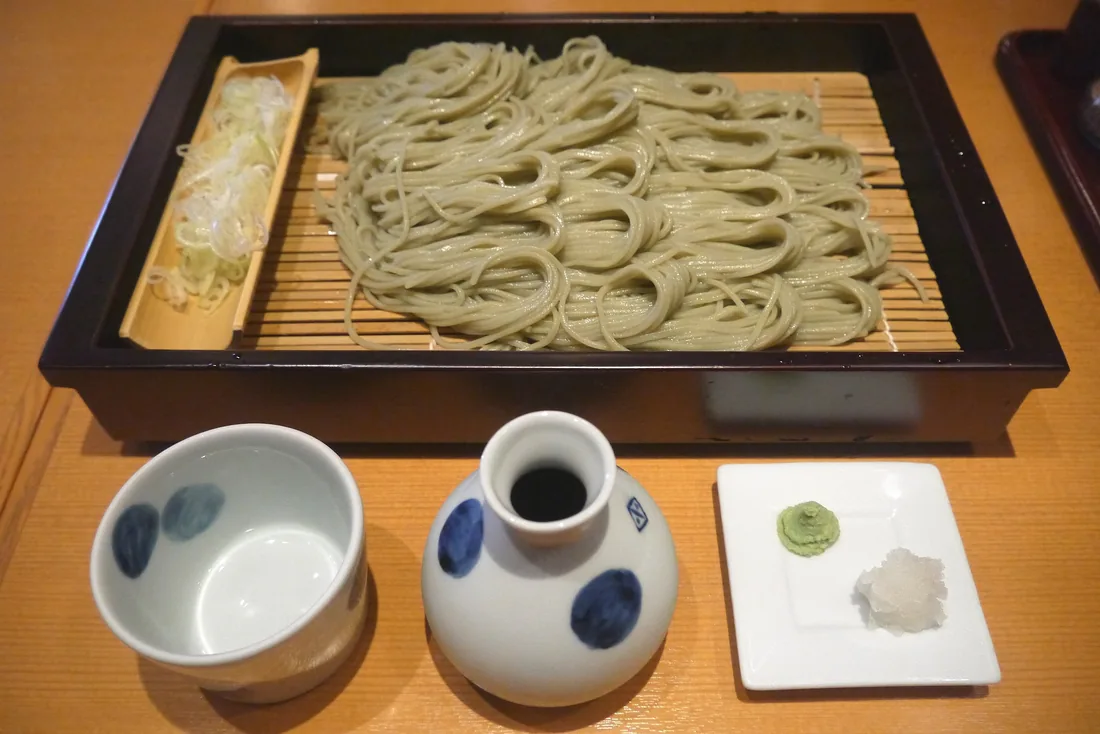
Hegi-sobaPhoto: くろふね / CC BY-SA 4.0
Tap a photo to see it large. 4 photographs, every one credited.
Checked against official sources · updated · Takumi Yamada
Soba bound with funori seaweed and laid out in bite-size waves on a cedar tray — chewier, greener, and better than it has any right to be.
- Short enough to be certain of: 1 hr 45 min door to door, so even a tender day works.
- 1 hr 45 min door to door needs a 4-hour call: a 2–3 hour stop cannot hold it. Pick something closer instead.
- No single published ride covers this one. Budget for a taxi both ways, or fold it into a guided day.
Why Hegi-soba is famous
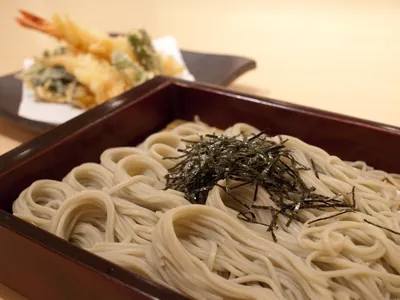
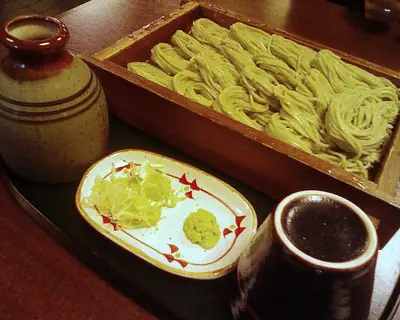
Hegi-soba is buckwheat noodles bound with funori seaweed instead of wheat, which makes them smooth and slightly springy, served in folded bundles on a flat wooden tray. The seaweed came from the local textile industry, which used it to stiffen the threads of Uonuma's ramie cloth.
Three places, three different answers
The one the queue agrees on, the one people who live here use instead, and the one nearest your ship. Opening days change; check before you build a day around one.
Hegi-soba bound with funori seaweed, served in folded bundles on a flat wooden tray.
Open in Google MapsWhere locals goNagaoka Kojimaya, CoCoLo Niigata長岡小嶋屋 CoCoLo新潟店Hegi-soba inside Niigata Station’s CoCoLo mall — the practical bowl if you are at Ponshukan anyway. Three unrelated “Kojimaya” houses make hegi-soba; this is the Nagaoka one.
Open in Google MapsWhat to put beside it
Each of these still lands you back aboard with the hour to spare.
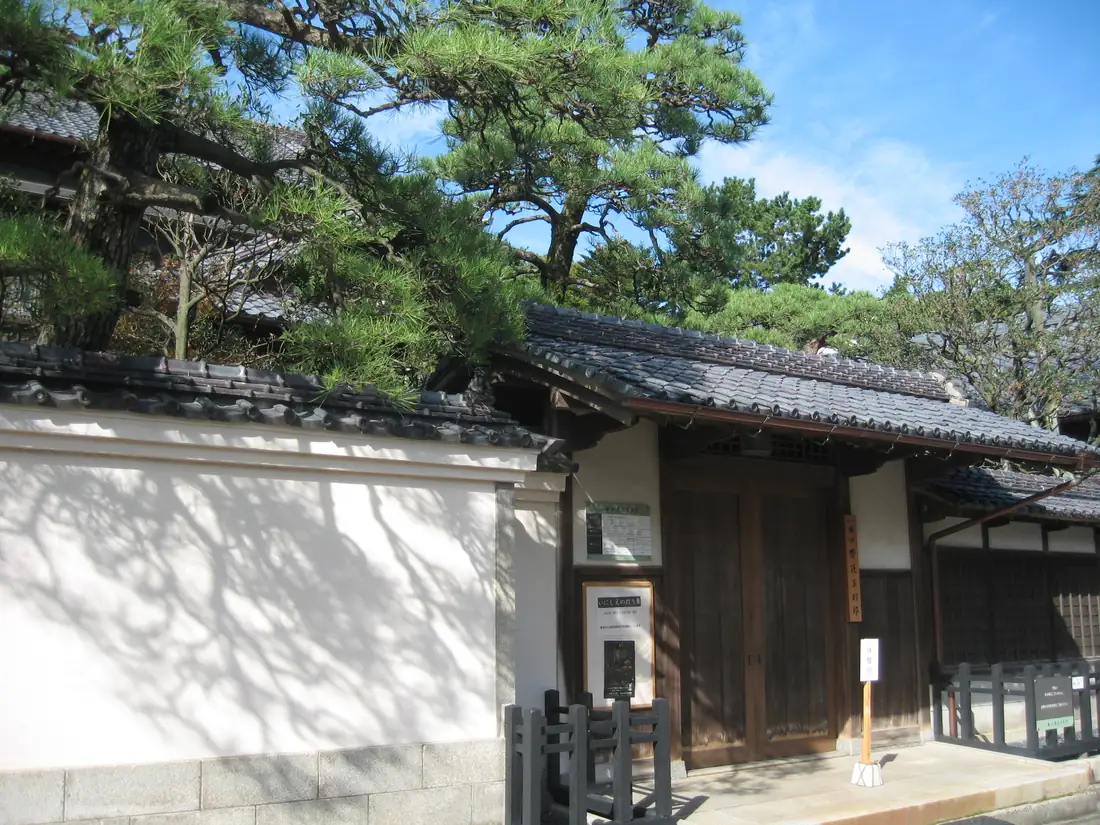 2 hr 30 min for both
Saito Family Villa
A merchant family’s summer villa where the garden was designed to be read from the tatami, floor by floor.
See the detail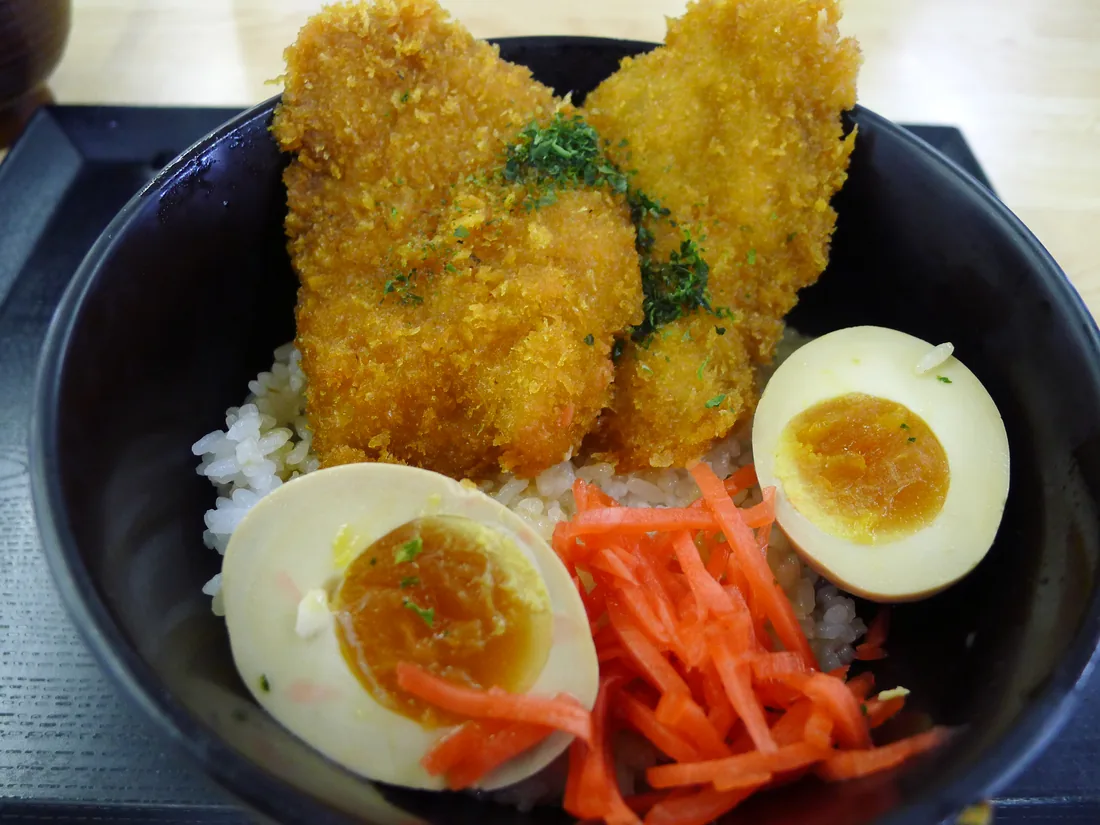 2 hr 30 min for both
Tare-katsu-don
Thin, crisp cutlets dunked in sweet soy over rice — no egg, no apology.
See the detail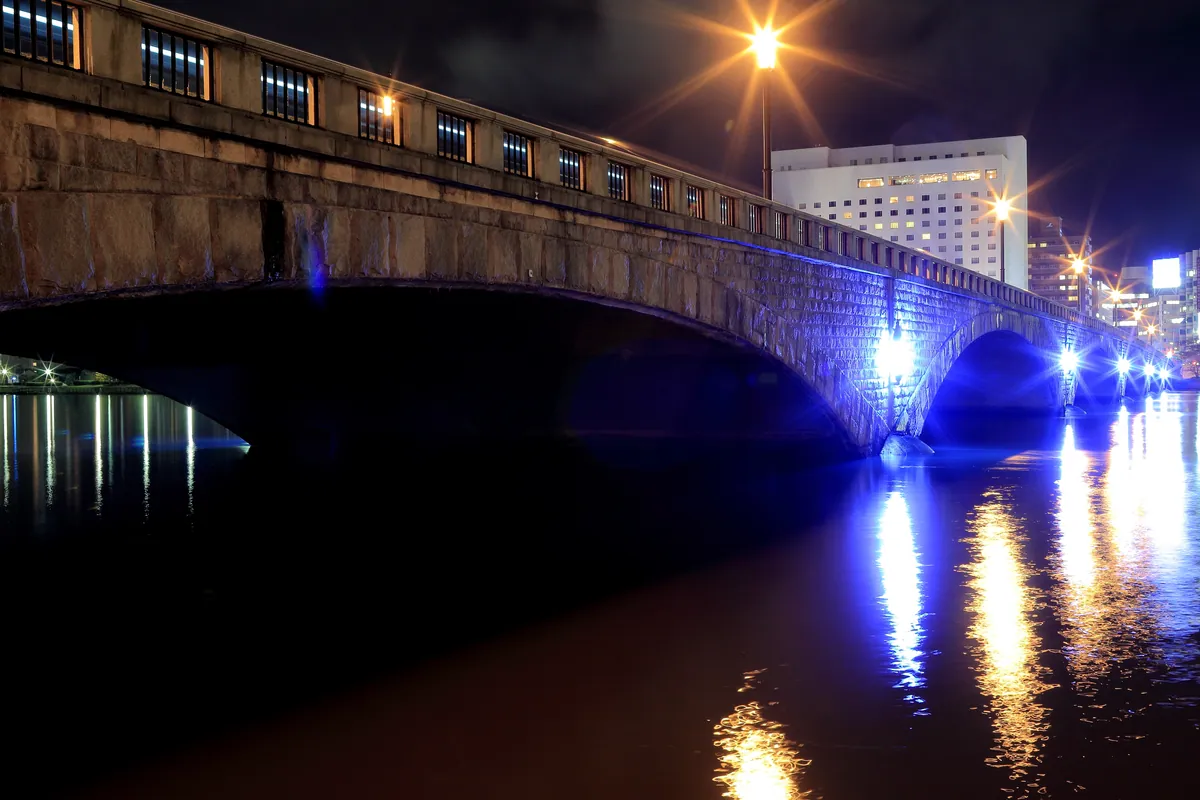 3 hr 15 min for both
Bandai Bridge
Six stone arches over Japan’s longest river since 1929 — an Important Cultural Property that survived war and earthquakes, and the city’s handshake..
See the detail