
Ama hut lunch in OsatsuPhoto: Sakusakupanda / CC BY-SA 4.0
Checked against official sources · updated · Takumi Yamada
Grilled shellfish over charcoal with the sea-women themselves, in the town with Japan’s largest ama population. Reservation-only, no walk-ins, about 45 minutes by Kamome bus (¥600 one way) — book before you sail or let it go. Satoumian, for one, takes groups of 3 or more, from ¥3,850 each.
- 4 hr door to door needs a 6-hour call: a 2–3 hour stop cannot hold it. Pick something closer instead.
Why Ama hut lunch in Osatsu is famous
Ama are women who free-dive for shellfish and seaweed without tanks, a practice documented here for at least two thousand years. Osatsu has one of the largest remaining communities. Lunch in a hut means they grill what they caught and talk, and most of them are well past sixty.
Ama hut lunch in Osatsu and your ship
Both pins on one map, so the distance is a fact rather than a feeling.
Where the 4 hr goes
Counted from the moment you step off the gangway, about 30 minutes after the ship arrives. The hour before all-aboard is not in this bar; it is already set aside.
40 minutes each way is the measured figure for pre-book only, not the optimistic one. If your ship is late, cut the 2 hr 40 min in the middle. Never cut the hour at the end.
Routes that already include it
Each one is a finished day timed from the official timetables, with this stop in it. Read the route rather than assembling it yourself.
What to put beside it
Each of these still lands you back aboard with the hour to spare.
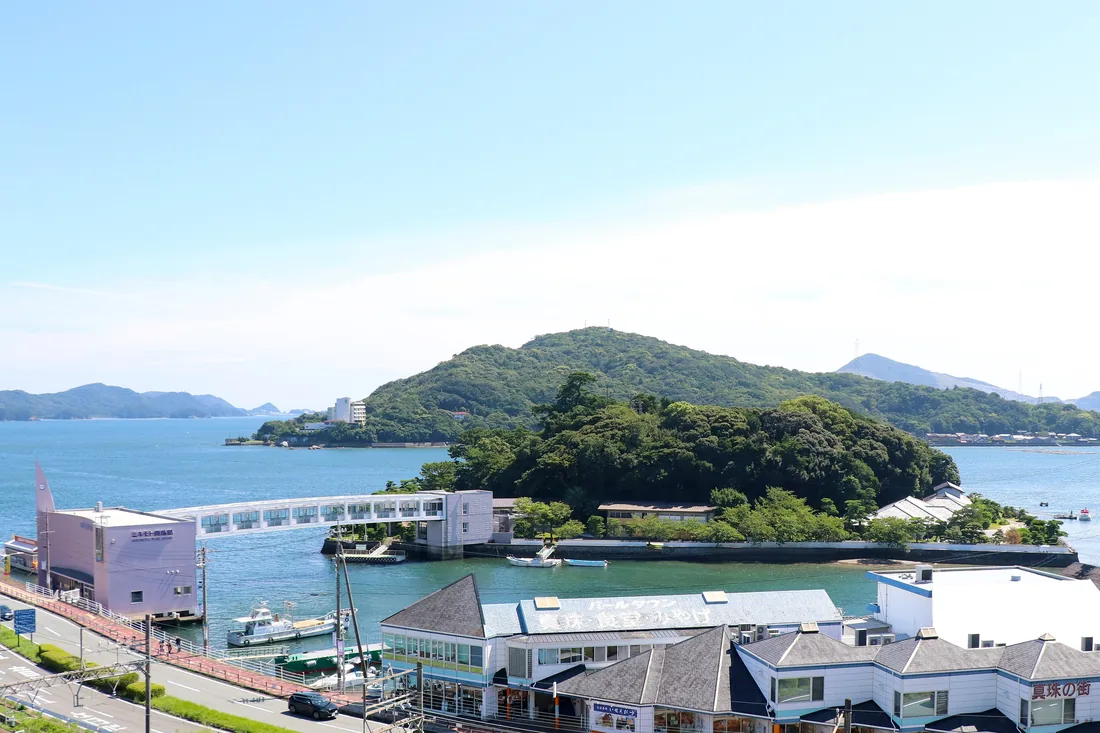 See · ~1.5h
Mikimoto Pearl Island
The island where Kokichi Mikimoto invented the cultured pearl in 1893 — with white-robed ama divers demonstrating roughly every hour.
See the detail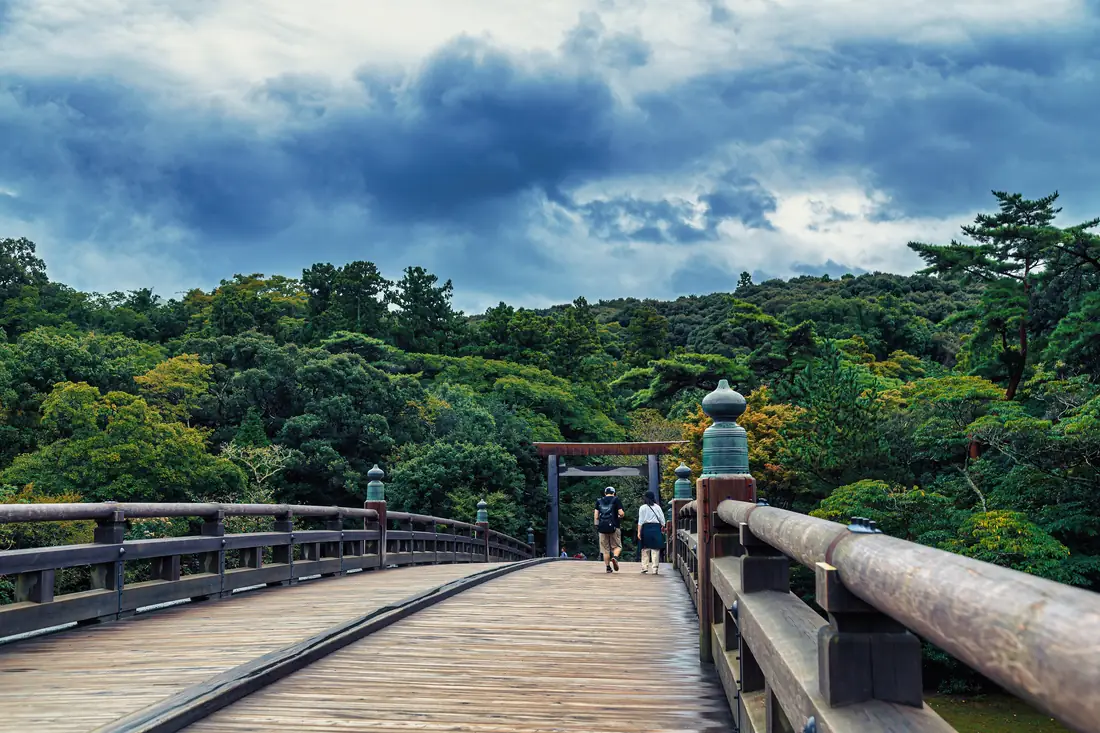 See · 4–4.5h round trip
Ise Jingu (Naiku)
Japan’s most sacred shrine, rebuilt from scratch every 20 years for thirteen centuries.
See the detail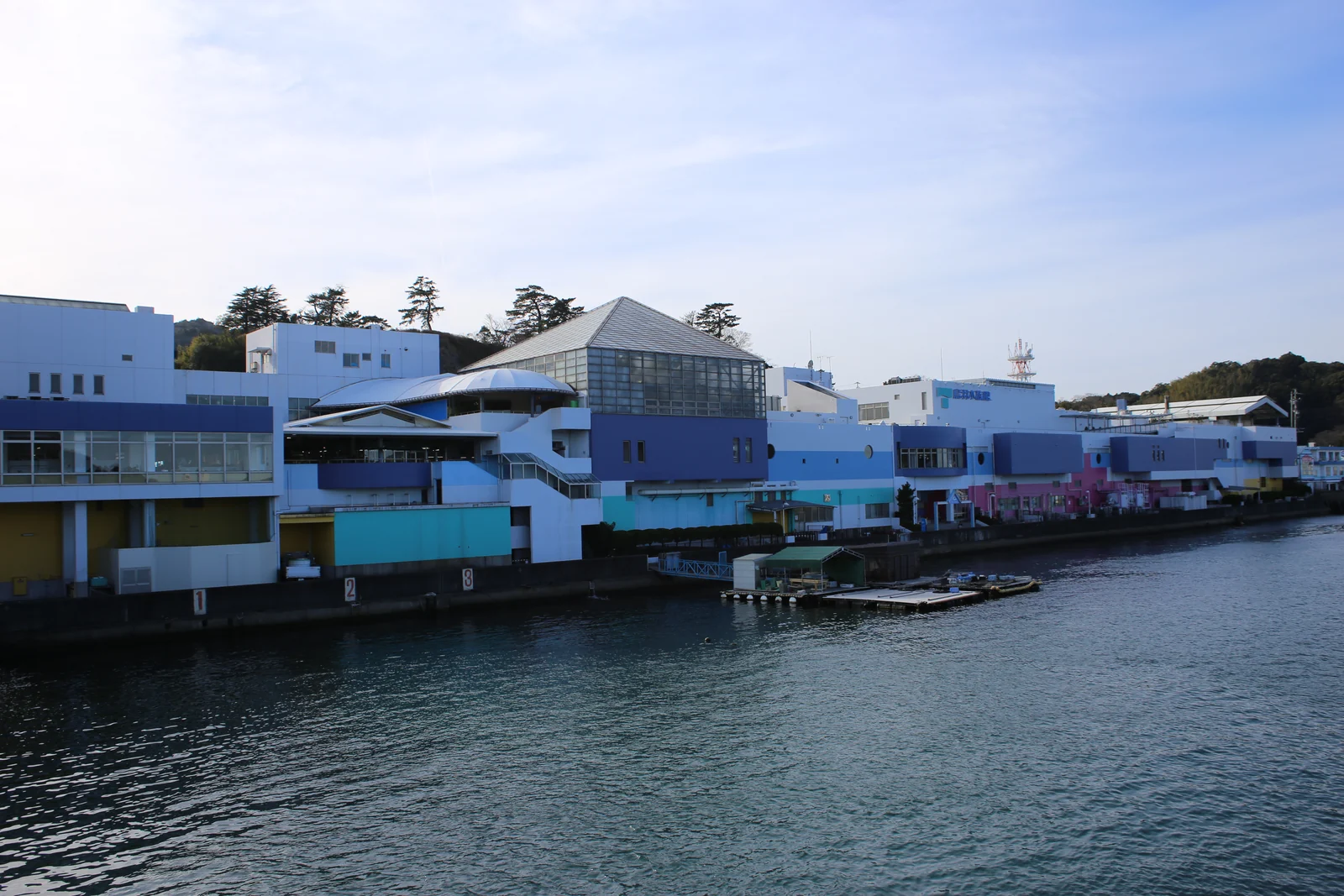 See · ~2h
Toba Aquarium
Japan’s only dugong — Serena, resident since 1987 — plus the country’s largest species count.
See the detail