
 1 / 6
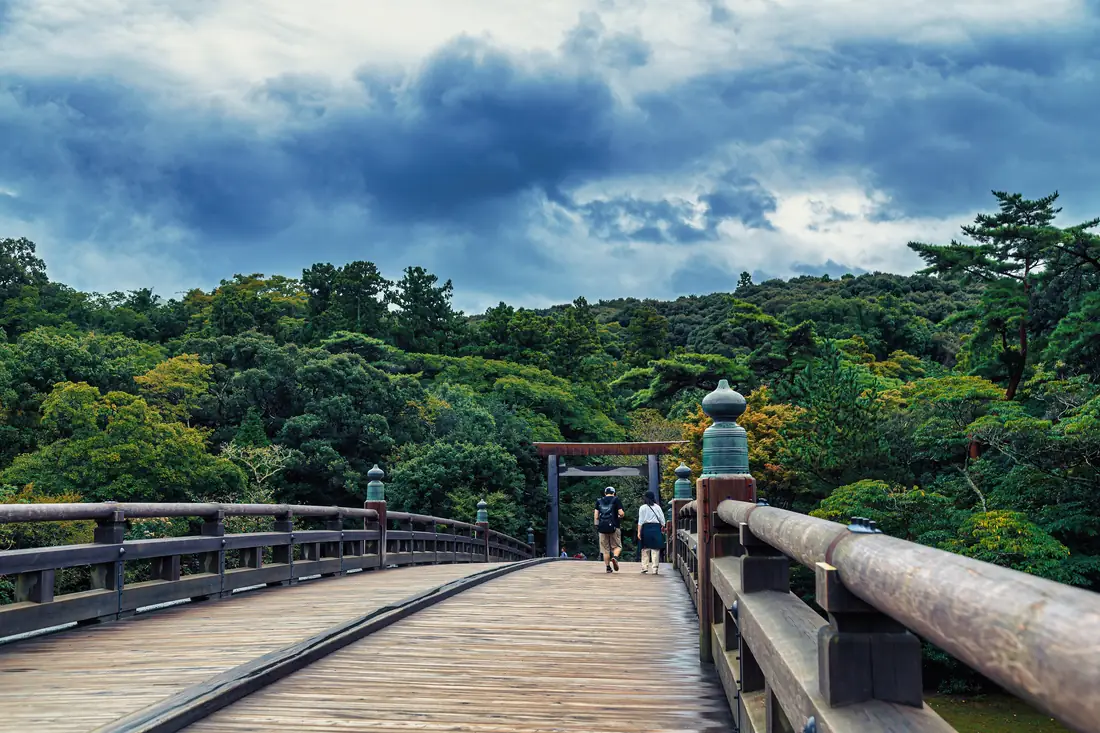
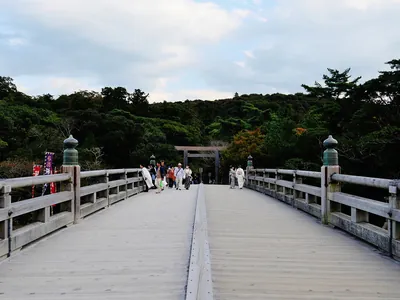
Ise Jingu (Naiku)Photo: Zairon / CC BY 4.0
Tap a photo to see it large. 6 photographs, every one credited.
Checked against official sources · updated · Takumi Yamada
Japan’s most sacred shrine, rebuilt from scratch every 20 years for thirteen centuries. Magnificent — and it fits Toba’s usual 9-hour call: 40–50 minutes each way by Kintetsu and bus, about 4 hours in all plus the tenders. Do the math before the romance.
- Our number 2 for Toba, out of ten. It is the first thing we would spend the hours on.
- On a 4–6h ashore call our verdict is "Tight" — possible on a six-hour call if the tender queue is short, with about an hour at naiku and no lunch at okage yokocho.
- Oct–Dec 5:00–17:00 — jan–apr and sep 5:00–18:00; may–aug 5:00–19:00. hours change over new year..
- 5 hr door to door needs a 7-hour call: a 2–3 hour stop cannot hold it. Pick something closer instead.
Why Ise Jingu (Naiku) is famous
Ise Jingu is the most sacred site in Shinto, dedicated to Amaterasu, the sun goddess from whom the imperial line claims descent. Its inner shrine has been rebuilt on alternating adjacent plots every twenty years since 690, most recently in 2013, which makes it both ancient and new.
Ise Jingu is Japan's most important Shinto shrine, and Naiku, the Inner Shrine, is its heart. The shrine says Naiku is the official Kotai Jingu, where Amaterasu Omikami is enshrined, on the bank of the Isuzu River for roughly 2,000 years. With the Outer Shrine it draws more than seven million visitors a year, and every 20 years the shrines are rebuilt: the shrine says the current 63rd rebuilding runs over some eight years from 2025.
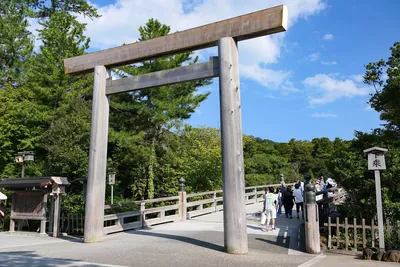
You cross Uji Bridge, the entrance and the shrine's bridge to the sacred place, and follow a long gravel approach into the precinct to the main sanctuary. Okage Yokocho, a town of over 50 shops with no walls, sits about five minutes' walk from the bridge, with local food and souvenirs.
The catch is the clock. The trip is about a 4-hour commitment with a train, a bus and two hours at the shrine, and the tender queue sits on top of that. It works on the 9-hour calls (07:00–16:00) that Toba usually gets, and it does not work on a short one. The shrine's closing hour also changes with the month, so check it for your call date.
Things worth knowing
- Take the Kintetsu train to Isuzugawa and the local bus: it costs ¥660 each way against ¥1,050 for the direct CAN bus, and both train and bus are short rides (about 10 min and about 10 min).
- If you do take the CAN bus, it is roughly hourly (about nine runs a day on the Isuzugawa side), so know the last bus back before you commit.
- Check the closing hour for the month: 17:00 from October to December, 18:00 in January to April and September, 19:00 from May to August.
- The Naiku grounds open at 5:00, so on a 07:00 call there is no rush to the gates; the limit is the tender and the return.
Ise Jingu (Naiku) and your ship
Both pins on one map, so the distance is a fact rather than a feeling.
Where the 5 hr goes
Counted from the moment you step off the gangway, about 30 minutes after the ship arrives. The hour before all-aboard is not in this bar; it is already set aside.
about 10 minutes each way is the measured figure for train + bus · shrine free, not the optimistic one. If your ship is late, cut the 4 hr 45 min in the middle. Never cut the hour at the end.
Questions people send us
How do you get from the Toba cruise ship to Ise Jingu Naiku?
Ride the tender to the Sadahama pier, walk 5 minutes to Toba Station, take the Kintetsu local to Isuzugawa (about 10 minutes, ¥360) and the bus to Naiku-mae (about 10 minutes, ¥300). The direct CAN bus from Toba Bus Center is ¥1,050 and about 40 minutes.
How much time do you need at Ise Jingu?
About 60 to 90 minutes at Naiku by our estimate, plus time for Okage Yokocho; with travel and the tender, the trip takes about four hours.
What are Ise Jingu's opening hours?
5:00–17:00 from October to December, 5:00–18:00 in January–April and September, and 5:00–19:00 from May to August, according to the shrine.
Routes that already include it
Each one is a finished day timed from the official timetables, with this stop in it. Read the route rather than assembling it yourself.
What to put beside it
Each of these still lands you back aboard with the hour to spare.
 See · ~1.5h
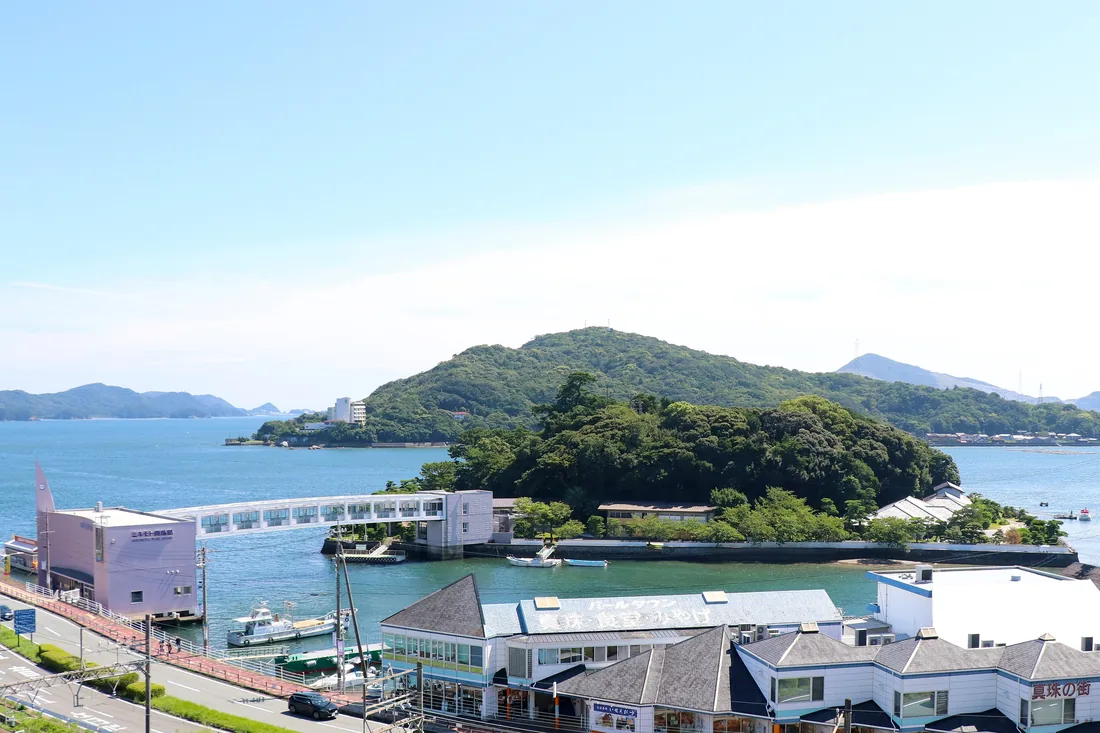
Mikimoto Pearl Island
The island where Kokichi Mikimoto invented the cultured pearl in 1893 — with white-robed ama divers demonstrating roughly every hour.
See the detail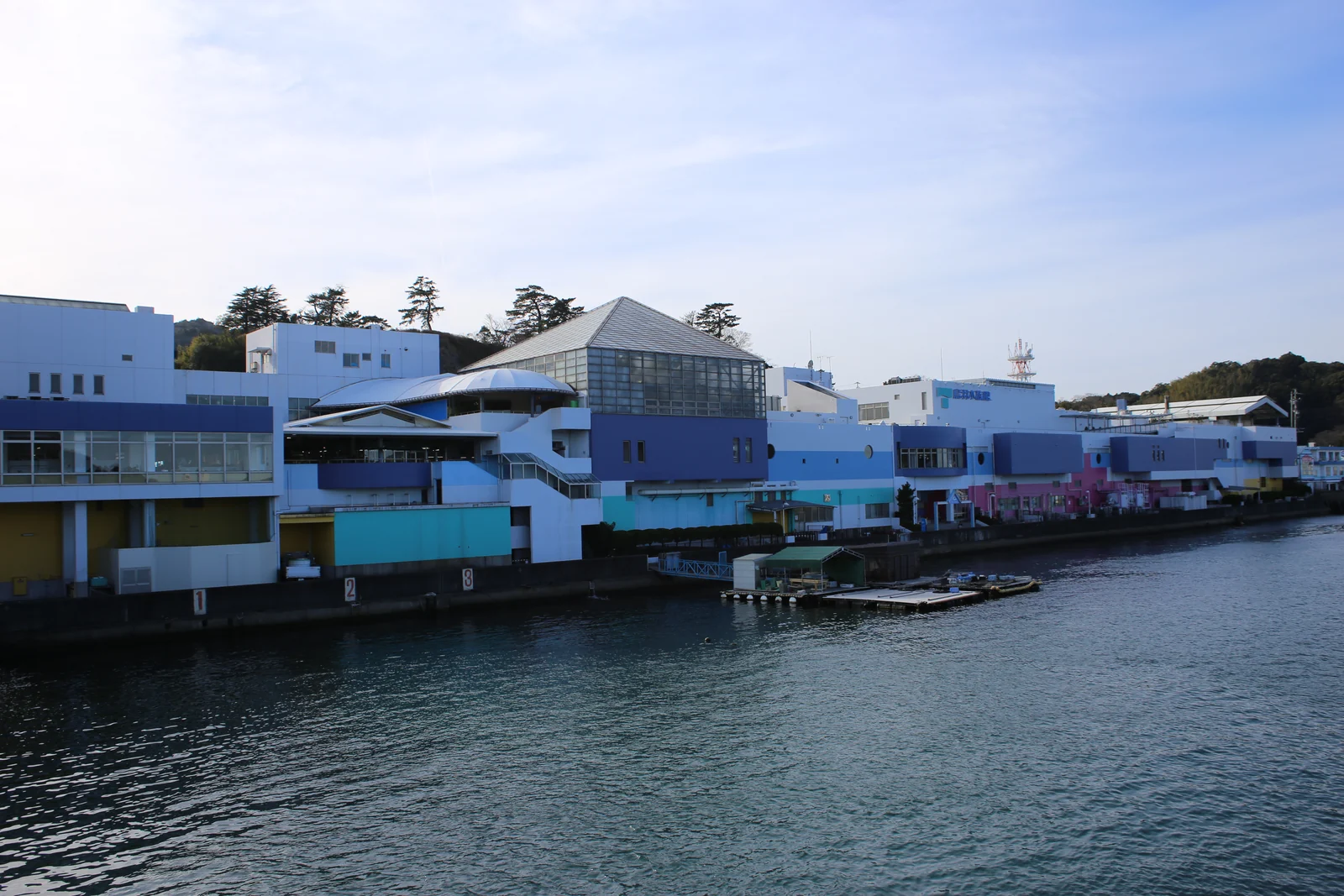 See · ~2h
Toba Aquarium
Japan’s only dugong — Serena, resident since 1987 — plus the country’s largest species count.
See the detail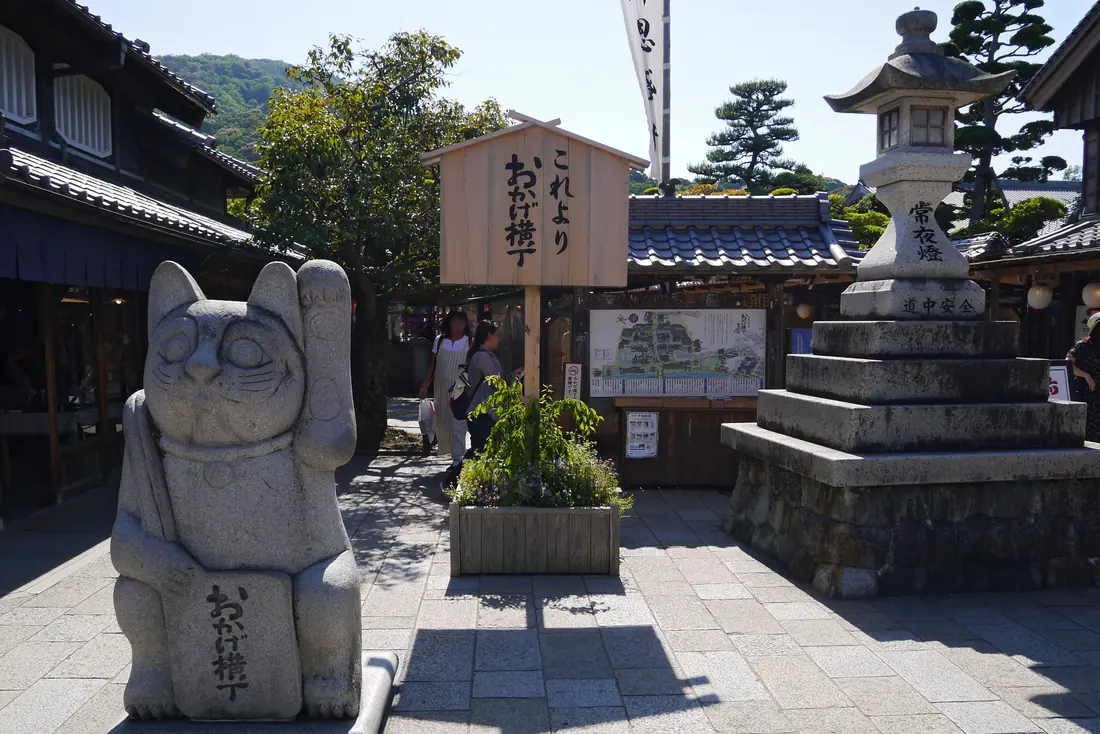 See · with the shrine
Okage Yokocho
The Edo-styled approach quarter by the shrine gate — akafuku mochi from the 1707 tea house, street food, and crowds that thin before ten.
See the detail