
 1 / 7
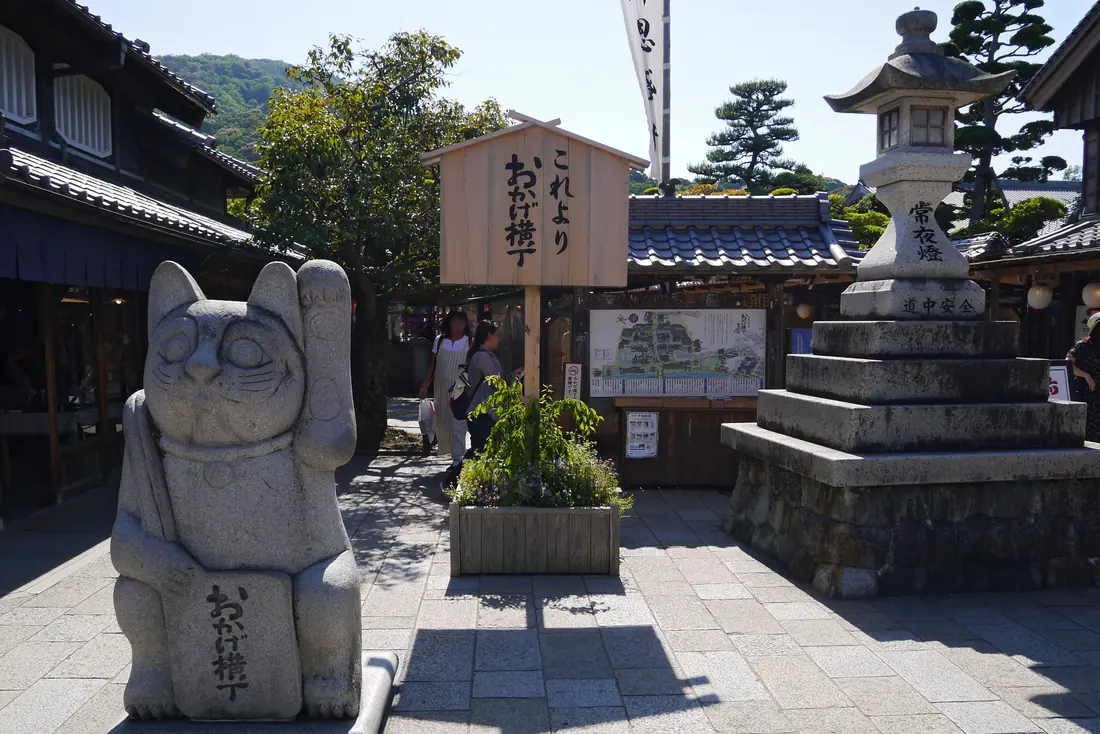
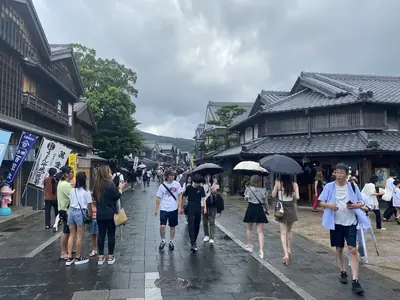
Okage YokochoPhoto: Oilstreet / CC BY 2.5
Tap a photo to see it large. 7 photographs, every one credited.
Checked against official sources · updated · Takumi Yamada
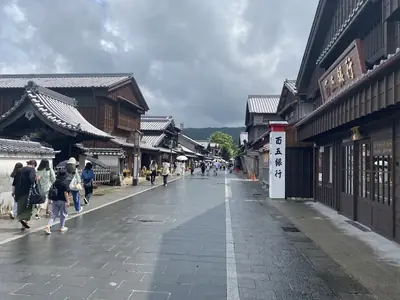
The Edo-styled approach quarter by the shrine gate — akafuku mochi from the 1707 tea house, street food, and crowds that thin before ten. Pairs with Naiku, never a separate trip: same Kintetsu-and-bus ride (¥660 each way), then 5 minutes’ walk from the Uji Bridge. Shops open 9:30–17:30 in October, 9:30–17:00 in November and December.
- 5 hr door to door needs a 7-hour call: a 2–3 hour stop cannot hold it. Pick something closer instead.
- No single published ride covers this one. Budget for a taxi both ways, or fold it into a guided day.
Why Okage Yokocho is famous
A reconstruction of the Edo-period approach to Ise, built in 1993 by the makers of Akafuku mochi using genuine relocated and copied buildings. Okage means thanks, from okage-mairi, the mass pilgrimages when ordinary people left without permission to walk to Ise.
Routes that already include it
Each one is a finished day timed from the official timetables, with this stop in it. Read the route rather than assembling it yourself.
What to put beside it
Each of these still lands you back aboard with the hour to spare.
 See · ~1.5h
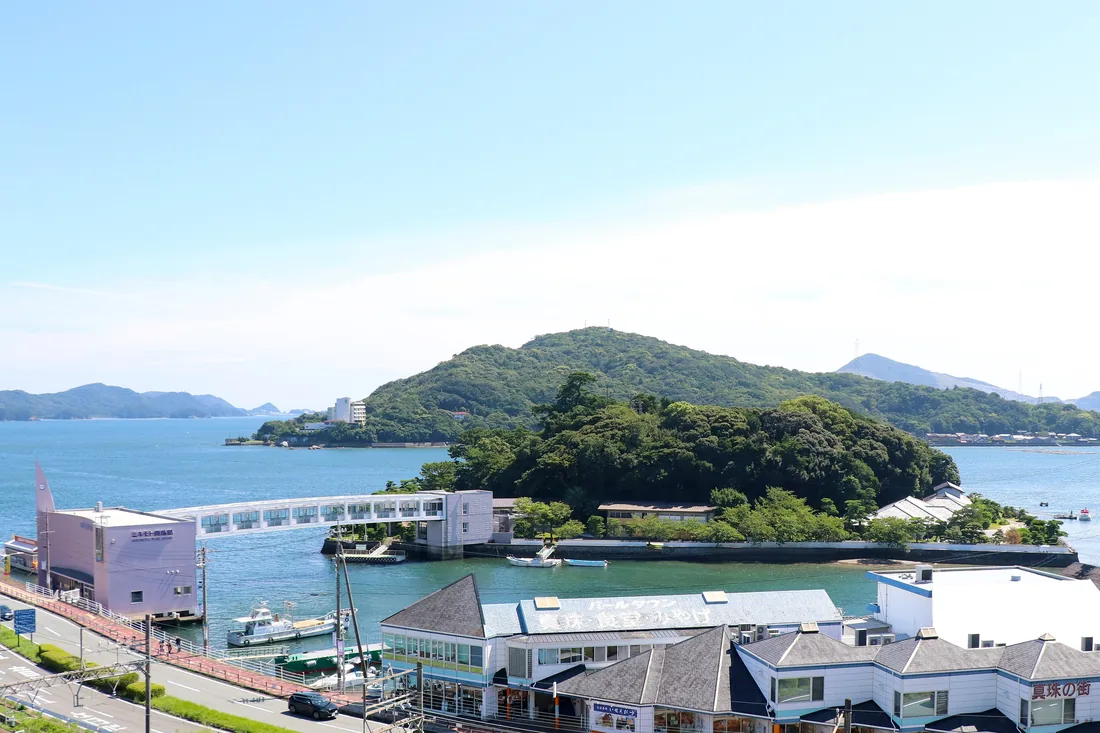
Mikimoto Pearl Island
The island where Kokichi Mikimoto invented the cultured pearl in 1893 — with white-robed ama divers demonstrating roughly every hour.
See the detail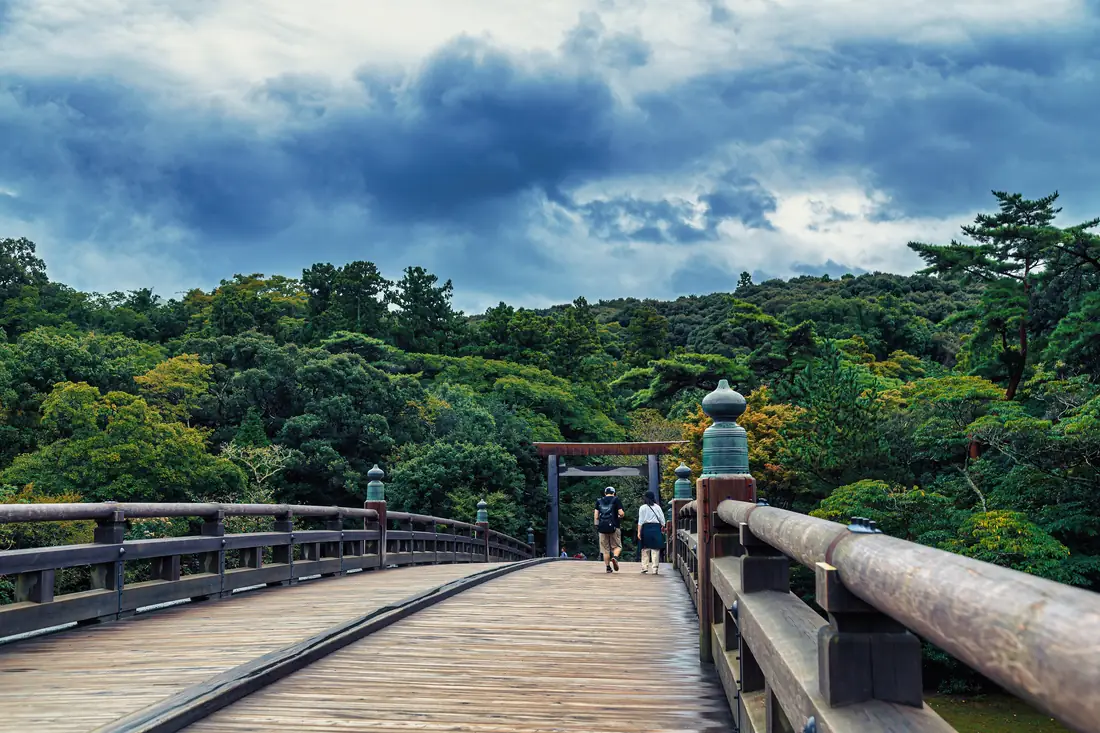 See · 4–4.5h round trip
Ise Jingu (Naiku)
Japan’s most sacred shrine, rebuilt from scratch every 20 years for thirteen centuries.
See the detail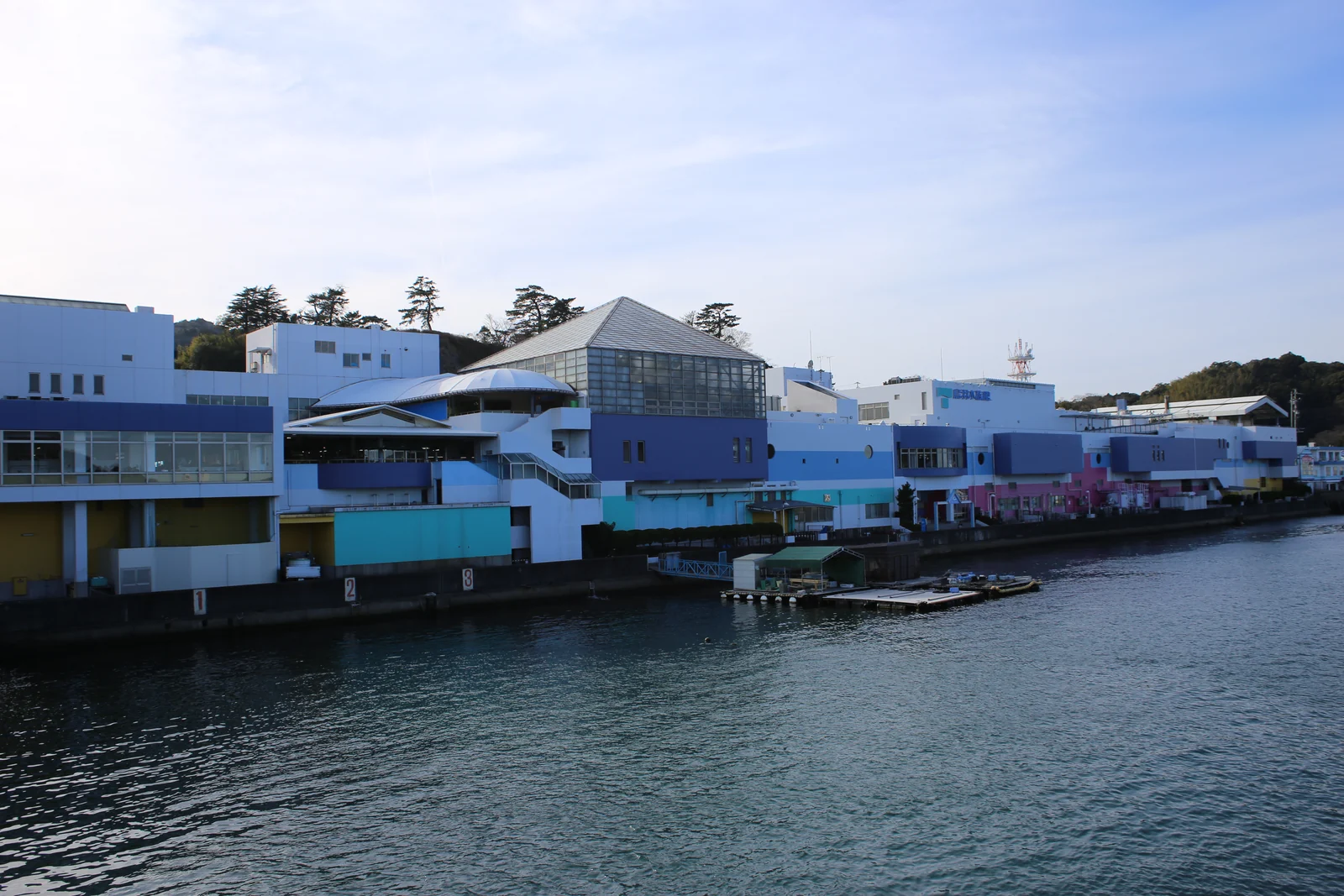 See · ~2h
Toba Aquarium
Japan’s only dugong — Serena, resident since 1987 — plus the country’s largest species count.
See the detail