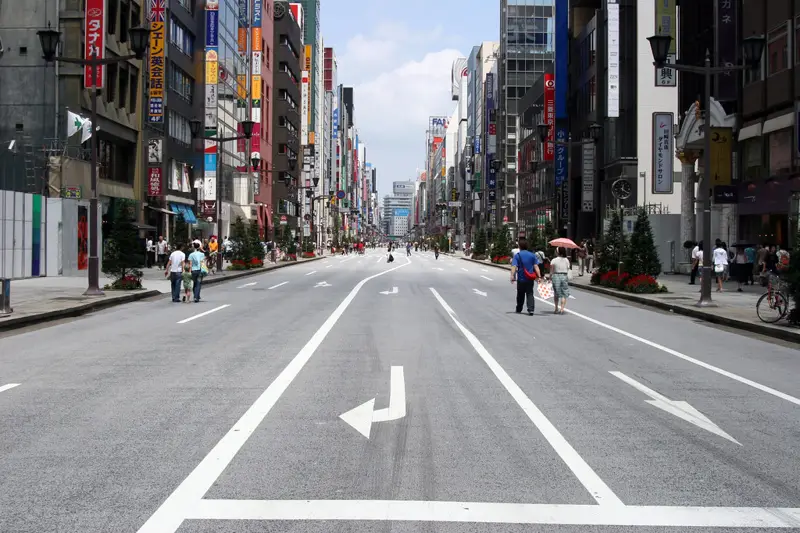
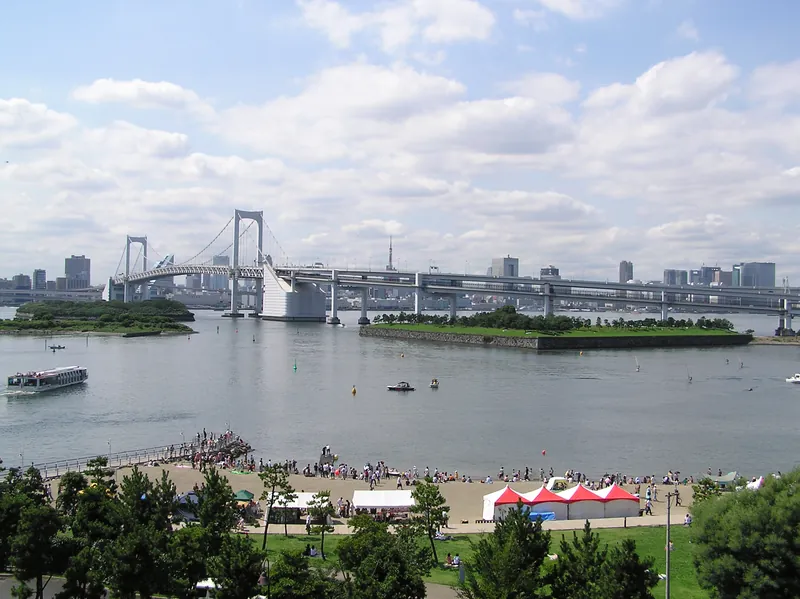
 Photo: Morio / CC BY-SA 3.0
Timed shore plans, measured from your gangway · port-of-japan.com/tokyo/ · Verified August 16, 2026
Everything here is a round trip from the gangway, with the 60-minute margin already set aside. Tap what you want.
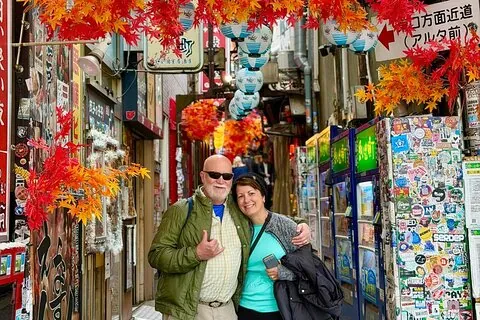 Do · 7h round trip
The single most-reviewed private tour in Japan (265 five-stars) — tell them your Tokyo and they thread it together with trains, timing and zero stress.
~7h tailoredBookable · 5.0★ (265) · from US$143See the detail →Book it on Viator →Round trips are measured from the gangway and include getting back. Two stops in the same direction overlap, so a real day usually comes in under the total you see, never over it.
Booked before you sail — Japan has no pier-side tour desks. Booking through these links supports the site; walking still costs nothing.
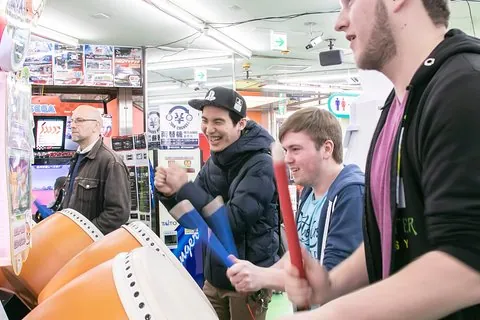 5.0★ · 172 reviews
From US$130 per person.
See dates and book →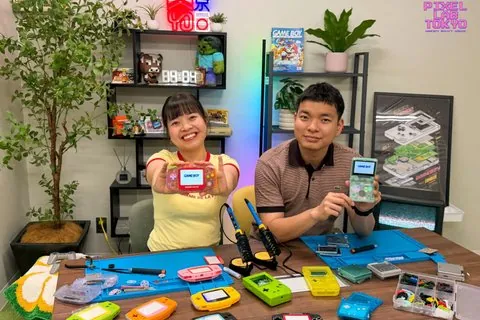 5.0★ · 149 reviews
From US$314 per person.
See dates and book →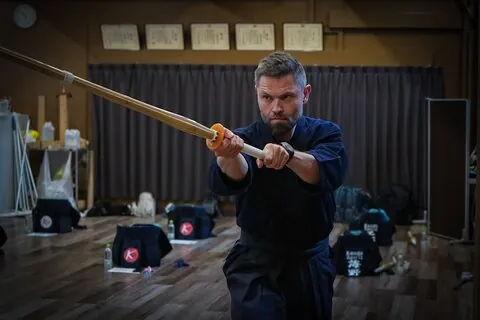 5.0★ · 123 reviews
From US$130 per person.
See dates and book →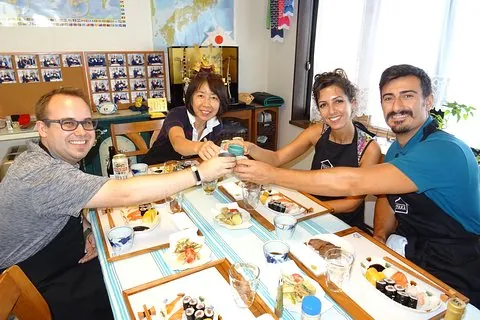 5.0★ · 119 reviews
From US$91 per person.
See dates and book → 5.0★ · 114 reviews
From US$130 per person.
See dates and book →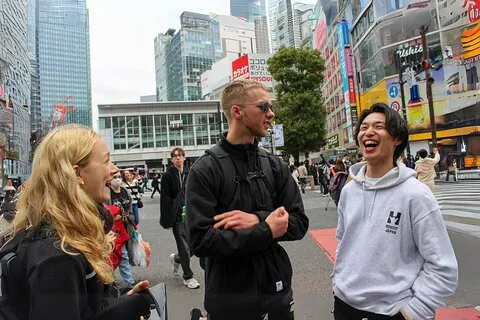 5.0★ · 108 reviews
From US$104 per person.
See dates and book →Each one is a finished day, timed from the gangway and back. Read it, or ignore it and pick your own stops above.
 2–3 hours ashore · ~2.5h door to door
Embarkation eve or short windows — Odaiba without trains
Read the route →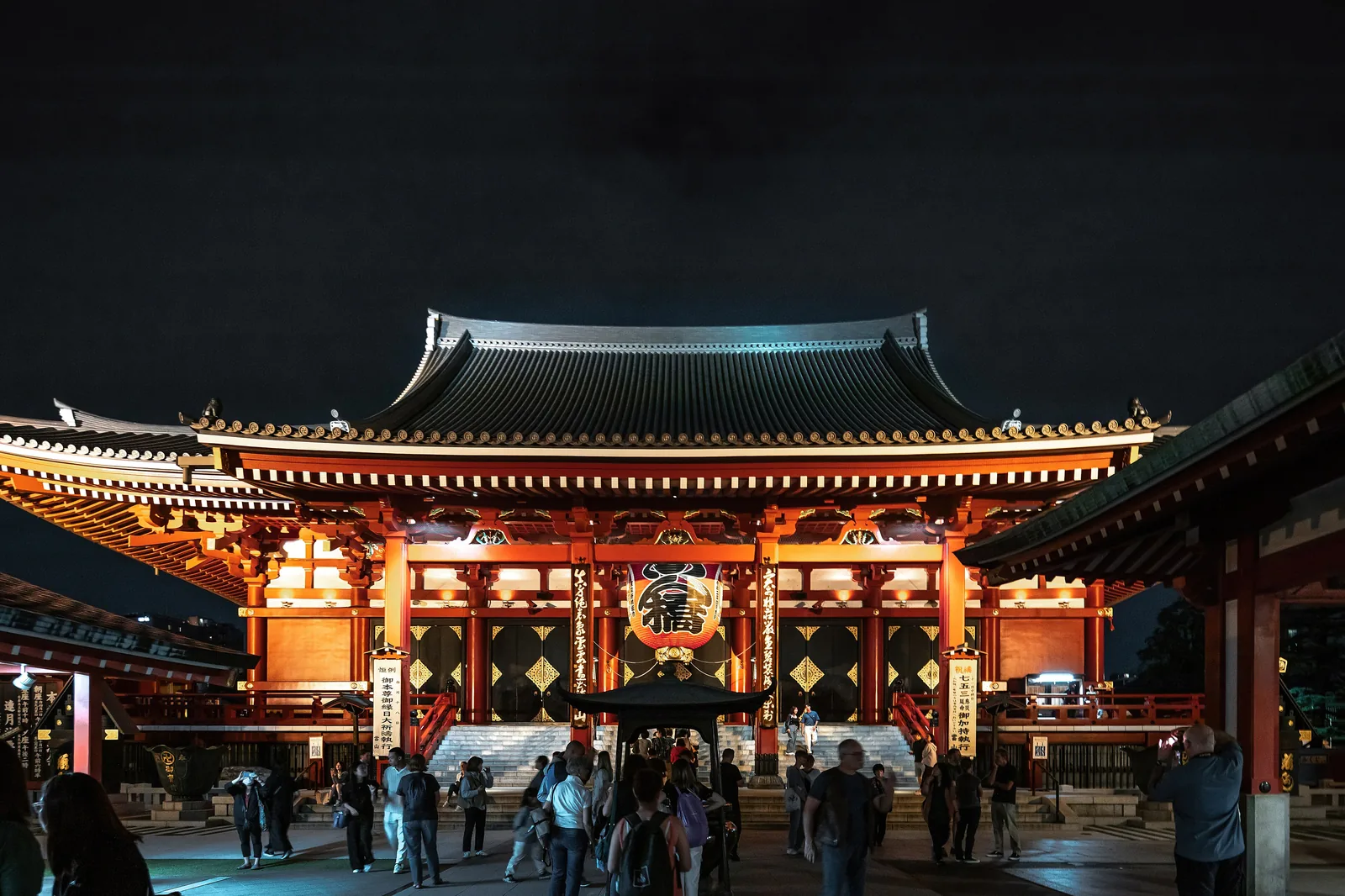 4–6 hours ashore · ~5.5h door to door
One district done well — the oldest Tokyo there is
Read the route →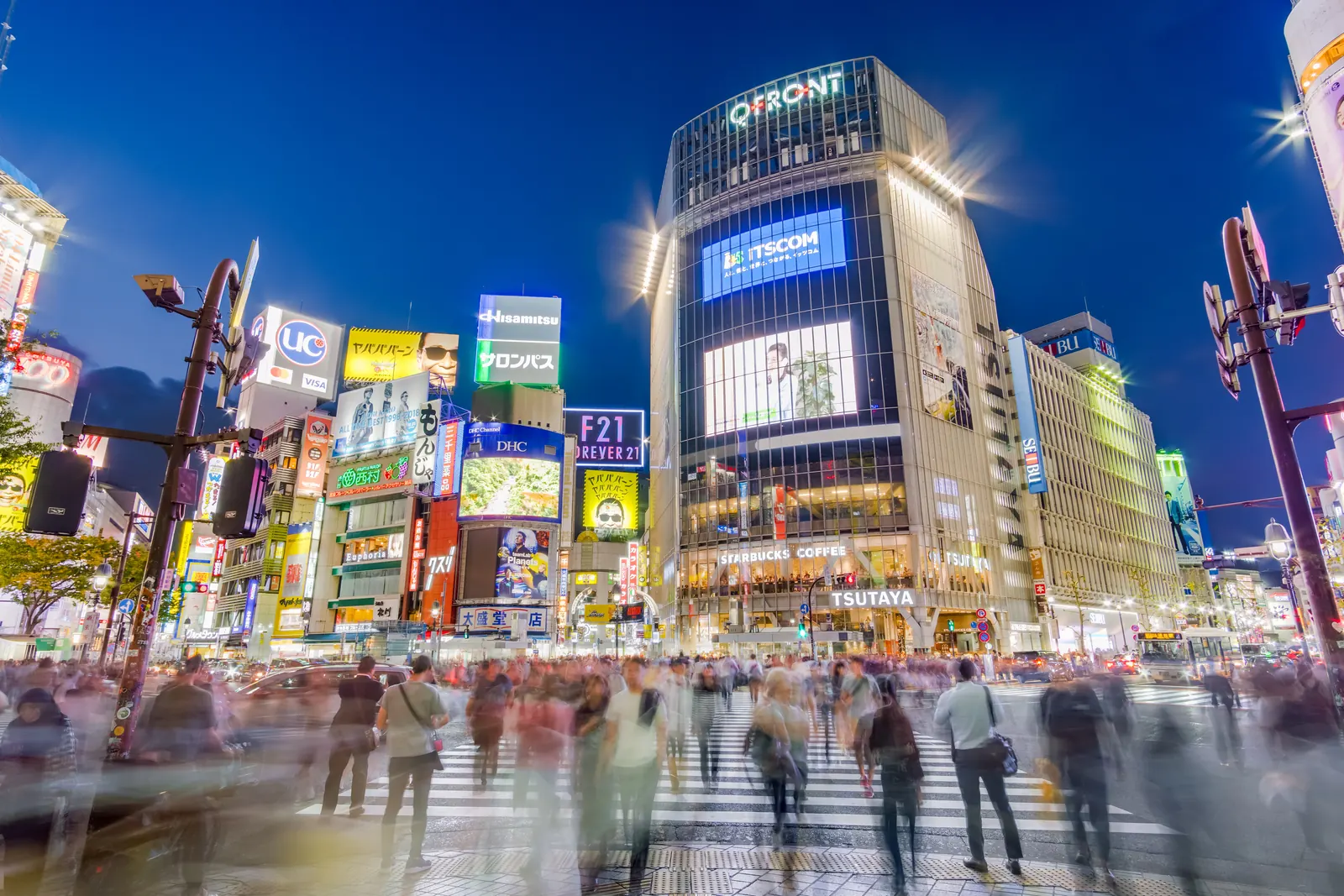 8 hours or more ashore · ~8.5h door to door
Long calls — three Tokyos in one honest loop
Read the route →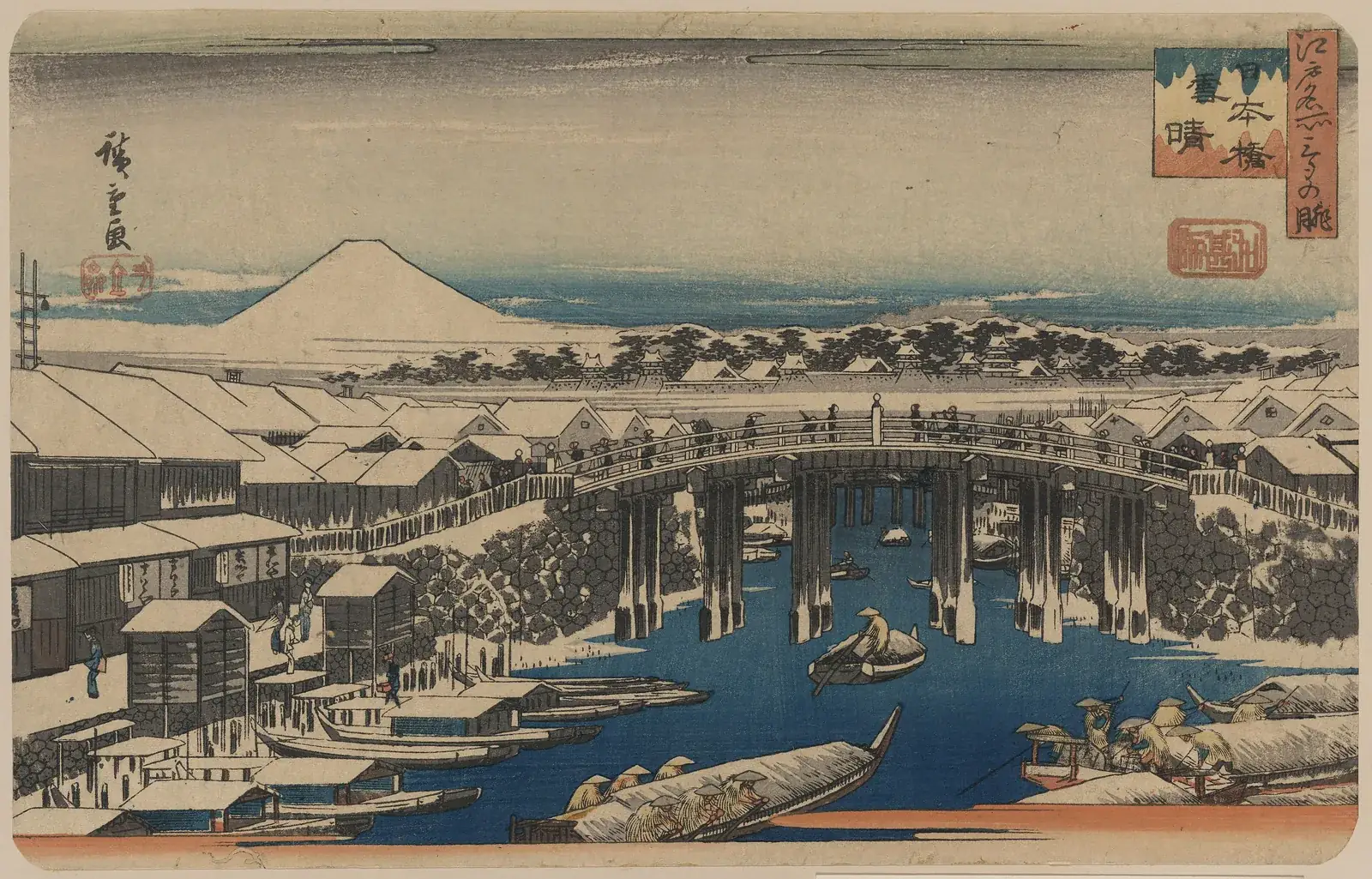 Rainy day ashore · ~6h door to door
Wet weather — go underground and stay there
Read the route →Phones auto-switch to local time; all-aboard runs on ship time. Write both if they differ.
Shimbashi (central Tokyo): ① Walk ~8 min to Tokyo International Cruise Terminal station ② Yurikamome line to Shimbashi — ~16 min Fare ¥390 (IC ¥388). every ~5 min daytime.
| Please take me back to the cruise ship (Tokyo port) | クルーズ船乗り場までお願いします |
| Senso-ji at Asakusa | 浅草寺 |
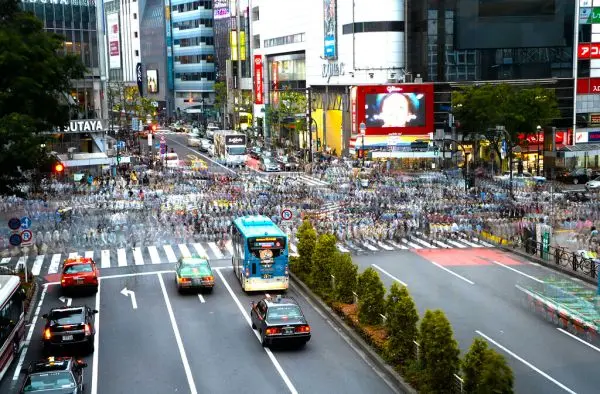
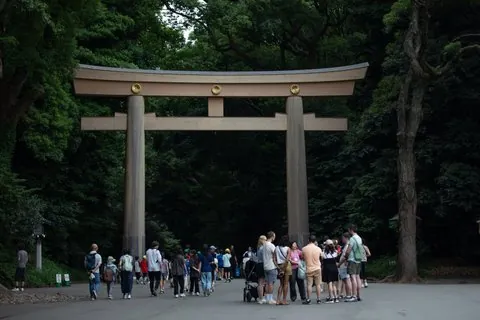
| Shibuya Crossing & Meiji Shrine | 渋谷スクランブル交差点 |
| Tsukiji Outer Market crawl | 築地場外市場 |
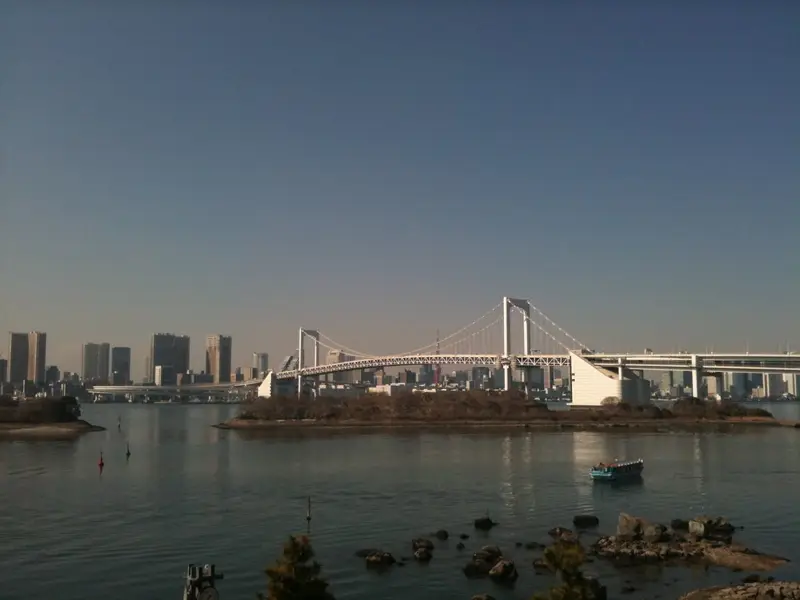
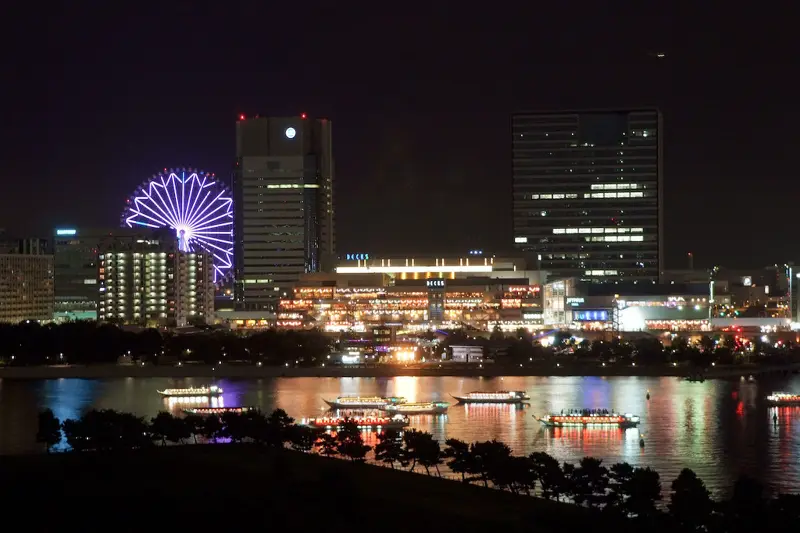
| Odaiba & the Rainbow Bridge | お台場 |
| teamLab Planets | チームラボプラネッツ |
| Ginza & the Imperial gardens | 銀座 |
Point at a line. Taxis are metered and honest; tipping is not expected in Japan.
Edo. By 1721 roughly a million people lived here — probably more than in any other city in the world. Almost none of what they built survives. What survives is the plan: the high ground, the low ground, and a bridge that is still the point from which every road in Japan is measured.
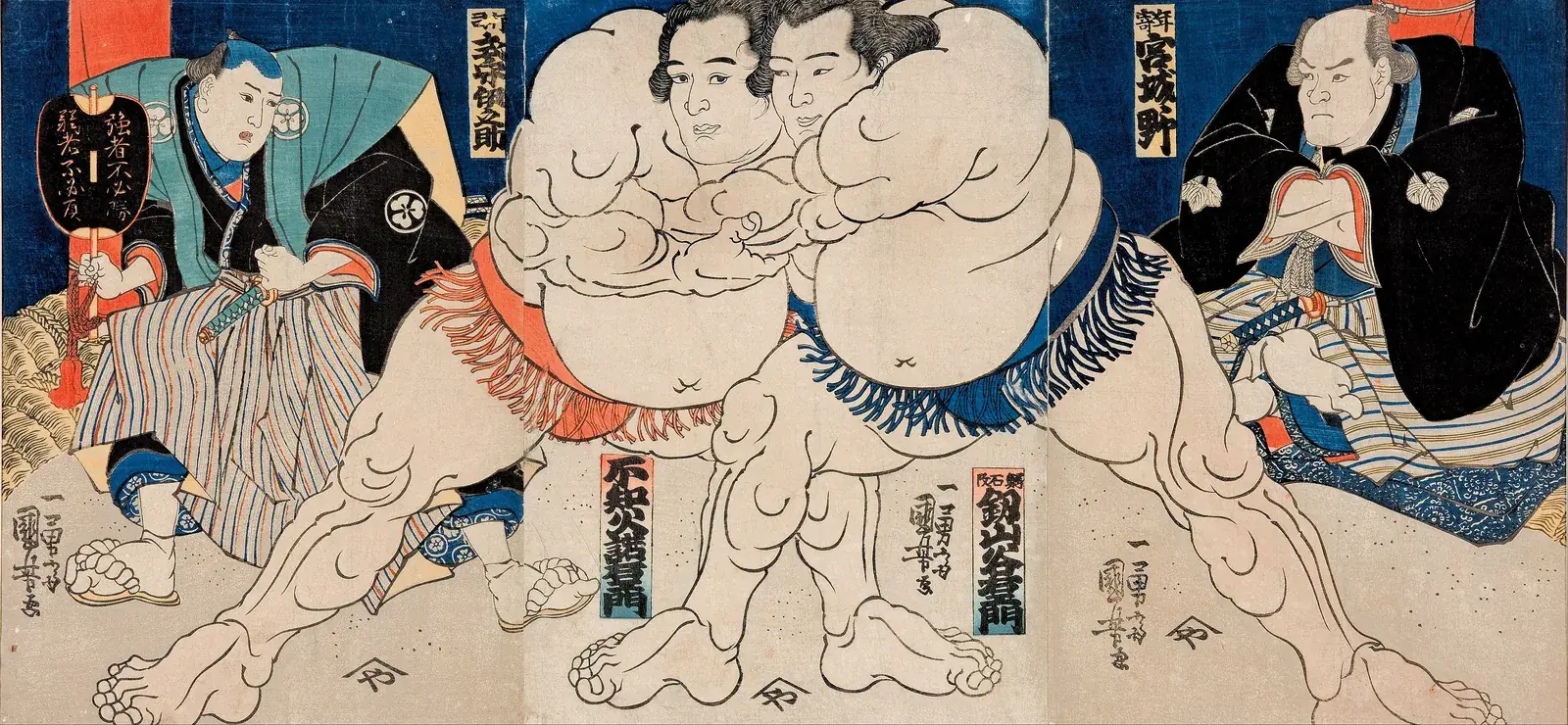
Sumo. Six tournaments a year, fifteen days each, and Tokyo hosts three of them. If your call falls inside one, you can watch the highest-ranked athletes in a fifteen-hundred-year-old sport for less than a theatre ticket. If it does not, the sport is still visible — you just have to know where.
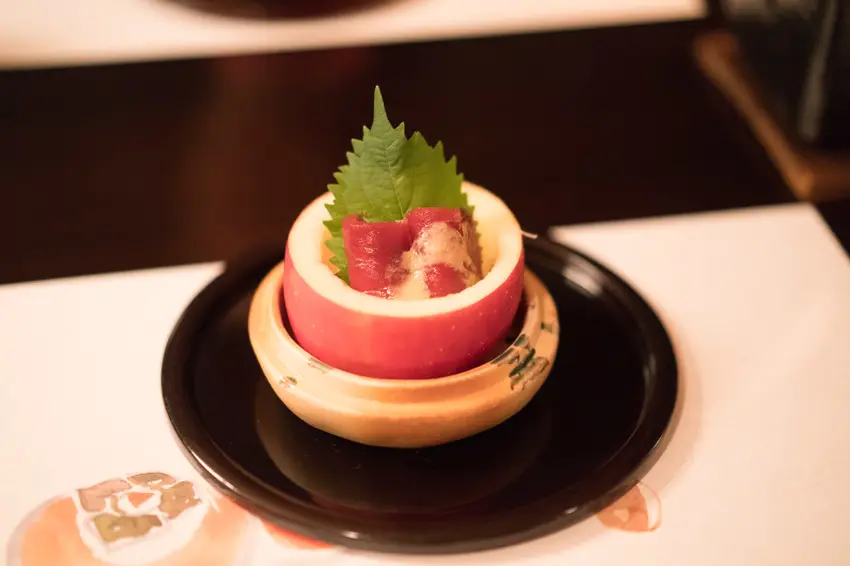
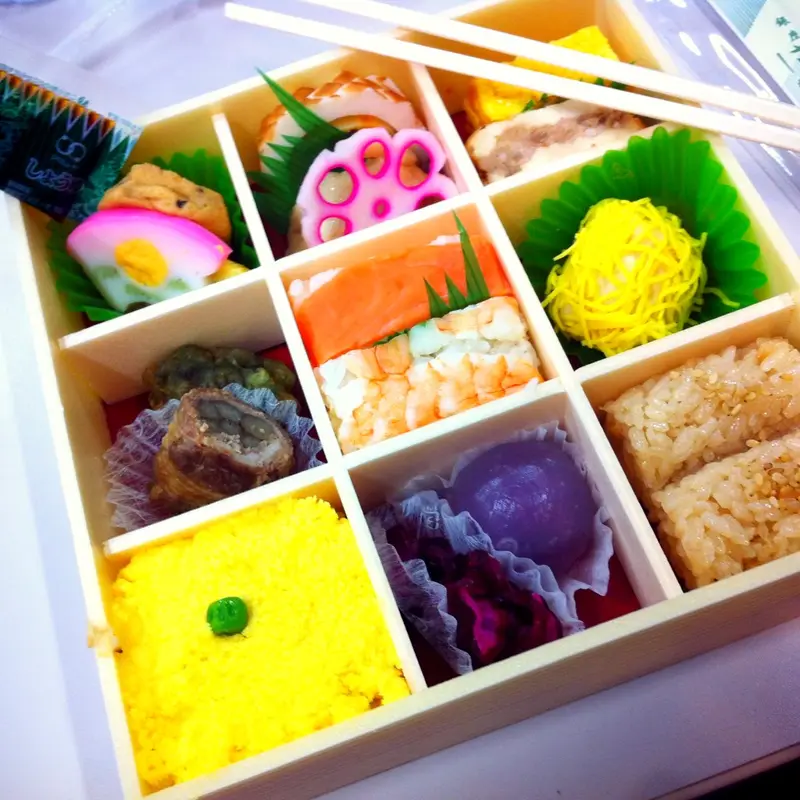
Edomae. Nigiri sushi is roughly two hundred years old, was invented as fast food sold from a cart, and was originally built on fish that had been cured, marinated or cooked — because Edo had no ice. Most of what makes a great sushi counter great is still those techniques.
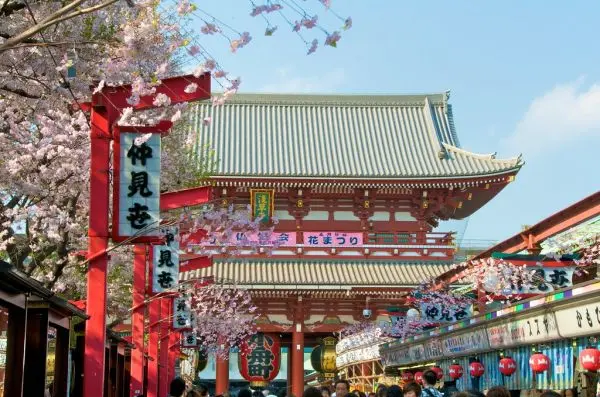
Senso-ji. Two fishermen pulled a small figure of Kannon out of the Sumida River in the year 628. It has been enshrined here ever since and has never once been shown to the public. Around that unseen object grew Tokyo's oldest temple and its loudest shopping street.
No typing needed — jump straight in:
Just docked? — the gangway toolStart from your shipThe ride from every berthAsk the editorGlossary