
 1 / 2
A sand bath, buried to the neckPhoto: 663highland / CC BY 2.5
Tap a photo to see it large. 2 photographs, every one credited.
Checked against official sources · updated · Takumi Yamada
Attendants shovel volcanically heated sand over you until only your face is left thinking. Ten minutes underground, days of afterglow. Takegawara (¥1,500) takes no bookings and up to eight at once, so expect a wait at busy times; the beach sand bath at Shoningahama, now Sand SPA (¥2,500, 8:00–22:00, last entry 21:00), takes reservations, closes about twice a month and is closer to the ship.
- Our number 3 for Beppu, out of ten. It is the first thing we would spend the hours on.
- On a 4–6h ashore call our verdict is "The finish" — kannawa in the morning, sand bath before you sail.
- It is not only a photo stop: eight distinct spring towns, one of which is a shed with a locked door and an honesty box.
- Bath 6:30–22:30; sand 8:00–22:30 — closed 3rd wed monthly.
- 3 hr door to door needs a 5-hour call: a 2–3 hour stop cannot hold it. Pick something closer instead.
- No single published ride covers this one. Budget for a taxi both ways, or fold it into a guided day.
Why A sand bath, buried to the neck is famous
Eight distinct spring towns, one of which is a shed with a locked door and an honesty box
At Beppu's beach the sand is heated from below by the springs, and attendants bury you in it up to the neck for about ten minutes. The weight is the surprising part; the heat is the point.
Beppu is not one hot spring resort. It is eight — each with different water chemistry, a different character and a different price, ranging from a marble-floored hotel spa to a tin-roofed neighbourhood shed that costs a hundred yen and has no attendant.
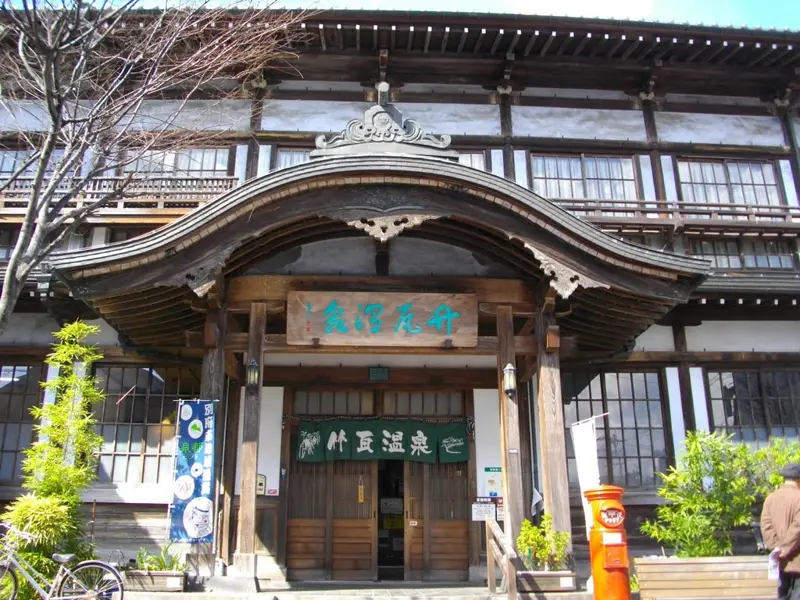
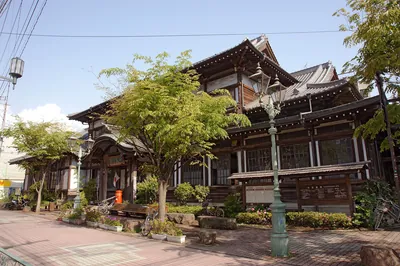
The building dates to 1879 and was rebuilt in 1938 in a temple-roofed style that has become the emblem of the town. Inside, the ordinary bath costs a few hundred yen and is used by people from the surrounding streets.
The sand bath is the reason to come. You change into a yukata, lie in a shallow trench, and attendants shovel geothermally heated sand over you until only your head shows. Ten minutes is the recommended limit. The heat is even and the weight is unexpected — the sensation of being pressed down is most of the experience.
Eight districts, eight water chemistries
The sand bath, and the town's emblem
~100 of them, at ¥100–300 and no staff
Eight stamps for a certificate; eighty-eight for a ceremony
Skip the hotel spa. Find a neighbourhood bath, pay the ¥100 into the box, and fold your towel on your head.
Things worth knowing
- Ten minutes under the sand is the limit and it is enough. Say so if you need to come out.
- You shower before and after; the sand goes everywhere and that is normal.
- Bring nothing. A small towel is all you can use and they rent one.
- The sand bath queues at weekends. Weekday mornings walk straight in.
- Beppu Hatto別府八湯 — The eight spring districts. Different water in each.
- Kakeyuかけ湯 — Rinsing before you get in. Not optional.
A sand bath, buried to the neck and your ship
Both pins on one map, so the distance is a fact rather than a feeling.
Questions people send us
What is a Beppu sand bath like?
You change into a yukata, lie in a shallow trench, and attendants shovel geothermally heated sand over you until only your head shows. Ten minutes is the recommended limit. The heat is even and comfortable; the surprise is the weight of the sand, which is most of the sensation. You shower before and after.
How far is Takegawara Onsen from the Beppu cruise berth?
About 2.8 km — ten minutes and from about ¥1,150 by taxi, or 35–40 minutes on foot. The bathhouse dates to 1879, rebuilt in 1938; the ordinary bath is ¥300 and the sand bath ¥1,500 with a yukata.
Routes that already include it
Each one is a finished day timed from the official timetables, with this stop in it. Read the route rather than assembling it yourself.
What to put beside it
Each of these still lands you back aboard with the hour to spare.
 See · ~4h circuit
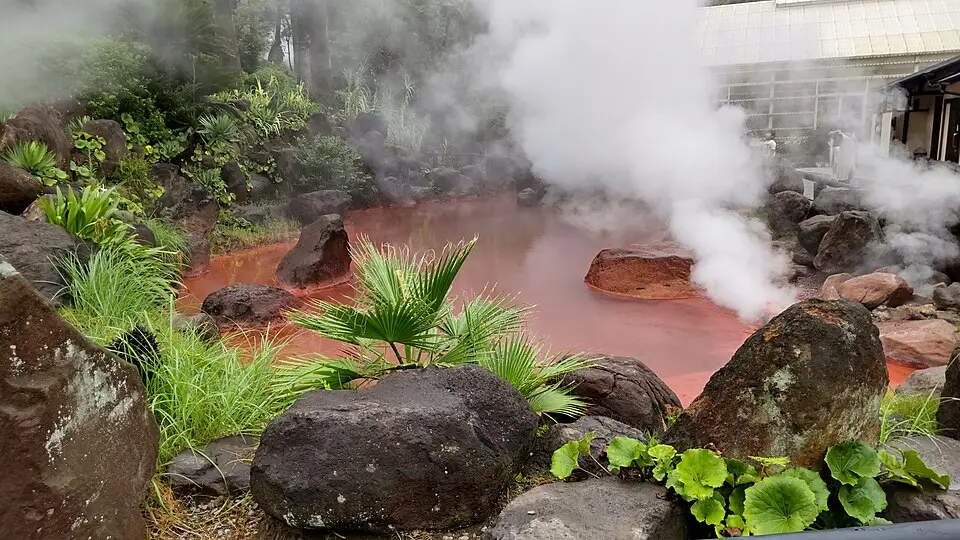
The Hells of Kannawa
Cobalt ponds, blood-red pools, a geyser on a timer — seven volcanic "hells" you view, not bathe in.
See the detail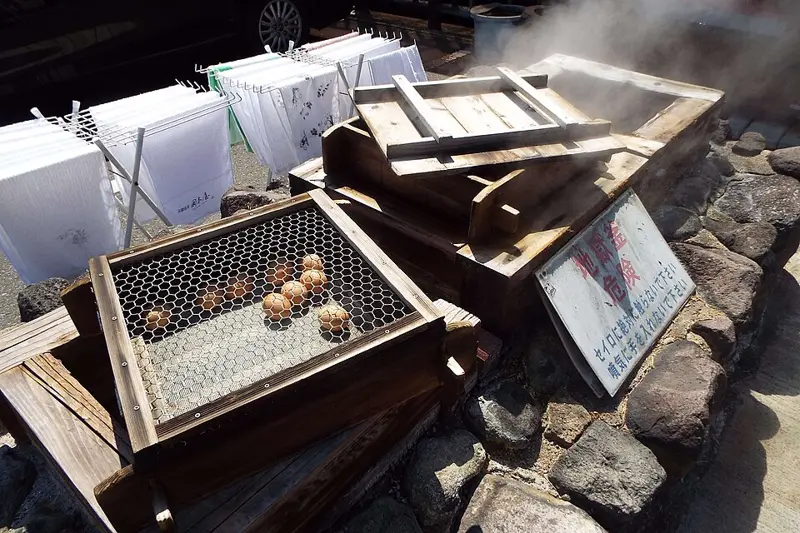 Eat · ~4h with the hells
Jigoku-mushi: steam your lunch
Rent a steam vent, lower your basket of seafood and vegetables into the earth, eat what the volcano cooked.
See the detail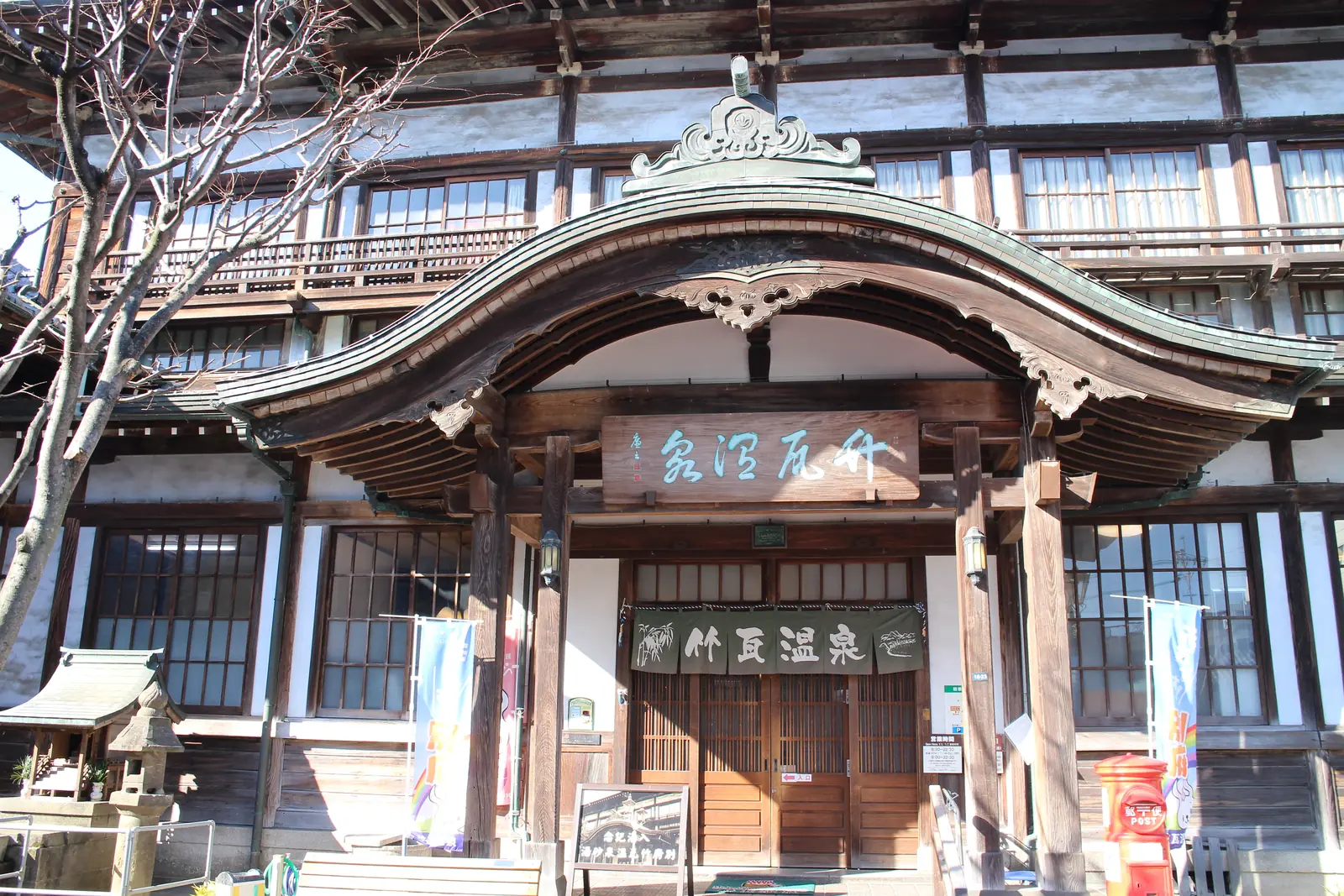 See · ~2.5h with downtown
Takegawara bathhouse
The 1879 grand dame of public baths under a temple-grade roof — entry costs pocket change and the wooden lobby alone is worth the trip.
See the detail