~2.5h on the slopes — the round trip from the gangway, with the 60-minute margin kept aside.
Tap a photo to see it large. 4 photographs, each credited.
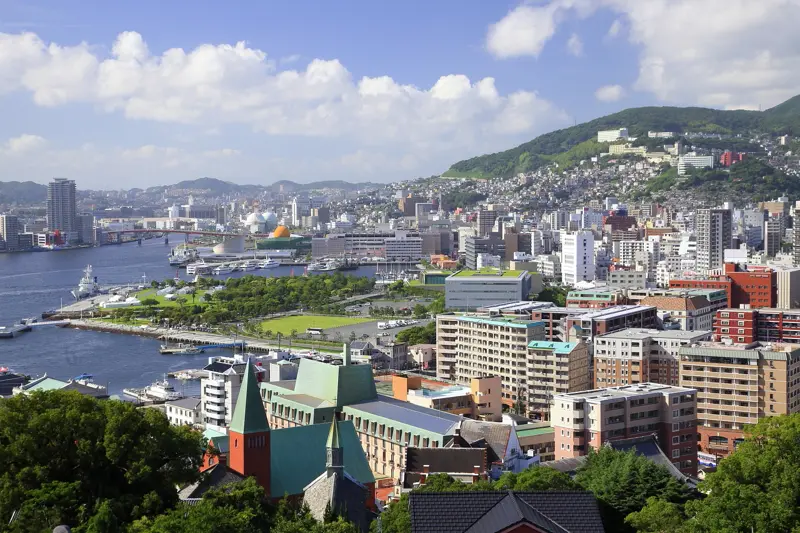
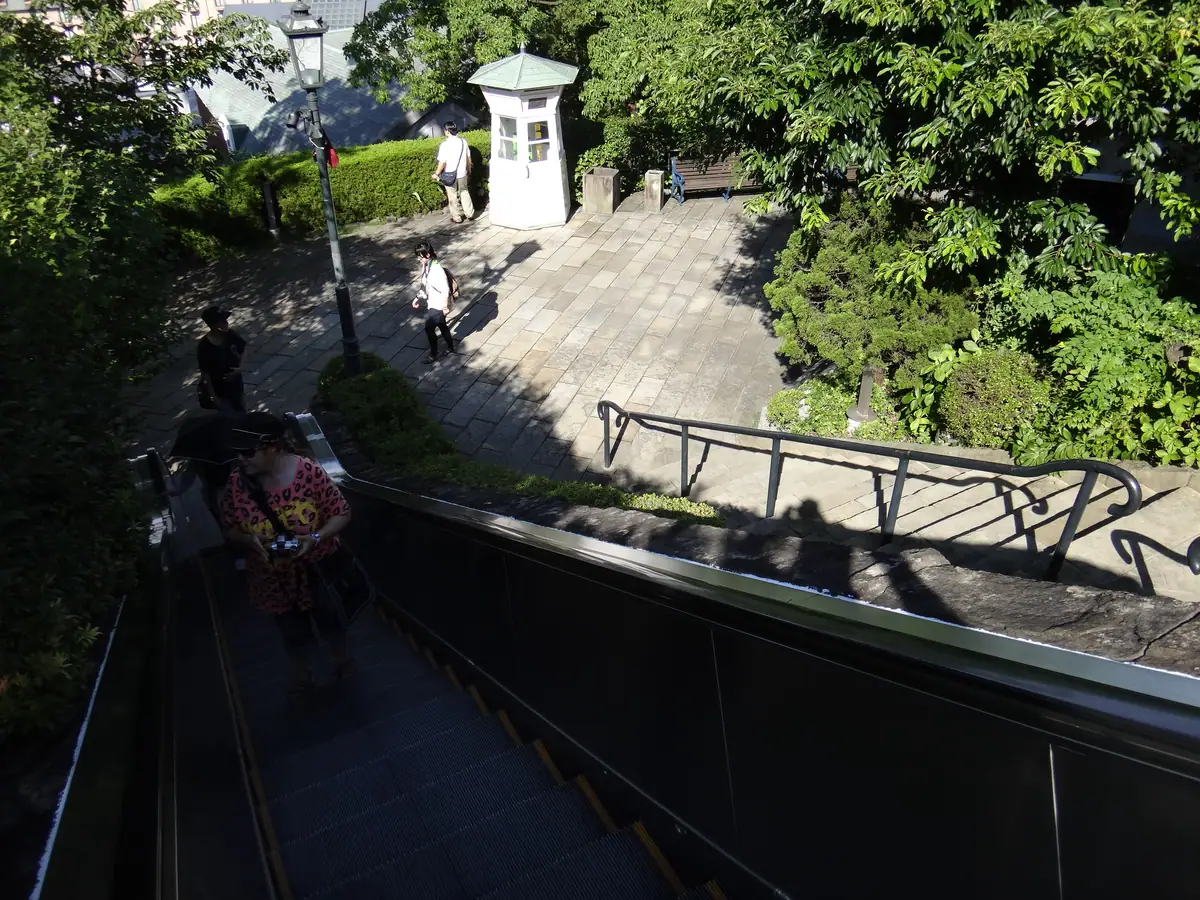
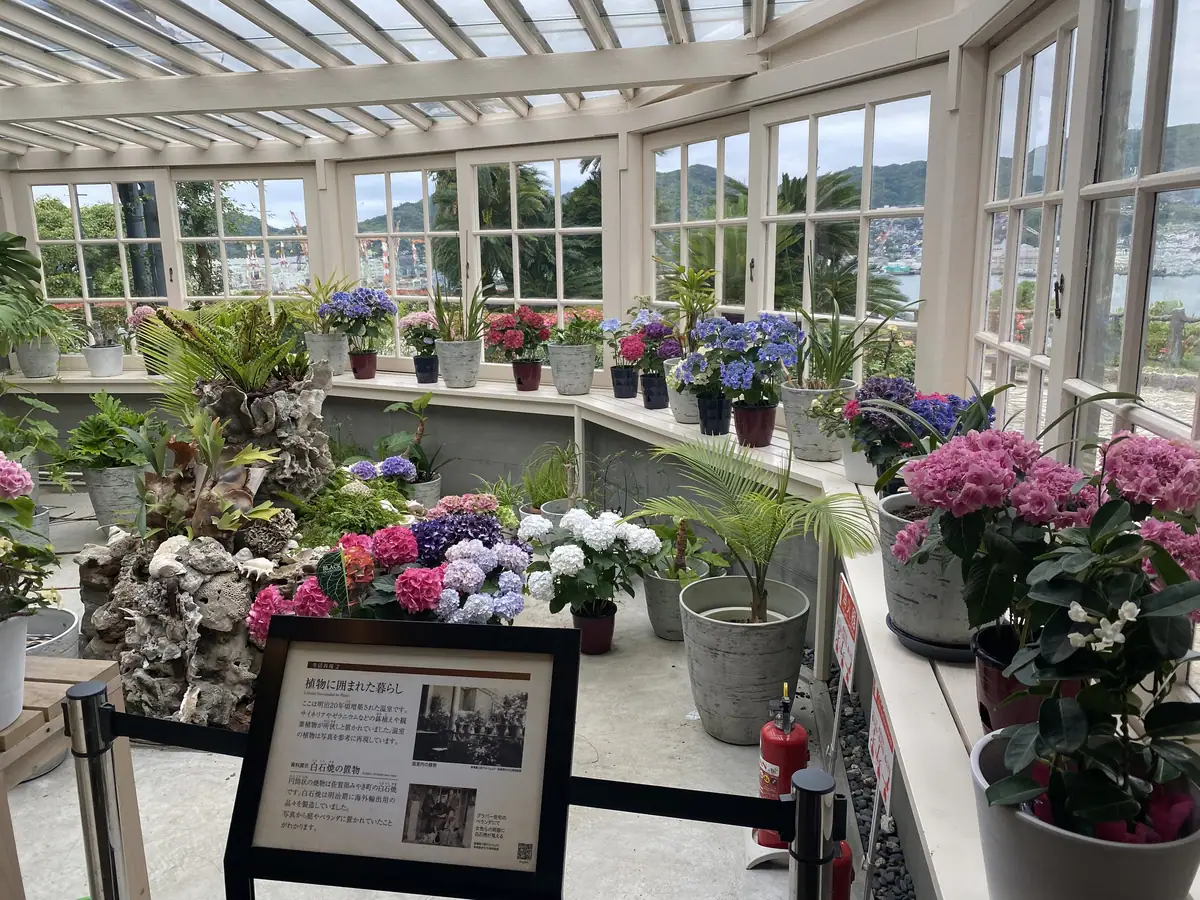
Scottish merchants’ villas above your ship, hydrangeas and harbor views between them — Puccini set Madame Butterfly on this hillside. Escalators do the climbing.
Thomas Glover was a Scottish merchant who arrived in 1859, armed the rebels who overthrew the shogunate, and helped found what became Mitsubishi and Kirin. His 1863 bungalow is the oldest surviving Western-style house in Japan. The garden around it collects several others and looks straight down on the harbour.
Thomas Blake Glover arrived from Aberdeen in 1859, aged 21, and within a decade was selling warships and rifles to the domains that would overthrow the shogunate — including Satsuma, whose nineteen students he smuggled to Britain in 1865. He also founded the shipyard that became Mitsubishi Heavy Industries and helped establish Japan's first modern coal mine and its first brewery, which became Kirin.
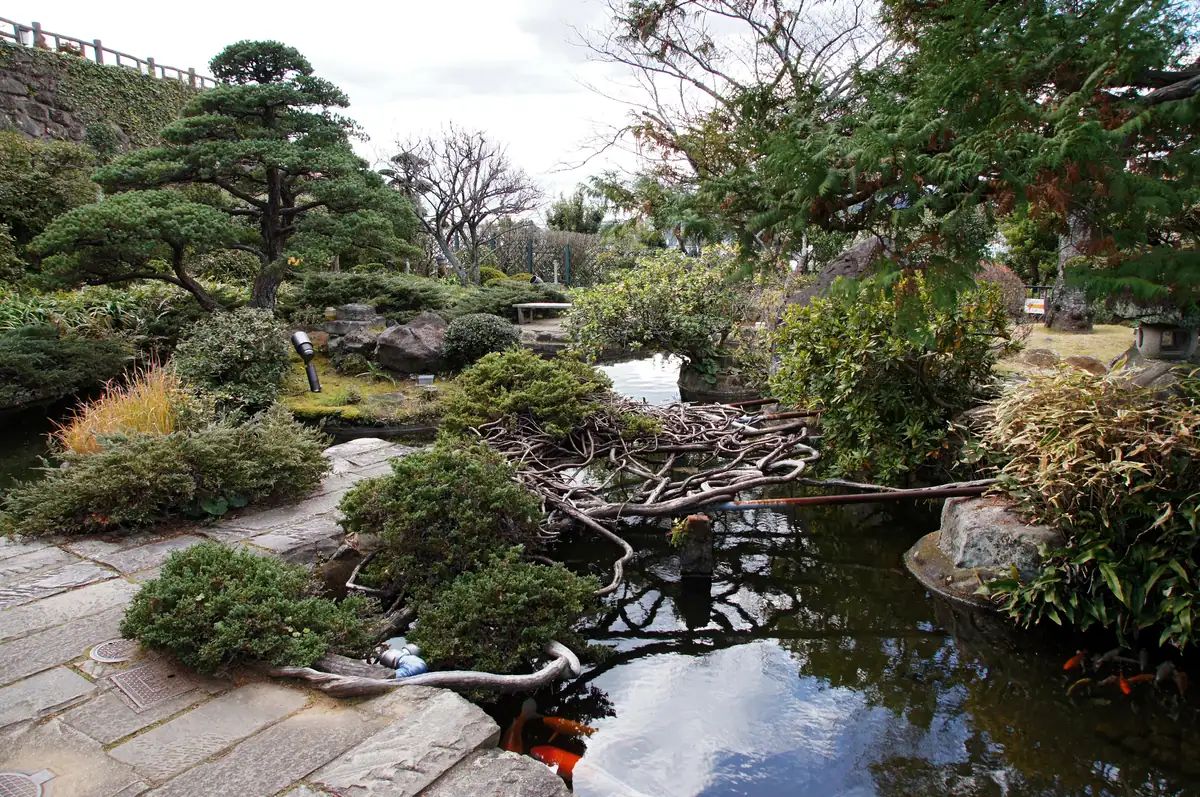
His 1863 bungalow is the oldest surviving Western-style house in Japan, and the garden around it has gathered a dozen more Meiji-era foreign residences on a hillside of hydrangeas above the harbour. Puccini never came here, but Madame Butterfly is set on this slope, and the garden leans into it cheerfully.
Both pins on one map, so the distance is a fact rather than a feeling.
Counted from the moment you step off the gangway. The hour before all-aboard is not in this bar; it is already set aside.
3 minutes each way is the honest figure for walk + escalators, not the optimistic one. If your ship is late, cut the 2 hr 24 min in the middle. Never cut the hour at the end.
Each of these still lands you back aboard with the hour to spare on a 6-hour stop ashore.
A Scottish merchant who arrived in Nagasaki in 1859 aged 21 and became the most consequential foreigner in Bakumatsu Japan — selling ships and arms to the domains that overthrew the shogunate, smuggling the Satsuma Nineteen to Britain in 1865, and founding the shipyard that became Mitsubishi Heavy Industries.
No — it is built on a steep hillside but a series of moving walkways carries you up, and the exit path runs downhill through the shops. It is the least strenuous major sight in any Japanese cruise port.
Each one is a finished day we have walked and timed, with this stop in it. Read the route rather than assembling it yourself.
Each of these still lands you back aboard with the hour to spare.
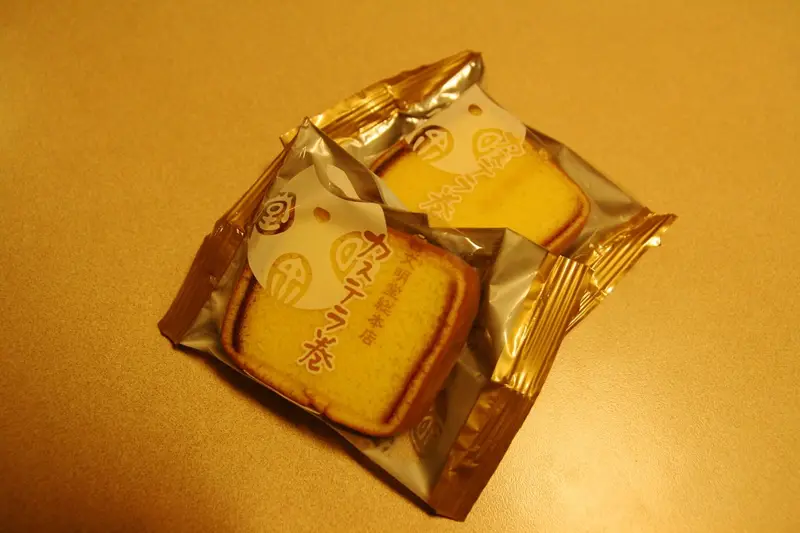 3 hr 30 min for both
Portuguese sponge cake perfected over 400 years — Fukusaya’s 1624 original shop still hand-mixes every batch.
See the detail →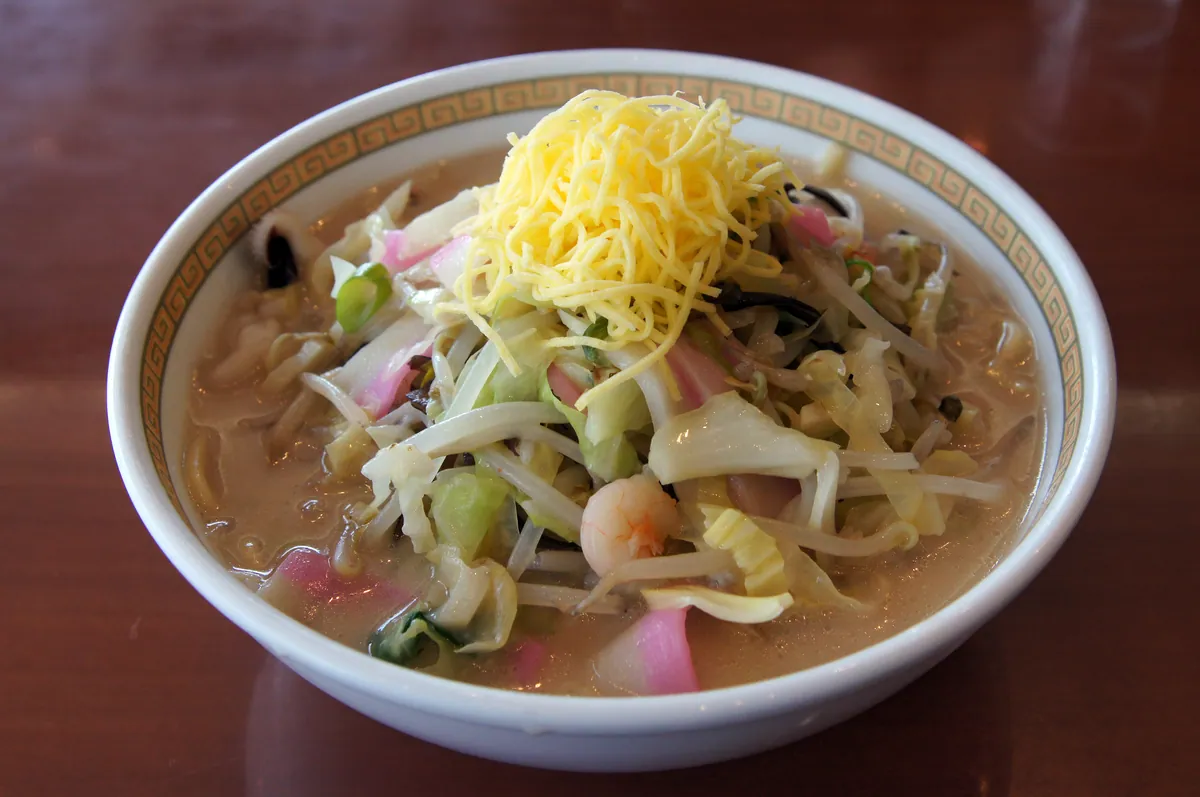 4 hr 30 min for both
The restaurant that invented champon in 1899 still ladles it under a chandeliered dome by the harbor.
See the detail →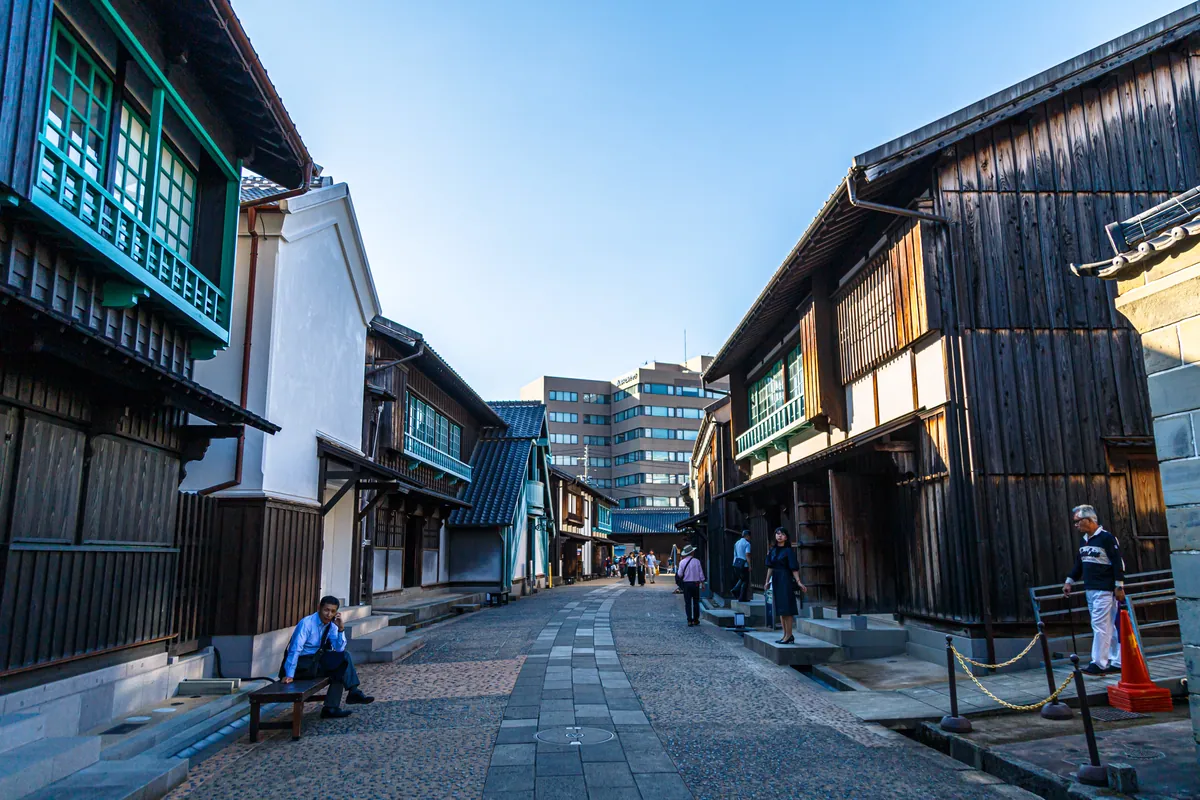 4 hr 30 min for both
For two centuries this fan-shaped islet was Japan’s only window on the West.
See the detail →No typing needed — jump straight in:
Just docked? — the gangway toolStart from your shipThe ride from every berthAsk the editorGlossary