First Japanese port: immigration on the dayQuantum of the Seas arrives from Seattle, Washington, so Hakodate is where you enter Japan
Japan checks every foreign passenger in person at the first Japanese port, before anyone goes ashore: a passport check and fingerprints. No official time is published for it, so plan the start of the day around the queue.
Before any tourLeave the first hours freeThe only official figure is from Hakata in 2015: ships of 1,000+ passengers took about 85 minutes once the cruise permit was in use. If you book a guide, say this is your ship’s first Japanese port and agree a start time with margin.
Landing permitCarry it ashore all dayForeign passengers on approved ships usually enter on a Cruise Landing Permission (船舶観光上陸許可) and receive a landing permit. The law requires holders to carry it at all times instead of the passport; passengers landed normally carry their passport.
CustomsLeave fruit and meat on boardMost fruit, vegetables and meat products may not be brought into Japan; the penalty can be up to three years’ imprisonment or a ¥3 million fine. Declaration forms are given out on board: follow your cruise line’s instructions.
Sources: Immigration Services Agency of Japan (Immigration Control Act, Art. 14-2 and 23), Japan Customs, Ministry of Agriculture, Forestry and Fisheries. Checked 25 October 2026. Our guide to the first Japanese port
At the pier, before you set off
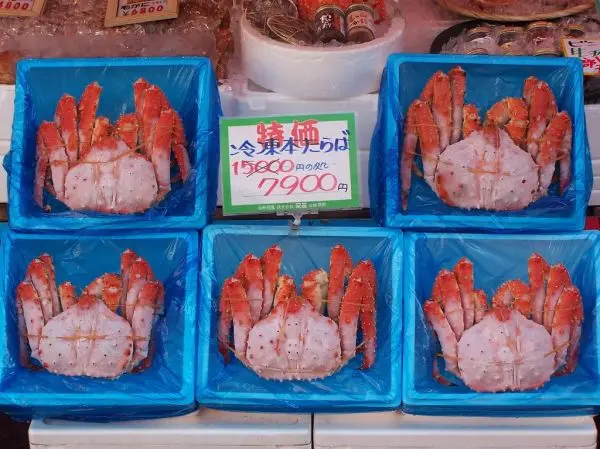
The terminalWakamatsu terminal: toilets, Wi-Fi, a covered walkway from the gate, an English tourist desk on call days; no exchange, no shop (shops 220 m away).
Cash and ATMsNo exchange at the terminal; 7-Elevens 270 m and 380 m away and the Hakodate-ekimae post office (360 m) have foreign-card ATMs.
Wi-Fi and dataWi-Fi in the Wakamatsu terminal; none at Minato-cho Quay.
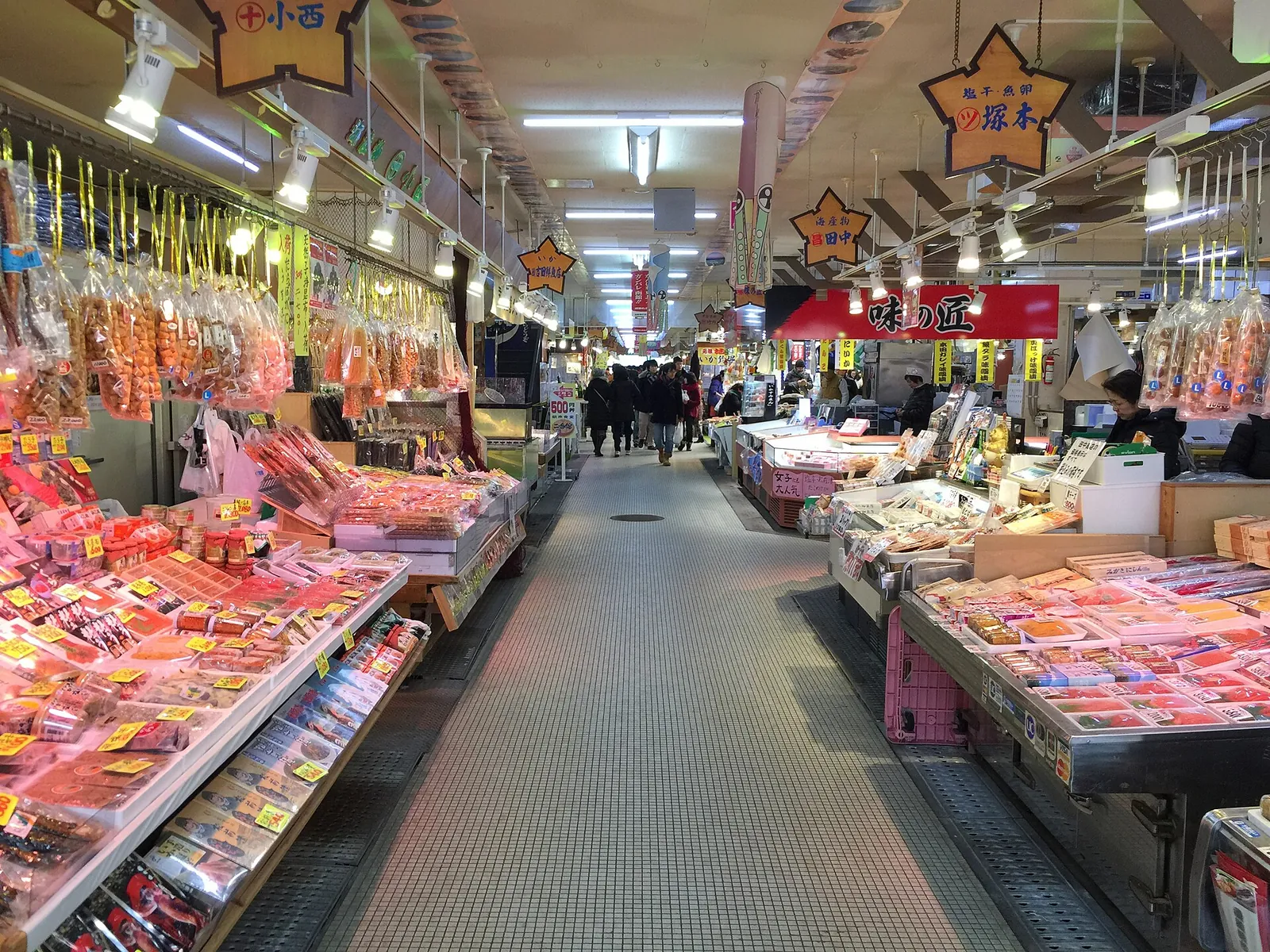
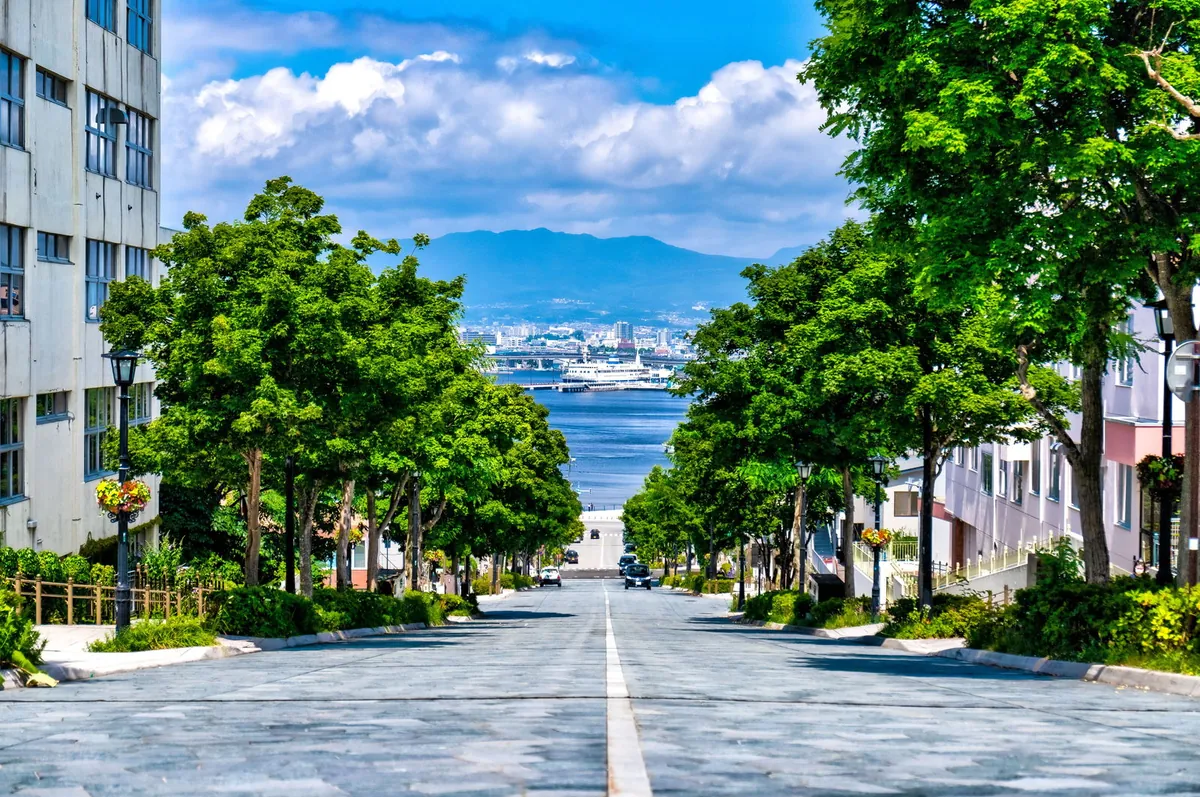
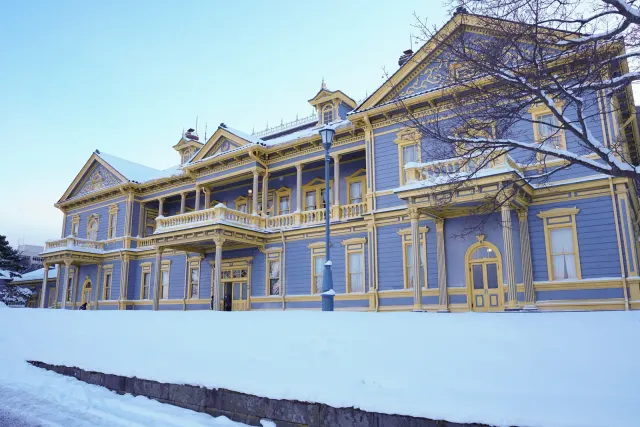
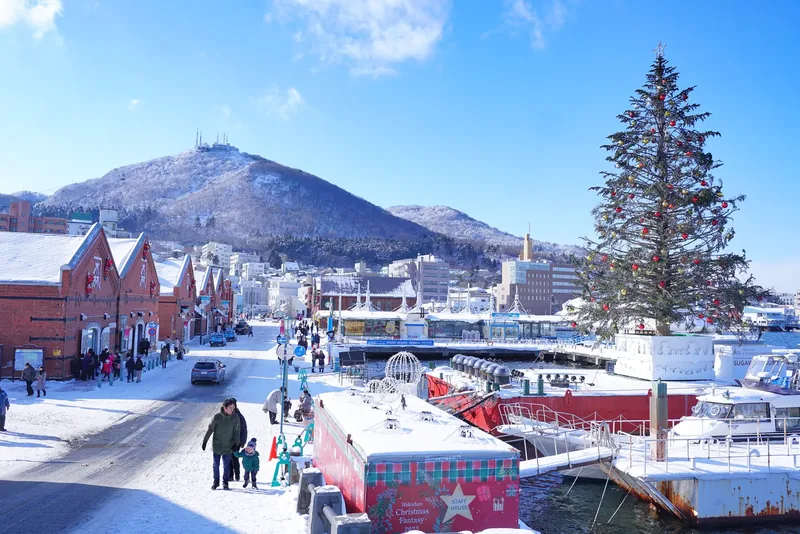
Steps and slopesOnly 300 m from Wakamatsu to the Morning Market; Motomachi's Hachiman-zaka climbs straight up from the bay, and the ropeway lends wheelchairs free.

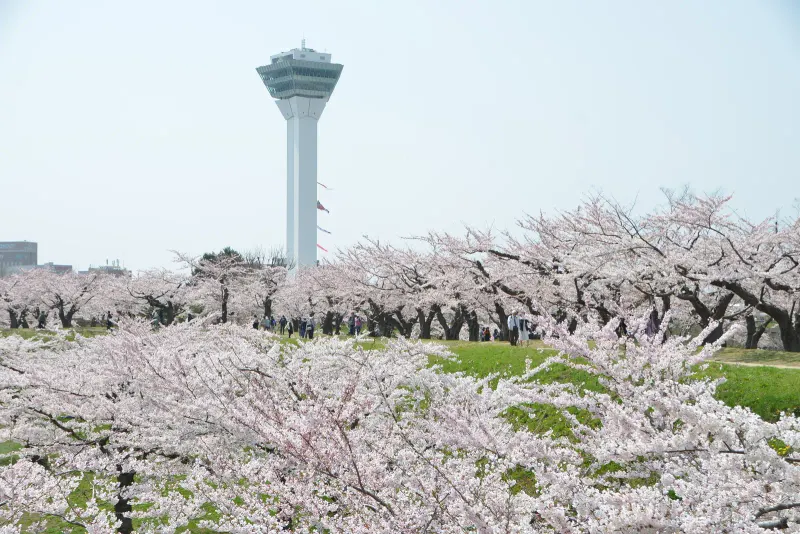 0:00Tram to Goryokaku (~30 min)
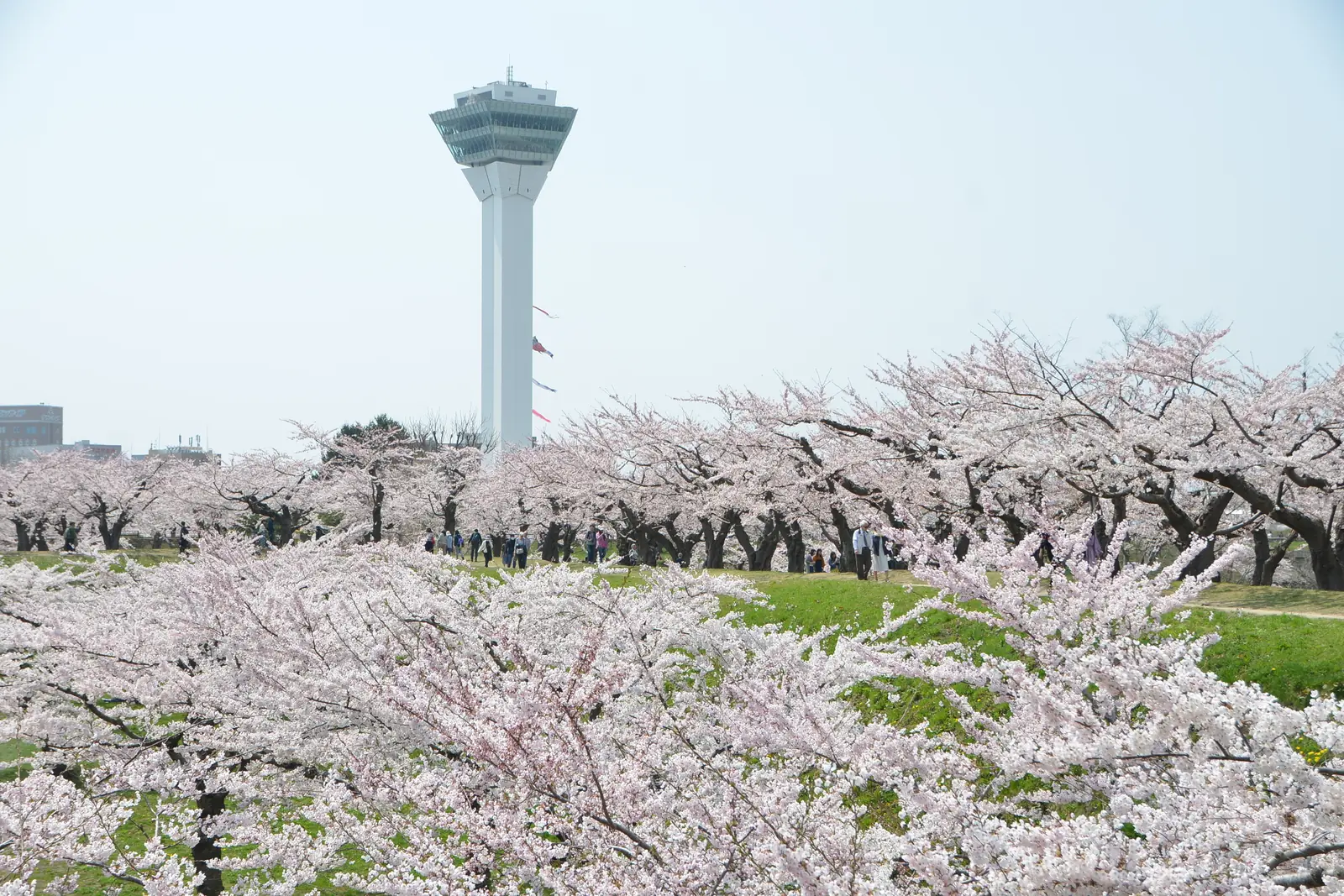
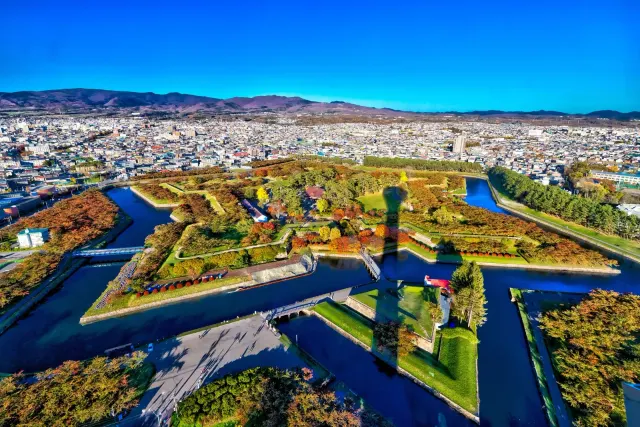
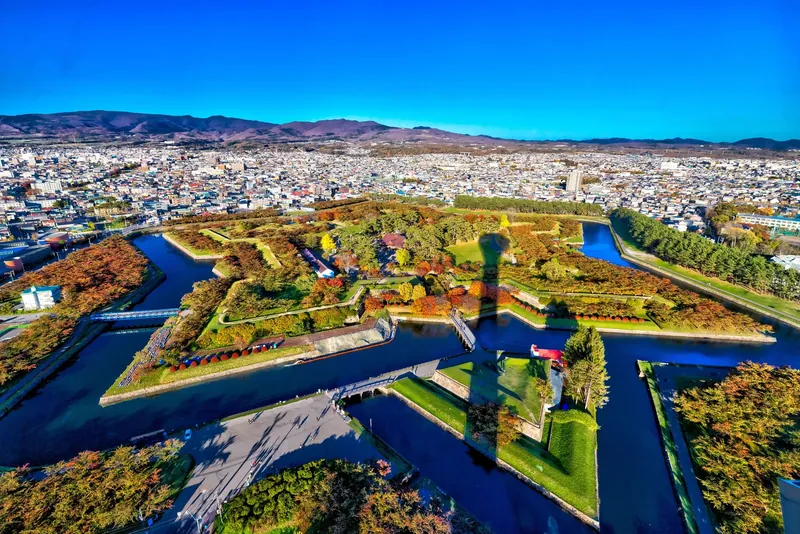 0:40Goryokaku Tower — see the star from above
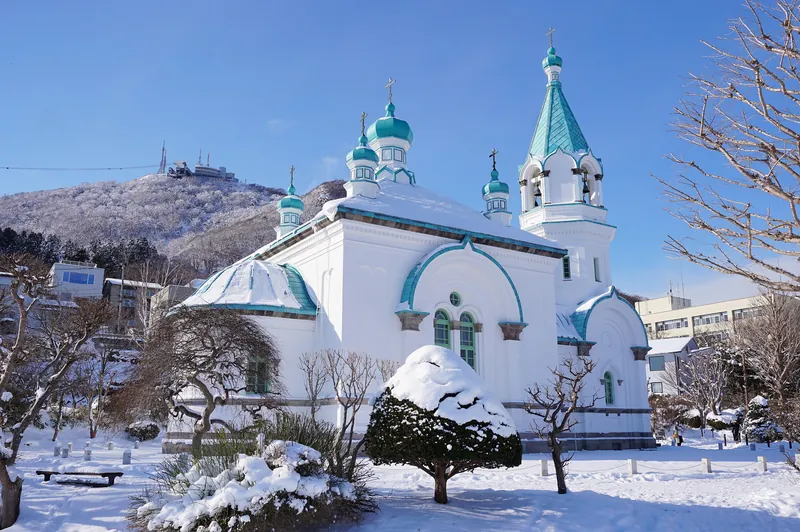 3:30Tram back toward Motomachi
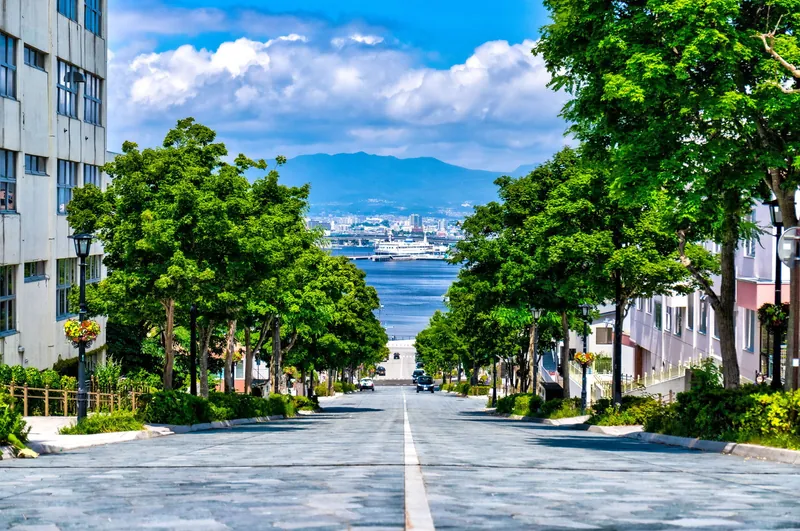 4:30Motomachi slopes at golden hour
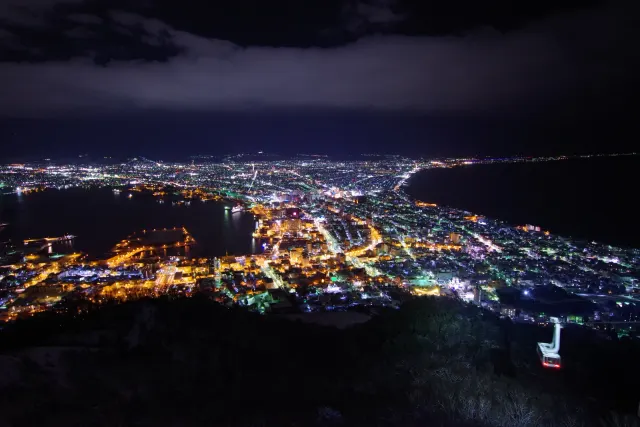
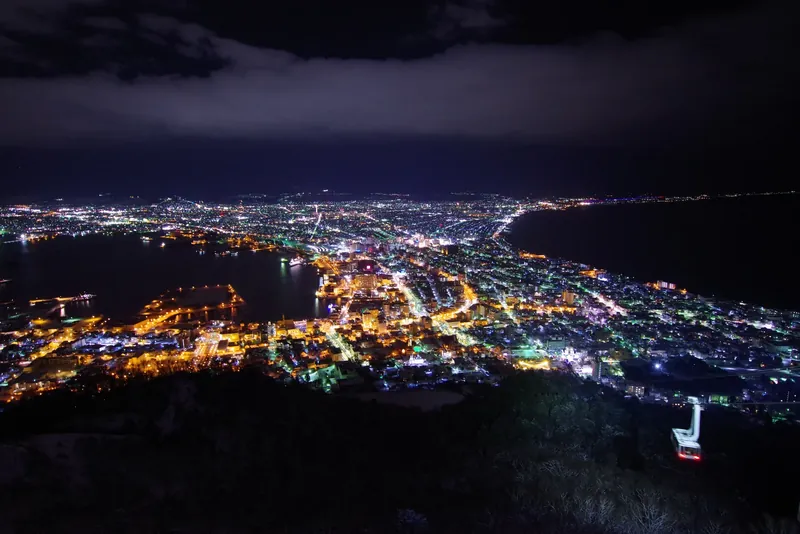 5:30Late sailings only: Mt. Hakodate ropeway at dusk