
 1 / 9
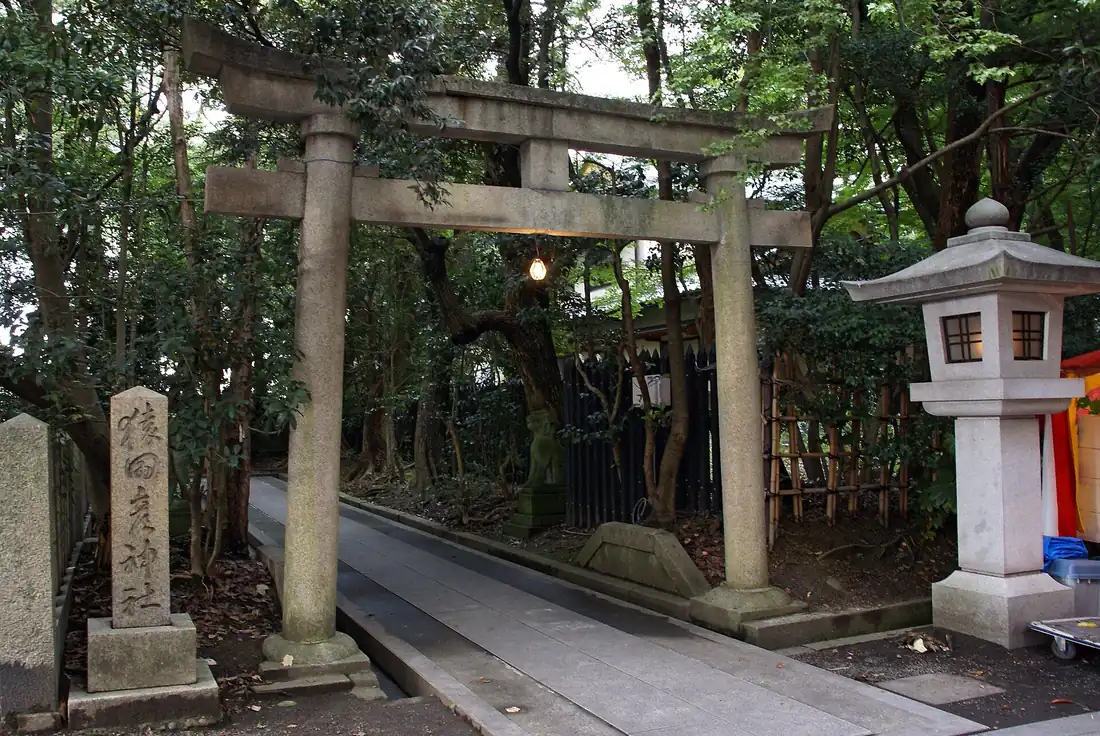
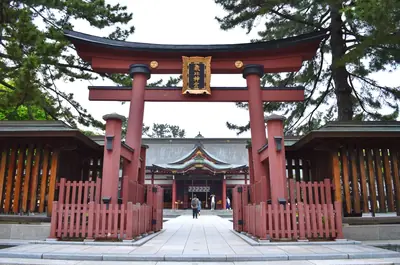
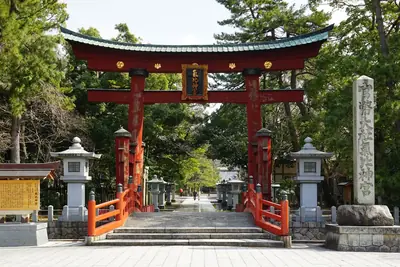
Kehi Jingu great toriiPhoto: Saigen Jiro / CC0
Tap a photo to see it large. 9 photographs, every one credited.
Checked against official sources · updated · Takumi Yamada
An 11-meter vermilion gate rebuilt in 1645 — one of Japan’s three great wooden torii, and the town’s spiritual front door. Open from early morning, so beat the shuttle crowd.
- Our number 2 for Tsuruga, out of ten. It is the first thing we would spend the hours on.
- Short enough to be certain of: 40 min door to door, so even a tender day works.
- On a 4–6h ashore call our verdict is "Perfect" — combine with the port of humanity museum and a walk along the symbol road to the station.
- Gates Oct–Mar 6:00–17:00; Apr–Sep 5:00–17:00 — prayer reception 9:00–16:00 daily; amulet and goshuin desk 8:45–16:45..
Why Kehi Jingu great torii is famous
One of Japan's three great wooden torii, 10.9 metres (36 shaku) tall, raised in 1645 from Sado timber and a nationally designated Important Cultural Property. The shrine behind it is far older, traditionally dated to 702, and was the guardian of the whole Hokuriku region. It was the only structure at the shrine to survive the 1945 air raid.
Kehi Jingu is Tsuruga's main shrine, called the chief shrine of the Hokuriku and the first shrine of Echizen. Its great torii is a national Important Cultural Property and one of Japan's three great wooden torii, a trio the shrine's own caption shares with Kasuga Taisha and Itsukushima.
The torii is 36 shaku, or 10.9 m, tall, of wood in the vermilion-lacquered ryobu style, built in 1645 from muroki cut in Sado, on the shrine's own history page. It is, the shrine says, the only structure on the site to have escaped the air raid of 12 July 1945 that destroyed the main hall. The shrine dates its foundation to the year 702.
The catch is that the great torii is the point, and everything else is a quiet Shinto precinct with little to do for a first-timer. The shrine's own site is in Japanese only and states no admission fee, so confirm on the day. It is a 30-minute stop, so pair it with the museum, a lunch, or the pine grove.
Things worth knowing
- Gates open at 6:00 from October to March, so on an early call the great torii is yours before the shuttle crowds arrive.
- The shrine desk for amulets and goshuin stops at 16:45, and prayer reception at 16:00.
- The great torii stands at the shrine's front; the shuttle's Aioi-cho-dori stop is on the shrine's west side, so you walk in from the side and see the gate as you leave.
- The Gurutto Tsuruga loop bus runs from the station to the shrine in about 3 minutes, and the community bus Matsubara line takes about 4.
Kehi Jingu great torii and your ship
Both pins on one map, so the distance is a fact rather than a feeling.
Questions people send us
How tall is the great torii of Kehi Jingu?
The shrine's history page gives 36 shaku, 10.9 m, built in 1645 from muroki wood cut in Sado, in vermilion lacquer. It calls it one of Japan's three great torii.
Is Kehi Jingu close to the Tsuruga cruise port?
The ships dock in the cargo port. The city shuttle stops at Aioi-cho-dori by the shrine, and the official facility sheet says about 5 minutes by car. Our calculation is about 4.5 km and ¥2,150 by taxi.
What are the shrine's opening hours?
Gates 6:00–17:00 from October to March and 5:00–17:00 from April to September; prayer reception 9:00–16:00.
Routes that already include it
Each one is a finished day timed from the official timetables, with this stop in it. Read the route rather than assembling it yourself.
What to put beside it
Each of these still lands you back aboard with the hour to spare.
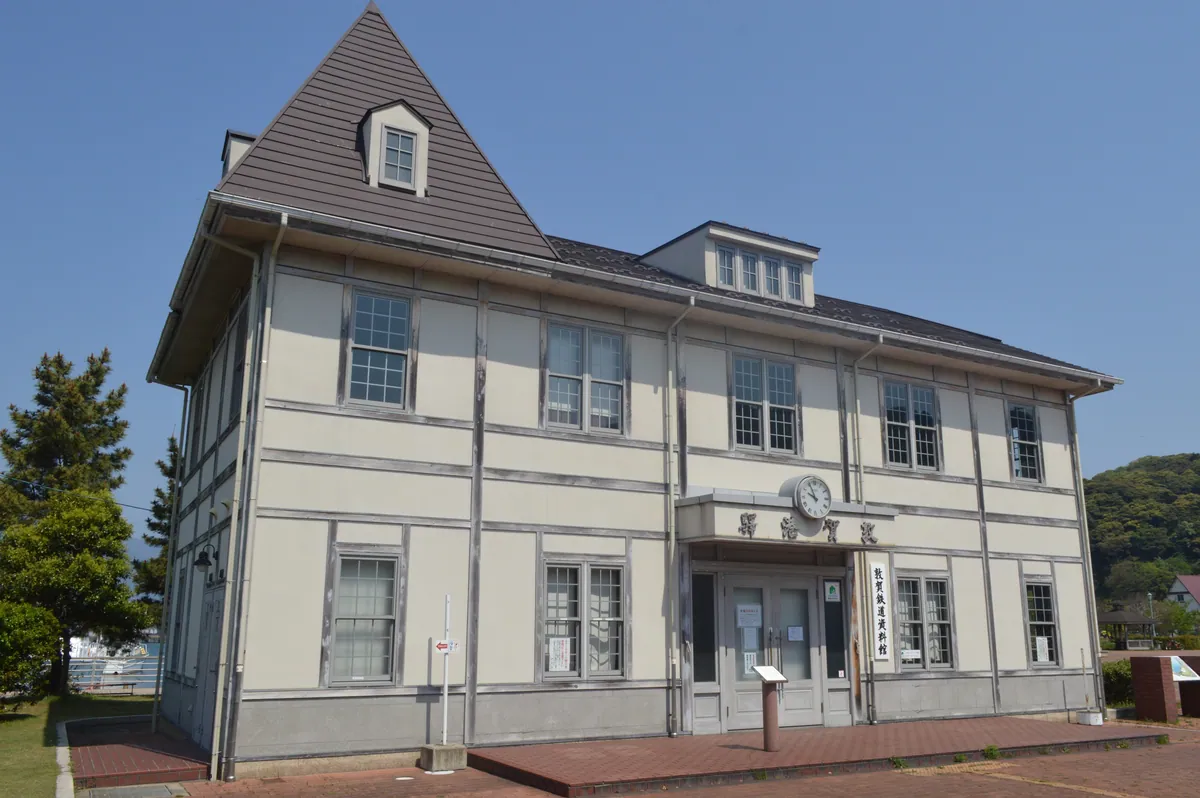 1 hr for both
Former Tsuruga Port Station
A pocket museum of the boat-train era, when Tokyo–Tsuruga–Vladivostok was the fastest way from Japan to Paris.
See the detail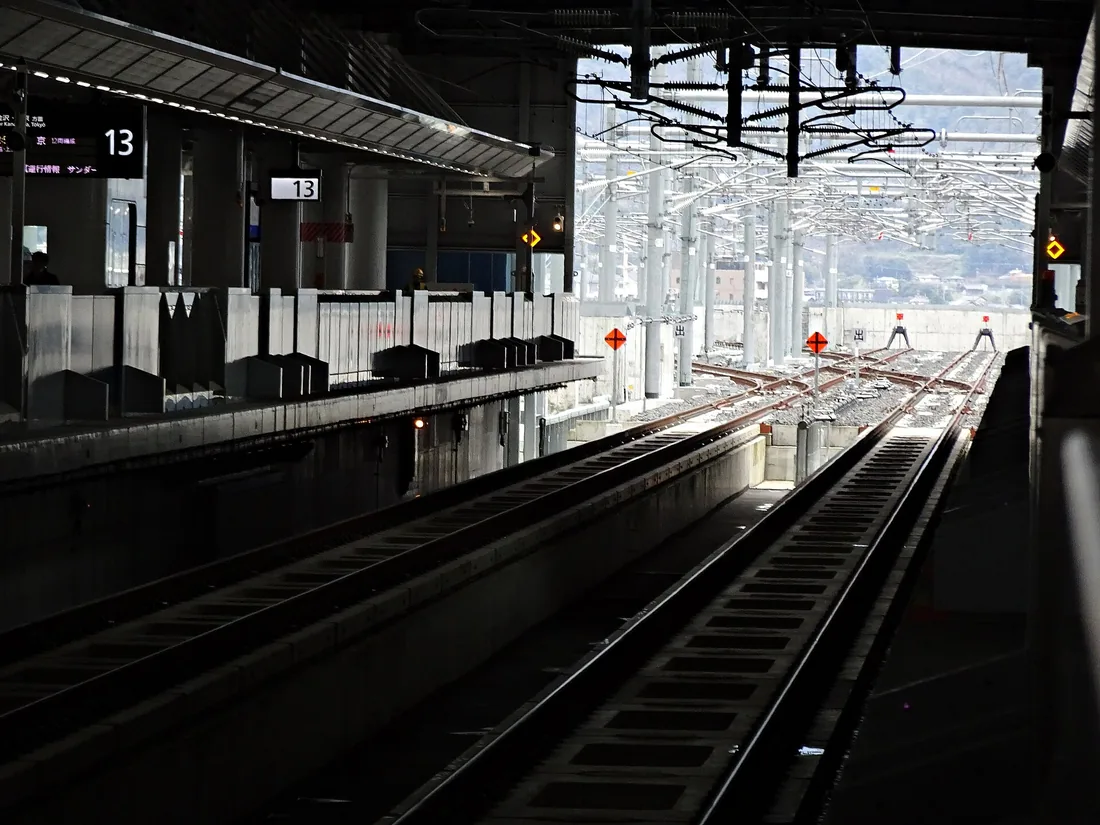 1 hr 10 min for both
Symbol Road statues
Twenty-eight bronze Galaxy Express 999 and Space Battleship Yamato figures line the arcade — the town’s 1999 tribute to its port-and-rails century.
See the detail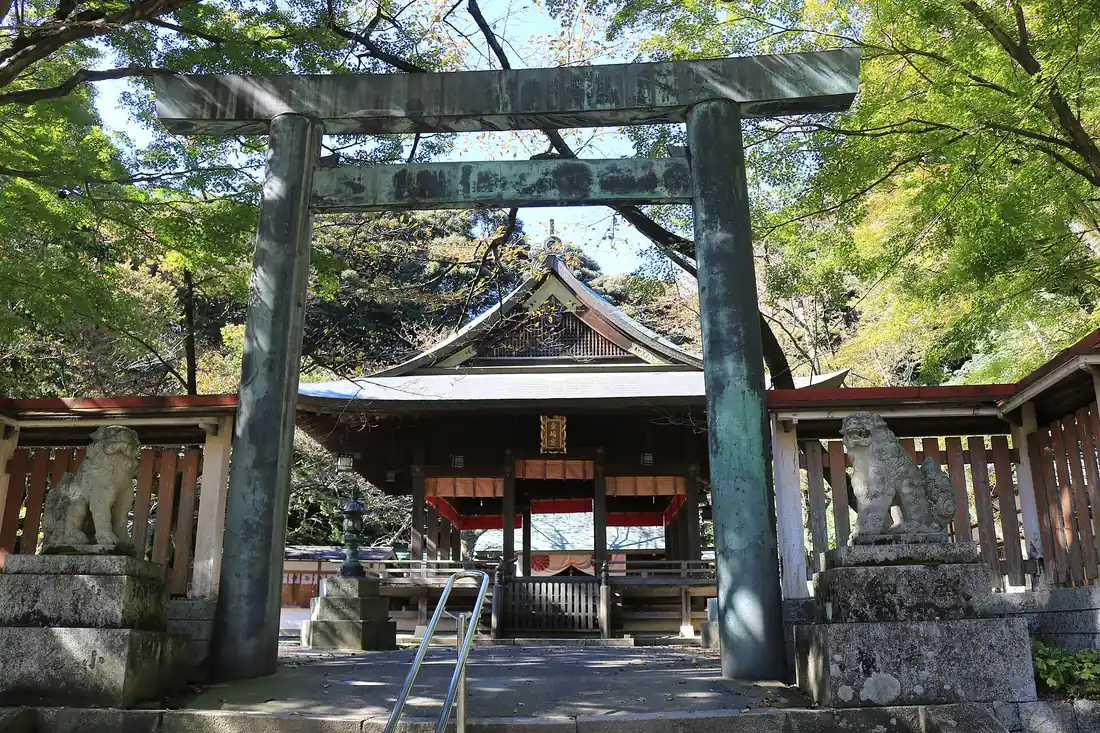 1 hr 10 min for both
Kanegasaki-gu
The “love shrine” on the hill over the museum quarter — a short stair climb, a harbor view, and in early April the cherry-blossom flower-exchange festival..
See the detail