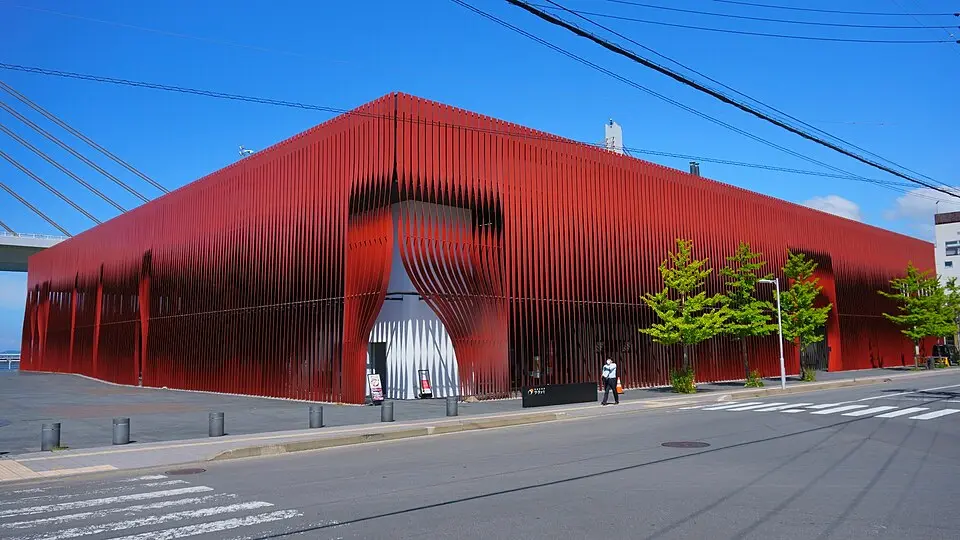
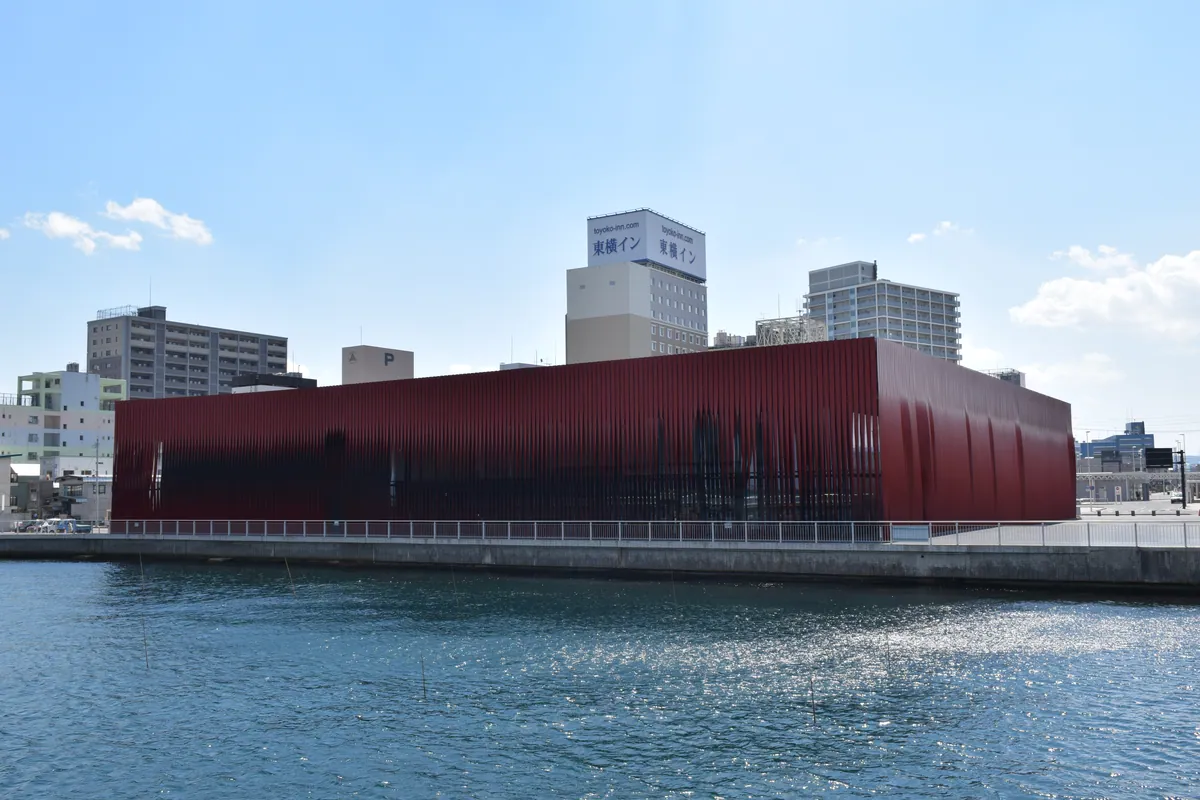
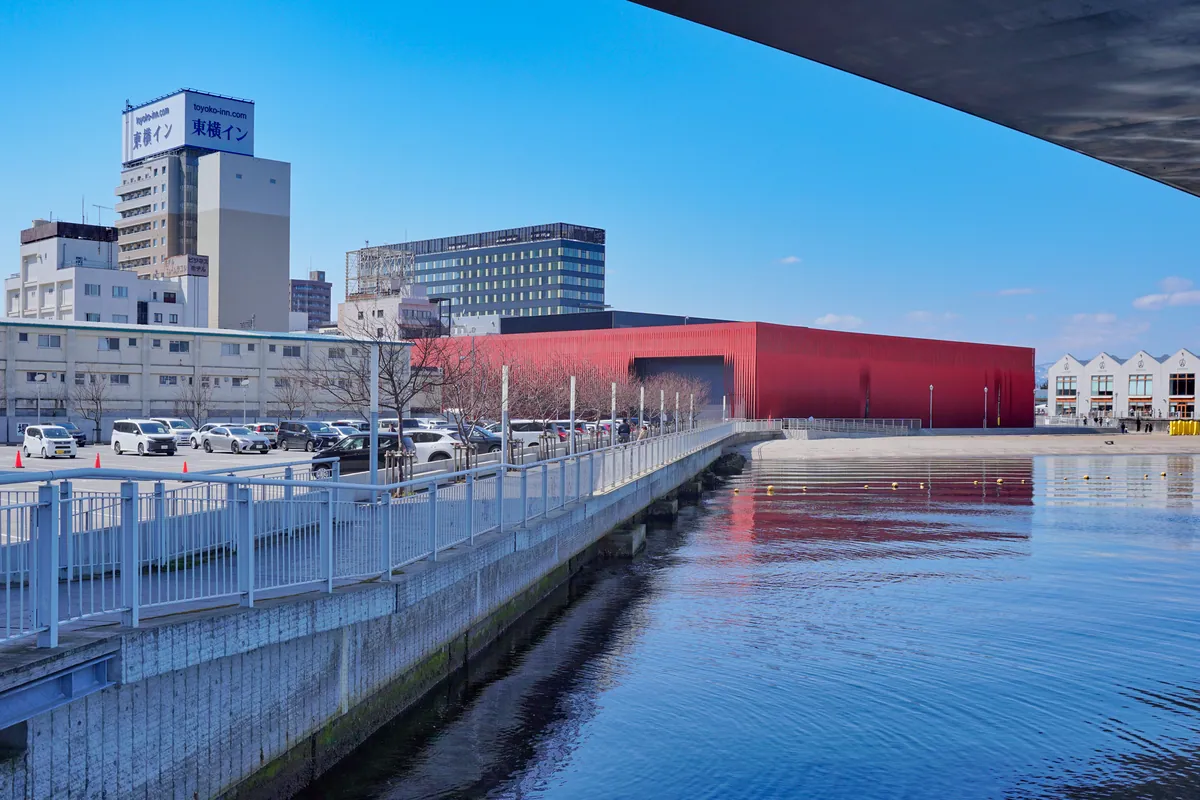
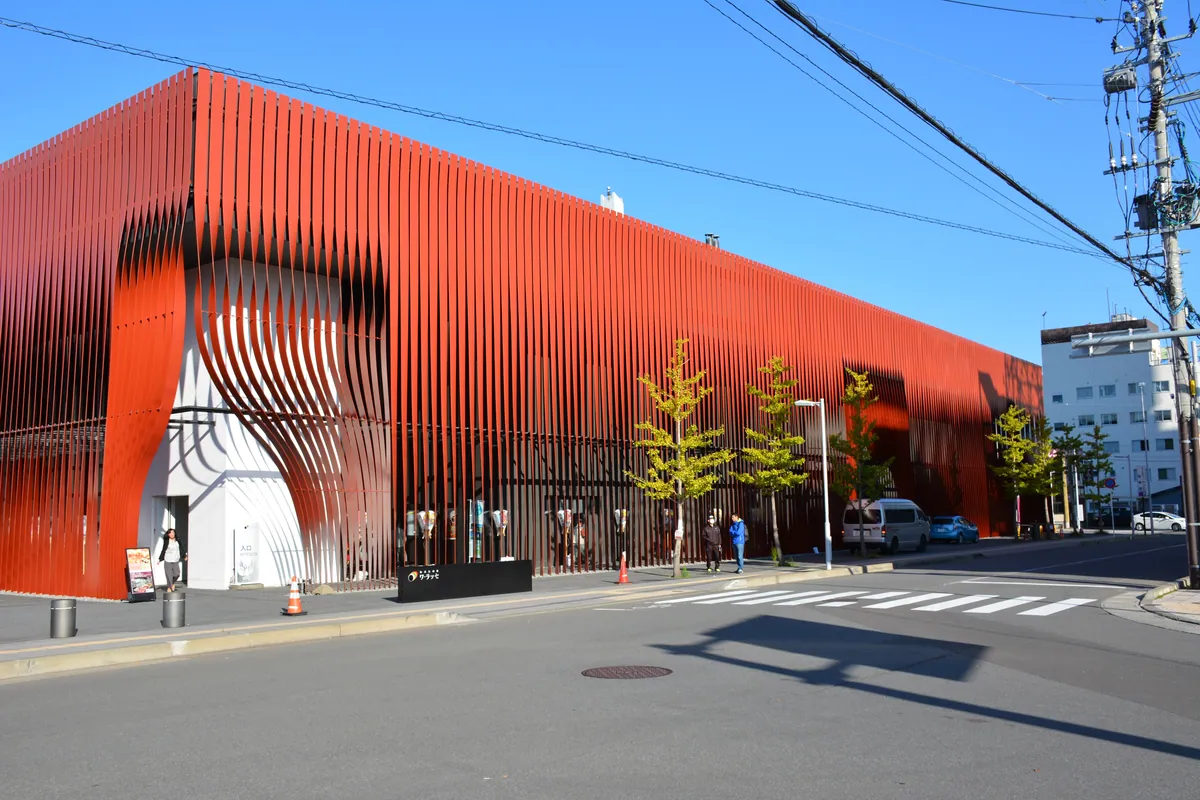
~1.5h, on the waterfront — the round trip from the gangway, with the 60-minute margin kept aside.
Tap a photo to see it large. 4 photographs, each credited.
Full-size festival floats — glowing, ferocious, twenty feet tall — with the drums playing. The single best hour in northern Japan, two minutes from the berth.
The six nights Aomori builds all year for
Nebuta is a summer festival of illuminated paper floats, pushed through Aomori every August since at least the 18th century, and designated an Important Intangible Folk Cultural Property. Wa Rasse keeps several of the previous year's prize-winning floats indoors at full size, which is the only way to meet them outside the first week of August. The drums are there to be hit.
Two-storey warriors of paper and light, four tonnes each, hauled through the streets by a city that spends eleven months making them and six nights setting them free.
Every August, two-story warrior floats of washi and light parade through Aomori while a million people chant under the drums. For the other eleven months, the newest and best of those floats retire here — full-size, lit from within, close enough to see the brushstrokes. It is the single best indoor hour in northern Japan, and it happens to sit beside your gangway.
This is not a museum of photographs. Four or five real floats from the latest festival dominate a dark hall; haneto dancer costumes hang ready; and at scheduled times the drummers play the festival rhythm live. Passengers who saw the real Nebuta from a late-stay ship come here to understand what they saw; everyone else comes to regret nothing.
Tanabata lantern-floating fuses with local Tsugaru summer customs and the nemuri-nagashi drowsiness rite
The festival's top prize is named for the general of the conquest legend
National designation, alongside Hirosaki's Neputa
Public discomfort at honouring the conqueror of the Emishi ends the old name
The museum runs year-round, a minute from the station. In early August the festival itself is the reason to be here — and the one night you should plan a cruise around.
Both pins on one map, so the distance is a fact rather than a feeling.
Counted from the moment you step off the gangway. The hour before all-aboard is not in this bar; it is already set aside.
8 minutes each way is the honest figure for waterfront, not the optimistic one. If your ship is late, cut the 1 hr 14 min in the middle. Never cut the hour at the end.
Each of these still lands you back aboard with the hour to spare on a 6-hour stop ashore.
Yes — the festival shows you the floats moving at night from a distance; Wa Rasse lets you stand beside them lit, still, and close enough to study. The two experiences complete each other.
Sixty to seventy-five minutes covers the hall, the history wall and a drum performance. Add fifteen for the shop. It fits even the shortest Aomori call with margin.
Each one is a finished day we have walked and timed, with this stop in it. Read the route rather than assembling it yourself.
Each of these still lands you back aboard with the hour to spare.
A cider works and market hall under the bay bridge — apple everything, from fresh juice flights to pies.
See the detail →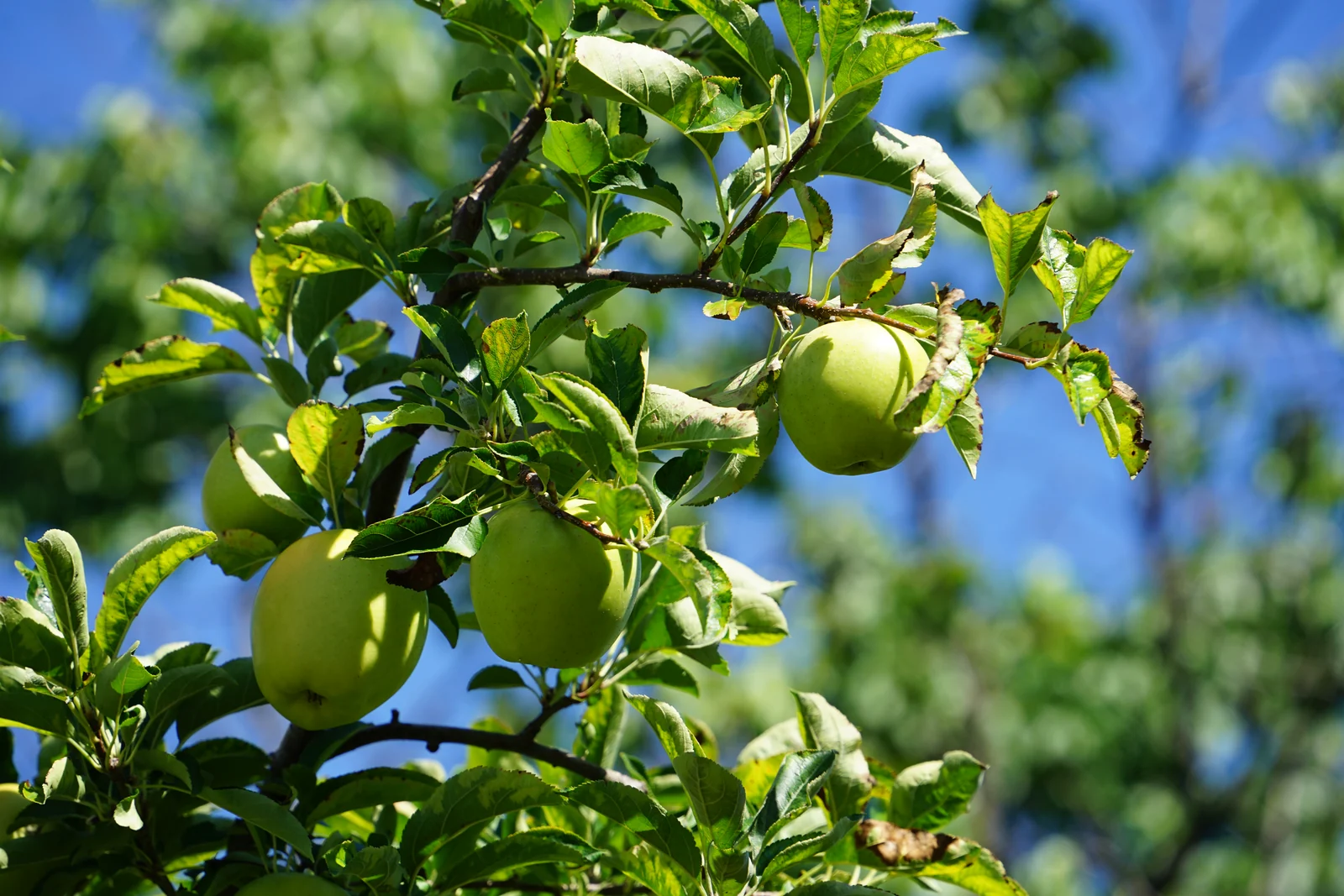 2 hr 30 min for both
Ciders, butters, chips, pies and whole Mutsu apples the size of grapefruit.
See the detail →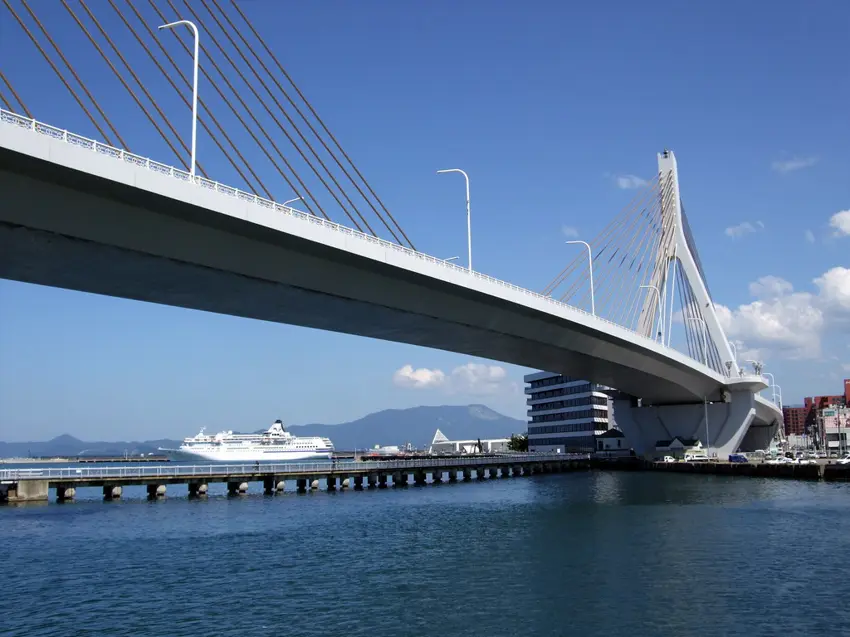 2 hr 30 min for both
The triangle walk — ASPAM’s pyramid, the red Nebuta hall, the white bridge over your ship.
See the detail →No typing needed — jump straight in:
Just docked? — the gangway toolStart from your shipThe ride from every berthAsk the editorGlossary