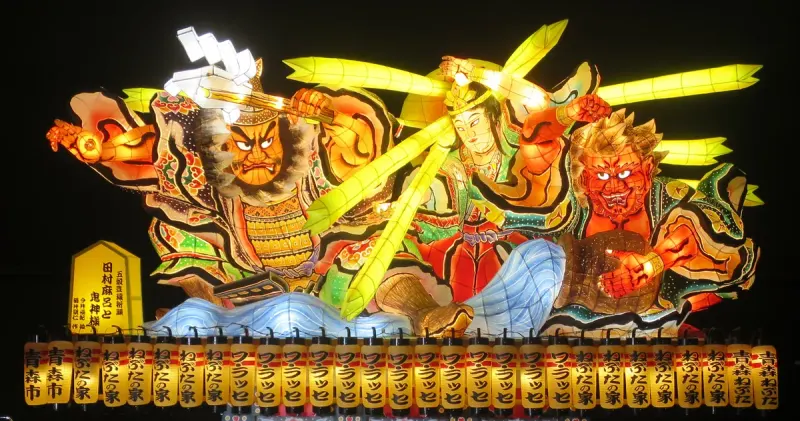
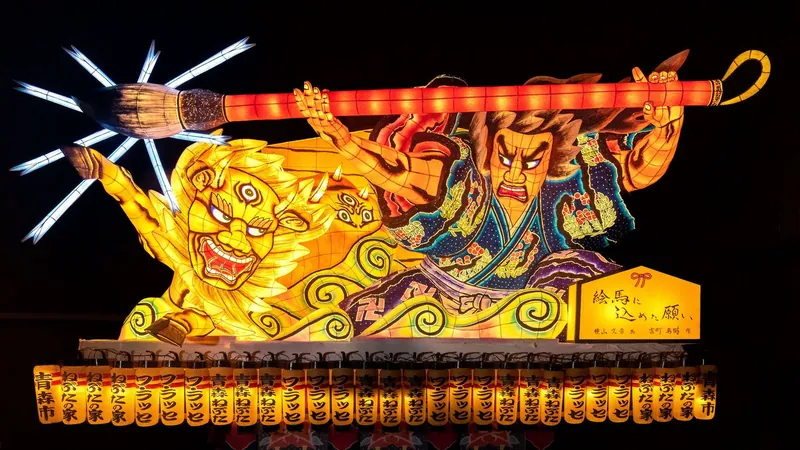
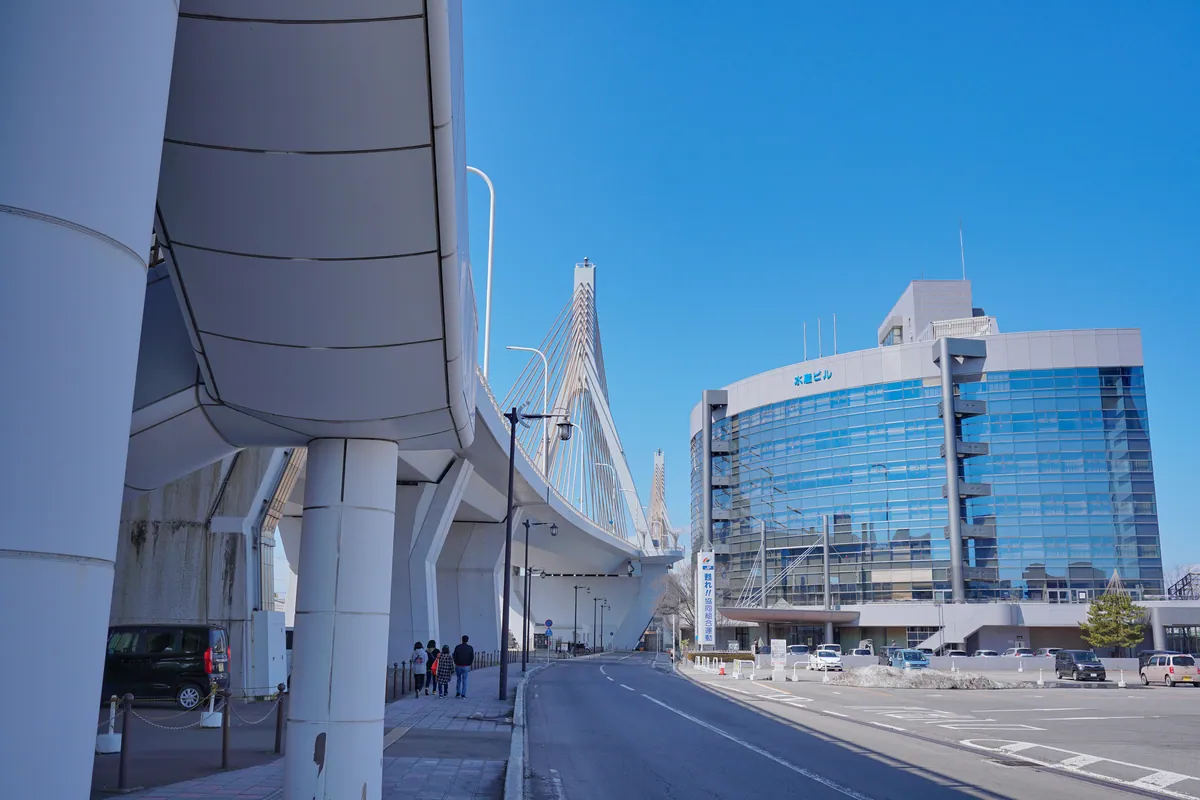
Aomori is a bay city that builds all year for one week in August: the Nebuta festival, when two-storey paper warriors are hauled through the streets. Between festivals the floats glow in a waterfront hall, the orchards grow 60% of Japan's apples, and a Jōmon town sits at the bay's edge. Your ship docks a flat 20-minute walk from the floats, the cider and the seafood market.
If this is your first Japanese port, everyone goes through face-to-face immigration at the terminal; allow 30 to 60 minutes after the ship clears. What happens at your first Japanese port
How the berths work, and the way into town, in full
First: which berth are you at?
Almost certainly Shin-Chuo. Aomori has two cruise berths, but the prefecture's own lists show one of them doing nearly all the work.
Item
Shin-Chuo Wharf (almost every ship)
Okidate Wharf (the very largest, and Nebuta-week second ships)
Where
Honcho, on the bay just east of the station area
A cargo wharf in the Okidate district, west of the city centre
Terminal
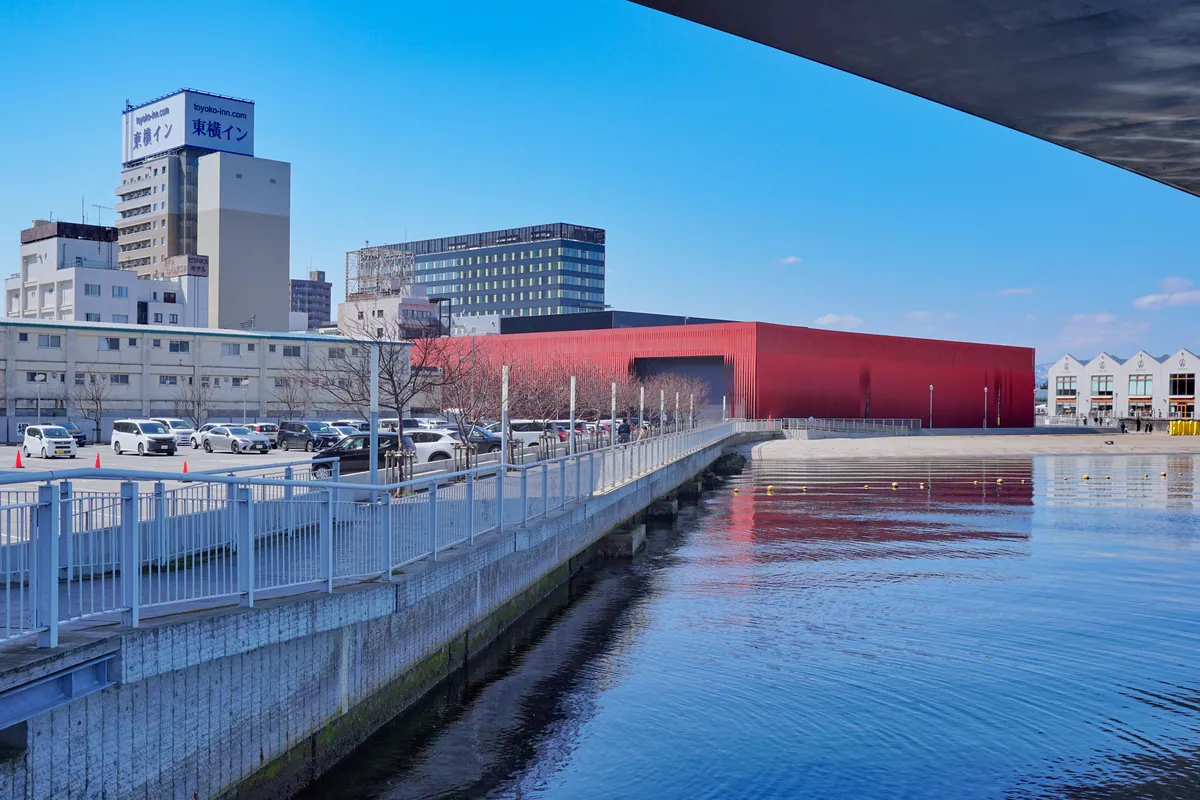
Aomori Port International Cruise Terminal, completed 2019, with a Welcome Hall
No passenger terminal named in any official source
Size
360 m pier, 10 m deep
455 m quay, up to 13 m deep
On foot
ASPAM about 15 min, Wa Rasse about 20 min, the station about 20 min
Treat as a taxi berth
2026 calls
40 of 42, and every call from October to the season's end
2 of 42
The 2026 schedule lists 45 calls; three were cancelled for weather (the last, Carnival Luminosa on 4 October), leaving 42. Only two went to Okidate: Ovation of the Seas (168,666 GT, 347 m — no other ship on the list is longer than about 295 m) on 4 May, and Diamond Princess on 7 August, when Asuka II was already at Shin-Chuo on its Nebuta overnight. The 2025 record shows the same pattern. So the practical rule is: Shin-Chuo, unless your ship is a Quantum-class giant or it is festival week and another ship is in. You will read that Okidate "runs a shuttle"; no official source says so. Check your berth in the daily programme the night before all the same.
While a ship is alongside, access to the wharf is restricted under the SOLAS convention, so non-passengers cannot meet you at the gangway. On ship days the port committee often stages welcome events on the wharf — brass bands, local-product stalls, a calligraphy corner.
Getting from Shin-Chuo Wharf into Aomori
You walk. The route follows the bay west past ASPAM and the Bay Bridge to the cluster around the station, and it is flat all the way. The times below come from map routing, not a stopwatch; official pages give 20 minutes to the station.
To
How
Time
Cost
ASPAM (tourist information, 2F)
Walk
about 15 min (0.86 km)
Free
Wa Rasse
Walk
about 20 min (1.2 km)
Free
A-Factory
Walk
about 20 min (1.4 km)
Free
Nokke-don market (Aomori Gyosai Center)
Walk
about 25 min (1.6 km)
Free
JR Aomori Station
Walk, or taxi
about 25 min on foot; about 5 min by taxi
Taxi metered
Sannai-Maruyama
Taxi
about 20–25 min (the site gives 20 min and 7 km from Aomori Station)
Taxi metered
Sannai-Maruyama
Nebutan-go from the station's West Exit, stop 2
about 40 min; only 9:00, 10:30, 13:10, 16:10
¥300
Hirosaki
Walk to the station, JR Ou Line
about 40–60 min on a local or rapid
¥720
Hakkoda Ropeway
JR Bus Hakkoda-go from the station (book ahead, 12 Nov–31 Mar)
60–85 min
¥1,290 + ¥300 seat booking
We could not find the official Aomori taxi tariff, so this guide gives times and distances rather than taxi fares. There is no confirmed taxi rank at the terminal; the ship's shore desk or the welcome staff can call one.
The Nebutan-go loop bus is useful for Sannai-Maruyama, but its "port" stops are the Hokkaido ferry terminals, not the cruise terminal, and from Aomori Station it leaves only four times a day. The returns from Sannai-Maruyama-mae reach the station at 10:00, 11:30, 14:10 and 17:10. It takes cash or Suica-type IC cards; a day pass is ¥800. The Aomori Prefecture Tourist Information Center is on ASPAM's second floor, and the city's is in front of the station's East Exit.
From the ship to each place: how, how long, how much
Walk about 25 min (or taxi about 5 min) to JR Aomori Station
JR Ou Line local or rapid to Hirosaki, about 40–60 min; do not board trains terminating at Tsugaru-Shinjo
Hirosaki Station to the castle: taxi about 5 min, or the Dotemachi loop bus from 10:00 (¥200 cash, ¥180 IC)
¥720 each way (local or rapid) · 1–2 an hour, with 50–60 min gaps at midday
About 1 h 45 min to 2 h each way door to door. It needs a call of about 9 hours or more; on a 07:00–17:00 call the last safe local back is the 13:45 (arrives Aomori 14:33).
Fits a 07:00–17:00 call and anything longer. On a 7-hour call, see the note.
Aomori's best day needs no booking and no transport ticket: breakfast at the fish market, the floats with a drum session, cider and apples, and the Jomon village if you want it. Times assume a 07:00 arrival and 17:00 departure, so all-aboard around 16:30 and our target back at the gangway 15:30.
07:30Off the ship. Walk the bay promenade past ASPAM, the triangular tourist building, towards the station — about 25 minutes to the market by our routing estimate, all flat.
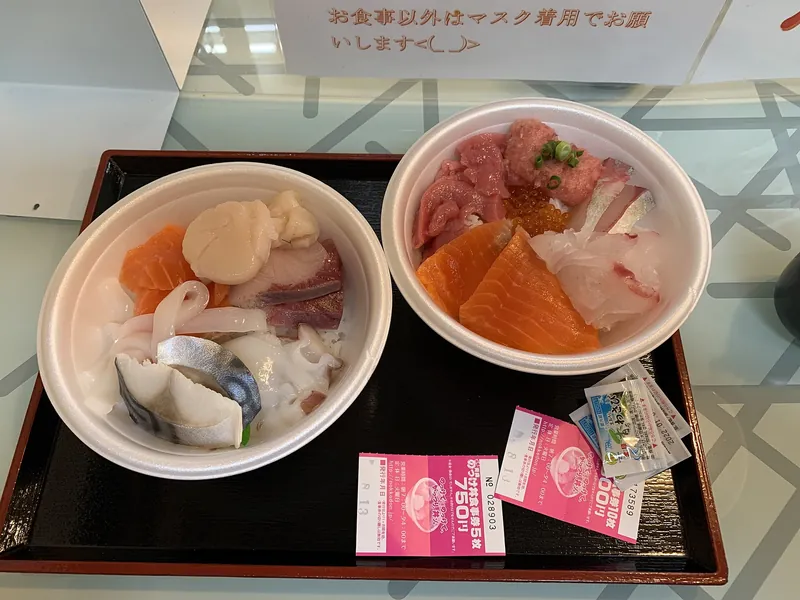
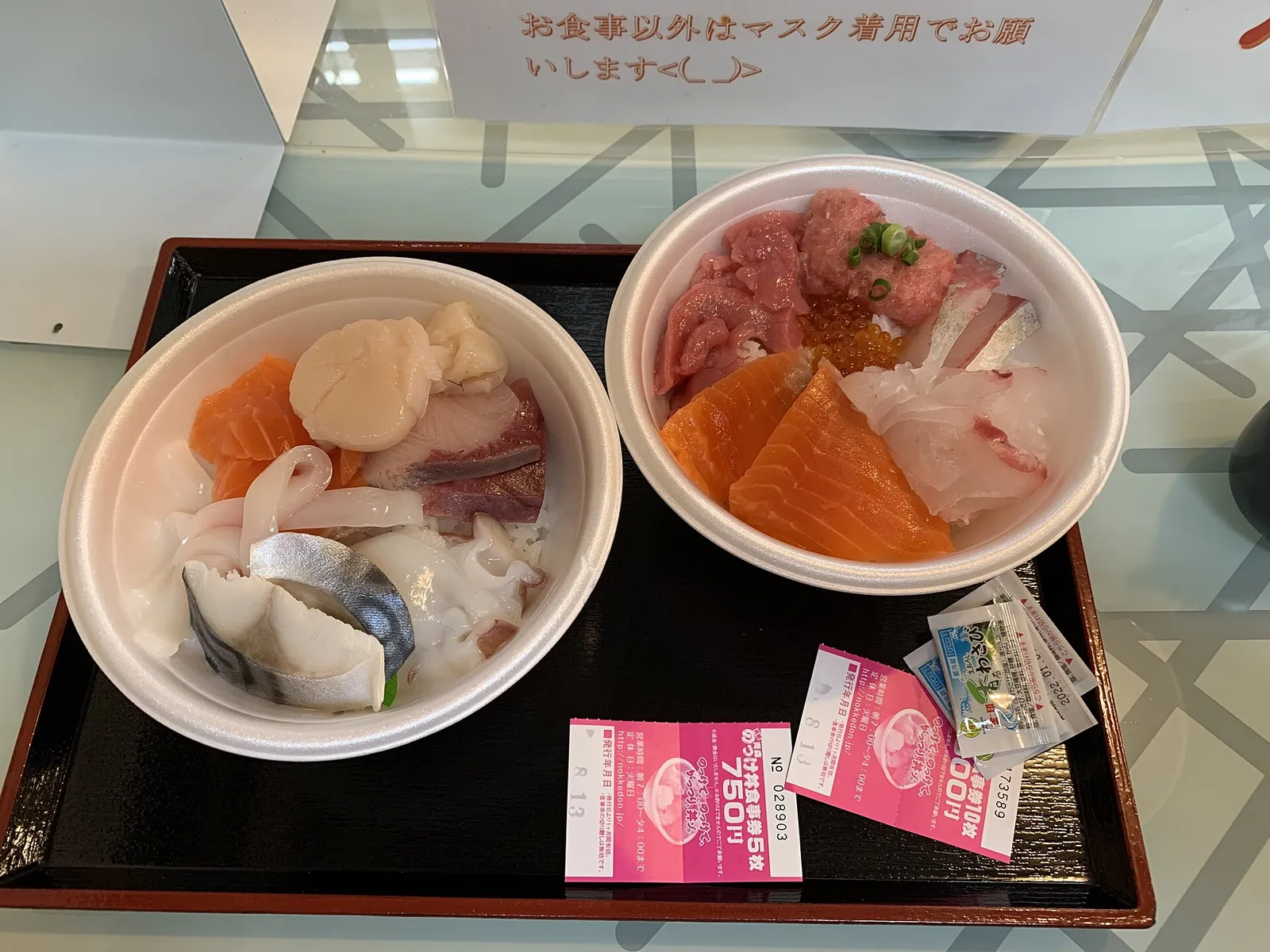
07:50Nokke-don breakfast at Aomori Gyosai Center (opens 7:00): buy 12 tickets for ¥2,200, get rice for one ticket, then walk the stalls adding toppings for one to three tickets each. You eat it inside. Closed Tuesdays.
09:00Hakkoda Maru, the old Seikan train ferry moored by the station (¥510). Its October hours were 9:00–19:00 daily; winter hours apply from November, so check them before you plan around it.
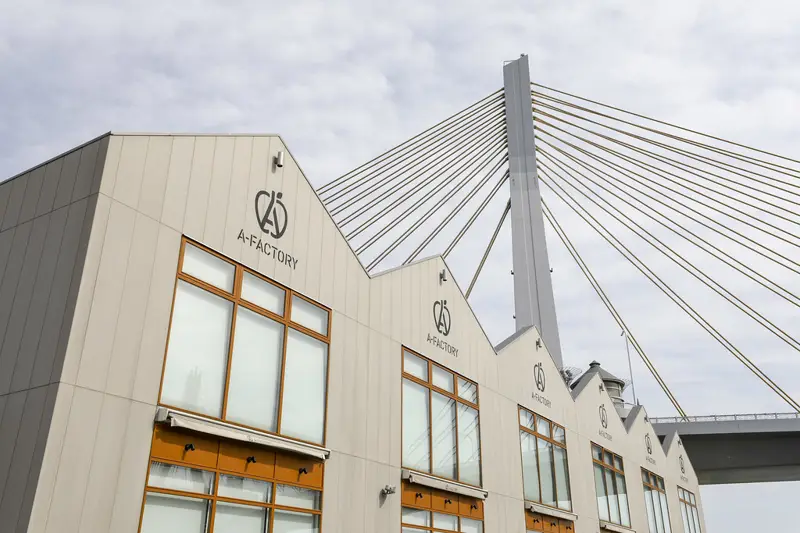
10:00A-Factory opens: cider behind glass, apple juice and pies, the tasting bar upstairs from 10:30. Cards, e-money and QR codes — no contactless tap.
10:50Wa Rasse next door (¥620). Time your visit around the 11:10 festival session, 20 minutes of drums and dancing in front of the floats; the museum alone takes about 30 minutes.
11:50Lunch at Uokkui no Den inside Wa Rasse (lunch 11:00–15:00, last order 14:30) or at one of A-Factory's counters.
12:45Optional: a taxi to Sannai-Maruyama, the UNESCO-listed Jomon village (about 20–25 minutes each way; ¥500), an hour on site, and a taxi straight back to the wharf. Or stay central and walk the promenade to the Bay Bridge.
14:45Back at the gangway, 45 minutes ahead of the 15:30 target.
From your ship, the 4 stops in order, and back, by their map pins. A phone takes three stops between start and end, and none on a train or bus, so the day opens in parts.
Fits a 07:00–17:00 call. An 11-hour call or a 10:00–19:00 call works too — see the note.
The day most people come for, done on JR East's October 2026 timetable. It works because the 07:56 train gets you to the castle when the paid area opens. Target back at the gangway 15:30. Do not board a train shown as terminating at Tsugaru-Shinjo.
07:30Off the ship. Taxi to JR Aomori Station (about 5 minutes, per the port committee). Walking takes about 25 minutes, which leaves almost no time to buy a ticket for the 07:56, so take a taxi or be off the ship early.
07:56JR Ou Line local to Hirosaki, arriving 08:39. Buy a ¥720 ticket. If you miss it, the 09:04 limited express Tsugaru arrives 09:38 at a higher fare.
08:45Taxi to the castle from Hirosaki Station, about 3.2 km by road and roughly 5 minutes by our estimate; walking (2.5 km) takes about 35 minutes. The Dotemachi loop bus does not start until 10:00.
09:00Hirosaki Park: the paid Honmaru area opens at 9:00 (¥320). Moats, gates, corner turrets, the Tsuru-no-matsu pine, and the keep from outside only — it may be mid-move on its base until about mid-November (completion not yet announced).
10:45Into town for lunch and an apple-pie stop. The Dotemachi loop bus runs every 10 minutes from 10:00 (¥200 cash, ¥180 IC) back towards the station area.
13:45JR Hirosaki to Aomori, arriving 14:33. For more margin take the 13:06 (arrives 13:49); the 12:24 is the one before that.
14:35Taxi to Shin-Chuo Wharf (about 5 minutes) or walk (about 20).
14:45Back at the gangway, 45 minutes ahead of target (about 35 minutes ahead if you walk the 25 minutes). Transport for the day: JR ¥1,440 return, loop bus up to ¥400 and the castle's ¥320, plus metered taxis.
Fits only an 08:00–21:00 call, and only while the seasonal bus runs. The buses from Aomori stopped on 11 November 2026.
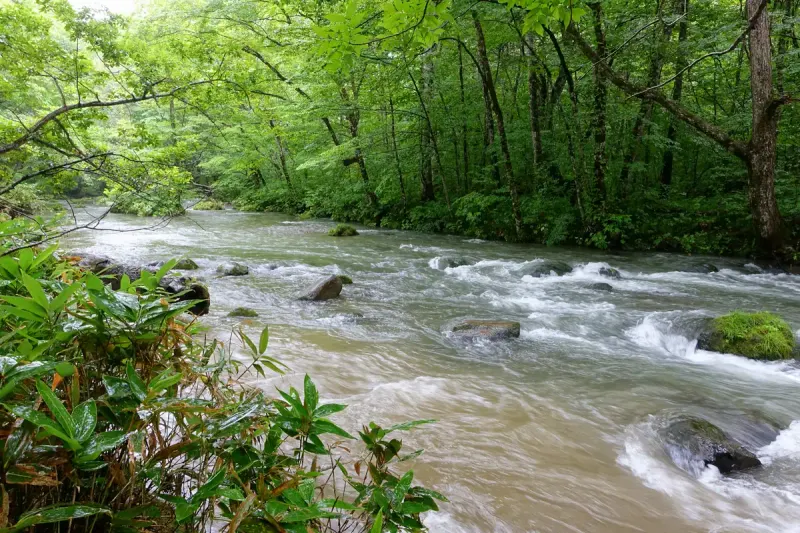
The autumn stream is two hours ten away by JR Bus, which is why it is usually sold as a tour. On a 13-hour call you can do it yourself for ¥5,640 return. Target back at the gangway 19:30 (all-aboard around 20:30). Road delays in the colour season are possible.
08:30Off the ship. Taxi to Aomori Station East Exit, bus stop 11 (about 5 minutes).
09:00JR Bus Mizuumi 4 towards Lake Towada. ¥2,820 to Ishigedo; transit IC cards work on board.
09:54The bus climbs past the Hakkoda Ropeway stop (09:54) and Sukayu Onsen (10:05) — stay on.
10:57Yakeyama (Oirase Keiryu Onsen), the foot of the gorge. Stay on to Ishigedo, where the best-known stretch of the stream path begins.
11:09Ishigedo. Walk upstream along the gorge path and back at your own pace. The bus from Ishigedo to Choshi Otaki, the largest waterfall on the stream, takes 15 minutes if you want to ride one way.
14:45At the Ishigedo stop again with 20 minutes in hand. Bring your own food and water for the day.
15:04Mizuumi 101 from Ishigedo, arriving Aomori Station 17:14. The fallback, Mizuumi 5 at 15:34, arrives 17:44.
17:30Taxi or walk to the ship: back at the gangway about two hours before the 19:30 target, or an hour and a half on the fallback bus.
Wet decks — everything indoors, nothing lost. About 3h ashore; ~¥2,000 per couple in taxis, all short hops. Times count from when you step off the ship.
+0:00Walk the covered side to Nebuta Museum Wa Rasse. The floats glow better in the dark anyway
+1:15A-Factory: cider bar, apple sweets, souvenirs. All under one roof, 3 minutes away
+2:00Taxi to Furukawa market for a covered nokke-don. The market hall keeps the rain out and the uni in. Closed Tuesdays: on a Tuesday, eat at Uokkui no Den inside Wa Rasse (lunch 11:00–15:00) instead
+2:45Taxi back to the berth. Dry, fed, complete
+3hBack at the gangway, about 3h after you set off.
Tick the places in the order you want them. The map numbers them and draws the way from your ship and back; the buttons open the same route in Google Maps, in parts a phone can draw.
Start from a model day:
The waterfront on foot
07:30
1. ASPAM
07:50
2. Furukawa marketPhoto: inunami / CC BY 2.0
10:50
3. Nebuta Museum Wa RassePhoto: くろふね / CC BY 4.0
12:45
4. Sannai-Maruyama Jomon site (World Heritage)Photo: 663highland / CC BY
Most calls here run about 10 hours. Aomori Customized Private Tour in 1 Day with Licensed Guide fits that day with the hour before all-aboard to spare; on your own, the days above do the same ground by public transport.
Cash, Wi-Fi, toilets, steps: the practical answers
Cash, cards, ATM
No exchange or ATM at the terminal; the Japan Post ATM at Aomori Shinmachi post office, 640 m away, takes foreign cards. A-Factory refuses contactless.
Wi-Fi and SIM
Free Wi-Fi in the terminal hall and at A-Factory; no SIM counter is published at the port, so buy an eSIM before sailing.
Toilets
Toilets in the terminal hall; the nokke-don market has a wheelchair-accessible toilet on the ground floor and Wa Rasse has lifts.
Luggage
Wa Rasse has ¥100 refundable lockers at its ground-floor desk, 9:00–21:50; nothing is published at the terminal.
Steps and slopes
Flat 20-minute walk from Shin-Chuo Wharf to Wa Rasse; it lends wheelchairs at its ground-floor desk, and the nokke-don seating is upstairs.
English
The terminal tourist desk works in English until about 17:00; the nokke-don site and Wa Rasse publish English pages, but no English guides.
Pharmacy, hospital
Dial 119 for an ambulance and 110 for police; the JNTO Japan Visitor Hotline, 050-3816-2787, answers in English 24 h.
With children
Wa Rasse allows pushchairs and lends them at the desk; the 20-minute drum sessions at 11:10, 13:10, 15:10 and 17:10 suit children.
Three things to eat in Aomori, and where
Dish
Where, price, hours
Nokke-don, a build-your-own seafood bowl
The pickAomori Gyosai Center, (Furukawa market), 1-11-16 Furukawa, near Aomori Station¥2,200 for 12 tickets (¥190 each) · 7:00–16:00, Mon to 15:00, closed TueBuy tickets at the office; draught beer is cash only; the ground-floor toilet is wheelchair-accessible.Our page
Apple pie and cidre
The pickA-Factory, by Aomori Station, 2 min from Wa RasseShops 10:00–19:00, restaurants 11:00–18:00Cards must be inserted, no contactless tap.In Google MapsOur page
Set lunch beside the Nebuta floats
The pickUokkui no Den, the restaurant inside Wa Rasse11:00–15:00; museum closed 9–10 Aug and 31 Dec–1 JanMuseum admission ¥620; the restaurant sits by the exit, so eat after the 11:10 or 13:10 session.
Mistakes we see passengers make
Believing the museum is next to the gangway.Wa Rasse and A-Factory are about 1.2–1.4 km from the cruise terminal: a flat 15–20-minute walk. Official pages give 20 minutes to Aomori Station. Plan the walk both ways into your day.
Boarding a Tsugaru-Shinjo train for Hirosaki.About a third of Aomori's Ou Line departures end at Tsugaru-Shinjo, three stops out. Check the destination on the board: you want a train that runs to Hirosaki or beyond, such as Akita.
Assuming a train every half hour.Aomori–Hirosaki runs one or two trains an hour, with gaps of 50–60 minutes at midday (12:24, 13:06, 13:45, then 14:46 from Hirosaki). Know your return train and the one before it.
The other 5 mistakes
Planning to go inside Hirosaki's keep.The interior has been closed since November 2025 and stays closed until 31 March 2033 (planned). In 2026 the keep is being moved back onto its stone base; you see it from outside.
Waiting for the Hirosaki loop bus before 10:00.The Dotemachi loop bus runs 10:00–18:00. On an early train, take a taxi from the station (about 5 minutes) or walk (about 34).
Planning nokke-don on a Tuesday.Aomori Gyosai Center closes every Tuesday, so a Tuesday call misses it.
Tapping your card at A-Factory.A-Factory accepts credit cards, e-money and QR payments, but not contactless taps. Insert the card, or have an IC card or cash ready.
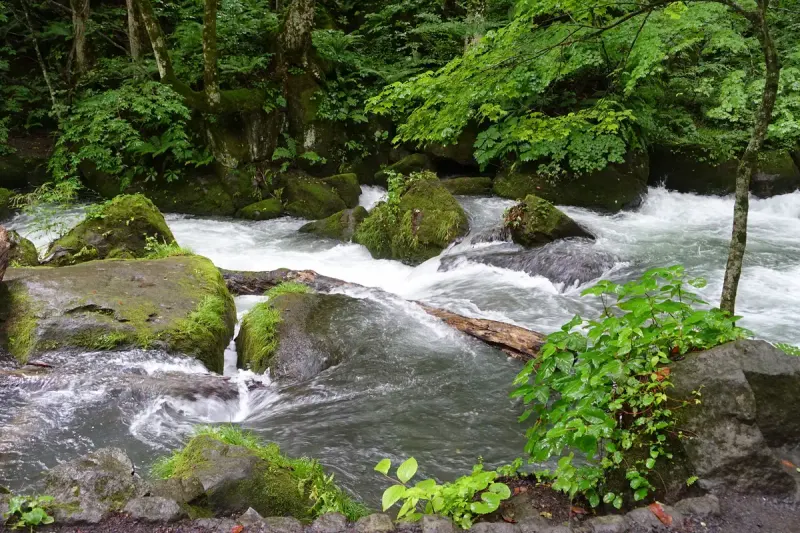
Trying Oirase on a 10- or 11-hour call by bus.It is 2 hours 10 minutes each way. The best return on a 10–11-hour call lands at about 16:45, after the target. Keep it for the 13-hour calls or a tour.
Aomori cruise port questions
Where do cruise ships dock in Aomori?
At Shin-Chuo Wharf, tied up alongside the Aomori Port International Cruise Terminal completed in 2019; Aomori is not a tender port. Shin-Chuo took 40 of the 42 calls in 2026 and every call from October to 13 November. Okidate Wharf, a cargo quay west of the centre, was used only for the 168,666 GT Ovation of the Seas and for a second ship in Nebuta week; treat it as a taxi berth.
What is at the Aomori cruise terminal?
Two parts on Shin-Chuo Wharf: a hall of about 1,036 m² for immigration and customs, and a Welcome Hall of about 318 m² used for welcome events and waiting. On ship days the port committee often stages brass bands, local-product stalls and a calligraphy corner on the wharf. Non-passengers cannot meet you at the gangway under SOLAS rules. Tourist information is in ASPAM, about 15 minutes' walk; the nearest ATM is at a Lawson about 570 m away.
Can you walk from the Aomori cruise terminal into town?
Yes. It is flat all the way: ASPAM is about 15 minutes, Wa Rasse about 16, A-Factory about 18, the nokke-don market about 21 and JR Aomori Station about 22 by our routing estimate; official pages say 20 minutes to the station. A taxi to the station takes about 5 minutes.
Is there a shuttle bus from the Aomori cruise port?
No official source mentions one from either berth, and at Shin-Chuo you do not need it: Wa Rasse is about 20 minutes' flat walk and JR Aomori Station about 20. A taxi to the station takes about 5 minutes; there is no confirmed taxi rank, so ask the ship's shore desk or the welcome staff to call one. The Nebutan-go loop bus stops at the Hokkaido ferry terminals, not the cruise terminal.
What are the best things to do in Aomori on a cruise stop?
On foot, about 20–25 minutes from the ship: the Nebuta floats at Wa Rasse (¥620, drum sessions at 11:10, 13:10 and 15:10), A-Factory's cider and apple pies, the nokke-don seafood-bowl market (closed Tuesdays) and the Hakkoda Maru ferry museum (¥510). By taxi, about 20–25 minutes: Sannai-Maruyama, the UNESCO-listed Jomon village (¥500). On a 10-hour call, Hirosaki Castle by JR (¥720 each way) or the Hakkoda Ropeway by bus; on a 13-hour call, Oirase Gorge.
Which cruise ships call at Aomori in 2026?
The 2026 season is over: the prefecture listed 42 calls for 2026 after three weather cancellations, busiest in April and May, the last of them Diamond Princess on 13 November. The prefecture has not published a 2027 list yet; the 2027 calls on this site come from the cruise lines’ own itineraries.
How do I get from the Aomori cruise port to Hirosaki?
Walk (20 minutes) or taxi (about 5) to JR Aomori Station, then the Ou Line to Hirosaki: ¥720 each way, about 45–60 minutes on a local, 34–35 on a limited express at a higher fare. Trains run once or twice an hour, and those ending at Tsugaru-Shinjo do not reach Hirosaki. From Hirosaki Station, the castle is about 5 minutes by taxi or 34 on foot; the loop bus (¥200 cash, ¥180 IC) starts at 10:00.
Is 6 or 8 hours enough for Hirosaki from Aomori?
Six is not: on a 07:00–13:00 call you would get under two hours in Hirosaki with no fallback train. Eight hours works only from a 07:00 arrival, taking the 07:56 out and the 12:24 back, with no slack for a missed train. Ten hours from 07:00 is comfortable: about four and a half hours in Hirosaki and back at the ship about 14:45.
Can you go inside Hirosaki Castle?
Not in 2026. The keep's interior closed on 24 November 2025 and stays closed until 31 March 2033 (planned). The keep is being moved back onto its stone base from July to about mid-November 2026. The paid Honmaru area (¥320, 9:00–17:00, tickets to 16:30) is open, and the rest of Hirosaki Park is free.
Can I visit Oirase Gorge or Lake Towada on an Aomori cruise stop?
Only on a 13-hour call. JR Bus Mizuumi-go takes about 2 hours 10 minutes from Aomori Station to Ishigedo on the gorge (¥2,820 each way) and 2 hours 45 minutes to Lake Towada at Yasumiya (¥3,480), and in 2026 ran from Aomori until 11 November. Until the Mizuumi-go runs again, no bus from Aomori reaches the gorge or the lake.
Can I ride the Hakkoda Ropeway on an Aomori cruise stop?
Yes, on calls of 9 hours or more, by JR Bus from Aomori Station: from 12 November 2026 to 31 March 2027 that is the Hakkoda-go, with a seat booked in advance (¥1,290 each way plus ¥300 for the booking), 60 to 85 minutes to the Ropeway stop depending on the departure. From a 07:00 arrival take the 08:10 (arrives 09:10) and the 11:08 back, at the station at 12:03; on a longer call, the 10:50 out and the 15:03 back (station 15:58). The ropeway costs ¥2,500 return, takes about 10 minutes and runs every 15–20 minutes from 9:00. It stops in bad weather and for maintenance in early November, so check its home page that morning.
How much is the Nebuta Museum Wa Rasse?
Adults ¥620, high-school students ¥460, children ¥260; there is no senior discount. It opens 9:00–18:00 from September to April (last entry 17:30) and takes every kind of cashless payment. The 20-minute drum-and-dance sessions are at 11:10, 13:10, 15:10 and 17:10. Allow 30 minutes for the floats, an hour with a session.
How does nokke-don work in Aomori?
At Aomori Gyosai Center, 5 minutes on foot from Aomori Station, buy 12 tickets for ¥2,200 (or singles at ¥190), trade one for a bowl of rice, then walk the roughly 30 stalls adding toppings for one to three tickets each. It opens 7:00–16:00, is closed on Tuesdays, and you must eat inside.
What food is Aomori famous for, and where can I try it near the cruise port?
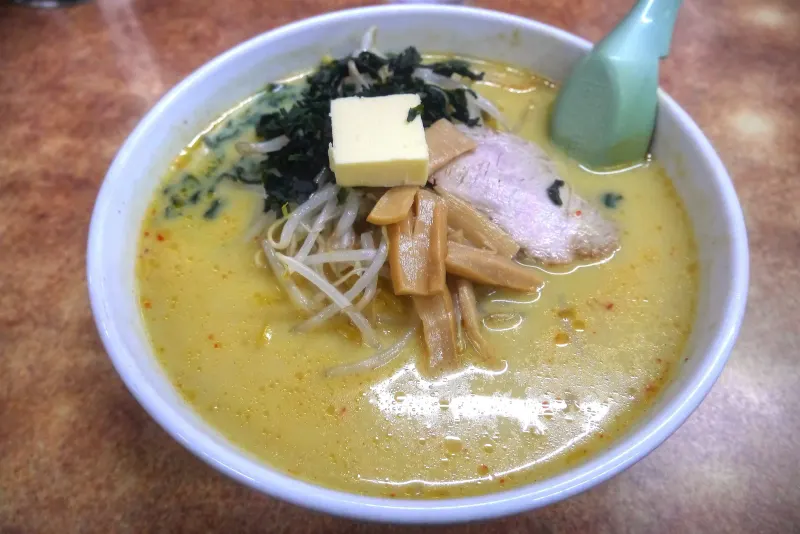
Seafood and apples. Nokke-don, the build-your-own seafood bowl, is at Aomori Gyosai Center, about 25 minutes' walk from the ship (12 tickets ¥2,200; closed Tuesdays). Apples come as cider, juice, gelato and pies at A-Factory, about 20 minutes' walk (shops 10:00–19:00). The local oddity is miso curry milk ramen, served at Aji no Sapporo Onishi about 25 minutes' walk away; check its hours first. Uokkui no Den inside Wa Rasse serves seafood lunches 11:00–15:00.
Do I need cash in Aomori?
Less than in most Japanese ports. Wa Rasse is fully cashless, A-Factory takes cards (inserted, not tapped), and the buses take IC cards. Carry some yen for the market, taxis and small shops. The nearest ATMs to the terminal are at a Lawson (about 570 m) and a Japan Post Bank machine (about 640 m); 7-Eleven and Japan Post machines generally take foreign cards.
Should I tip in Aomori?
No. Japan's national tourism organisation says tipping is not common in restaurants, cafés, bars, taxis or hotels, and is not expected anywhere. A private guide or interpreter used to overseas visitors may accept one as thanks; if you want to, hand it over discreetly in an envelope. Several Aomori private-tour listings say gratuities are not included; that is standard listing wording, and a tip stays your choice.
How do I get from the Aomori cruise port to Sannai-Maruyama?
Taxi, about 20–25 minutes from the terminal; the site gives about 20 minutes and 7 km from Aomori Station. By bus, the Nebutan-go leaves Aomori Station's West Exit (stop 2) only at 9:00, 10:30, 13:10 and 16:10 (¥300, about 40 minutes); the city bus from stop 6 costs ¥310. Admission is ¥500.
When is the Nebuta Festival, and can I see it from a cruise?
2–7 August every year, with illuminated floats paraded through central Aomori in the evenings. Ships schedule for it: in 2026 there were five calls that week, with 23:00 departures or overnight stays (Celebrity Millennium and Asuka II) so passengers could watch the parades. Outside that week, Wa Rasse shows four of the latest festival's floats; they are swapped on 9–10 August, when the museum closes.
What is the best tour from the Aomori cruise port?
For most people, none: the waterfront is walkable and Hirosaki is easy by JR on a 10-hour call. For a short call or limited mobility, the private omakase sushi lunch that meets at the terminal (246617P6). For Hirosaki and Sannai-Maruyama in one day with port pickup, the Golden Route car tour (452423P79). No listing promises in writing to return you to the ship.
Is Aomori manageable with limited mobility or a wheelchair?
Better than most ports. The 20–25-minute walk from Shin-Chuo Wharf to Wa Rasse, A-Factory and the station is flat, and a taxi to the station takes about 5 minutes. Wa Rasse has lifts and ramps and lends wheelchairs at its ground-floor desk; A-Factory has one wheelchair to borrow; the nokke-don market has a wheelchair-accessible toilet on the ground floor, with seating in upstairs rest areas. The private omakase sushi lunch that meets at the terminal is listed as wheelchair accessible.
What is the weather like in Aomori, and when do the cherry blossoms bloom?
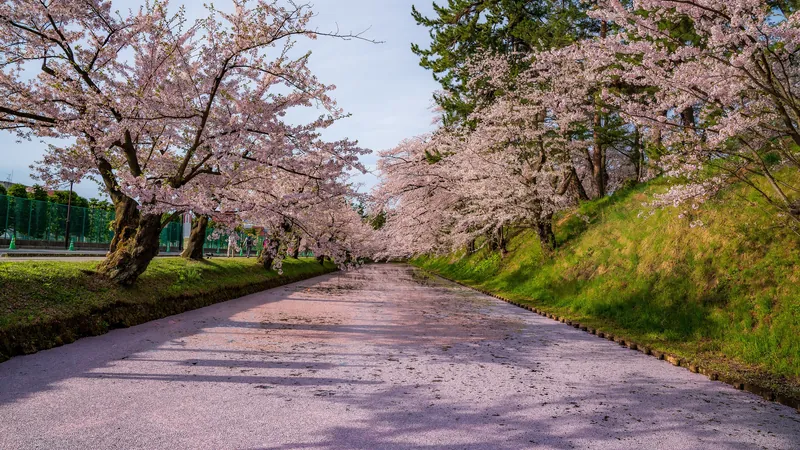
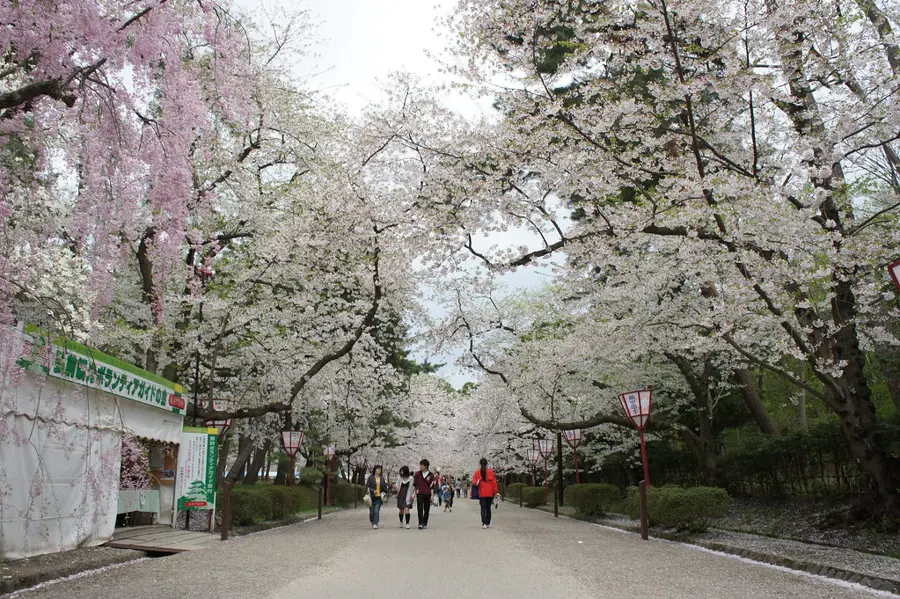
October averages 18.3 °C by day and 9.1 °C at night; November 11.2 °C and 3.4 °C, with 137 mm of rain and the first snow. April, the busiest cruise month, averages 13.7 °C and 4.1 °C. Aomori's cherry blossom opens around 22 April in a normal year (13 April in 2026), and Hirosaki's castle park is a famous blossom spot. Autumn colour reaches the Hakkoda mountains and Oirase in October, the city's maples around 13 November.
Will there be a festival on my port day?
Festival
When
Aomori Nebuta MatsuriNight parades in the city streets near the station; the 7 August sea parade is on the bay.
2–7 August every year; sea parade and fireworks on 7 August
Hirosaki Neputa MatsuriHirosaki is about 35–60 min by JR from Aomori; evening parades suit only overnight calls.
1–7 August every year, from 19:00 (10:00 on 7 August)
Hirosaki Cherry Blossom FestivalHirosaki Park, about 35–60 min by JR plus a bus; stalls 9:00–21:00, lights until 22:00.
10 April–5 May 2026
Read on
Aomori in depth: the places, the history, the myths
2,784 words · 12 chapters
Why Aomori is worth getting off the ship for
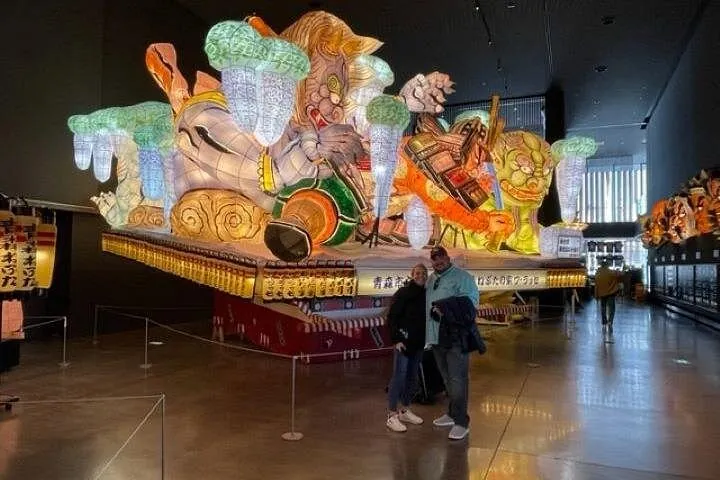
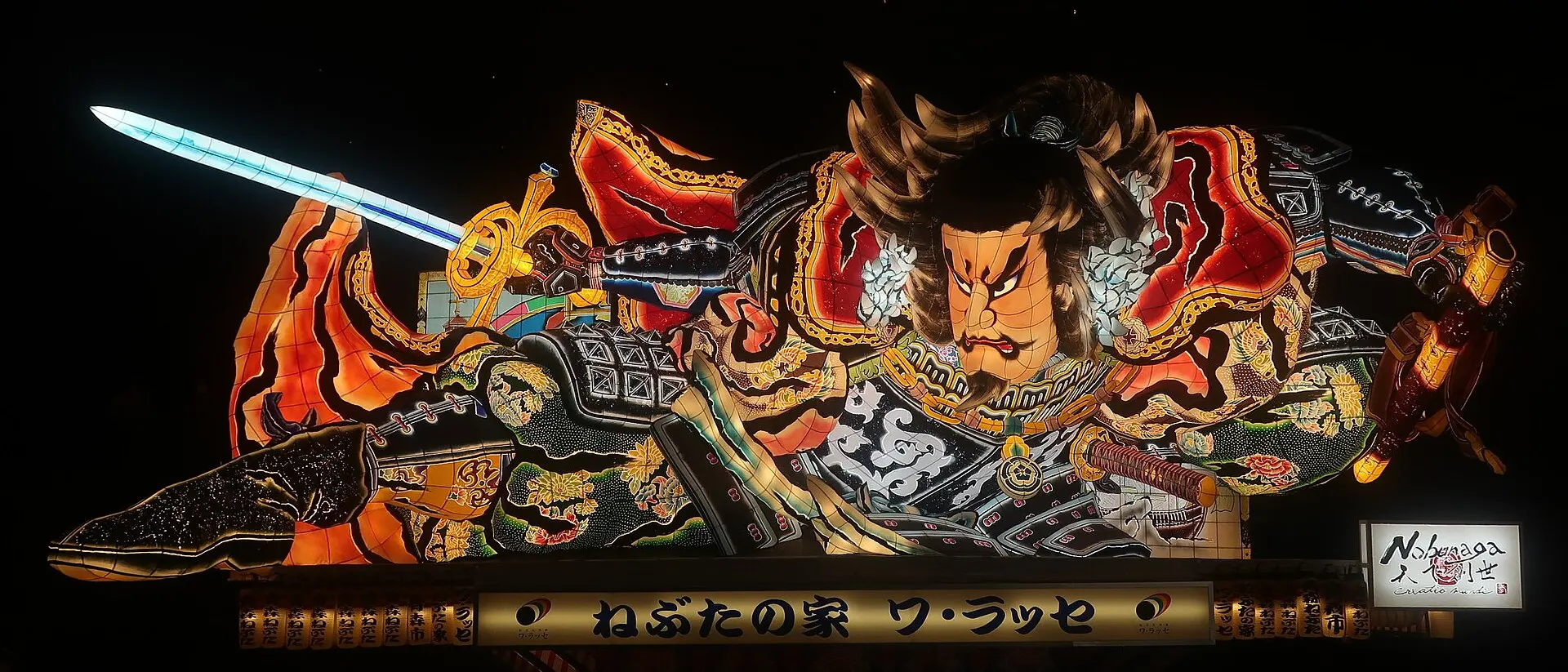
Aomori sits at the top of Honshu, a prefectural capital on a bay. What it has that no other port has is Nebuta: the enormous illuminated floats — warriors, gods and demons built of washi paper over wire frames and lit from inside — that are hauled through the streets for six nights every August. Outside that week, the floats live in Wa Rasse, a museum on the waterfront, where four full-size prize-winners from the latest festival glow in a darkened hall and a drum-and-dance session starts up four times a day. The 2026 display includes "Hokkai no Yu", the festival's Grand Prize winner.
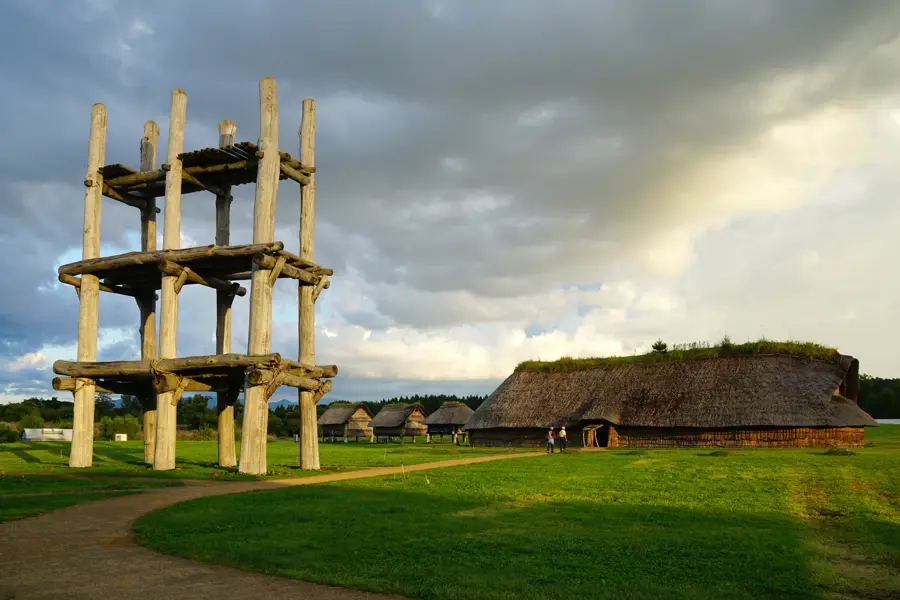
Around it sits an easy day on foot: the nokke-don fish market, where you buy a strip of tickets and build your own seafood bowl stall by stall; A-Factory, a hall of apple cider, juice and pies; and the Hakkoda Maru, the old Seikan train ferry, now a memorial ship. A short taxi ride away, Sannai-Maruyama is a Jomon village site, part of a UNESCO World Heritage listing.
The long-day choices are further out. Hirosaki, about 35–60 minutes away by JR, is a castle town with one of Japan's twelve surviving original keeps; Oirase Gorge, two hours away by bus, is the mountain stream on the cover of every autumn brochure. This guide is built from the prefecture's call schedule, JR East's October 2026 timetables, the bus operators' timetables and the sights' own published hours, checked on 30 September 2026.
What Aomori is not: a port where the museum is beside the gangway. Some pages say two minutes; it is a flat 20-minute walk. That is still one of the easiest walks in Japan, but plan it into the day.
Aomori to Hirosaki: what is actually possible
Hirosaki is the reason many people want a long day here, and it is entirely doable by train — if you respect the timetable. The facts, from JR East's October 2026 timetable (weekdays and weekends are the same in that timetable):
The fare is ¥720 each way on local and rapid trains. Limited expresses (Tsugaru, Super Tsugaru) take about 35 minutes and cost more; locals take about 45–60 minutes, rapids 39–40.
The frequency is one or two trains an hour, not two. At midday the gaps stretch to 50–60 minutes.
The trap: trains shown as terminating at Tsugaru-Shinjo stop three stations out and never reach Hirosaki.
Useful trains from Aomori: 07:04 (arr. 07:50), 07:34 (08:21), 07:56 (08:39), 09:04 limited express (09:38), 09:52 (10:37), 10:42 (11:32), 11:22 rapid (12:01), 12:14 (12:59). The Resort Shirakami rapids run on designated days only.
In Hirosaki, the castle is 2.5–3.2 km from the station: about 5 minutes by taxi or 34 on foot. The Dotemachi loop bus (¥200 cash, ¥180 IC) runs every 10 minutes, but only from 10:00, so on an early train take a taxi.
What that means by call length, assuming you want to be back at the gangway an hour before all-aboard:
Call
Verdict
Trains
Time in Hirosaki
6 hours (07:00–13:00)
Not recommended
07:56 out, 10:43 back, no fallback
under 2 hours, before the loop bus starts
8 hours (07:00–15:00)
Only for confident train users
07:56 out, 12:24 back; the 13:06 misses the target
about 3½ hours, no slack
9 hours (10:00–19:00)
Workable
10:42 (by taxi) or 11:22 out, 14:46 or 15:29 back
about 2½–3 hours
10–11 hours (07:00 arrival)
Comfortable
07:56 out, 13:45 back (13:06 for extra margin)
about 4½ hours
Hirosaki Castle in 2026: what you will and will not see
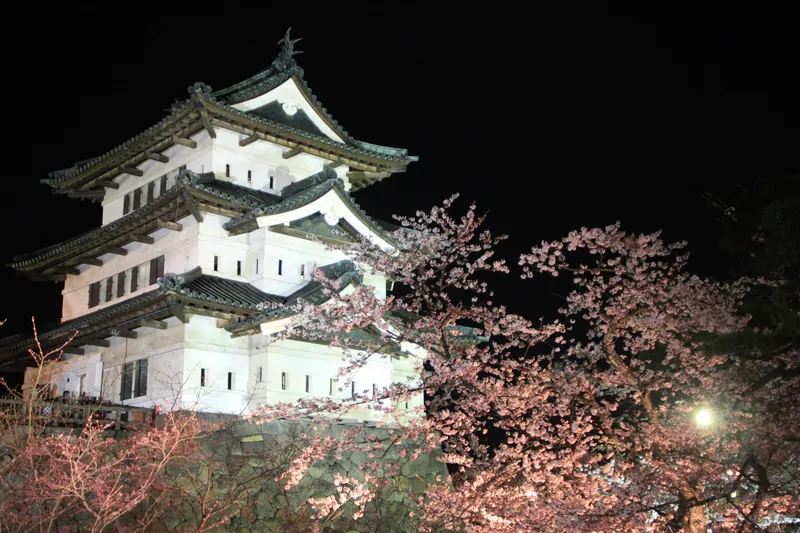
The castle is worth the trip, but not for the reason older guides give. The keep's interior closed on 24 November 2025 and stays closed until 31 March 2033 (planned), for seismic and preservation work. In July 2026 the city began moving the keep back onto its stone base, due to finish about mid-November. Its exterior stays on view until the end of the 2028 cherry festival, possibly behind barriers or scaffolding.
You may also read that Hirosaki "kept its original 1611 keep". It did not: the first keep, five storeys high and completed in 1611, burned after a lightning strike in 1627. The three-storey keep you see replaced it in the early 19th century, and it is one of twelve Edo-period keeps still standing in Japan.
What the visit is, in 2026: the moats, the gates and the corner turrets, the great pine, and the park around them. The paid area — the Honmaru and Kita-no-kuruwa — costs ¥320 (children ¥100), or ¥520 with the Botanical Garden and Fujita Memorial Garden, and is open 9:00–17:00 with tickets sold until 16:30 from 1 April to 23 November. The rest of the park is free and always open. Give it an hour and a half to two hours, then walk into town for lunch and apple pie.
Wa Rasse and the waterfront: how to do it well
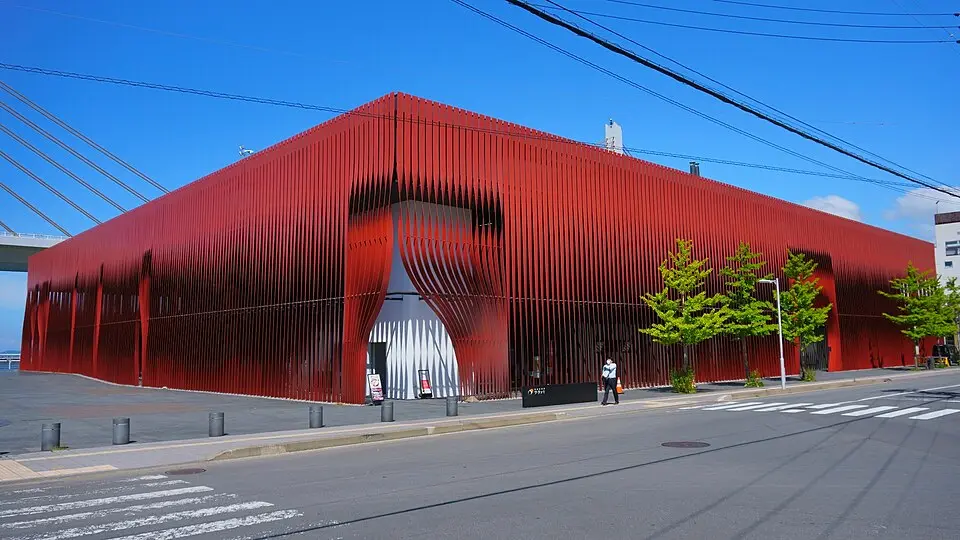
Wa Rasse, beside A-Factory and the station, is the one sight every Aomori passenger should see. Tickets come from a machine on the day (no advance sales for individuals): ¥620 for adults, ¥460 for high-school students, ¥260 for children; there is no senior discount. It opens 9:00–18:00 from September to April (last entry 17:30) and closes on 9–10 August, when the floats are swapped, and at New Year. Every kind of cashless payment works.
The trick is timing. The museum itself takes about 30 minutes, but the festival session — 20 minutes of drums and dancing in front of the floats — runs at 11:10, 13:10, 15:10 and 17:10. Arrive 15 minutes before one. The route starts on the second floor and slopes down to the exit; there are lifts, ramps, and wheelchairs to borrow at the ground-floor information desk. The restaurant, Uokkui no Den, serves lunch 11:00–15:00.
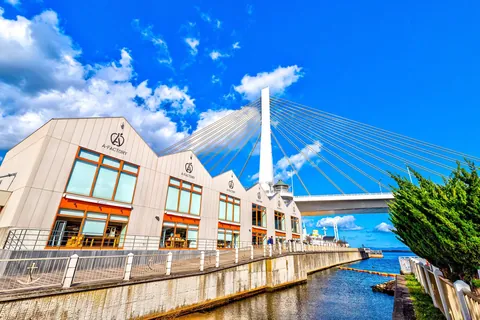
A-Factory, about 100 m away, is a JR East hall of apple cider, juice, pies and gelato. Shops open 10:00–19:00, restaurants mostly 11:00–18:00, and the cider tasting bar upstairs from 10:30. You can watch the cider workshop only through glass. The Food Marché till will ship your purchases home. Cards, e-money and QR codes are accepted, but not contactless taps.
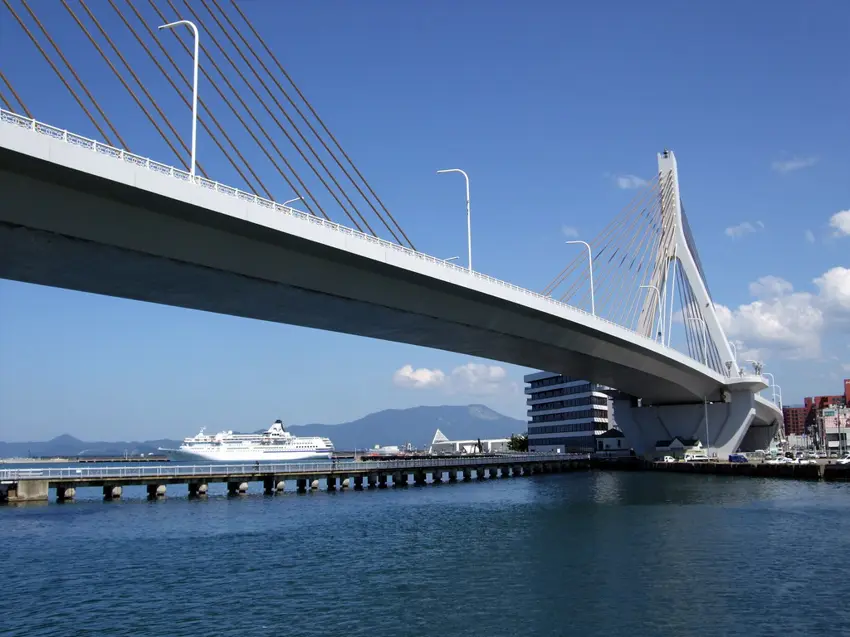
The Hakkoda Maru (¥510), moored just beyond, is the old Seikan train ferry, now a memorial ship; its listed hours are 9:00–19:00 daily, so check them for your date. The Aomori Bay Bridge promenade is the free half hour: a walk up and over the waterfront.
Nokke-don: the build-your-own seafood bowl
Aomori Gyosai Center, in Furukawa five minutes from the station, is a working market hall of about 30 stalls that began selling nokke-don in 2009. It works like this: at the information office buy 12 tickets for ¥2,200 (or single tickets at ¥190); hand one ticket to a rice stall for a bowl (two for a large); then walk the stalls pointing at toppings, each worth one to three tickets — lean tuna one, fatty otoro three. You must eat inside, in the upstairs rest areas; takeaway is not allowed, and leftover tickets are not refunded.
It opens 7:00–16:00 (7:00–15:00 on Mondays in October) and warns that rice may run out late in the day. It closes every Tuesday. Early is best: a nokke-don breakfast is the ideal first stop off a 07:00 arrival. If your map app sends you 3.5 km east to Tsukuda, it has found a different branch of the same company; the nokke-don hall is in Furukawa, behind the station.
Sannai-Maruyama: the Jomon village
The excavated site of a large Jomon settlement, with reconstructed buildings and an indoor museum, the Jomon Jiyukan. It is part of the UNESCO-listed Jomon Prehistoric Sites in Northern Japan. Admission is ¥500 since April 2025 (¥400 with a same-day ticket from the art museum next door); hours are 9:00–17:00 in October and November, last entry 30 minutes before. It closes on the fourth Monday of the month — 24 November, not a cruise day. Some areas are partly closed for works. The Aomori Museum of Art next door is ¥700 and open 9:30–17:00.
From the ship, a taxi is about 20–25 minutes each way; allow an hour and a half on site.
Hakkoda Ropeway and Lake Towada by bus
The JR Bus Mizuumi-go that runs to Oirase also stops at the foot of the Hakkoda Ropeway, a cable car up into the Hakkoda mountains south of the city: the nearest mountain scenery to the ship, and where the autumn colour arrives first. It leaves from Aomori Station's East Exit, stop 11, and takes transit IC cards on board. From 12 November 2026 to 31 March 2027 the Mizuumi-go is replaced by the Hakkoda-go, which runs from Aomori Station only as far as Sukayu Onsen, past the ropeway. Boarding at Aomori Station or Shin-Aomori needs a seat booked in advance; boarding at the Ropeway stop does not. The winter times, from JR Bus Tohoku's timetable:
Bus
Leaves Aomori Station
Ropeway stop
Hakkoda 2
08:10
09:10
Hakkoda 4
09:20
10:45
Hakkoda 6
10:50
12:15
Back to Aomori Station from the Ropeway stop at 11:08 (station 12:03), 13:43 (14:38) and 15:03 (15:58).
The ropeway costs ¥2,500 return (¥1,550 one way), takes about 10 minutes and runs every 15–20 minutes from 9:00, with the last car at 16:20 until early November and 15:40 after that. It stops in bad weather and closes for maintenance for some days in early November each year, so check the home page on the morning.
What fits:
A 07:00 arrival (10 or 11 hours): book the 08:10, take a taxi to the station, ride up, and catch the 11:08 back (station 12:03). That is about two hours at the ropeway, and you are at the ship soon after noon with the waterfront still ahead of you.
A 10:00–19:00 call: the 10:50 out and the 15:03 back, at the station at 15:58 against a 17:30 target.
A 13-hour call: the ropeway as above; until the Mizuumi-go runs again, no bus from Aomori reaches the Oirase stream or Lake Towada.
A 7-hour call: no.
The best things to do in Aomori on a port day
Our full list, with the time each takes from the berth, is on the Aomori ranked list. In brief:
Nebuta Museum Wa Rasse — the floats and a drum session; about an hour inside, about 20 minutes' walk each way.
Miso curry milk ramen — Aomori's odd, beloved local bowl, at Aji no Sapporo Onishi about 25 minutes' walk from the ship; check its hours before you go.
Work backwards from the ship. All-aboard is usually 30 minutes before departure (check the daily programme), you want to be back at the gangway an hour before that, and the first half hour goes on getting off. So the time you can actually use is the call length minus about two hours. Almost every call is at Shin-Chuo, so this table has one berth.
Call
Usable
From Shin-Chuo
Hirosaki or Oirase?
4 hours
about 2
Wa Rasse with a drum session, A-Factory if time allows
No
6 hours
about 4
The waterfront loop on foot: market, Wa Rasse, A-Factory, Hakkoda Maru; or Sannai-Maruyama by taxi plus Wa Rasse
No
7–8 hours
about 5–6
The waterfront at an easy pace plus Sannai-Maruyama
Hirosaki only from a 07:00 arrival, with no slack
9–11 hours
about 7–9
Hirosaki by JR, the Hakkoda Ropeway by bus, or the whole city including Sannai-Maruyama
Hirosaki yes; Oirase no
13 hours
about 11
Oirase by bus, or Hirosaki plus the waterfront, or the evening izakaya walk
Both, one at a time
The 2026 season ended with Diamond Princess on 13 November (10 hours, 07:00–17:00). A 07:00 arrival is what makes the early Hirosaki train and the nokke-don breakfast work. The 2027 calls from the cruise lines’ itineraries are on cruises to Aomori.
About the return to the ship. None of the Aomori tours we list puts a promise to return you to the ship on time in writing. Only two — the private walk and the omakase sushi — meet at the cruise terminal; the car tours other than the Golden Route meet at a hotel lobby or at the station, so you walk or taxi there first. Tell your guide your all-aboard time when you meet, and agree to be back at the gangway an hour before it. The Customizable 6-Hour Tour is non-refundable once booked, and the izakaya walk leaves you to get yourself to the station.
Money, cards and the practical stuff
Aomori's waterfront is unusually card-friendly; the gaps are in small shops, taxis and the market.
Place
Pay with
Wa Rasse
Every cashless method (tickets from a machine)
A-Factory
Credit card inserted, e-money or QR — no contactless tap
The nearest cash machines to the terminal are a 24-hour Lawson about 570 m away and a Japan Post Bank ATM at the Aomori Shinmachi post office about 640 m away; there are more, including a 7-Eleven, within 750 m, and a Japan Post Bank ATM and Lawson in front of the station. 7-Eleven and Japan Post machines generally accept foreign cards. A-Factory has free Wi-Fi.
Tipping. Japan's national tourism organisation says tipping is not common in restaurants, cafés, taxis or hotels and is not expected; a private guide used to overseas visitors may accept one, discreetly, in an envelope.
Limited mobility. The walk from Shin-Chuo to the station area is flat. Wa Rasse has lifts and ramps and lends wheelchairs at its ground-floor information desk, A-Factory has one wheelchair to borrow, and the nokke-don market has a wheelchair-accessible toilet on the ground floor; its seating is upstairs.
Closed days against the call dates. Aomori Gyosai Center is shut on Tuesdays, so check the weekday of your call. The Oirase buses from Aomori stopped on 11 November 2026, two days before Diamond Princess's call on Friday 13 November.
October is the heart of the autumn season: highs of 18.3 °C and lows of 9.1 °C. Colour reaches the Hakkoda mountains and Oirase first, at altitude; JR Bus runs its extra Oirase buses "for the autumn leaves" from 18 September to 11 November.
November is cold and wet: highs of 11.2 °C, lows of 3.4 °C, 137 mm of rain and, on average, 23 cm of snow over the month. The city's maples turn around 13 November in a normal year. Pack warm layers and rain gear.
Spring (April–May) is the busiest cruise season — 11 calls in April 2026 and 10 in May. Aomori's cherry blossom opens around 22 April in a normal year (13 April in 2026), and Hirosaki's castle park is a cherry-blossom destination.
Nebuta week, 2–7 August, is the reason ships schedule late departures and overnights. In 2026 Celebrity Millennium and Asuka II both stayed overnight for it. No 2027 call list has been published yet.
Weather does cancel calls here. Three of 45 scheduled calls in 2026 skipped Aomori for weather, and two more did in 2025. Typhoons approach Tohoku about three times a year, most often in September.
Rain plan: Wa Rasse, A-Factory and the market hall are all indoors and within a few minutes of each other by the station, and Sannai-Maruyama has an indoor museum.
There are no cruise calls between mid-November and the spring.
What other guides get wrong about Aomori
You may read
What the official source says
Source
The Nebuta museum Wa Rasse and A-Factory are right beside the berth, a two-minute walk from the ship.
The port committee gives JR Aomori Station as 20 minutes on foot (5 by car) from the cruise terminal, and Wa Rasse and A-Factory sit next to the station: about 1.2–1.4 km, a flat 20-minute walk each way by our routing. Budget the walk both ways.
Inside Hirosaki Castle's keep, a museum shows samurai armour and artefacts.
The keep's interior has been closed since 24 November 2025 and stays closed until 31 March 2033 (planned). You can see the keep only from outside, and the city says the exterior stays on view until the last day of the 2028 cherry festival.
Hirosaki Castle is about 20 minutes from the port by taxi.
Hirosaki is a separate city down the Ou Line. Even the limited express Tsugaru takes about 35 minutes station to station (09:04 → 09:38), and locals take about 45 minutes or more (07:56 → 08:39), before the 20-minute walk to Aomori Station and the ride from Hirosaki Station to the castle. Plan on a 10-hour call.
Visited in person; times from official timetables, operators and the port authority. Every time and fare in this guide was checked against the sources listed above on 3 November 2026; where we had to estimate (a walk, a taxi in traffic), the text says so. Timetables change — if you find one that has, tell us and we will fix it.