01 · The festival
Nebuta
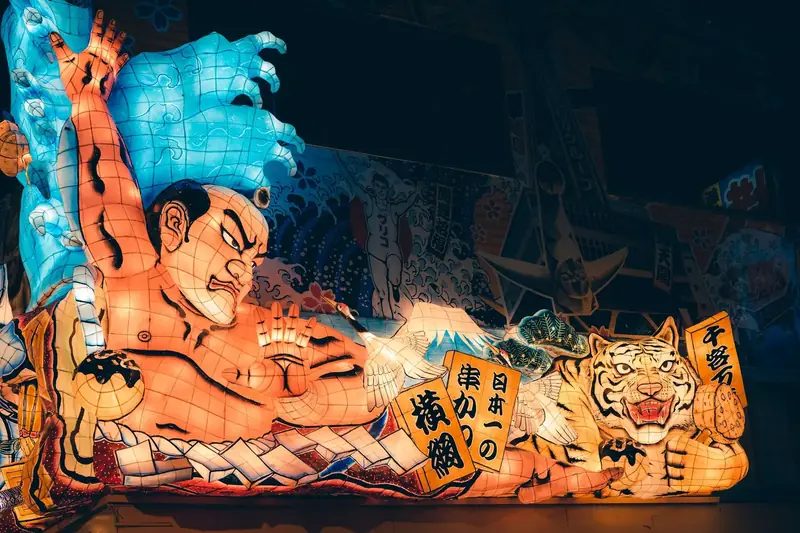
Two-storey warriors of paper and light, four tonnes each, hauled through the streets by a city that spends eleven months making them and six nights setting them free.
Read the story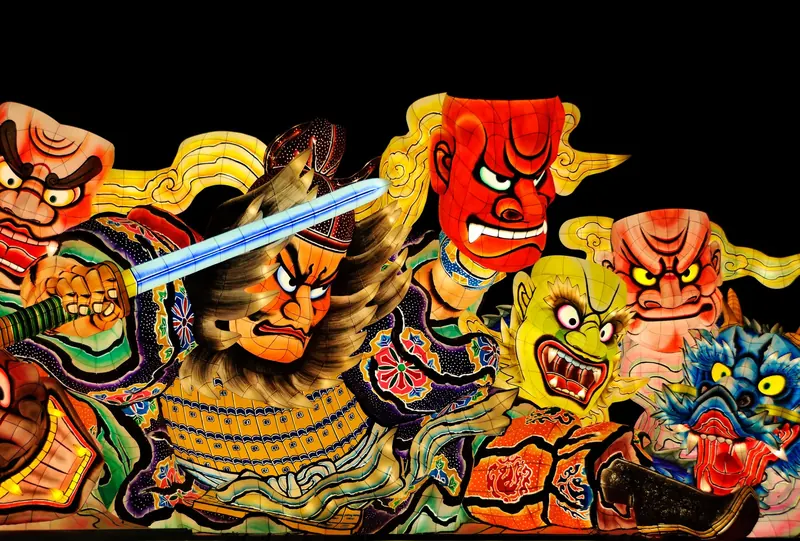 Photo: Adobe Stock / Licensed
Checked against official sources · updated · Takumi Yamada
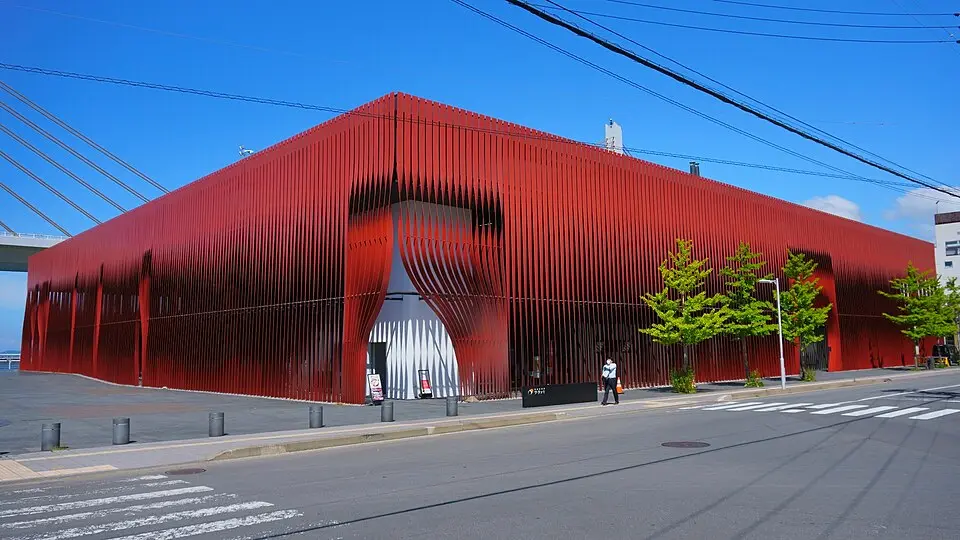
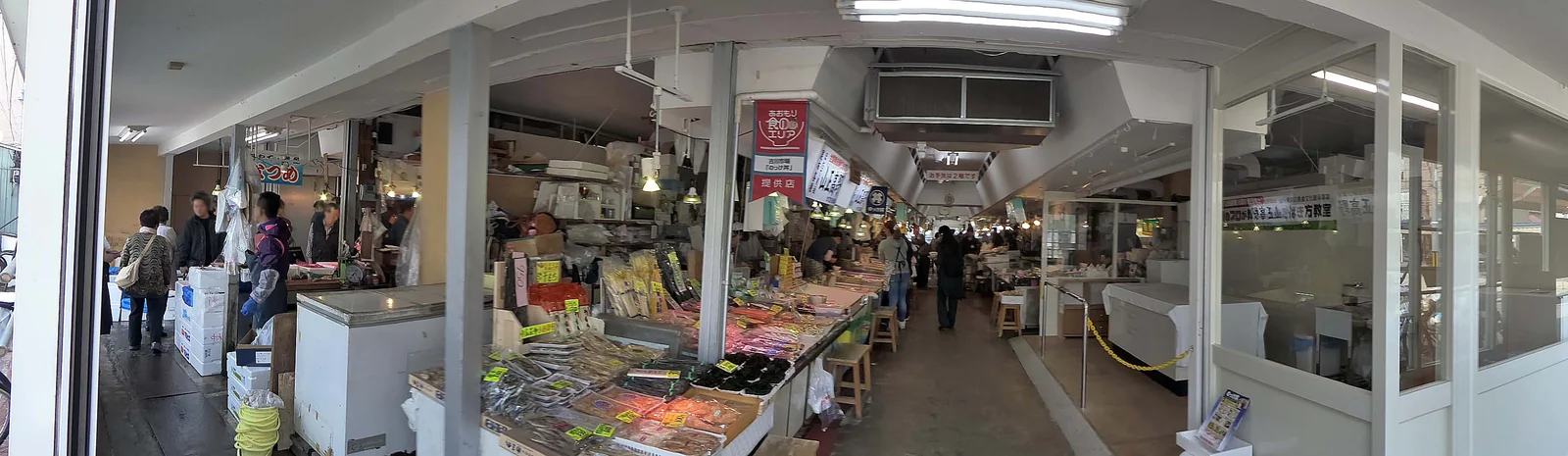
Aomori is a bay city that builds all year for one week in August: the Nebuta festival, when two-storey paper warriors are hauled through the streets. Between festivals the floats glow in a waterfront hall, the orchards grow 60% of Japan's apples, and a Jōmon town sits at the bay's edge. Your ship docks a flat 15-minute walk from the floats, the cider and the seafood market.
Two-storey warriors of paper and light, four tonnes each, hauled through the streets by a city that spends eleven months making them and six nights setting them free.
Read the story
Blind itinerant musicians in the snow country had to be heard over wind, crowds and indifference. What they invented sounds less like a lute than a drum with strings — and it is the loudest folk music in Japan.
Read the story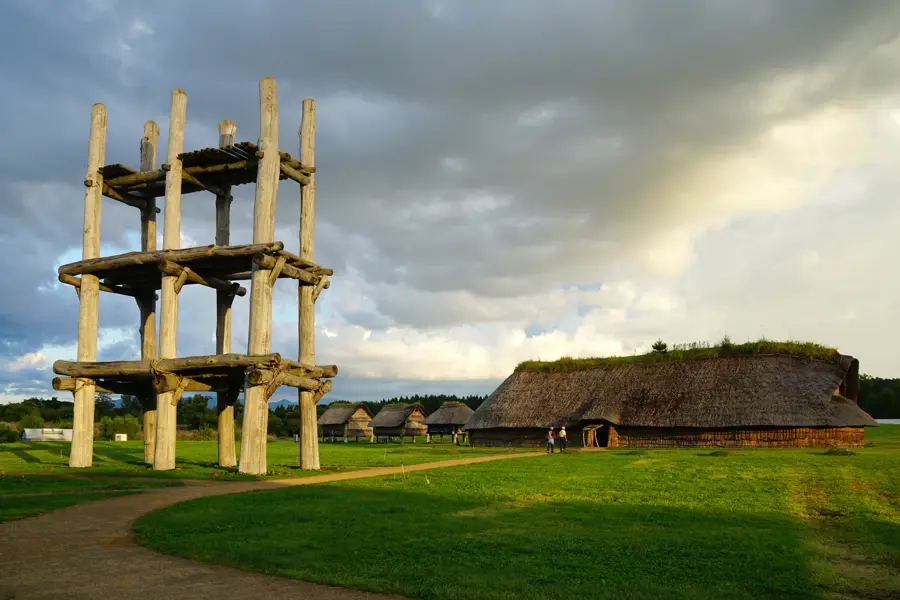
Before Egypt raised a pyramid, people at the edge of this bay were living in a permanent town of several hundred, trading jade across 500 kilometres — and they never took up agriculture.
Read the story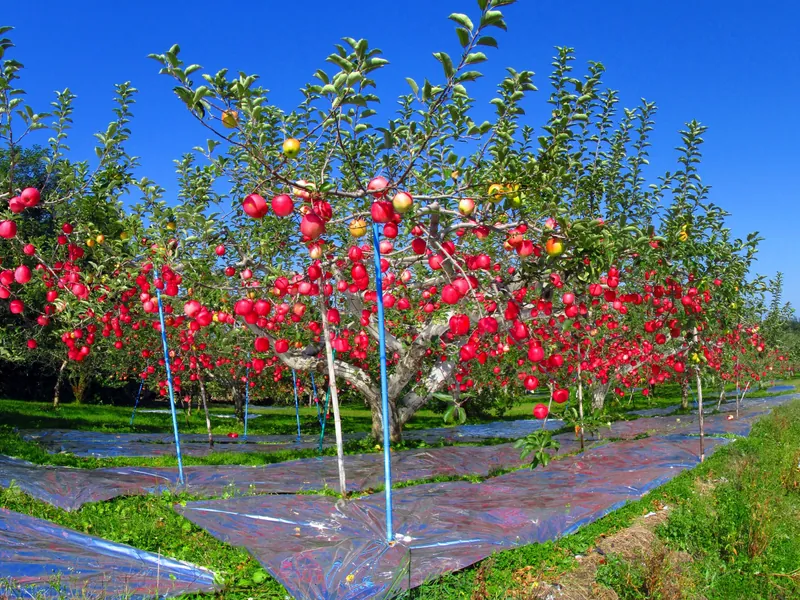
The Fuji apple in your supermarket is named for a town in Aomori as much as for the mountain — and the industry that bred it began as a jobs programme for samurai who had just lost their swords.
Read the story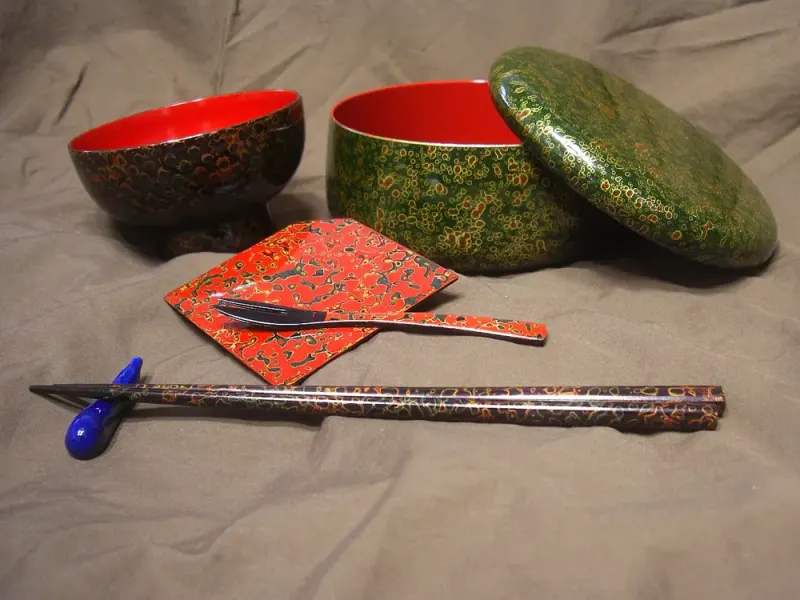
Three crafts from one cold corner of Japan, each of which exists because someone was denied something: warmth, cotton, or a market that had just vanished.
Read the storyCruise seasons run spring to autumn, but the port changes underneath them.
Hirosaki Castle's moats fill with petals around late April — one of Japan's last and best hanami sites.
The orchards around Mount Iwaki turn white. Hirosaki holds its Apple Blossom Festival.
Cruise season proper begins. Long daylight, comfortable walking, no crowds.
Float sheds open around the city as neighbourhood teams race the deadline.
The reason to plan a year ahead. Ships schedule late stays; the city does not sleep.
The early apple harvest starts; Mutsu Bay scallops are at their best.
The single best month: peak Fuji harvest, Oirase Gorge in colour, comfortable air.
Growers work the cold to build flavour. The mountains whiten behind the city.
Aomori becomes one of the snowiest cities on earth. Beautiful, and not a port season.