 1 / 5
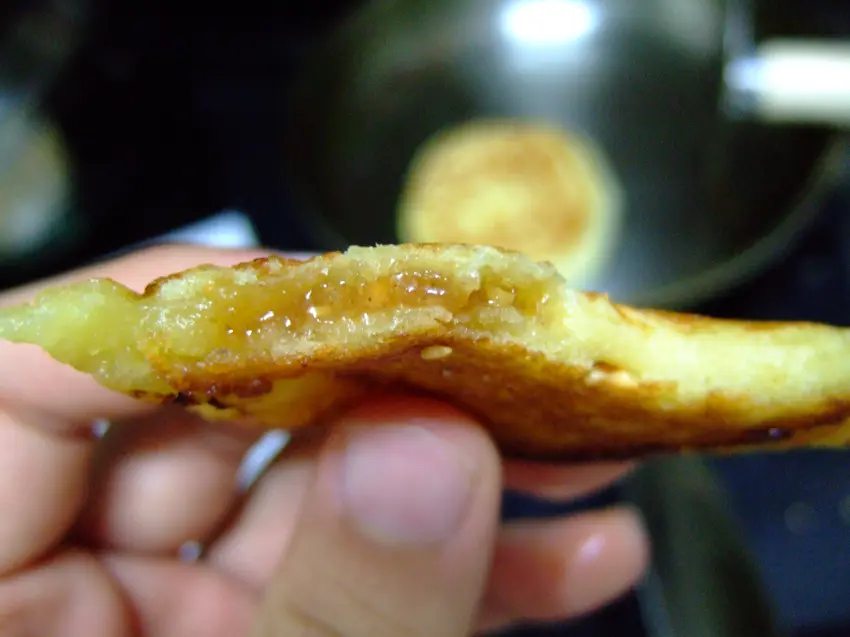
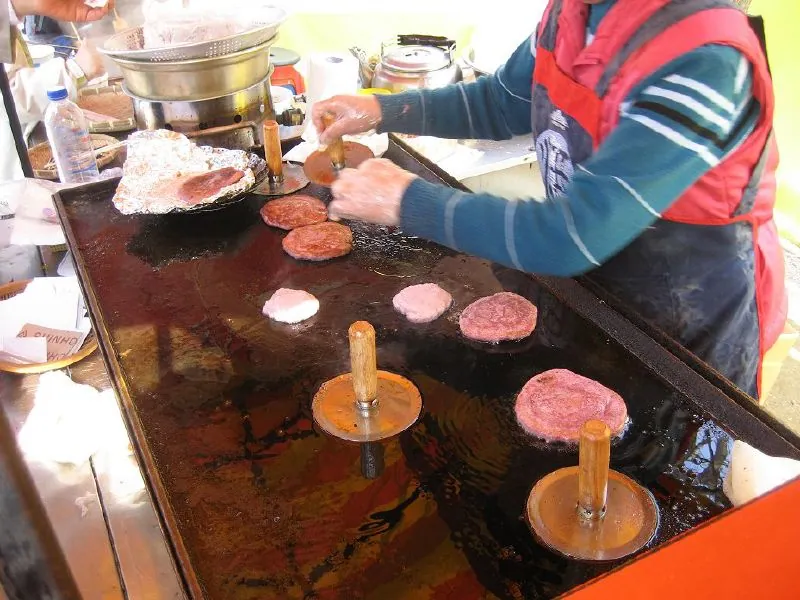
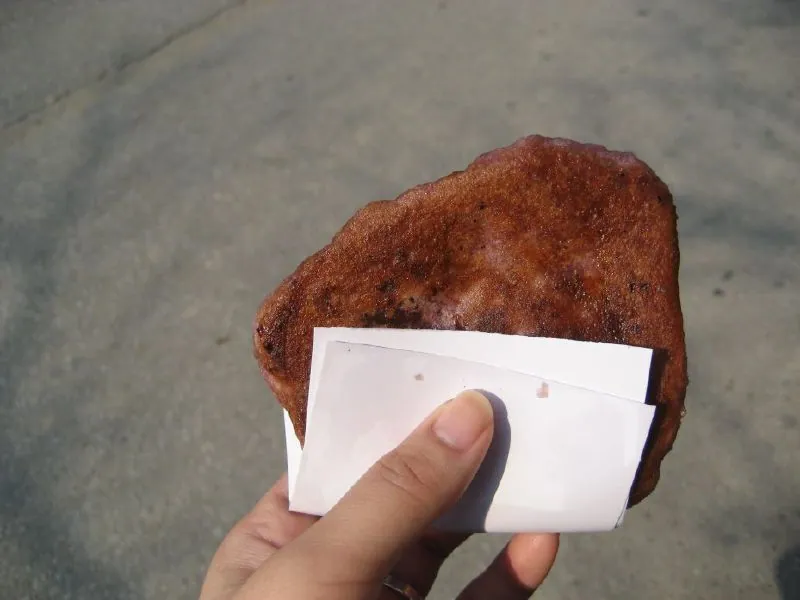
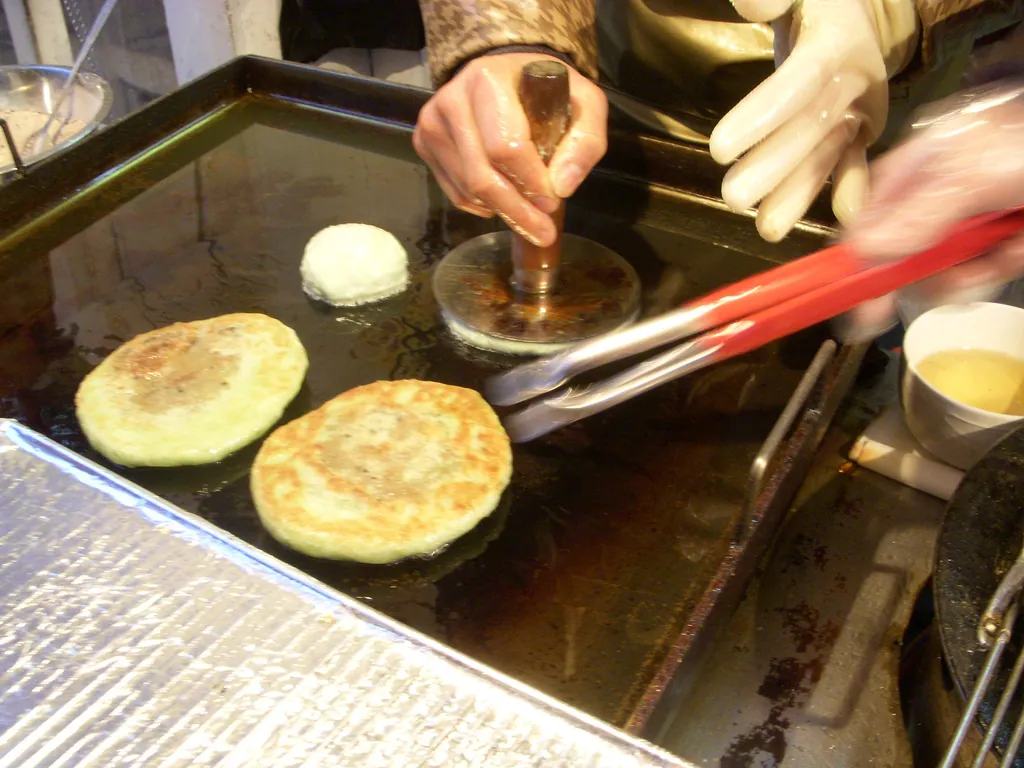
Ssiat hotteok at BIFF SquarePhoto: keizie / 정희 강 from Seoul, Korea / CC BY
Tap a photo to see it large. 5 photographs, every one credited.
Checked against official sources · updated · Takumi Yamada
Brown-sugar pancakes split and stuffed with seeds and nuts, fried while you watch — the street snack Busan invented and queues for daily. Pocket change, maximum joy.
- Short enough to be certain of: 2 hr door to door, so even a tender day works.
- On a 4–6h ashore call our verdict is "The afternoon" — gamcheon, jagalchi, then here for the eating.
- It is not only a photo stop: how a port city became the centre of asian cinema in about a decade.
- Stalls ~10:00–22:00 — gukje market 9:00–20:00, closed sundays (shops vary).
- 2 hr door to door needs a 4-hour call: a 2–3 hour stop cannot hold it. Pick something closer instead.
Why Ssiat hotteok at BIFF Square is famous
How a port city became the centre of Asian cinema in about a decade
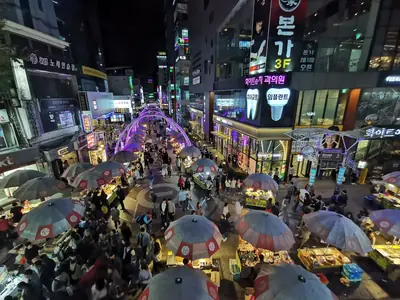
Ssiat hotteok is a Busan variant of a Korean street pancake: fried, split open and stuffed with seeds and nuts. It grew up around the BIFF Square stalls in recent decades. The square is named for the Busan International Film Festival and has handprints of directors set into the pavement.
Busan started a film festival in 1996 with borrowed money and a district of old cinemas. It is now the largest in Asia, it has a building with the longest cantilevered roof in the world, and the square where it started is named after it — which is why you are eating a seed pancake in a place called BIFF Square.
Nampo-dong was Busan's cinema district, and in 1996 it hosted the first Busan International Film Festival — which became the largest in Asia. The square is named after it and directors' handprints are set into the pavement, now underneath the food stalls.
Behind it, Gukje Market is kilometres of covered alleys that grew out of the Korean War, when this was where the refugee city bought everything. It burned catastrophically in 1953 and rebuilt. It is still the rain plan for this whole city.
Screens that are still operating
Before Korean cinema was known abroad
And the platform for a national film boom
~85 m of unsupported cantilever, and an LED ceiling
Eat at BIFF Square and look down — the directors' handprints are in the pavement under the food stalls.
Three places, three different answers
The one the queue agrees on, the one people who live here use instead, and the one nearest your ship. Opening days change; check before you build a day around one.
Fried, split and stuffed with seeds. The square is named for the film festival and has directors’ handprints in the pavement.
Open in Google MapsClosest to the berthGukje Market food alley국제시장 먹자골목One block over, and the same snack among a hundred others.
Open in Google MapsThings worth knowing
- Ssiat hotteok is the thing: a sugar pancake cut open and packed with seeds. It is served scalding — wait.
- Look down. The handprints of directors are in the pavement under the stalls.
- Gukje Market's alleys are entirely covered. This is where to be if it rains.
- Eomuk on a skewer with a paper cup of its broth — the broth is free and you refill it yourself.
- BIFF부산국제영화제 — The festival, since 1996. Asia's largest.
- Nampo-dong남포동 — The old cinema district. Now BIFF Square, and the street food.
Ssiat hotteok at BIFF Square and your ship
Both pins on one map, so the distance is a fact rather than a feeling.
Where the 2 hr goes
Counted from the moment you step off the gangway, about 30 minutes after the ship arrives. The hour before all-aboard is not in this bar; it is already set aside.
15 minutes each way is the measured figure for bus 5-1 or taxi ~15 min from north port, not the optimistic one. If your ship is late, cut the 1 hr 30 min in the middle. Never cut the hour at the end.
Questions people send us
What is there to eat at BIFF Square?
Ssiat hotteok — a griddled sugar pancake cut open and packed with sunflower and pumpkin seeds and peanuts, served scalding, so wait before biting. Also eomuk fish cake on skewers with free broth you refill yourself, and dwaeji gukbap shops in the surrounding streets.
What is Gukje Market?
Kilometres of covered alleys behind BIFF Square that grew out of the Korean War, when Busan's refugee population bought everything here. It burned catastrophically in January 1953 and rebuilt. Because it is entirely roofed, it is the default plan when it rains in this city.
Routes that already include it
Each one is a finished day timed from the official timetables, with this stop in it. Read the route rather than assembling it yourself.
What to put beside it
Each of these still lands you back aboard with the hour to spare.