How a port city became the centre of Asian cinema in about a decade
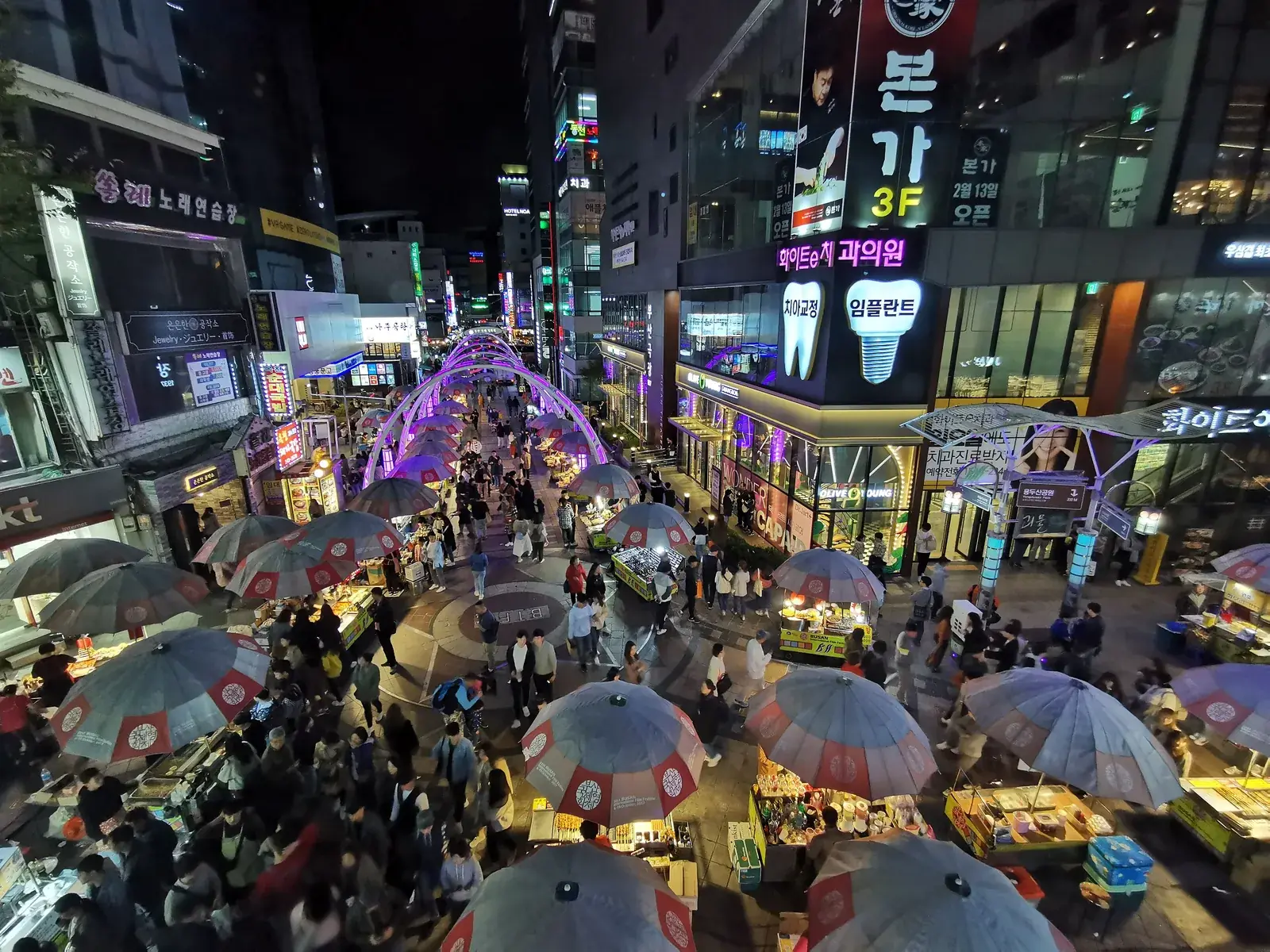
Busan started a film festival in 1996 with borrowed money and a district of old cinemas. It is now the largest in Asia, it has a building with the longest cantilevered roof in the world, and the square where it started is named after it — which is why you are eating a seed pancake in a place called BIFF Square.
Nampo-dong had cinemas going back to the colonial period, and by the 1990s it was a slightly faded district of old screens. In 1996, a group of Korean film people launched the Busan International Film Festival there — at a moment when Korean cinema was barely known outside Korea.
The timing turned out to be extraordinary. Korean film went from marginal to globally dominant over the following twenty-five years, and BIFF was the platform that introduced a great deal of it — along with Iranian, Taiwanese, Japanese and Southeast Asian work that had nowhere else to be seen at that scale.
The old cinema district is now BIFF Square: handprints of directors in the pavement, and the best street food in the city on top of them.
The festival outgrew Nampo-dong and in 2011 moved its centre to the Busan Cinema Center in Centum City — a structure whose roof cantilevers about eighty-five metres out over an open-air plaza with no supports beneath it, holding a Guinness record for the longest such roof.
The underside of that roof is a single vast LED surface. At night it runs animation over the heads of several thousand people watching a film outdoors. It is the most impressive piece of public architecture in the city and it is free to stand under.
The festival runs for about ten days in early October. If your call falls inside it, the city is at its best — screenings, crowds, outdoor events, and a genuine sense of occasion.
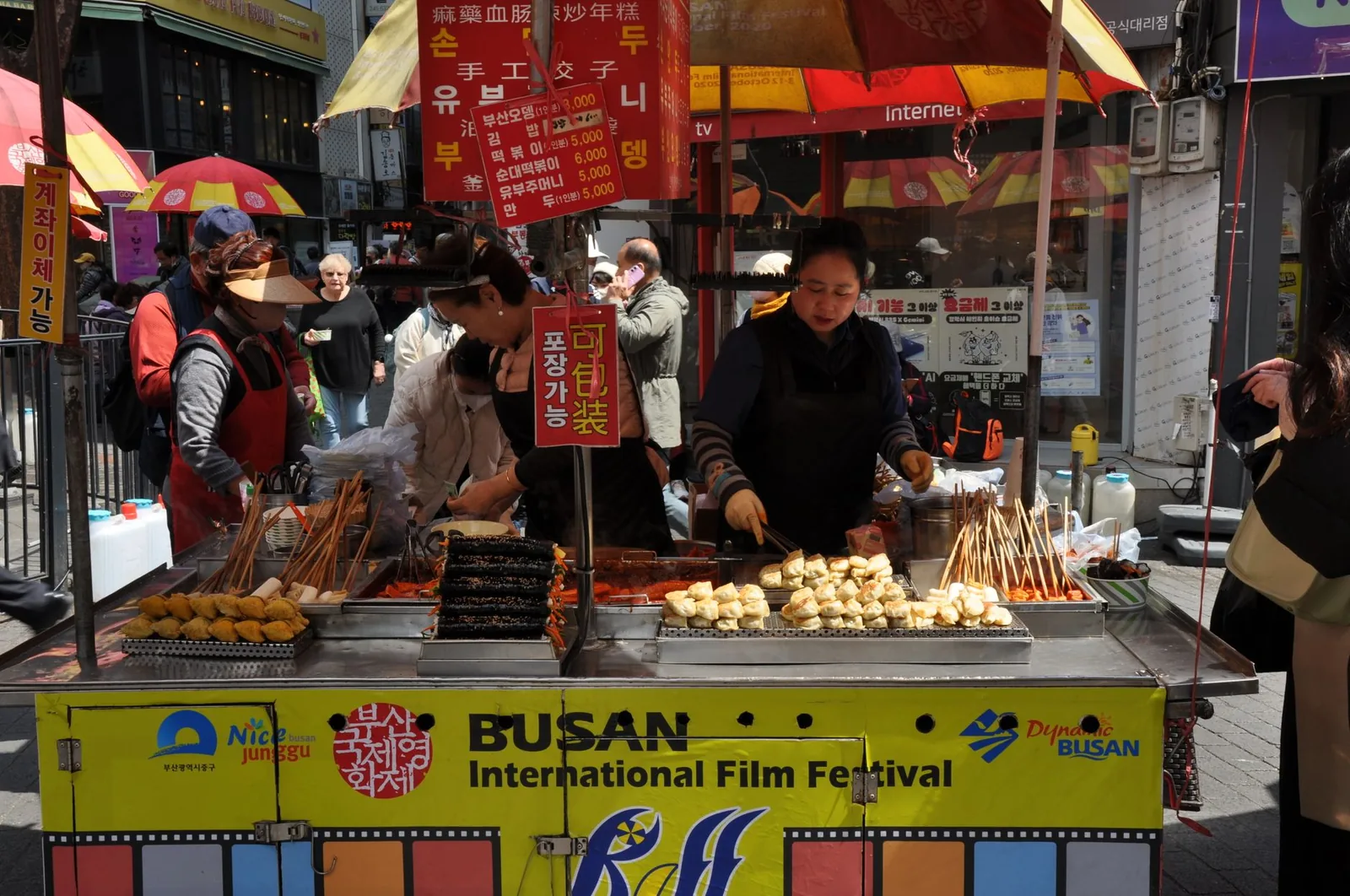
If it does not, BIFF Square is still where you should eat. The handprints are in the ground, the old cinemas are still operating, and the stalls that grew up around the festival crowds are the reason the ssiat hotteok exists.
Screens that are still operating
Before Korean cinema was known abroad
And the platform for a national film boom
~85 m of unsupported cantilever, and an LED ceiling
If your call lands inside it, the city is at its best
Eat at BIFF Square and look down — the directors' handprints are in the pavement under the food stalls.
Around ten days in early October each year, since 1996. It is the largest film festival in Asia. If your cruise call falls inside it the city is noticeably livelier — screenings, outdoor events and crowds — and the Busan Cinema Center runs films under its cantilevered LED roof.
The old cinema district of Nampo-dong, renamed after the film festival that started there in 1996. Directors' handprints are set into the pavement, several of the original cinemas still operate, and the street-food stalls that grew up around festival crowds are where Busan's seed-stuffed ssiat hotteok is sold.
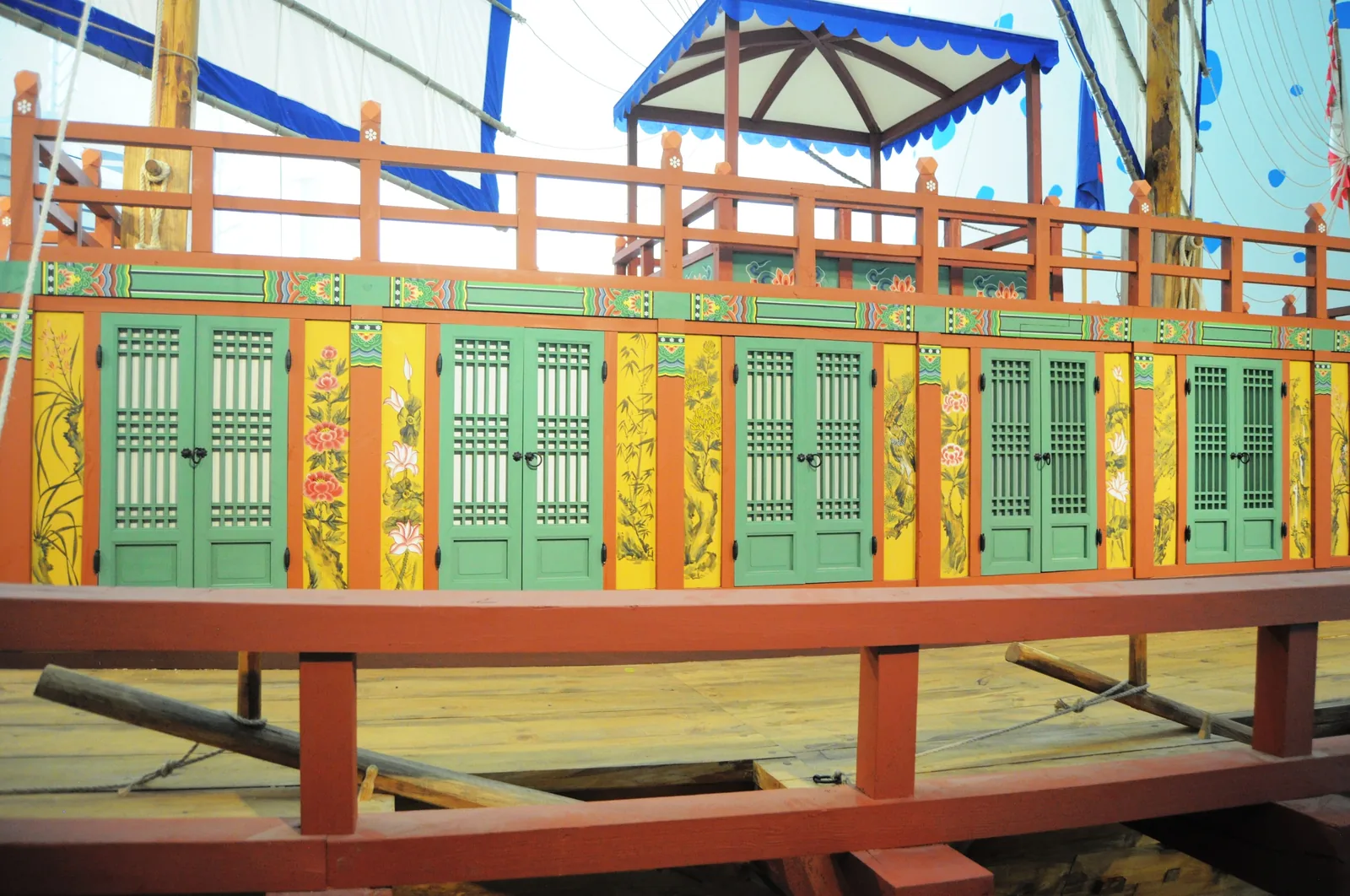
Twelve Korean missions to Japan, and a Japanese trading post here ten times the size of Dejima
Read →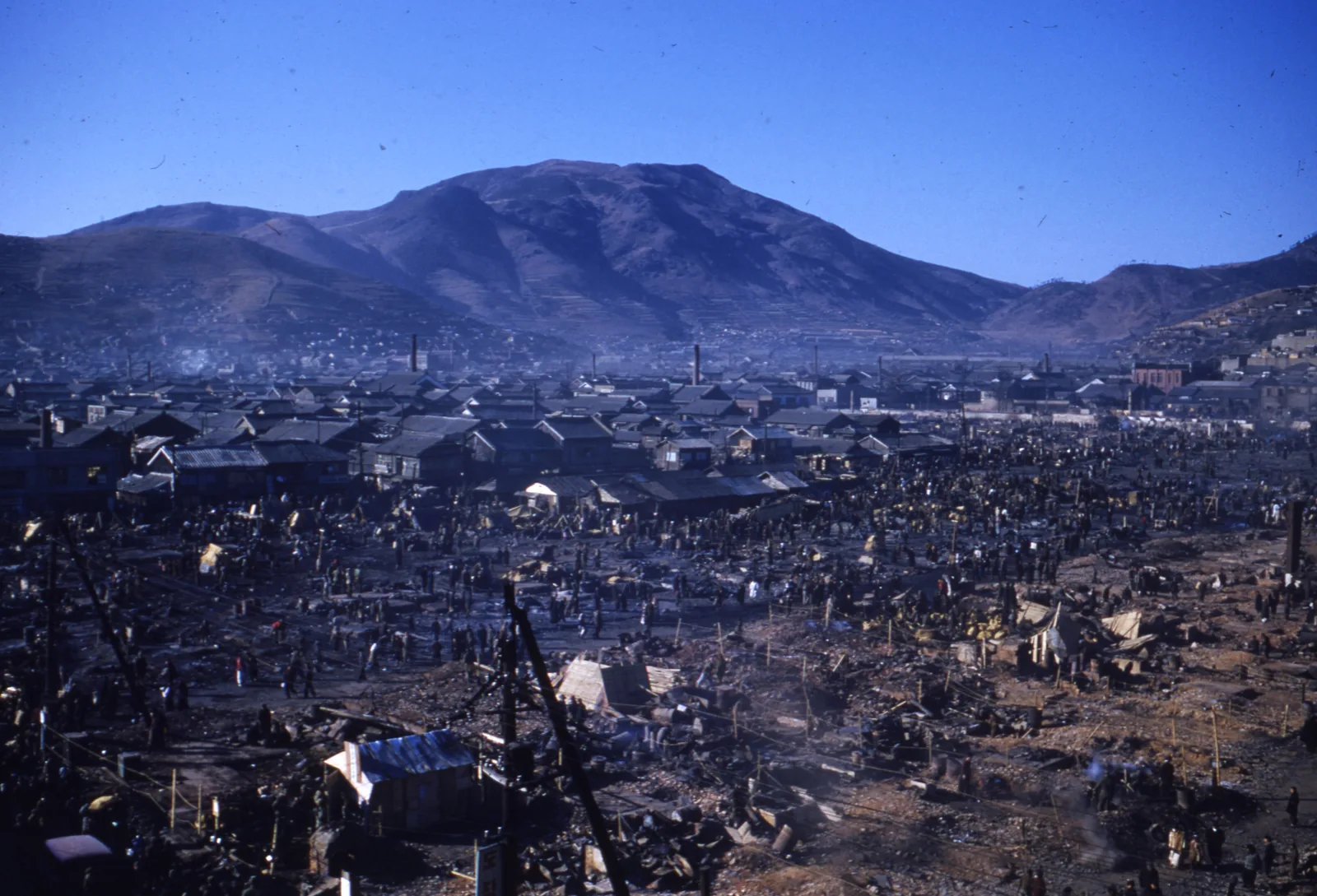
For most of 1950, free Korea was this city and a perimeter around it
Read →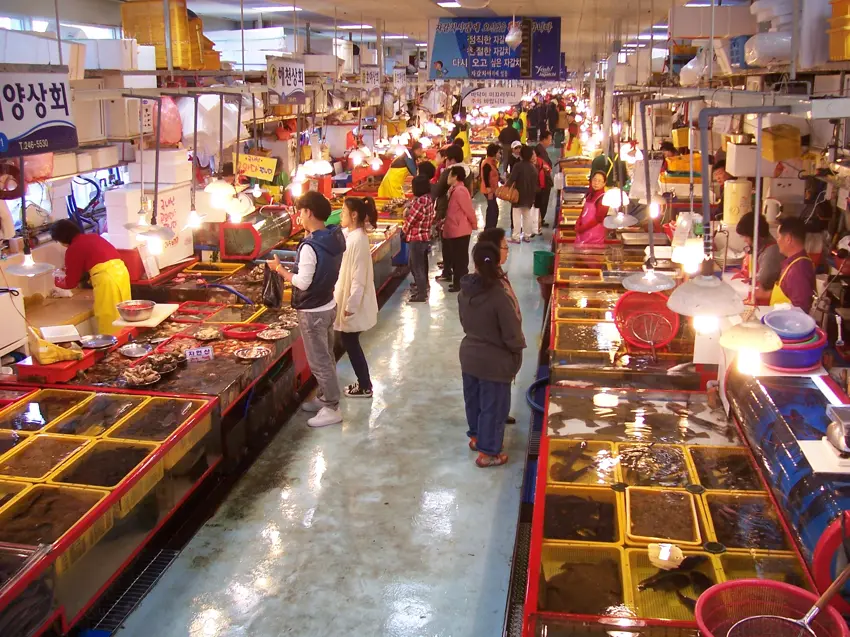
Korea's largest fish market, run for seventy years by women
Read →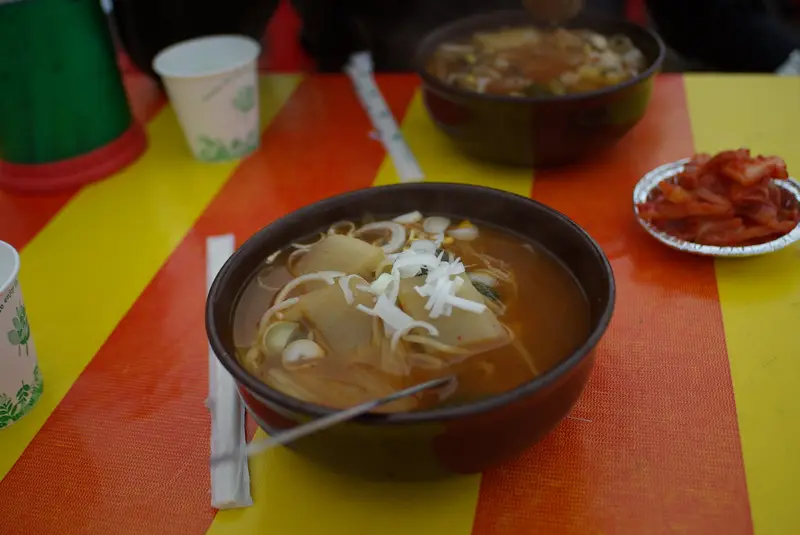
Four dishes this city invented because it had to
Read →No typing needed — jump straight in:
Just docked? — the gangway toolStart from your shipThe ride from every berthAsk the editorGlossary