PORT OF JAPAN
The Haeundae and Marine City skyline across the water, Busan

Home / Ports / Busan / Culture

Culture & history · Busan

Why Busan is Busan

The things that happened here and only here, told properly, then tied to what you can see, taste and book while your ship waits.

Photo: Adobe Stock / Licensed

Checked against official sources · updated · Takumi Yamada

What Busan is

Busan in 5 stories

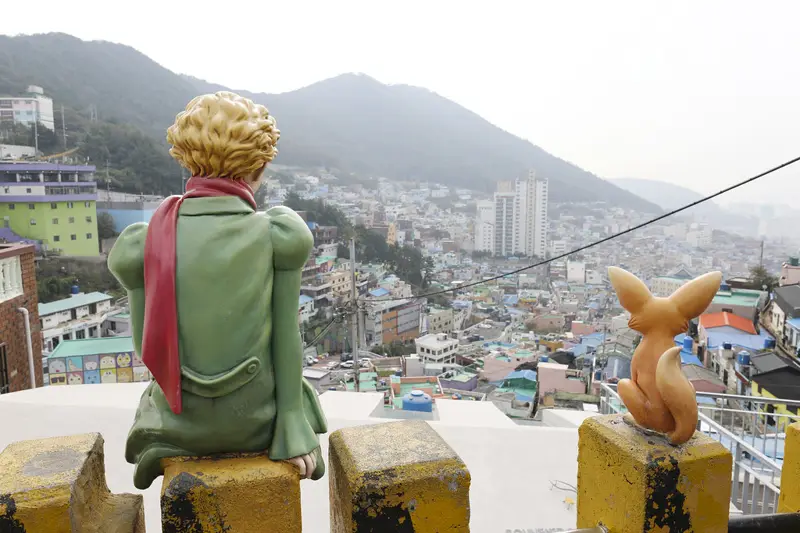
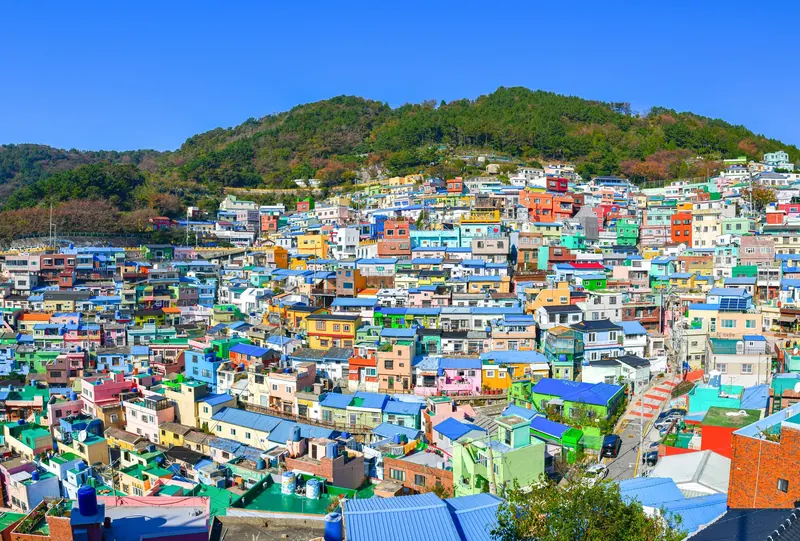
Busan is a Korean port city, the one Korean day on most Japan cruises, and the city that was all of free Korea for most of 1950. People come for Gamcheon, a hillside of stepped pastel houses built by wartime refugees, and for Jagalchi, Korea's largest fish market, run by women for seventy years. Most ships dock at North Port, a 10–15 minute covered walk from Busan Station and the metro.

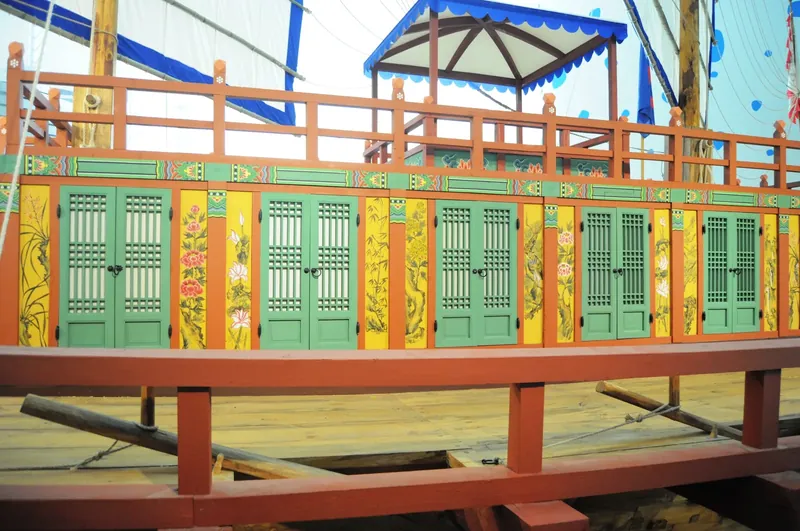
A model of a Joseon Tongsinsa embassy ship at the National Maritime Museum, Busan
01 · The history

The embassies

Between 1607 and 1811, Korea sent twelve grand embassies to Japan — four to five hundred people at a time, escorted across the country as a spectacle. Every one of them sailed from Busan. And in Busan itself, Japan kept a walled trading settlement so large it makes Nagasaki's famous Dejima look like a car park.

Read the story
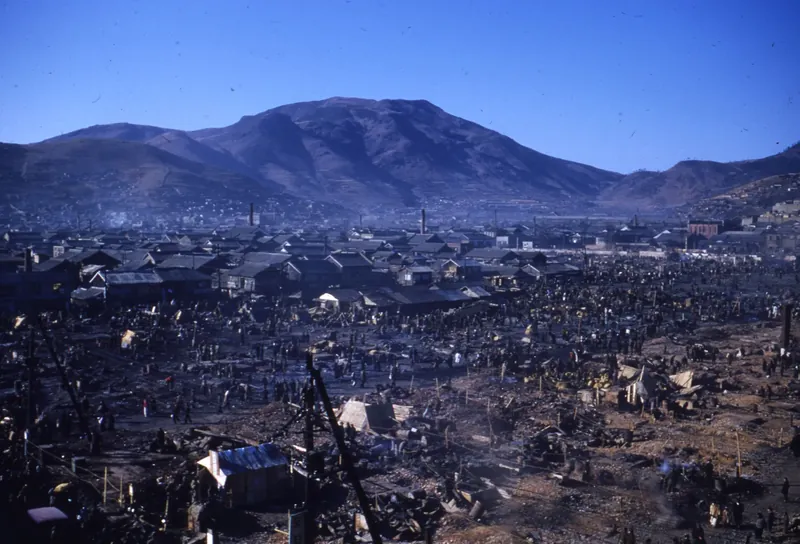
Gukje Market in Busan after the fire of January 1953
02 · The war

The last city

In August 1950 the Republic of Korea consisted of Busan and a defensive line drawn around it. The government moved here, the refugees came here, and the city they improvised in those three years is the city you are walking through.

Read the story
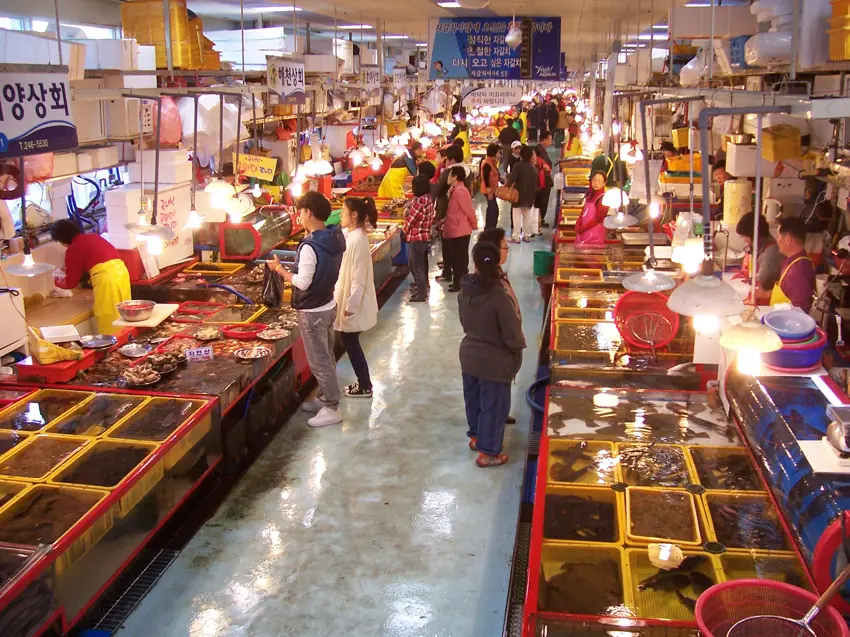
Seafood stalls at Jagalchi Market, Busan
03 · The market

Jagalchi

The men were at the war or at sea or dead. The women sold the fish. Seventy years later the Jagalchi ajumma are still the ones behind the tanks, they will still shout at you, and being shouted at is part of the transaction.

Read the story
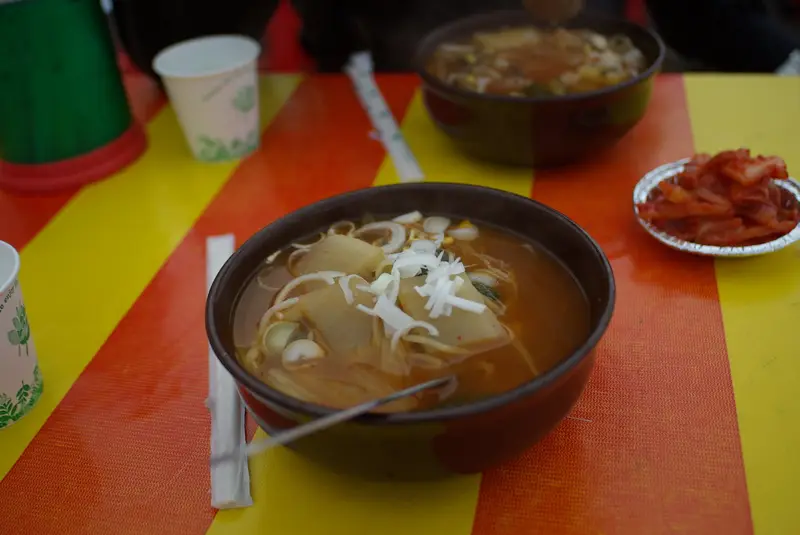
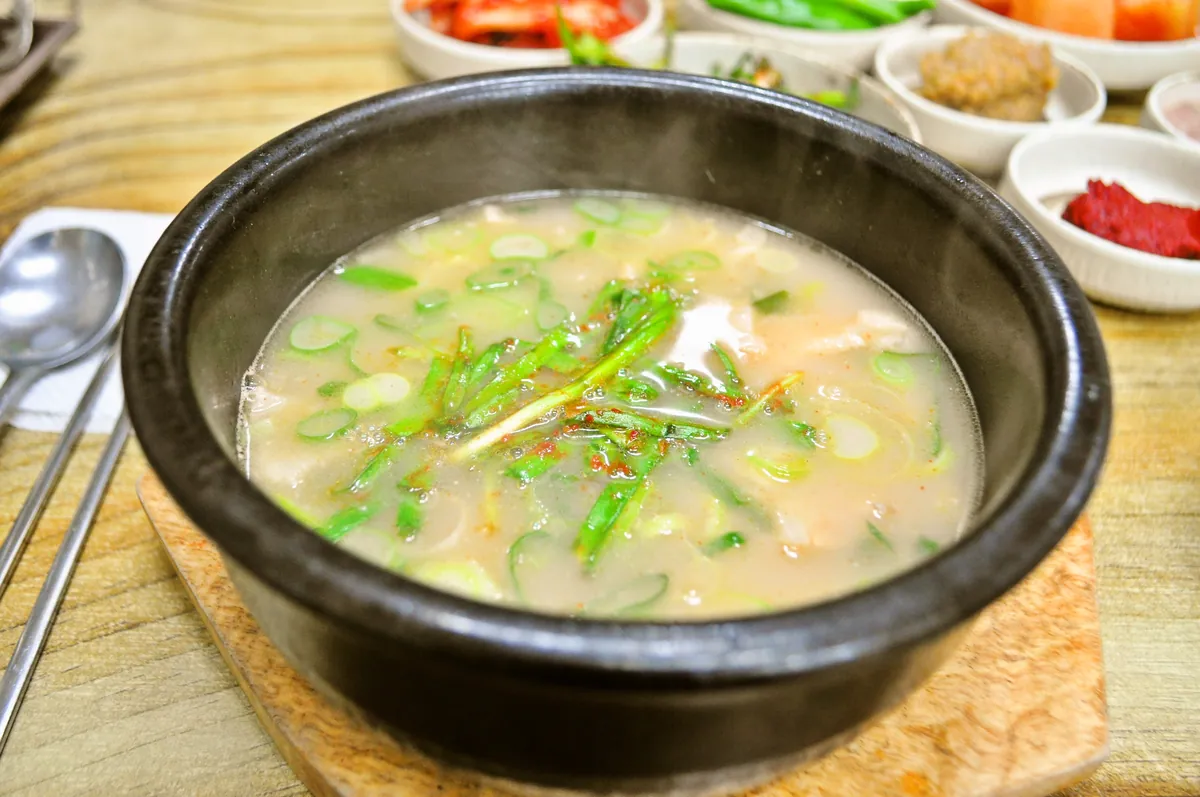
A bowl of dwaeji gukbap, Busan pork broth rice soup
04 · The food

Refugee cooking

Busan's signature dishes are not old. Almost all of them were invented in the 1950s by people who had lost everything and were cooking with whatever the port and the American aid shipments provided. They are among the best cheap food in East Asia and every one of them has a reason.

Read the story
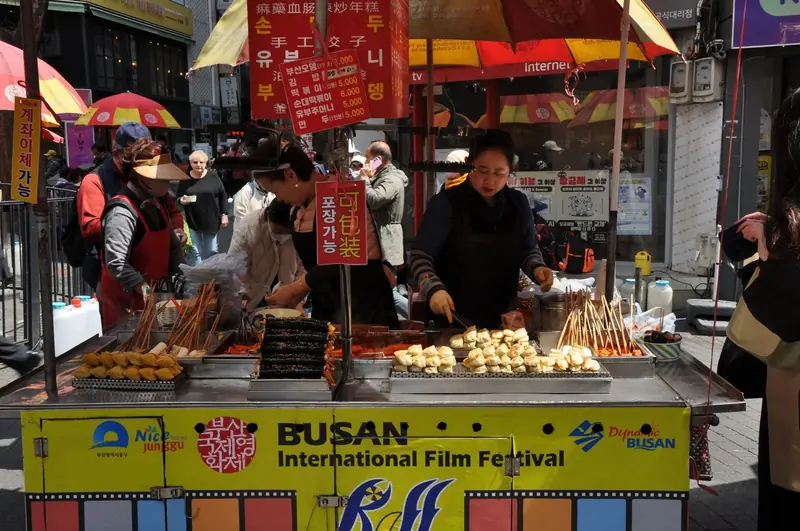
A street-food stall at BIFF Square in Busan
05 · The film city

BIFF

Busan started a film festival in 1996 with borrowed money and a district of old cinemas. It is now the largest in Asia, it has a building with the longest cantilevered roof in the world, and the square where it started is named after it — which is why you are eating a seed pancake in a place called BIFF Square.

Read the story
The year in Busan

When to come, and what you'll find

Cruise seasons run spring to autumn, but the port changes underneath them.

MarchCold easing, cherry blossom late

Blossom arrives around the start of April here — later than Kyushu, earlier than Seoul.

AprilThe best walking month

Dry, mild, clear. Everything outdoors works, including Taejongdae and the coastal trails.

MayWarm and green

Comfortable everywhere before the humidity. Milmyeon season opens in earnest.

June–JulyMonsoon rains

Heavy and concentrated. Jagalchi and the covered markets carry the day.

AugustHot, humid, and the beaches are full

Haeundae in August is a domestic holiday crowd. Go early or skip it.

SeptemberTyphoon watch, then relief

Late September turns pleasant and the cruise calls stack up.

OctoberThe peak

Clear, mild, and the film festival runs for about ten days. The best time to be here.

NovemberCool and very clear

Autumn colour on the hills, hot eomuk on the streets, and no crowds.

Dec–FebCold and dry

Warmer than Seoul but genuinely cold. This is when gukbap and street eomuk make sense.

Read the culture, then plan the clock: the Busan day plans and the Top 10 turn all of this into a day that ends at the gangway with an hour to spare.