Twelve Korean missions to Japan, and a Japanese trading post here ten times the size of Dejima
Between 1607 and 1811, Korea sent twelve grand embassies to Japan — four to five hundred people at a time, escorted across the country as a spectacle. Every one of them sailed from Busan. And in Busan itself, Japan kept a walled trading settlement so large it makes Nagasaki's famous Dejima look like a car park.
Japan invaded Korea in the 1590s and devastated it. Two decades later the two countries were exchanging embassies again — because the new Tokugawa government wanted the legitimacy that formal relations with Korea conferred, and Korea wanted to know what Japan was doing.
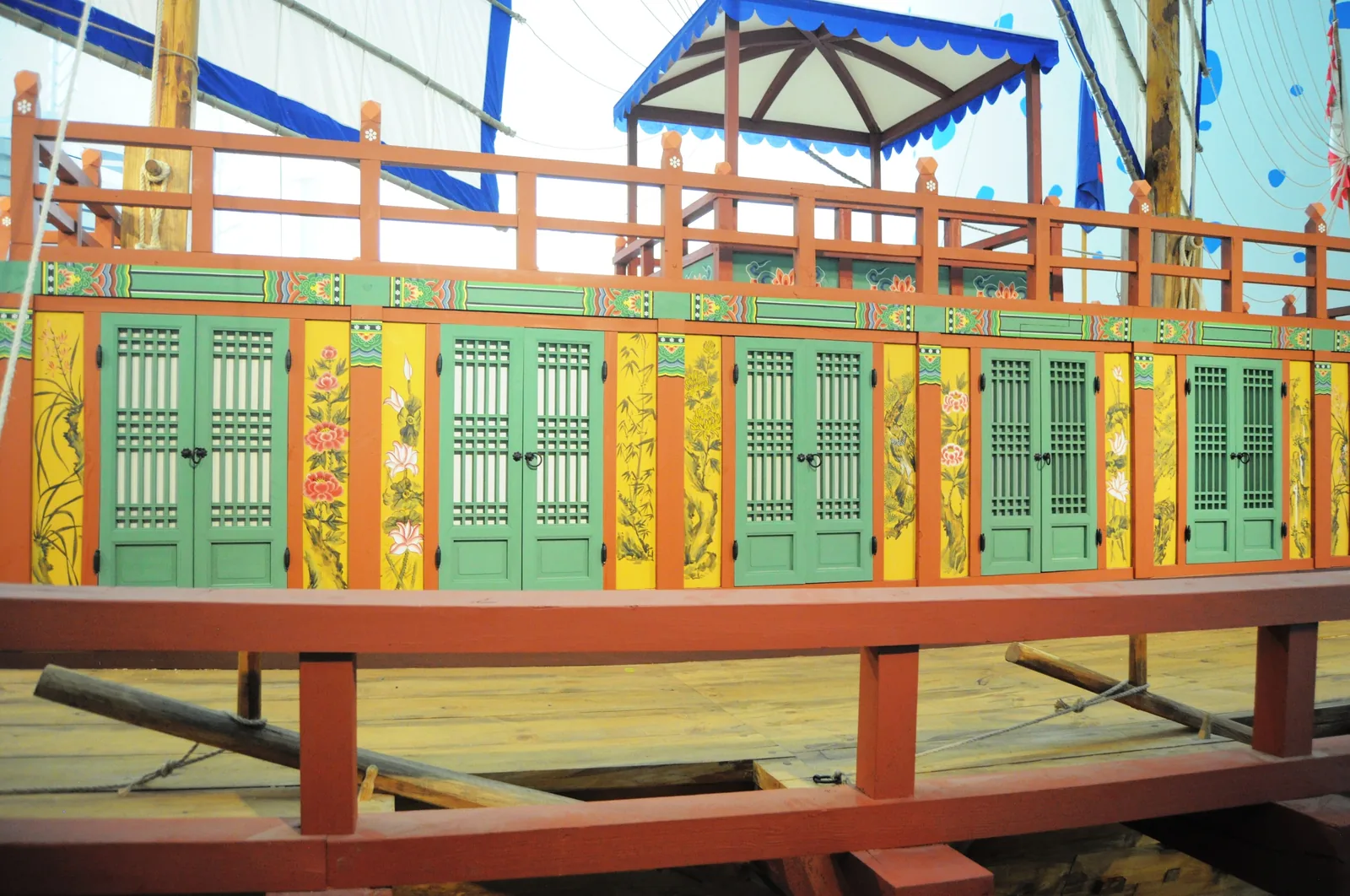
The Tongsinsa — "communication envoys" — went twelve times between 1607 and 1811. Each mission ran to four or five hundred people: diplomats, scholars, physicians, musicians, calligraphers, acrobats. They sailed from Busan, landed in Kyushu, and were escorted overland to Edo over months.
In Japan the missions were an event. Crowds lined the route. Japanese scholars sought out the Korean scholars for brush conversations — written exchanges in classical Chinese, the shared written language, conducted late into the night. Some of those manuscripts survive, and they read like people genuinely delighted to meet each other.
The Tongsinsa records were jointly inscribed on UNESCO's Memory of the World register in 2017 — submitted together by Korean and Japanese institutions, which is itself the point of them.
Everyone knows Dejima, the fan-shaped island in Nagasaki where the Dutch were confined. Almost nobody outside Korea knows about the Waegwan in Busan, and it was an order of magnitude larger.
The Choryang Waegwan, established in 1678, was a walled Japanese settlement covering roughly 33 hectares — around ten times the area of Dejima — housing several hundred Japanese men from the Tsushima domain. They lived here permanently, traded silver for silk and ginseng, and were forbidden to leave the walls without permission.
It was the only place in Korea where Japanese could live, and for two centuries it was the main channel through which each country learned anything about the other. Little of it survives above ground, but the district name — Choryang — is still on the map, and the National Maritime Museum handles the story properly.
The relationship starts from there
Four to five hundred people, sailing from Busan
~33 hectares — about ten times Dejima
It gets no further than Tsushima
Jointly submitted by Korea and Japan
Give the National Maritime Museum an hour. It is the only place that tells this story to a foreign visitor in English.
Twelve grand Korean embassies sent to Japan between 1607 and 1811, each of four to five hundred diplomats, scholars, physicians and performers. They sailed from Busan and were escorted overland to Edo over months, drawing crowds along the route. Their records were inscribed on UNESCO's Memory of the World register in 2017, jointly submitted by Korea and Japan.
A walled Japanese trading settlement, established at Choryang in 1678, covering around 33 hectares — roughly ten times the size of Nagasaki's Dejima. Several hundred Japanese men from the Tsushima domain lived there permanently and traded silver for Korean silk and ginseng. It was the only place in Korea where Japanese could reside.
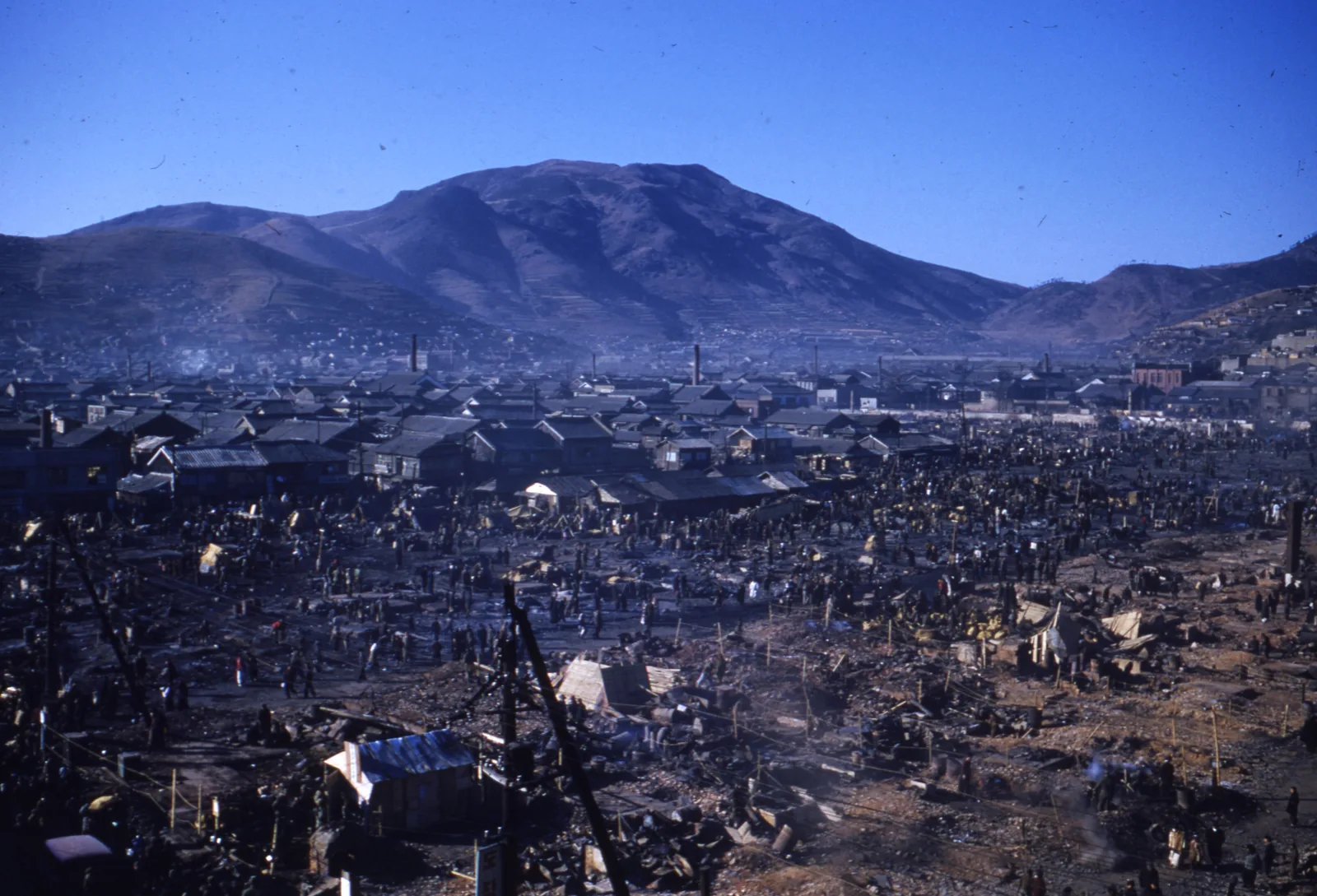
For most of 1950, free Korea was this city and a perimeter around it
Read →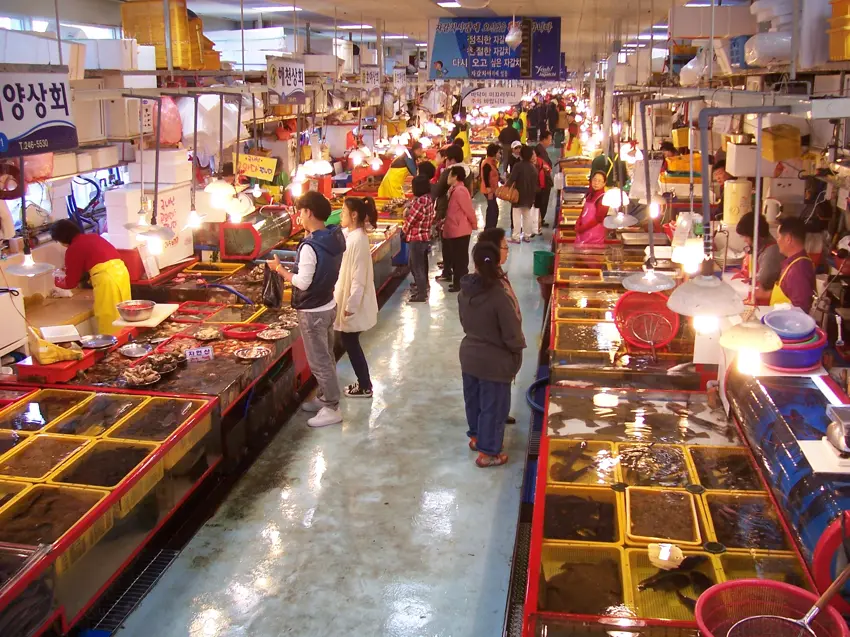
Korea's largest fish market, run for seventy years by women
Read →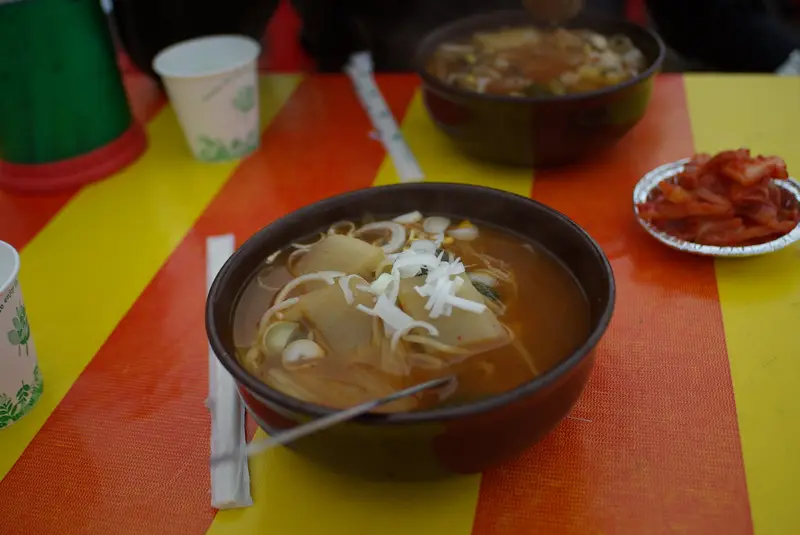
Four dishes this city invented because it had to
Read →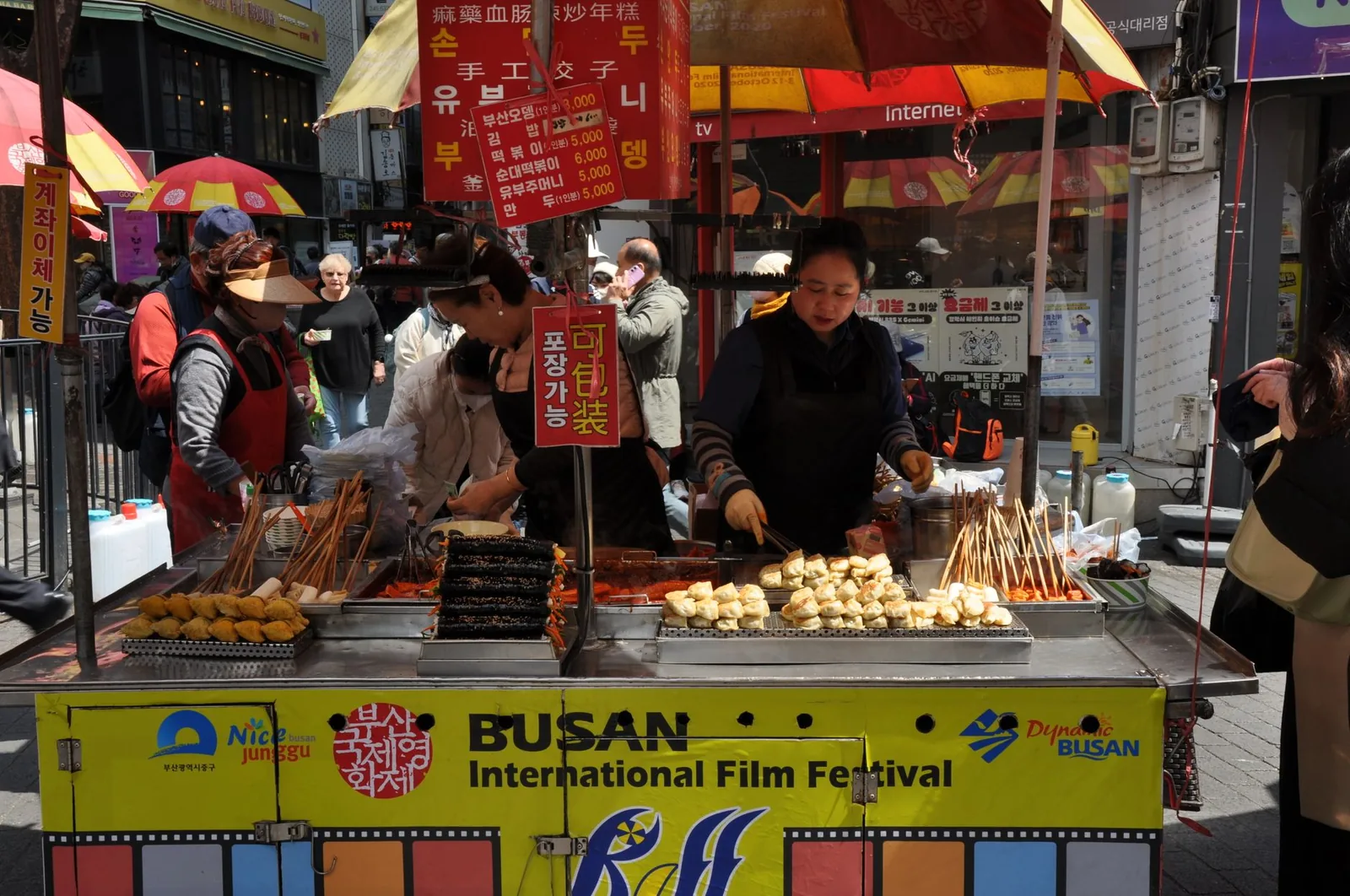
How a port city became the centre of Asian cinema in about a decade
Read →No typing needed — jump straight in:
Just docked? — the gangway toolStart from your shipThe ride from every berthAsk the editorGlossary