
 1 / 9
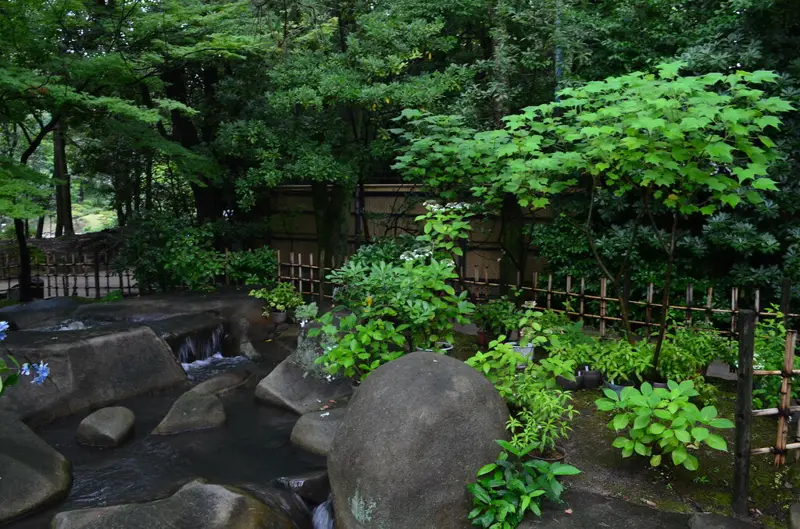
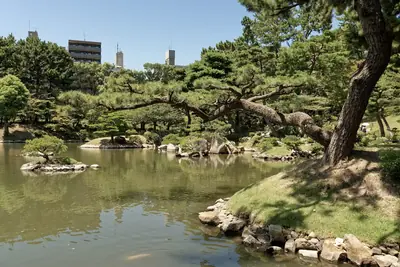
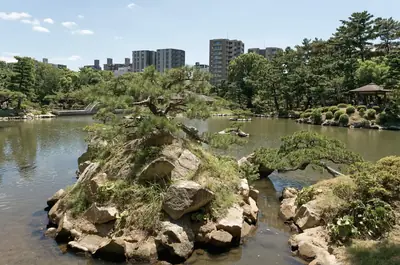
Shukkei-en gardenPhoto: Jakub Hałun / CC BY 4.0
Tap a photo to see it large. 9 photographs, every one credited.
Checked against official sources · updated · Takumi Yamada
A 1620 landscape garden that survived 1945 and replanted itself — the gingko by the pond predates the bomb. The quiet counterweight to the museum.
- On a 4–6h ashore call our verdict is "Perfect" — peace park in the morning, then a short tram to the garden; both are in the centre.
- 16 Sep–15 Mar: 9:00–17:00 (entry to 16:30); 16 Mar–15 Sep: 9:00–18:00 (entry to 17:30) — closed 29–31 december only..
- 3 hr 30 min door to door needs a 5.5-hour call: a 2–3 hour stop cannot hold it. Pick something closer instead.
- No single published ride covers this one. Budget for a taxi both ways, or fold it into a guided day.
Why Shukkei-en garden is famous
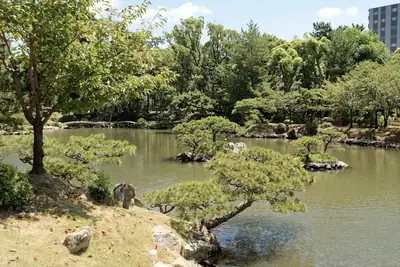
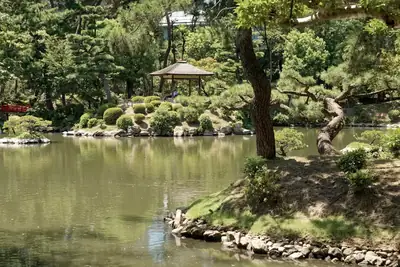
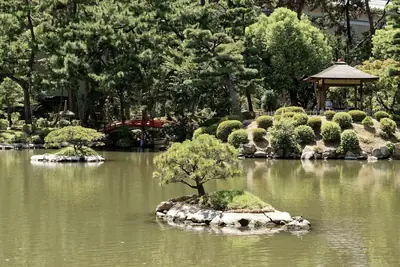
Laid out in 1620 for the Asano lords, its name means shrunk-scenery garden and it miniaturises a famous Chinese lake. It was destroyed by the bomb, two kilometres from the hypocentre, and rebuilt from the original plans. One ginkgo survived and is still growing there.
Shukkei-en was laid out in 1620 as a feudal lord's garden, and the garden says it was reshaped by successive lords into roughly what you see today. It was badly damaged by a great fire in the Edo period and again by the atomic bomb, and restored each time; in 2020 it reached its 400th year. It is the quiet counterweight to a morning at the Peace Park.
It sits in the middle of the city beside the Hiroshima Prefectural Art Museum, and the garden's own introduction stresses that the green setting makes you forget the traffic around it. The garden's site has a map of its sights, a calendar of what is in flower season by season (check it for your date), and a Seisen-tei hall; it also lists a water taxi that reaches the garden by river.
The catch is time and the tram: 45 minutes each way from Ujina with a change. It is a poor use of a short call, and you need to be there before the 16:30 last entry in the cooler months (17:30 in summer). If you only have time for the Peace Park, stay with that.
Things worth knowing
- If you are 65 or over, take your passport: the garden's fee table lists free entry for 65+ (confirm at the gate).
- Last entry is 16:30 from 16 September to 15 March, and 17:30 from 16 March to 15 September.
- The tram stop is Shukkeien-mae on the Hakushima line, reached by changing at Hatchobori, per the garden's access page.
- The garden has a seasonal flower calendar on its site; check it for your date rather than assume.
Shukkei-en garden and your ship
Both pins on one map, so the distance is a fact rather than a feeling.
Questions people send us
How much is Shukkei-en, and is it free for seniors?
Adults pay ¥350. The garden's fee table lists 65 and over as free with proof of age, though a shorter notice on its pages lists only adult and student rates, so confirm at the gate. Hours are 9:00 to 17:00 (entry to 16:30) from 16 September to 15 March.
How do I get from Hiroshima cruise port to Shukkei-en?
Take the Hiroden tram from Ujina towards the city, change at Hatchobori to the Hakushima line and get off at Shukkeien-mae. It takes about 45 minutes. With an IC card the change counts as one ¥240 fare; paying cash, ask the driver about a transfer ticket.
Is Shukkei-en worth it if I am doing the Peace Park?
Yes if you have a long call and want a quiet hour after the museum. On a short call, skip it: the tram time alone is about 90 minutes.
What to put beside it
Each of these still lands you back aboard with the hour to spare.
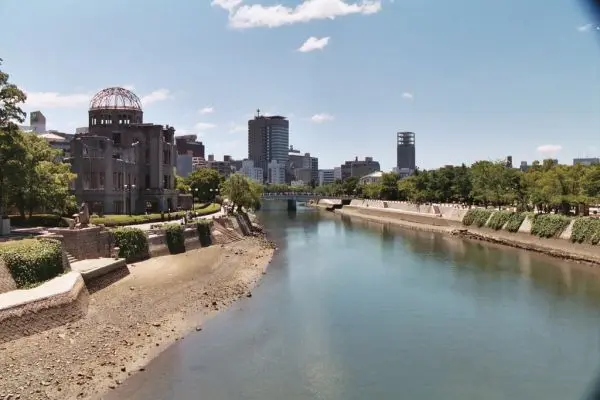 See · ~5h with tram
Peace Memorial Museum & Dome
The reason your ship stops here.
See the detail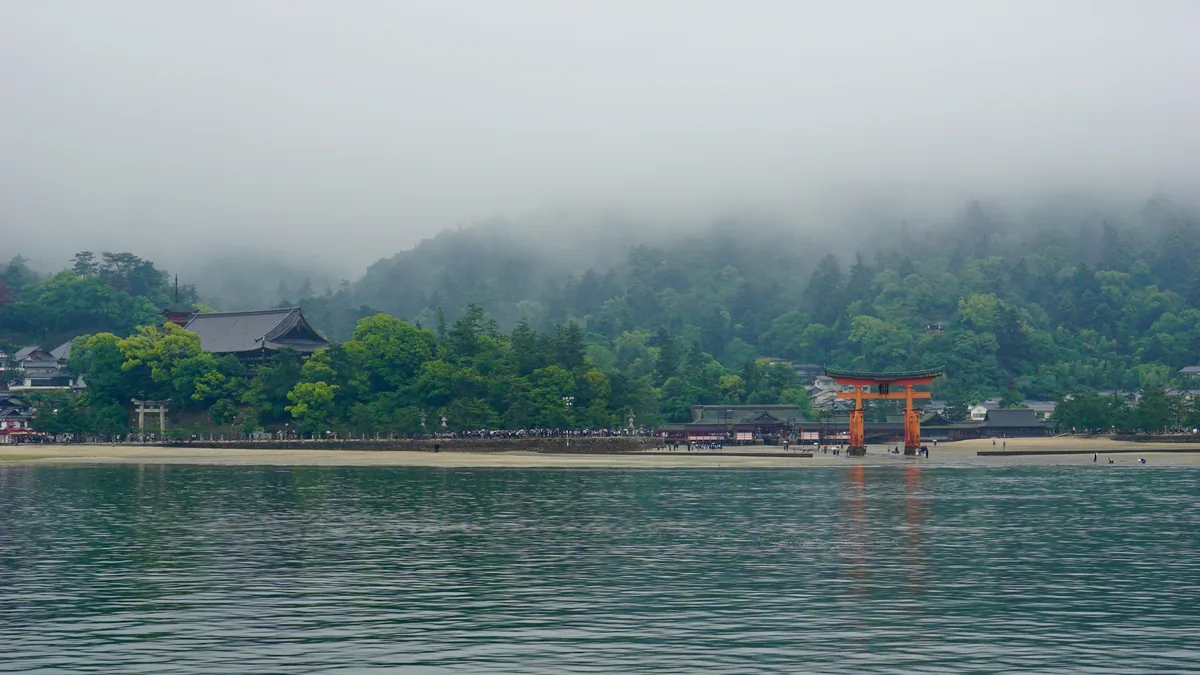 See · ~6h by tram and JR, ~4.5h by the direct boat
Miyajima & Itsukushima shrine
The vermilion gate in the sea, deer on the sand, oyster smoke in the lanes.
See the detail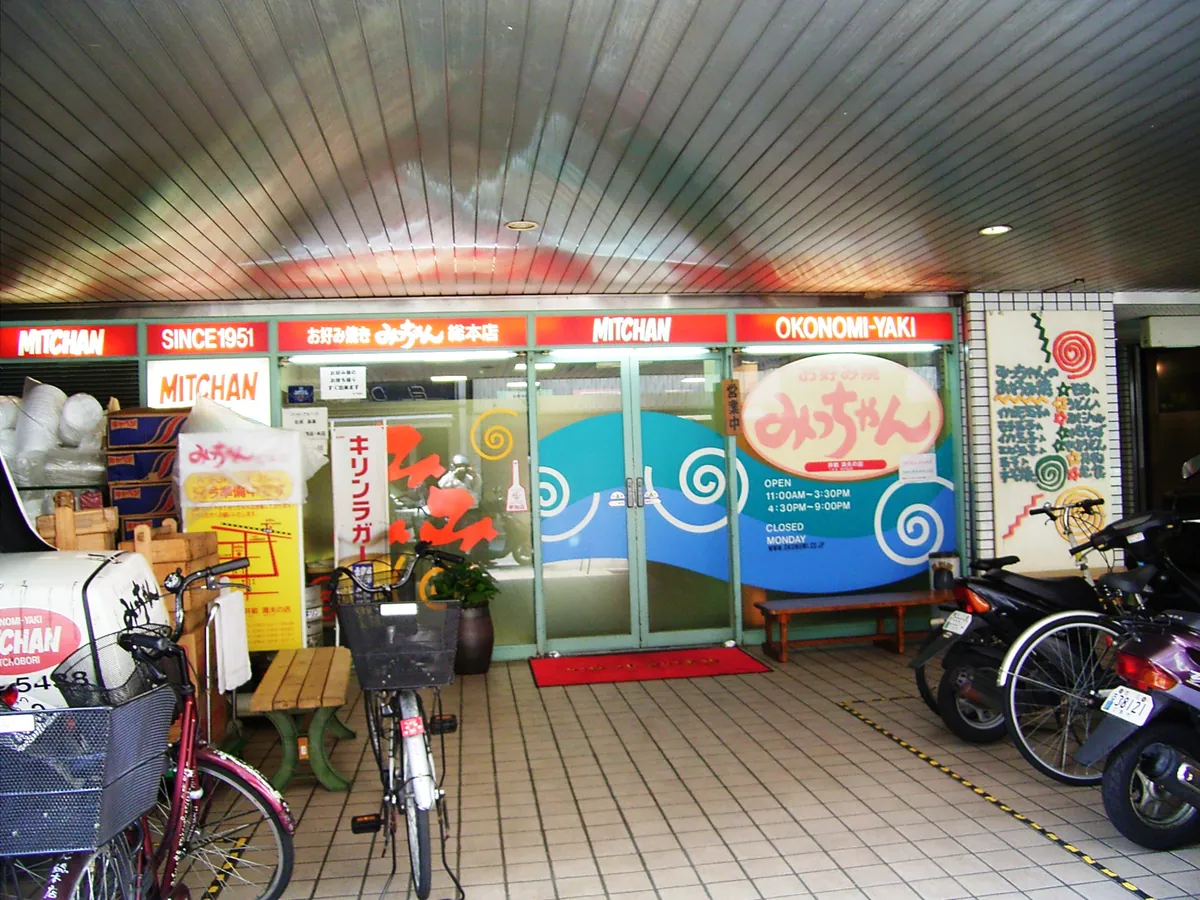 Eat · ~3h
Okonomiyaki at Mitchan
Hiroshima-style means layers, not batter — cabbage, soba, egg, and the founder’s sauce.
See the detail