 Photo: Sakurai Midori / CC BY 2.5
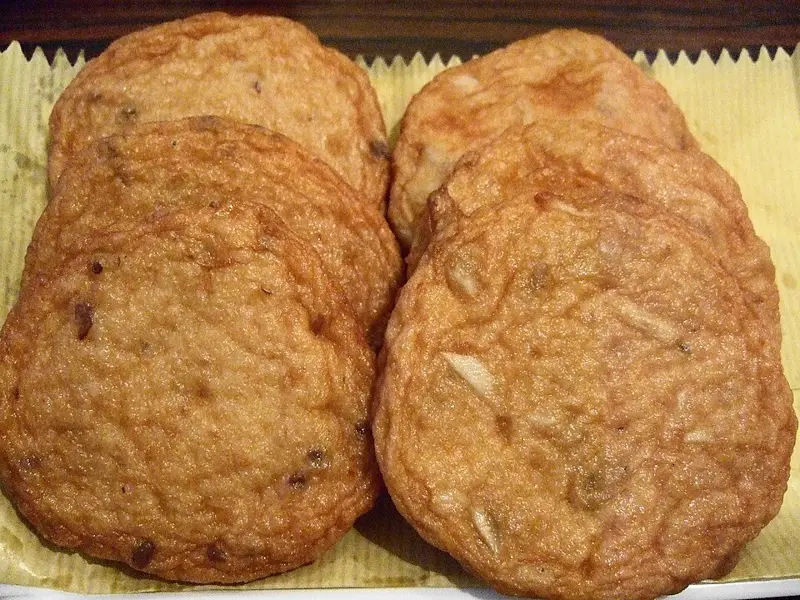
The fish cakes every Japanese supermarket imitates, eaten warm at the source. Agetateya fries batches through the day — buy two, eat one walking.
Not sake. Not soju. The spirit a volcano made inevitable
Satsuma-age is fish paste, shaped and deep-fried, and it travelled to Satsuma from the Ryukyu Kingdom in the 19th century. Eaten hot at the counter, within a minute of the fryer, it is a different food from the cold vacuum-packed version sold elsewhere. Kagoshima treats it as a snack, not a side dish.
Kagoshima has no meaningful sake tradition, because the soil that grows a volcano does not grow good rice. It grows sweet potatoes — and around 113 distilleries turning them into something Scotland would recognise as a protected regional spirit.
Via the Ryukyus and the continent, into a province that could not grow rice well
Kawachi Gen'ichirō finds a mutation of black kōji in Kagoshima — now the industry standard
The same class of protection as Scotch or Cognac
Over 2,000 labels; most houses more than a century old
Tenmonkan's bottle shops pour tastings and ship home. Ask for oyuwari at six-to-four, and let them pick your first bottle.
The one the queue agrees on, the one people who live here use instead, and the one nearest your ship. Opening days change; check before you build a day around one.
Fries satsuma-age to order at the counter. Eaten within a minute it is a different food from the vacuum-packed version.
Open in Google MapsWhere locals goYamashita Shoten山下商店A long-running local maker whose everyday product is what Kagoshima kitchens actually buy.
Open in Google MapsEach of these still lands you back aboard with the hour to spare on a 6-hour stop ashore.
Each one is a finished day we have walked and timed, with this stop in it. Read the route rather than assembling it yourself.
Each of these still lands you back aboard with the hour to spare.
 3 hr 30 min for both
Thirty minutes at strolling pace past the stone walls of the samurai quarter, narrated by the runner.
See the detail →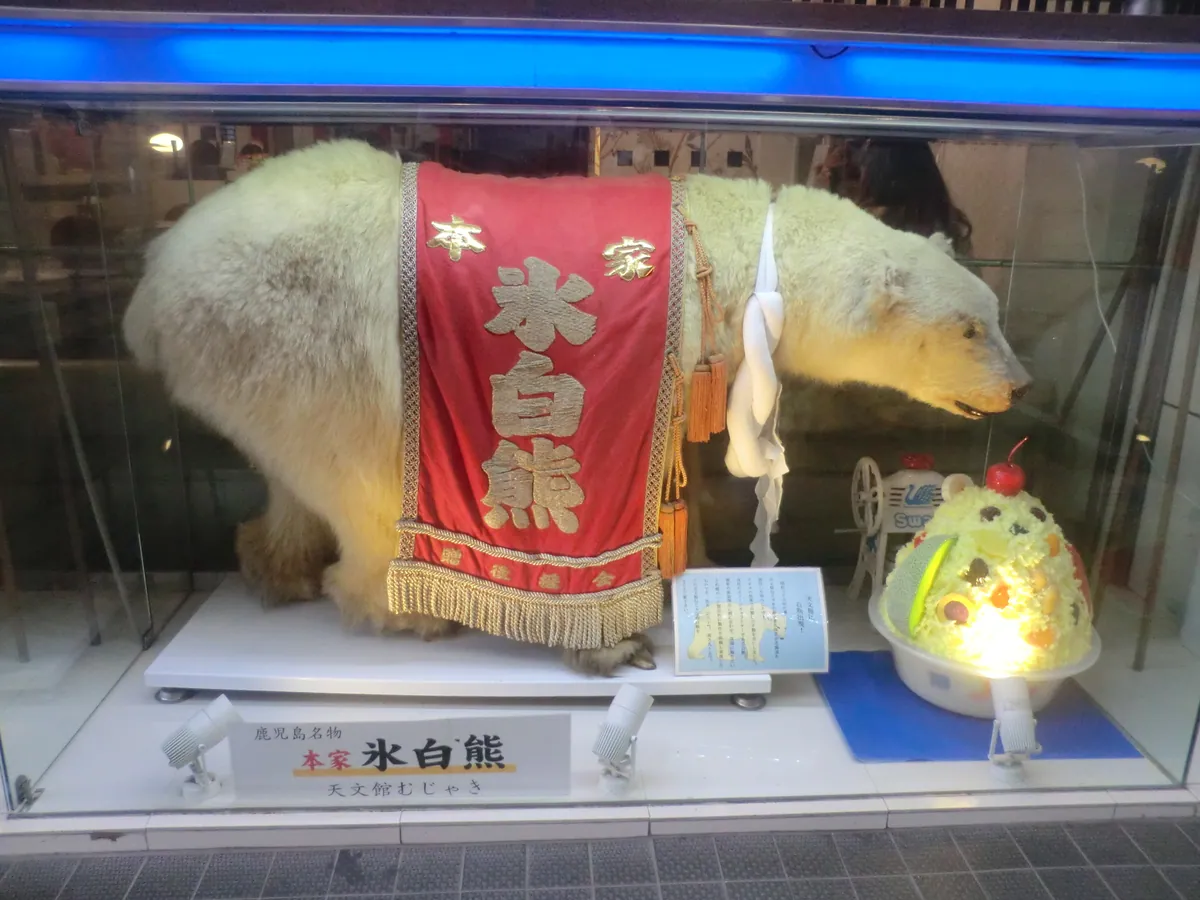 4 hr 30 min for both
The original “polar bear” shaved ice — condensed milk, fruit, a face you will photograph before you eat it.
See the detail →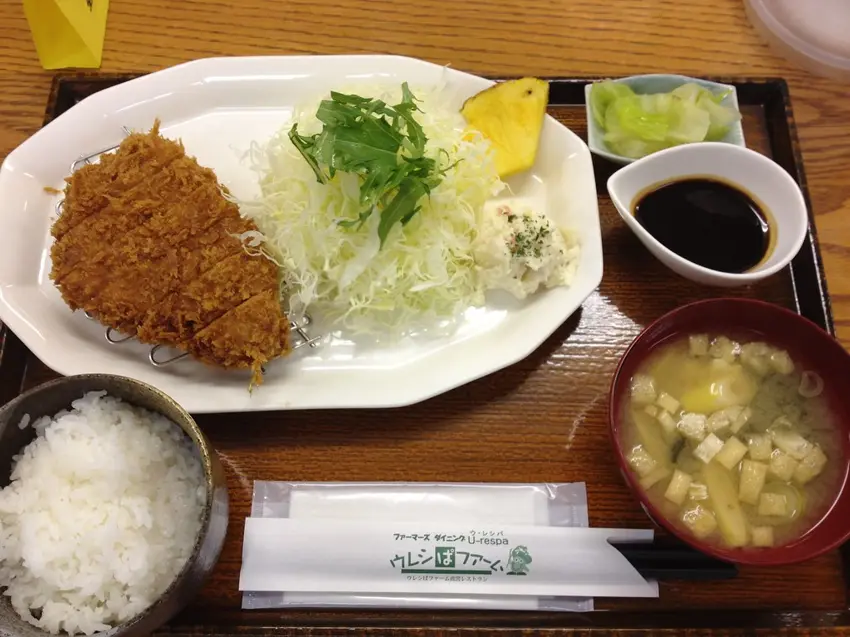 4 hr 30 min for both
Berkshire pork raised on sweet potatoes, fried in whisper-light panko.
See the detail →No typing needed — jump straight in:
Just docked? — the gangway toolStart from your shipThe ride from every berthAsk the editorGlossary