Not sake. Not soju. The spirit a volcano made inevitable
Kagoshima has no meaningful sake tradition, because the soil that grows a volcano does not grow good rice. It grows sweet potatoes — and around 113 distilleries turning them into something Scotland would recognise as a protected regional spirit.
Order sake in Kagoshima and you will be served politely and quietly marked as a visitor. This is not a sake prefecture. The volcanic soil here is shirasu — deep, loose pyroclastic deposits, superb for sweet potatoes and poor for paddy rice — so the province that could not brew learned to distil.
Honkaku shōchū means "authentic" shōchū: distilled once, capped by law at 45% ABV, and no additives permitted at all. Most bottles sit at 25%, Kagoshima's traditional strength. The single distillation is the entire philosophy — it keeps the raw material's character instead of stripping it out, which is precisely what a continuous still would do.
The process runs in two stages. First a primary mash of rice inoculated with kōji mould, water and yeast. Then the steamed and crushed sweet potato goes in, ferments for about two weeks, and is distilled a single time. Freshness of the potato is decisive, which is why distilleries sit next to fields rather than next to cities.
There are three kōji types — black, white and yellow. Black kōji produces the citric acid that protects a mash in a hot climate, and it was the traditional choice; it also throws off filthy, invasive black spores that coat everything and everyone in the distillery.
In 1918, a Kagoshima researcher named Kawachi Gen'ichirō identified a mutation of black kōji that produced the same protective acid without the mess. White kōji is now the most widely used in Japanese shōchū: lighter, crisper, a touch sweeter. A mould that mutated in a Kagoshima distillery a century ago is why most of the category tastes the way it does today.
Kagoshima has around 113 distilleries and over two thousand labels. Most of them are more than a hundred years old.
Since 2005, "Satsuma" has been a protected Geographical Indication — the same class of protection as Scotch or Cognac. To carry the name, the spirit must be made in Kagoshima Prefecture from locally grown sweet potatoes and local water, distilled once, and bottled in the prefecture. This is not folklore. It is enforced designation.
The Kagoshima default is oyuwari — cut with hot water, at a local ratio of six shōchū to four water, stronger than the national norm. And there is a specific order that locals notice: pour the hot water first, then the shōchū. The temperature difference mixes them by convection. You do not stir. Stirring is the tell.
The real ritual is maewari: dilute the shōchū with water one to ten days in advance, let it rest, then warm it to serve. It originated here, from the habit of preparing days ahead for guests, and it produces a demonstrably rounder drink. It is traditionally warmed in a kurojoka — a flat-bellied black earthenware kettle — which is also the thing to photograph.
Three cult bottles are known collectively as the 3M and rarely reach open shelves: Mori Izō (served in JAL first class), Maō — "Devil King," made with yellow rice kōji and unusually fruity — and Murao. They trade at multiples of list price.
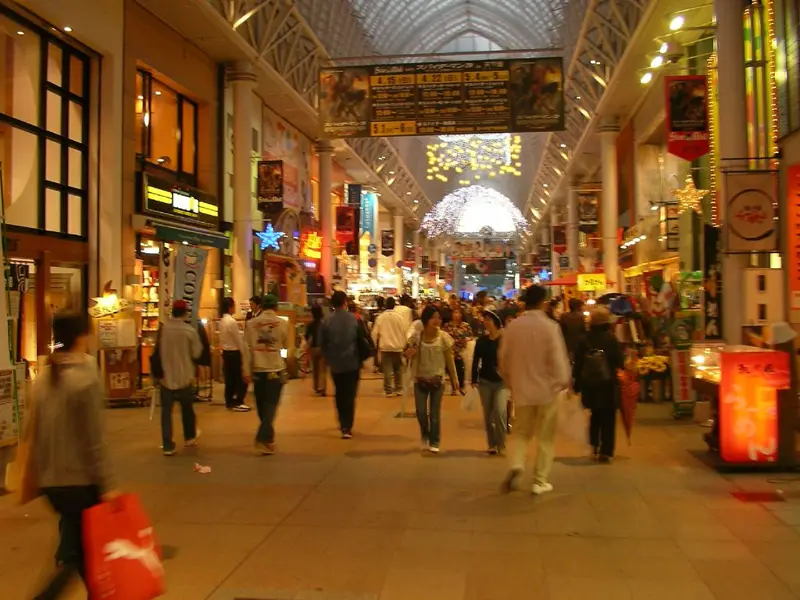
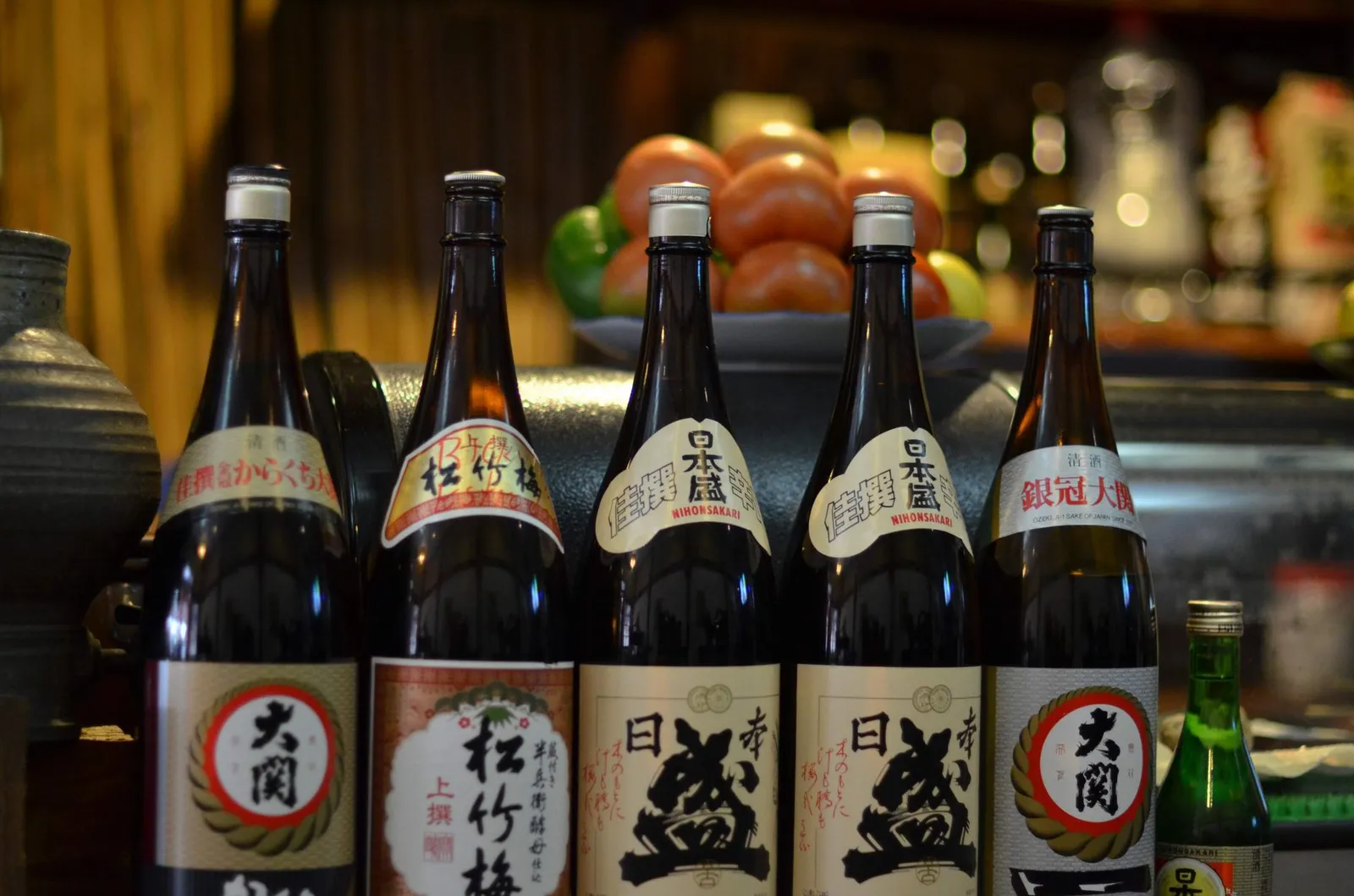
For actually drinking, look for Satsuma Shiranami, one of Japan's best-selling imo shōchū; Kannoko, aged three years in oak and naturally amber; or Satsuma Hōzan, white kōji and atmospheric distillation, buttery and floral. Tenmonkan's bottle shops will pour tastings and will happily steer a beginner away from the wrong first bottle.
The distinction Western visitors most often want: sake is brewed, like beer. Shōchū is distilled, like whisky. They are no more the same drink than beer and Scotch are. Sake runs 15–20%; shōchū typically 25%. Sake is made from rice only; shōchū from sweet potato, barley, rice, buckwheat or brown sugar.
And soju is shōchū's Korean cousin — but where honkaku shōchū is legally forbidden additives, modern mass-market soju is generally a flavoured neutral spirit. Similar family, very different rules.
Via the Ryukyus and the continent, into a province that could not grow rice well
Kawachi Gen'ichirō finds a mutation of black kōji in Kagoshima — now the industry standard
The same class of protection as Scotch or Cognac
Over 2,000 labels; most houses more than a century old
Tenmonkan's bottle shops pour tastings and ship home. Ask for oyuwari at six-to-four, and let them pick your first bottle.
Sake is brewed like beer, at 15–20%, from rice only. Shochu is distilled like whisky, typically 25%, from sweet potato, barley, rice or other bases — and authentic honkaku shochu may contain no additives at all. Soju is the Korean cousin: also distilled, but modern mass-market soju is usually a flavoured neutral spirit with far looser rules.
Oyuwari — cut with hot water, at the local ratio of six parts shochu to four parts water. Pour the hot water first and the shochu second; the temperature difference mixes them, and you do not stir. The deeper local ritual is maewari: dilute days ahead, let it rest, then warm it.
Because the volcanic shirasu soil drains too freely for good paddy rice but suits sweet potatoes perfectly. A province that could not brew sake at scale distilled what it could grow — and now has around 113 distilleries and a protected "Satsuma" designation in the same class as Scotch.
It is the most polarising style — earthy, sweet, strongly aromatic. Do not start with it neat. Ordered oyuwari at six-to-four it opens up beautifully; barley or rice shochu are the gentler entry points if you would rather ease in.
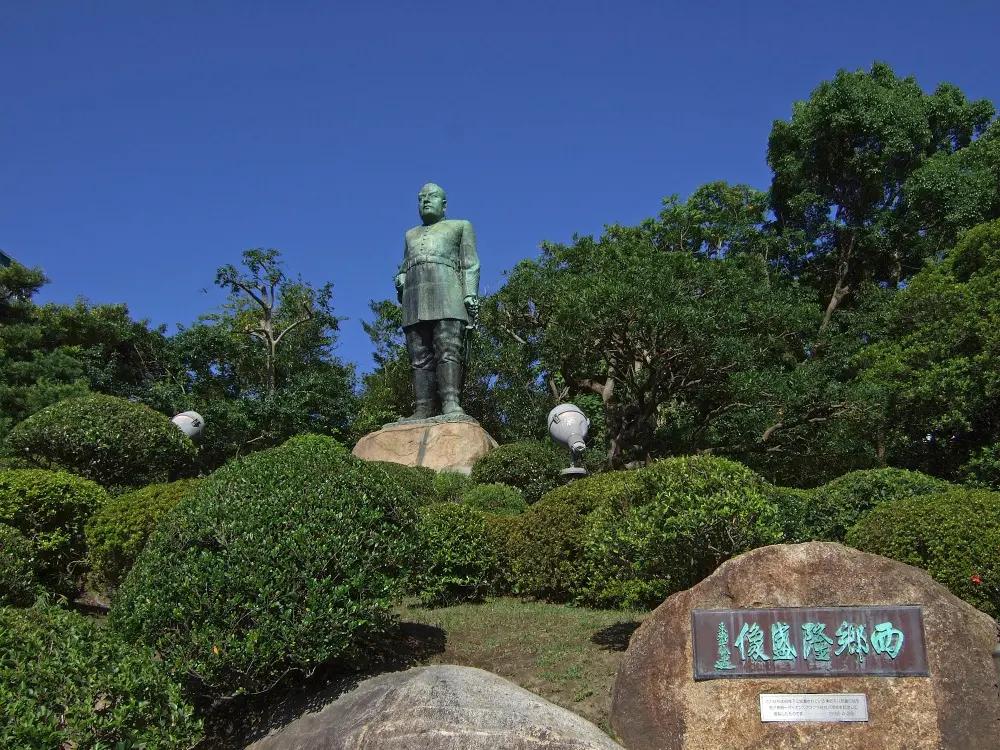
How the far south overthrew the shogun — and then mourned the man who did it
Read →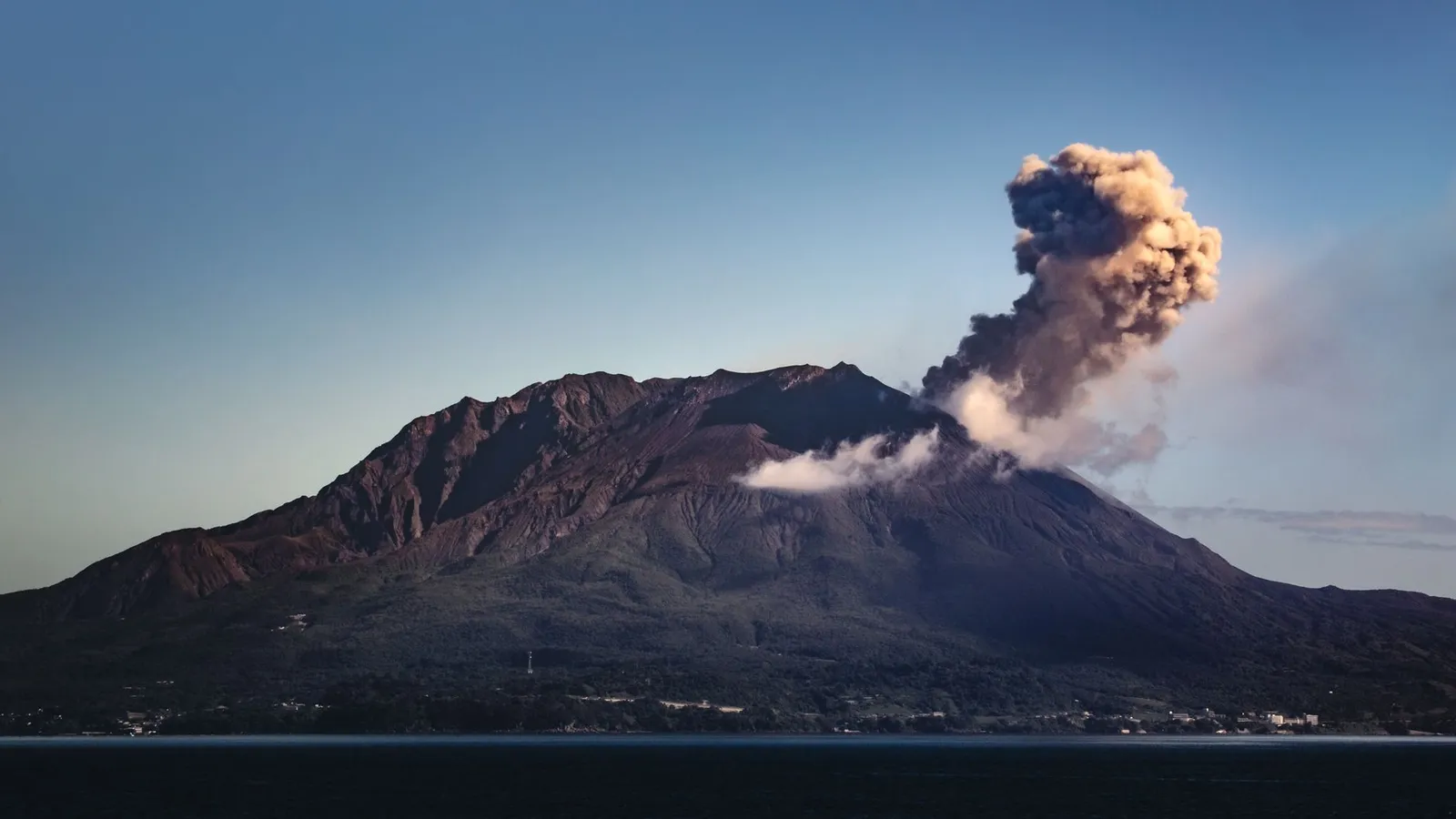
Six hundred thousand people, one erupting mountain, and a ferry that never stops
Read →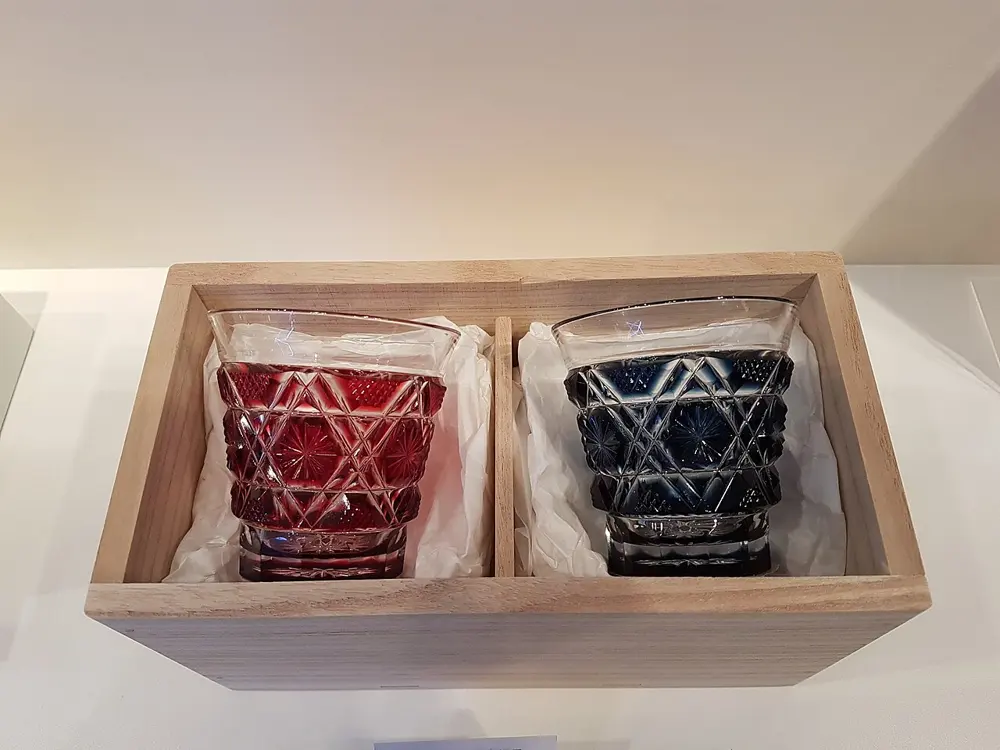
Glass that died for a century, and pottery made by prisoners of war
Read →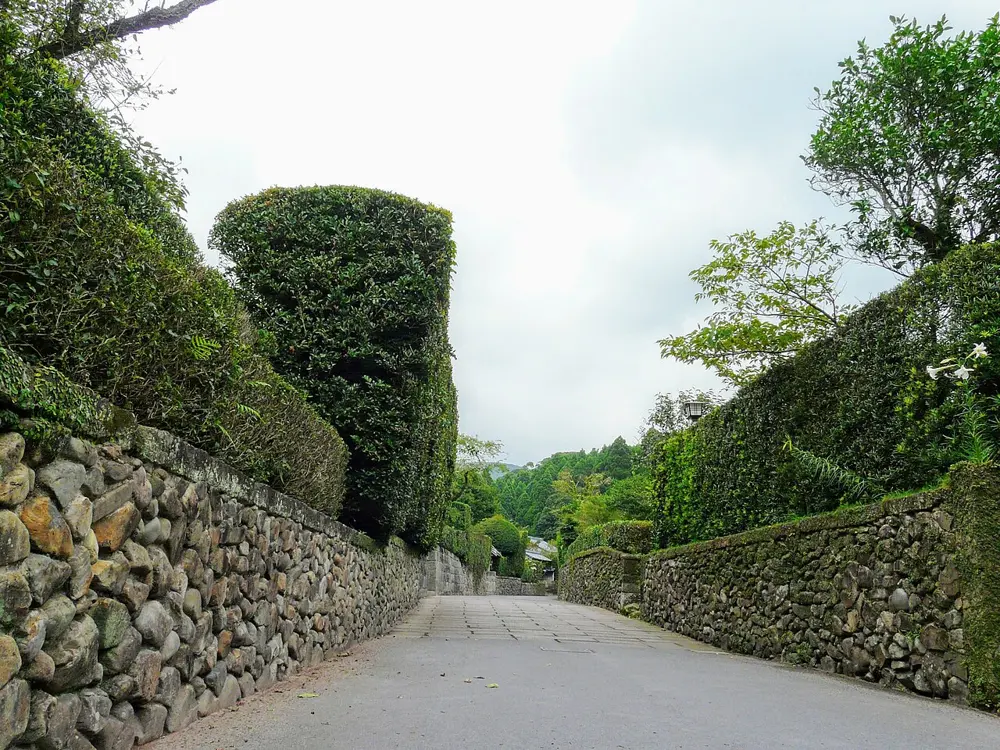
Samurai gardens, and the airfield the boys flew from
Read →No typing needed — jump straight in:
Just docked? — the gangway toolStart from your shipThe ride from every berthAsk the editorGlossary