Samurai gardens, and the airfield the boys flew from
A kilometre of hedged samurai lanes with borrowed mountains in their gardens — and, two kilometres away, a museum of farewell letters written by teenagers who did not come back. Both are Chiran. Go in that order.
Chiran is an hour and a quarter inland from Kagoshima, and it holds two things that most guidebooks handle badly by putting them in the wrong order or the wrong tone. So: the gardens first, the airfield second, tea at the end. That is the sequence, and I will explain why.
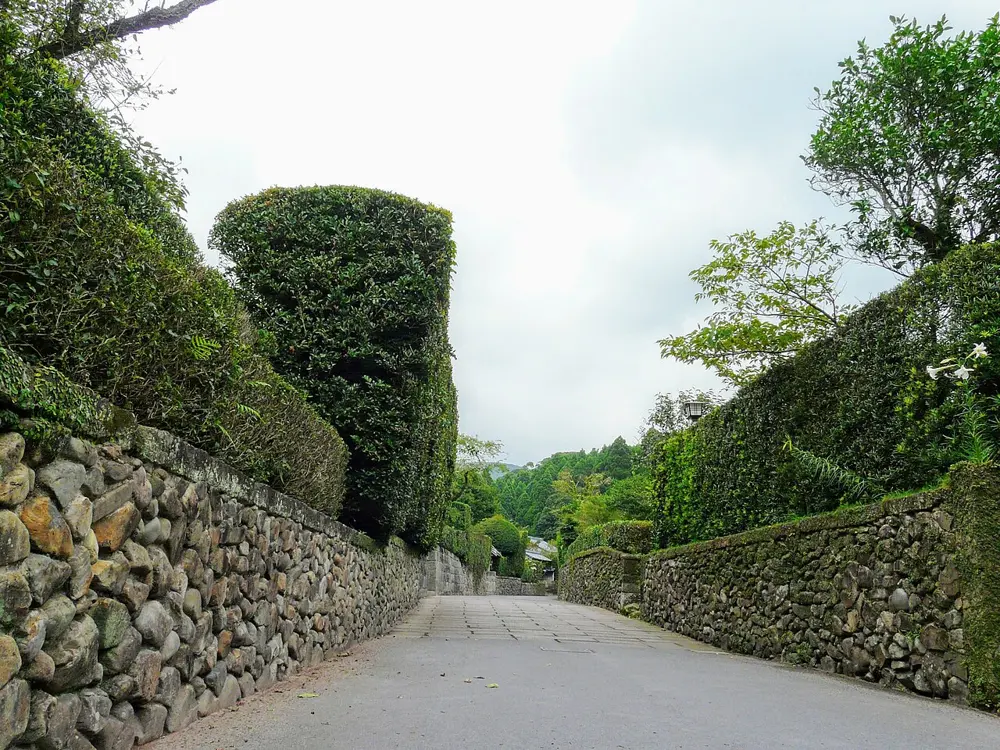
Satsuma dispersed its enormous samurai population into fortified villages called fumoto rather than concentrating them in a castle town. Chiran is the finest survivor — roughly a kilometre of stone walls topped with clipped hedges, gates, and residences laid out in the seventeenth and eighteenth centuries under the local Shimazu line. The buildings and gardens are around two hundred and fifty years old, and the district has been nationally protected since 1981.
Seven gardens are open. Six are dry landscape — karesansui — and one has a real pond with a miniature mountain. One admission of ¥530 covers all seven.
Three things make them unusual, and worth saying explicitly. First, these are mid-rank samurai gardens, not temple or daimyo gardens — an entire street of private warrior gardens surviving intact is close to unique in Japan. Second, every one of them borrows the Hahagatake mountain range into its composition, so the gardens are larger than their walls. Third — and this is the detail I love — the design carries Ryukyuan influence, because Chiran men served in Satsuma's Ryukyu trade and administration and brought Okinawan ideas home in their heads. The gardens are a physical record of a trade route.
Two kilometres away is the site of an Imperial Japanese Army airfield that became the principal army launching point for tokkō — special attack — sorties during the Battle of Okinawa in the spring of 1945.
A number needs correcting here, because most English pages get it wrong. 439 pilots flew from Chiran itself. The figure of 1,036 is the total number of Army special-attack airmen who died in the Okinawa campaign, and the museum displays photographs of all 1,036, arranged in the order in which they died. That is the source of the confusion, and the distinction matters. Of the Chiran dead, 335 were teenagers from the youth aviation programme.
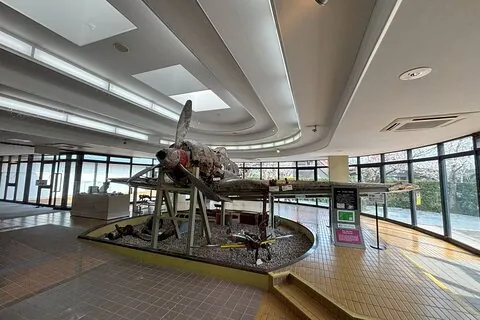
The museum holds their farewell letters, wills, poems and personal effects, four aircraft, and the grand piano on which two pilots played Beethoven's Moonlight Sonata the night before their final flight. Most visitors remember the piano.
Tome Torihama ran the restaurant where the pilots ate their last meals. Many entrusted her with their real letters — the uncensored ones. They called her the mother of the tokkō.
This is where a Japanese editor writing in English can be useful, so let me be direct about both halves.
The museum's stated mission is peace, and it is not a nationalist shrine — observers consistently note that the air here is far quieter and less triumphal than at Japan's more contested war museums. The focus is on individual young men's final words to their mothers. Many visitors, Japanese and foreign, leave in tears.
But it is also not neutral. Academic analyses argue it presents a selective narrative of heroic sacrifice and does not engage with the coercion that produced these deaths — how much choice an eighteen-year-old actually had, or what Japan was doing in the war these boys were sent to die for. In 2014 the city submitted 333 of the letters to UNESCO's Memory of the World Register; the advisory panel declined to recommend them after objections from China and South Korea.
Both of those things are true at once. Go, read the letters, and hold both.
The tea fields between the two sites are not a diversion — Minamikyūshū City, of which Chiran is part, produces more tea than any other municipality in Japan, and Kagoshima is the country's second tea prefecture after Shizuoka. Chiran-cha has taken the national competition's top ministerial award thirty-three times.
And because the southern climate is so mild, Chiran's first flush is the earliest in Japan — roughly a month ahead of everywhere else. The new tea year starts here. Ending the day with a cup of it, somewhere quiet, is the right way to leave.
Buses from Kagoshima-Chūō Station take about 75 minutes and cost ¥1,110, but they run only every one to two hours, and the return schedule is sparse. On a cruise call this is genuinely dangerous to improvise: missing the afternoon bus can cost you your ship. Chiran is a guided-tour destination for port days, and the tours exist precisely because of that timetable.
Laid out under the 18th lord of the Chiran-Shimazu line
One of the seven that survive today
439 pilots depart from here during the Battle of Okinawa
The woman who fed the pilots raises donations for their memorial
On the former airfield; enlarged in 1985
Designated an Important Preservation District, ~18.6 hectares
333 farewell letters; the advisory panel does not recommend them
The bus timetable makes this a guided-tour destination on a port day. Gardens first, museum second, tea last — the order matters.
439 special-attack pilots departed from Chiran airfield itself. The often-quoted figure of 1,036 is the total number of Japanese Army special-attack airmen who died in the Okinawa campaign — the museum displays photographs of all 1,036, which is where the confusion comes from. Of the Chiran dead, 335 were teenagers from the youth aviation programme.
Yes, and it is quieter and less nationalistic than visitors often expect — the focus is on individual young men's farewell letters rather than on justifying the war. It is worth knowing that scholars also criticise it for not engaging with how little choice those men had, or with Japan's conduct in the war. Both things are true; go and form your own view.
Only with a tour or a firm private transport arrangement. Buses from Kagoshima-Chuo Station take about 75 minutes and run every one to two hours, and the return schedule is sparse — improvising it can cost you your ship. Guided half-days exist precisely because of that timetable.
Seven private gardens along a kilometre of hedged, stone-walled samurai street laid out in the 17th and 18th centuries — six dry-landscape and one with a pond, all borrowing the Hahagatake mountains into their compositions, with visible Ryukyuan design influence. One ¥530 ticket covers all seven.
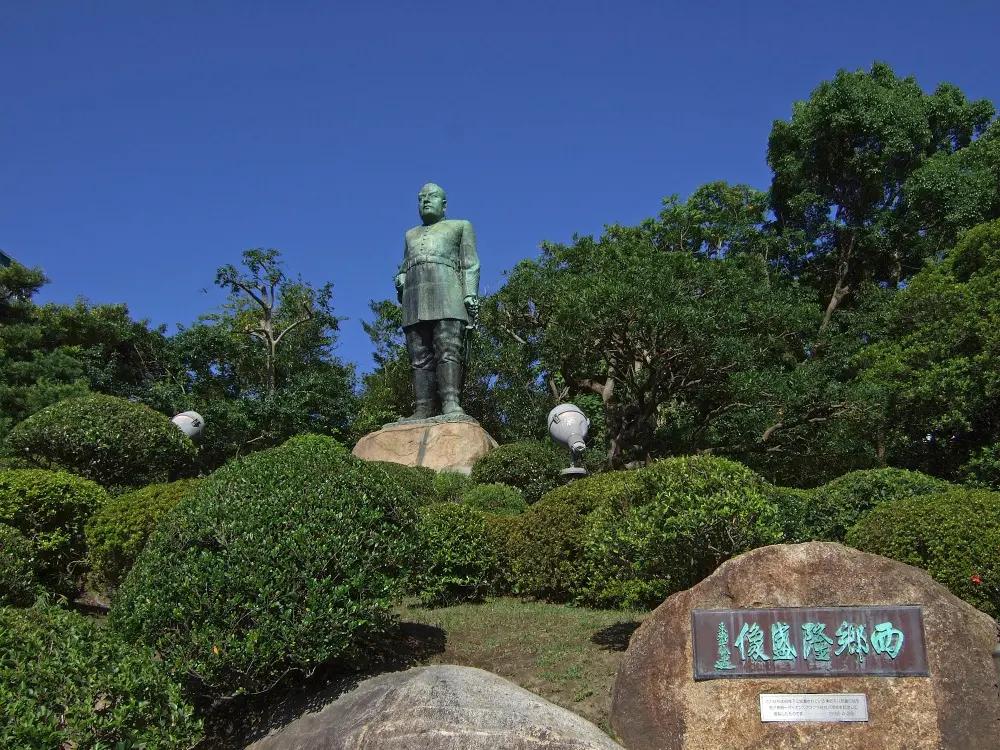
How the far south overthrew the shogun — and then mourned the man who did it
Read →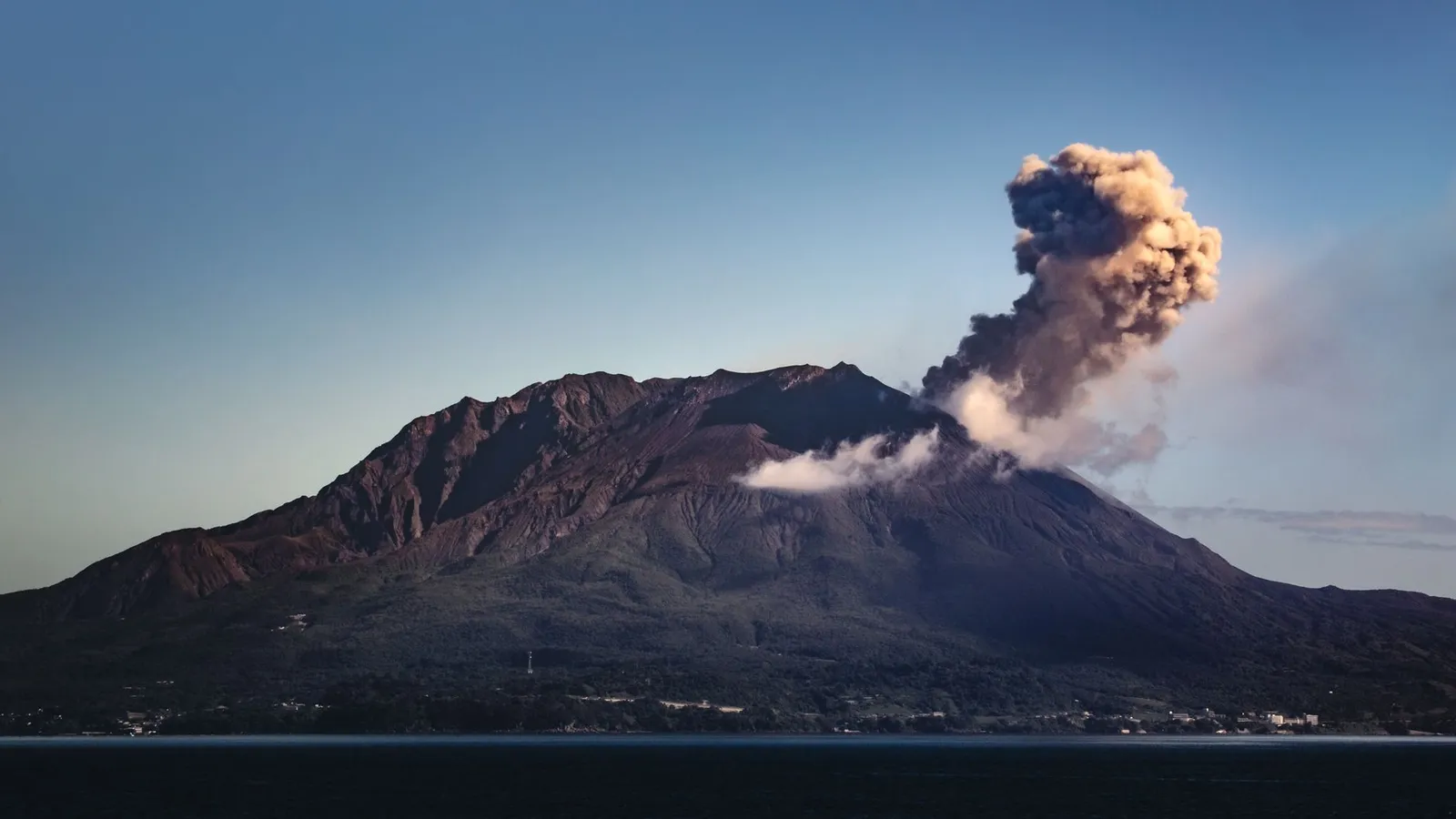
Six hundred thousand people, one erupting mountain, and a ferry that never stops
Read →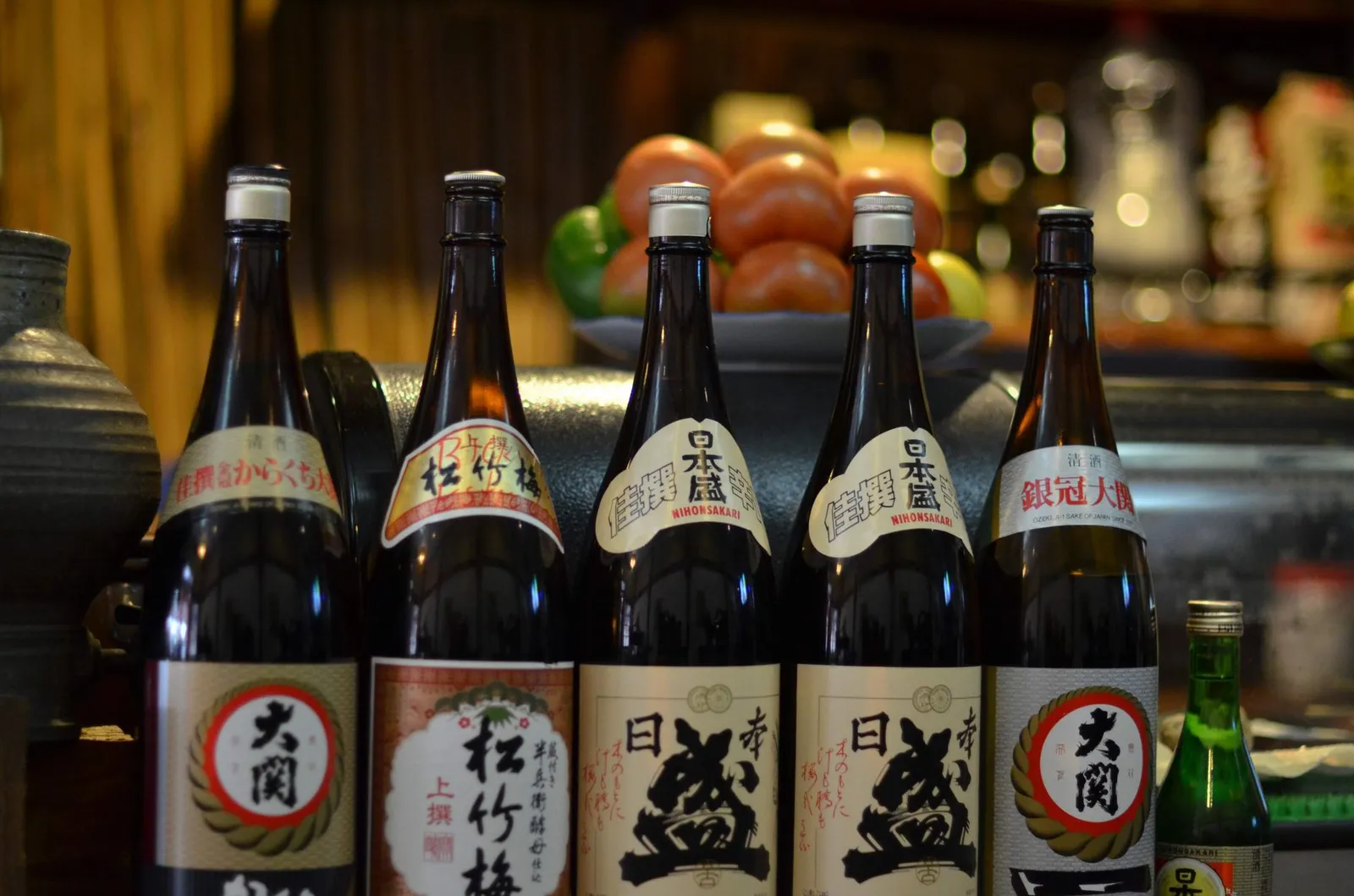
Not sake. Not soju. The spirit a volcano made inevitable
Read →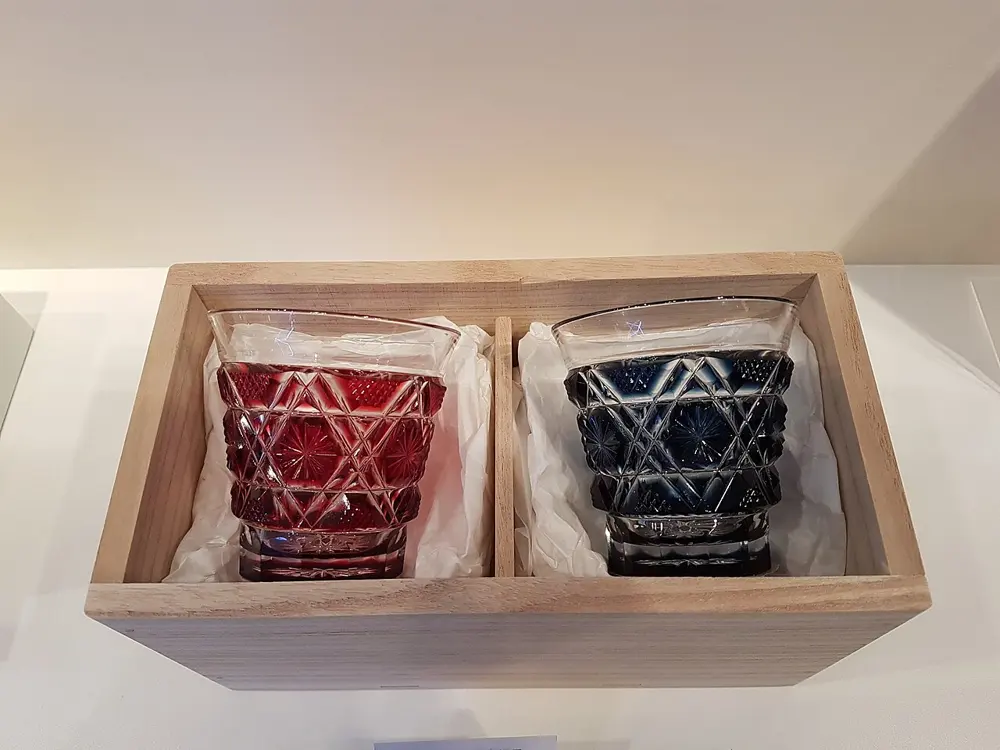
Glass that died for a century, and pottery made by prisoners of war
Read →No typing needed — jump straight in:
Just docked? — the gangway toolStart from your shipThe ride from every berthAsk the editorGlossary