How the far south overthrew the shogun — and then mourned the man who did it
Britain shelled this city in 1863 and achieved nothing except an alliance. Two boys from one narrow lane went on to build modern Japan and to destroy each other. Kagoshima has never entirely got over either event.
Kagoshima sits at the far southwestern tip of the Japanese mainland, about as distant from the old capital as a domain could be. That distance is the beginning of everything. The Shimazu clan held this territory from 1185 until 1868 — nearly seven centuries, one of the longest unbroken tenures in Japanese history — and ruled the second-largest domain in the country.
They were also unusually full of samurai. The national average was roughly one warrior to ten commoners; in the Satsuma heartland it ran closer to one in three or four. And rather than concentrating them in a castle town, the domain scattered them into fortified martial villages called fumoto — over a hundred of them — with broad streets, hedged compounds and space to practise archery in the morning. From boyhood the sons were taught in neighbourhood academies called gojū, where older children drilled the younger ones.
A poor, distant, absurdly militarised province with its own foreign trade route. When Japan cracked open, this is where the crack started.
The trade route mattered too. Satsuma conquered the Ryukyu Islands in 1609 and kept them nominally independent so their tribute trade with China could continue — which gave the domain quiet, deniable access to the outside world for the entire two centuries Japan was supposedly closed.
In September 1862, a British merchant named Charles Lennox Richardson failed to withdraw from the roadside procession of the Satsuma lord's father and was cut down by his retainers. Britain demanded reparations and the surrender of the killers. Satsuma declined.
On 15 August 1863, seven Royal Navy warships under Vice-Admiral Kuper entered Kinkō Bay. They opened by seizing three Satsuma steamers and burning them, then bombarded the city for two days. Roughly five hundred houses burned — about five percent of the urban area. The British lost 13 men, including the flagship's captain and commander, killed by a single shell. Satsuma lost five.
Then the strangest thing happened. Satsuma eventually paid the £25,000 — with money borrowed from the shogunate, which it never repaid, because the shogunate fell five years later. It never handed over the killers. And it came out of the whole affair convinced that Britain was worth having as a friend rather than an enemy. Within two years Britain was supplying Satsuma with warships.
On 17 April 1865, nineteen people boarded a steamer at a small port up the coast and left Japan illegally — leaving the country was a capital offence — under false names issued by their own domain. Fifteen were students. The youngest was thirteen; the oldest thirty-two.
Most enrolled at University College London. Mori Arinori, seventeen at the time, became Japan's first Minister of Education and was assassinated in 1889. Godai Tomoatsu founded the Osaka Chamber of Commerce and is remembered as the father of Osaka business. Terashima Munenori became Foreign Minister. And the thirteen-year-old, Nagasawa Kanaye, never came home at all: he ended up in California and died known as the Grape King, running a winery in Santa Rosa.
He was born in 1828 on a narrow lane called Kajiya-chō, into a low-ranking samurai family with money troubles. He grew to about 182 centimetres in an era when the average Japanese man stood around 155 — contemporaries reached for the word Herculean.
His life reads like fiction and is documented fact. Promoted to attend the reformist lord Shimazu Nariakira, then devastated by his death in 1858. A double suicide attempt in Kagoshima Bay with the monk Gesshō that November — Gesshō drowned; Saigō was pulled out alive. Two exiles, the second of which began with six months in an open outdoor cage. Then the return, the alliance that toppled the shogunate, and in April 1868 the negotiation with Katsu Kaishū that surrendered Edo Castle without a battle, sparing Tokyo a siege.
And then he lost an argument. In 1873 he proposed going to Korea himself as an envoy — expecting to be killed, and to provide a pretext. Ōkubo Toshimichi argued for internal reform first, and won. Saigō resigned every post and went home.
In 1874 he founded private academies in Kagoshima that were, in practice, a standing army of disaffected samurai. In February 1877 he marched on Tokyo with about twelve thousand men. Seven months later he was back here with roughly five hundred, on the hill called Shiroyama, facing thirty thousand imperial troops.
He spent his final days in a small cave partway up the hill, still issuing orders. On the evening of 23 September the government demanded unconditional surrender; the reply was silence, and the bombardment ran all night. At four in the morning on 24 September 1877, the assault came. Saigō was mortally wounded as he left the cave. His lieutenant Beppu Shinsuke carried him downhill, acted as his second, and then led the last men in a charge and was shot dead.
Imperial losses: thirty. Satsuma: annihilated. The samurai era ended on a hill you can see from the ferry terminal.
He was pardoned in 1889 — twelve years after dying as a declared traitor, in the amnesty that marked Japan's first constitution.
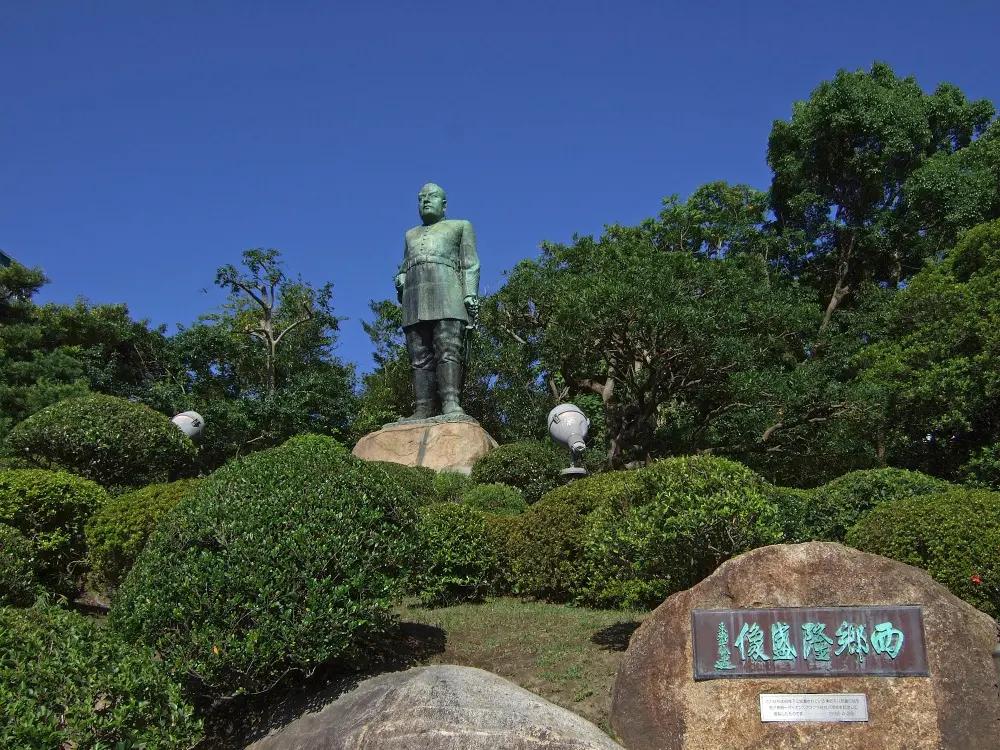
Because he gave Tokyo away without a fight, and then died for the class that his own revolution had destroyed. Japan has a particular affection for the sincere failure — makoto over success — and Saigō is its central example. The Tokyo statue, unveiled in 1898, deliberately shows him in a plain yukata walking his dog. The Kagoshima statue, completed in 1937 after eight years' work by a sculptor who also made Hachikō, shows him in the uniform of Japan's first army general, facing the city with Shiroyama behind him.
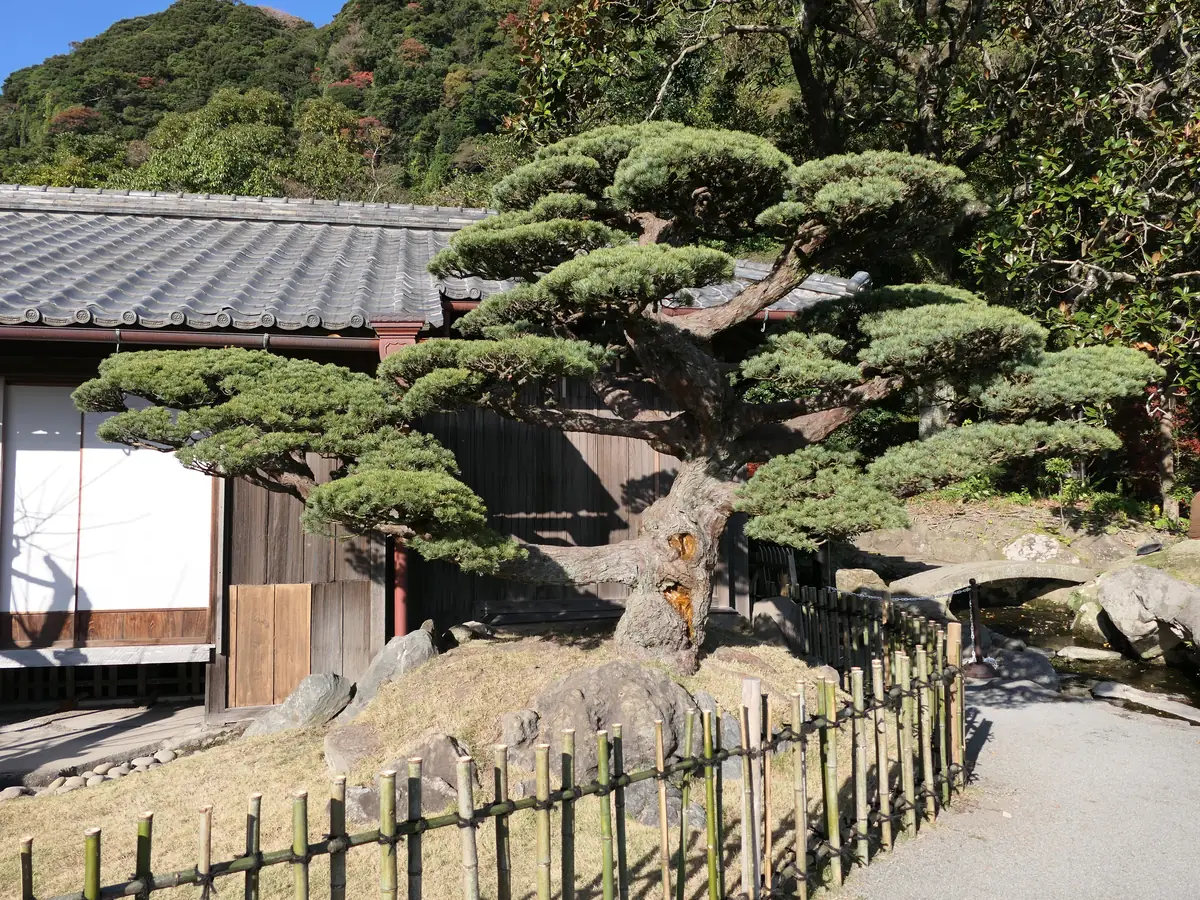
Sengan-en, the Shimazu villa garden of 1658, with Sakurajima borrowed as its centrepiece. Beside it the Shōko Shūseikan, the clan's industrial museum, in a stone machinery factory completed in 1865 — part of a UNESCO World Heritage listing since 2015. The Museum of the Meiji Restoration on the river in Kajiya-chō, where both men grew up. And Shiroyama: the cave, the observation deck, and the statue below.
A tenure that will last until 1868 — nearly seven centuries
A back door to Chinese trade throughout Japan's closed centuries
A British merchant is killed on the highway; Britain demands redress
Two days, ~500 houses burned, no decisive result — and an alliance follows
The youngest is thirteen; several return to build the modern state
Signed in secret in Kyoto; Sakamoto Ryōma endorses it in vermilion ink
Saigō and Katsu Kaishū negotiate; Tokyo is spared
24 September: ~500 against 30,000. Saigō dies and the samurai era ends
Twelve years on, in the amnesty marking the Meiji Constitution
Sengan-en, Shiroyama and the Restoration museum form one loop through the whole story. Guided versions handle the transfers, which is most of the difficulty.
A low-ranking Kagoshima samurai who became a central architect of the 1868 Meiji Restoration — including negotiating the bloodless surrender of Edo Castle — then resigned over policy, led the 1877 Satsuma Rebellion against the government he had built, and died on Shiroyama hill above Kagoshima with about five hundred men against thirty thousand.
Loosely. Ken Watanabe's character draws on Saigō and the Satsuma Rebellion, while Tom Cruise's character is based on Jules Brunet, a French officer who had actually left Japan years before Shiroyama. The 1877 events in Kagoshima are real; the American is not.
To force reparations after a British merchant was killed on the highway near Yokohama in 1862 by Satsuma retainers. Seven warships shelled the city for two days in August 1863, burning around five percent of it. The result was militarily inconclusive — and Satsuma, impressed, went on to become Britain's ally.
Sengan-en, the 1658 Shimazu garden with Sakurajima as its borrowed scenery; the Shōko Shūseikan industrial museum beside it, part of a 2015 UNESCO listing; the Museum of the Meiji Restoration in the lane where both Saigō and Ōkubo were born; and Shiroyama, with Saigō's cave and the statue below.
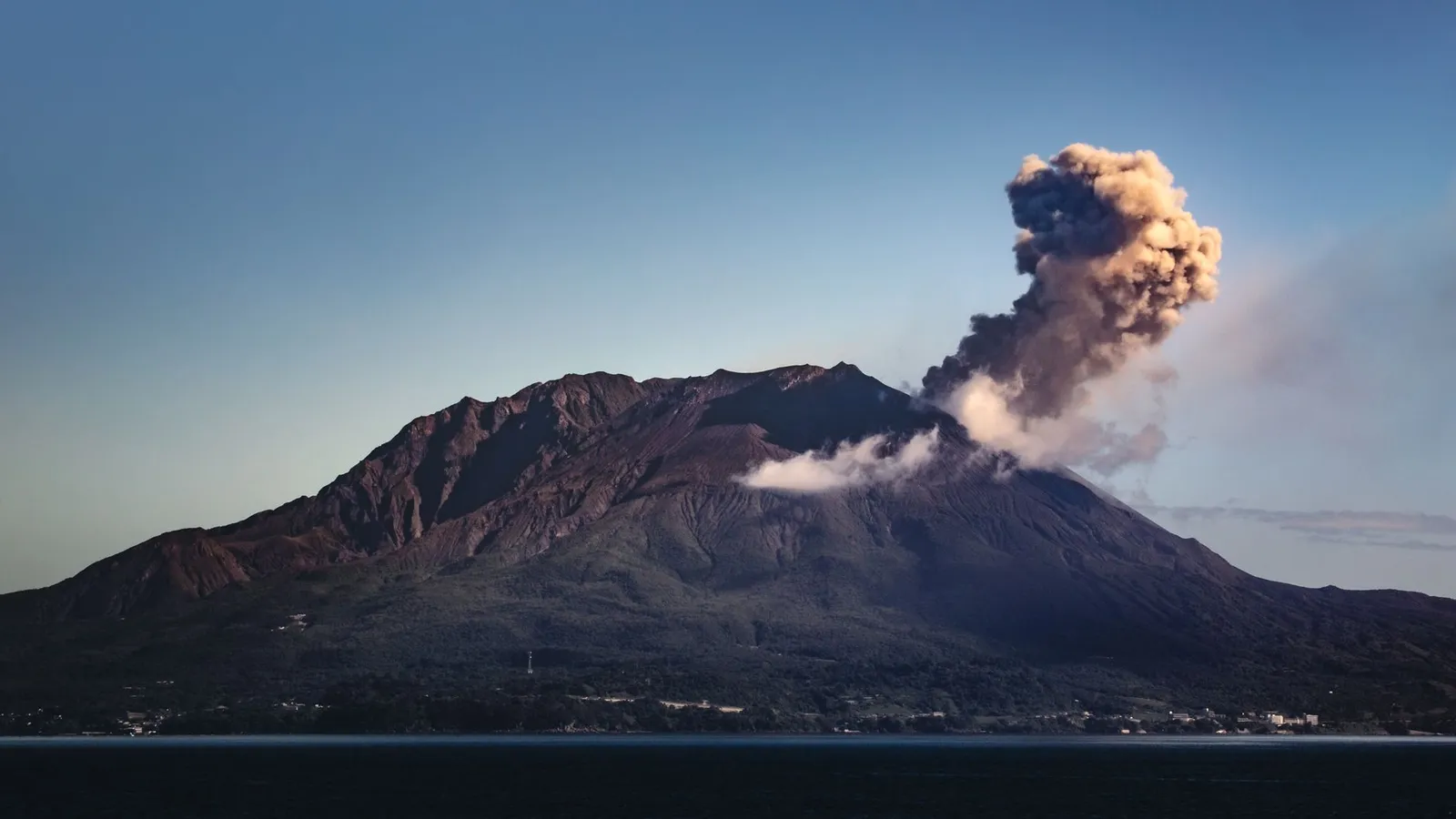
Six hundred thousand people, one erupting mountain, and a ferry that never stops
Read →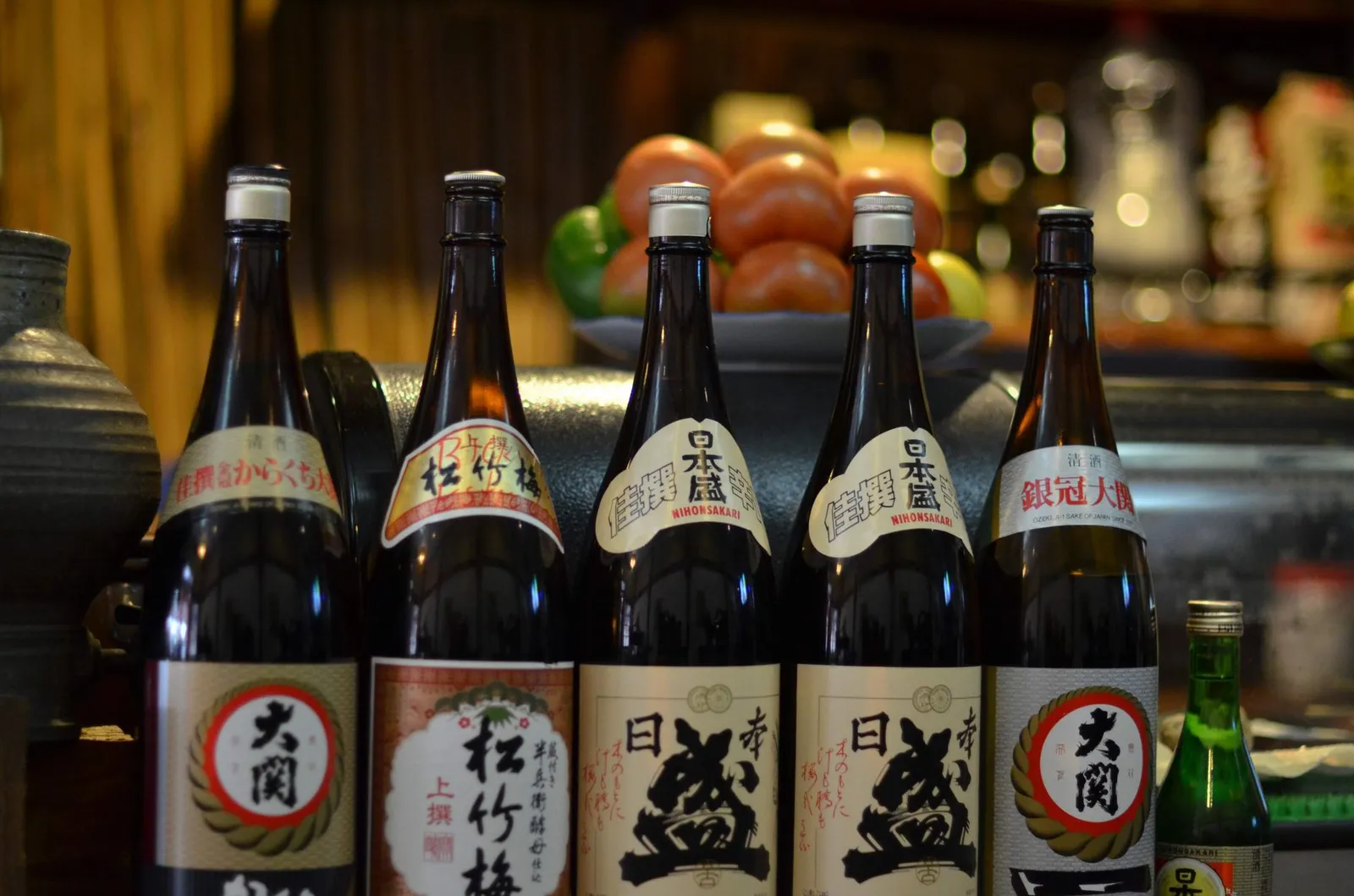
Not sake. Not soju. The spirit a volcano made inevitable
Read →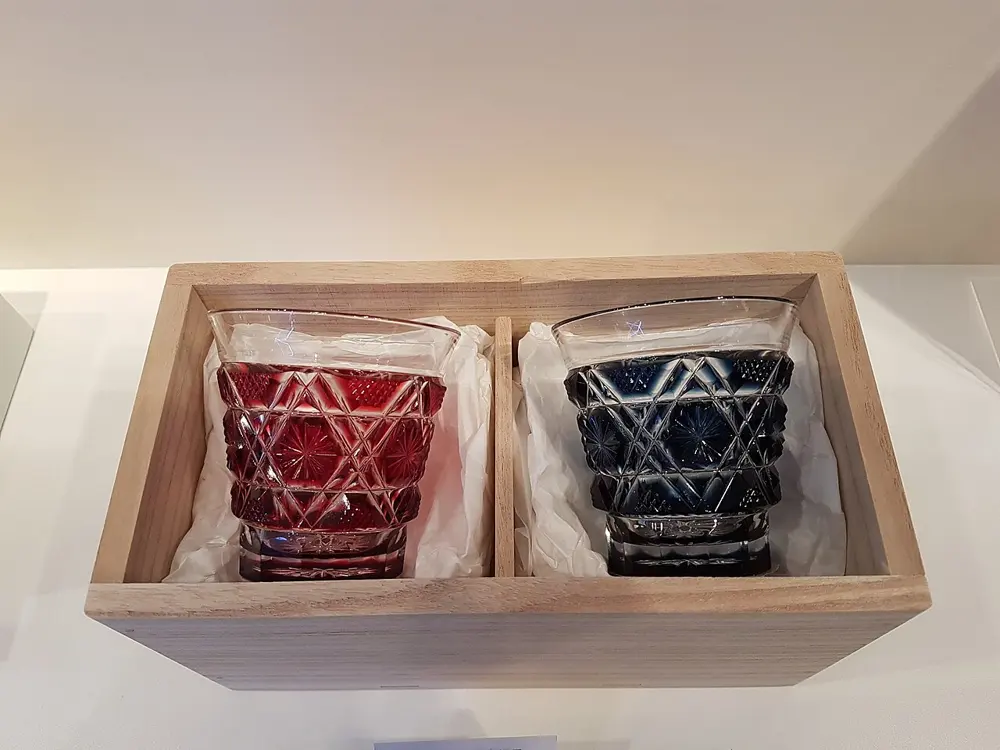
Glass that died for a century, and pottery made by prisoners of war
Read →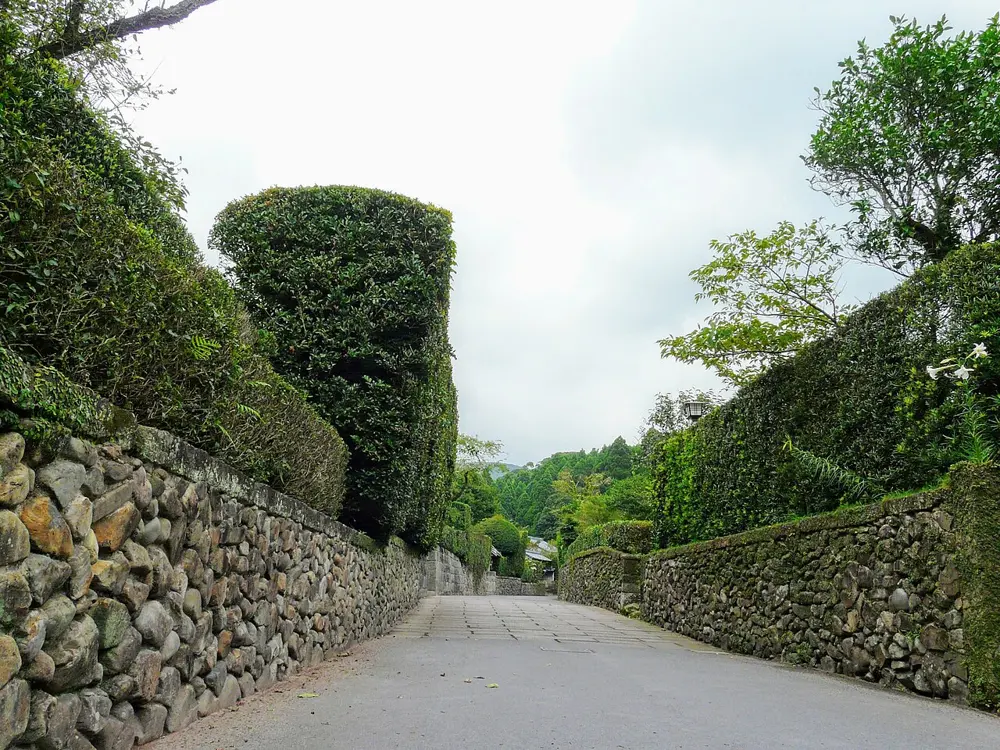
Samurai gardens, and the airfield the boys flew from
Read →No typing needed — jump straight in:
Just docked? — the gangway toolStart from your shipThe ride from every berthAsk the editorGlossary