Glass that died for a century, and pottery made by prisoners of war
One craft was killed by a British bombardment and rebuilt in 1985 by reverse-engineering museum specimens. The other was founded by Korean potters brought here against their will in 1598, and their descendants are still working.
Most Japanese cut glass is a folk craft. This one was state industry. Shimazu Nariakira, the reformist lord who also built reverberatory furnaces to cast cannon, developed Satsuma kiriko from around 1851 as part of the same modernisation programme. Glass for prestige and export, made in the same complex as the artillery.
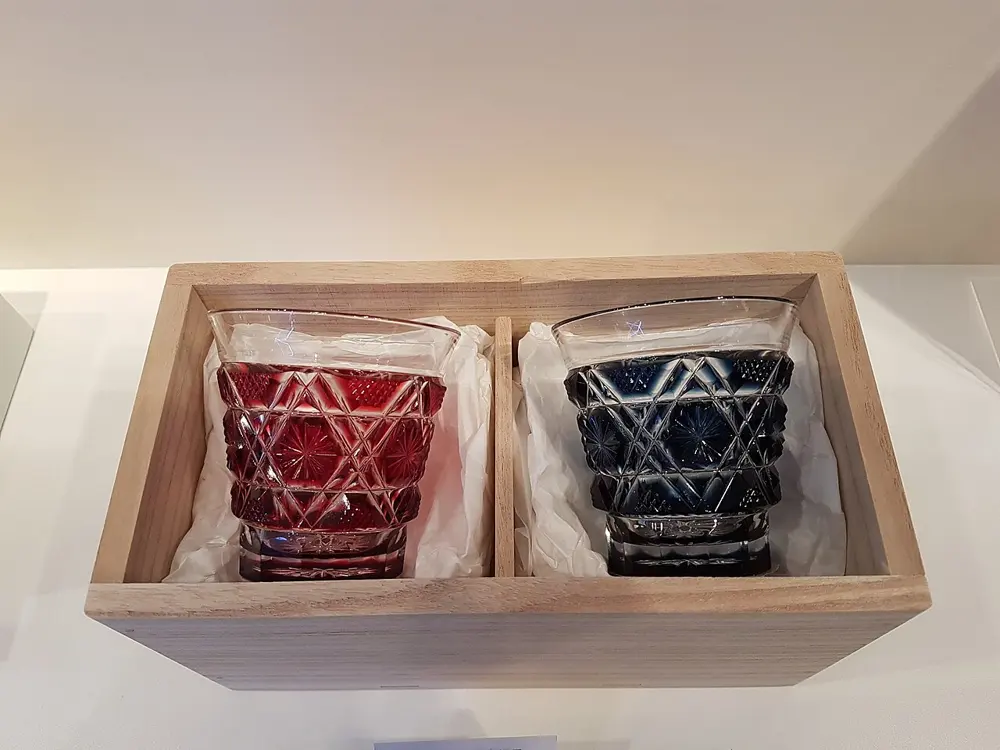
The defining technique is iro-kise: a layer of coloured glass fused over a clear crystal body — and here, unusually, one to three millimetres thick, far heavier than any other Japanese cut glass. When the cutter works through it, the depth of each cut controls how much colour survives. Shallow cuts read dark; deep cuts read pale.
The result is a gradient bleeding out of every line — bokashi. No other cut glass in Japan does this, because no other has a colour layer thick enough to grade.
Set it beside Edo kiriko from Tokyo and the difference is immediate: Edo has a thin colour layer and sharp angular geometry with hard contrast. Satsuma is heavy, its cuts deeper and rounder, and its edges dissolve rather than snap.
Nariakira died in 1858. The glass works was damaged in the 1863 British bombardment. The Meiji Restoration then abolished the domain patronage that had funded the whole enterprise. Production ceased entirely, and the technique was lost.
It stayed lost for over a century. Then in 1985 a restoration project began — and this is the part I find remarkable — craftsmen and researchers reverse-engineered the method from surviving nineteenth-century pieces held in the Shōko Shūseikan museum. They measured forms and patterns, read the cut marks to infer the original tools, and tested raw materials, firing temperatures and forming methods until the results matched the specimens. A dead craft was reconstructed from its own museum cabinet.
You can watch it being cut today at the gallery at Sengan-en, in a Western-style building of 1909 run directly by the works. Workshop experiences run around US$70 with advance booking; finished professional pieces routinely pass US$1,000. The signature colour is a deep gold-ruby red, historically the hardest and most expensive to make.
The other tradition begins with a darker fact, and it should be told plainly. At the close of Hideyoshi's invasions of Korea, around 1598, the Satsuma lord Shimazu Yoshihiro brought roughly eighty Korean potters back with him. They were prisoners of war, resettled in villages and given craftsman status. Kyushu's great ceramic traditions — Satsuma, Arita, Hagi, Karatsu — all begin this way. The campaigns are sometimes called the pottery wars.
What they built split into two families of ware, and the split is the shape of Satsuma society in clay. Shiro-Satsuma, "white Satsuma," is soft ivory crackle glaze minutely painted in enamel and gold, sometimes pierced with openwork — reserved for the daimyo. It stunned Europe at the 1867 Paris Exposition and became the "Satsuma ware" collected in the West. Kuro-Satsuma, "black Satsuma," is dark, iron-glazed, thick and unshowy: the commoners' ware. It is also the material of the kurojoka, the black kettle in which shōchū is warmed.
The Chin Jukan line descends from Shim Dang-gil, brought to Kagoshima in 1598. The kiln at Miyama was founded that year and the family has worked it ever since — fifteen generations, over four hundred and twenty years. The fourteenth Chin Jukan died in 2019; the fifteenth heads it now, and was the first of the Japanese branch to visit the clan's ancestral shrine in Korea.
They have kept the Korean surname for four centuries in a country that has not always made that easy. Miyama village, roughly thirty to forty minutes west of the city, holds their kiln and a dozen more in one walkable hamlet.
Around eighty, as prisoners of the Korean campaigns; the Miyama kiln is founded
State industry under Shimazu Nariakira, alongside the cannon foundry
The patronage that funded the glass begins to unravel
The glass works is damaged; production later ceases and the technique is lost
White Satsuma ware astonishes Europe and enters Western collections
Reconstructed from surviving pieces held in the Shōko Shūseikan
The 15th generation continues a kiln founded in 1598
The kiriko gallery and workshop sit inside Sengan-en, so the garden visit covers both. Miyama's kilns need a car and half a day.
Satsuma kiriko has a colour layer one to three millimetres thick, so cutting through it produces a soft gradient — bokashi — around every line. Edo kiriko from Tokyo uses a thin colour layer and sharp angular geometry with hard contrast. Satsuma is heavier, rounder and shadowed; Edo is crisp and graphic.
Its patron lord died in 1858, the works was damaged in the 1863 British bombardment, and the Meiji Restoration removed the domain funding entirely. Production stopped and the technique was lost for over a century. In 1985 craftsmen reconstructed it by reverse-engineering surviving nineteenth-century pieces held in the Shoko Shuseikan museum.
From roughly eighty Korean potters brought to Satsuma as prisoners around 1598, at the close of Hideyoshi's Korean invasions. They founded the kilns at Miyama and elsewhere; the Chin Jukan family has worked the same kiln for fifteen generations and still carries its Korean surname.
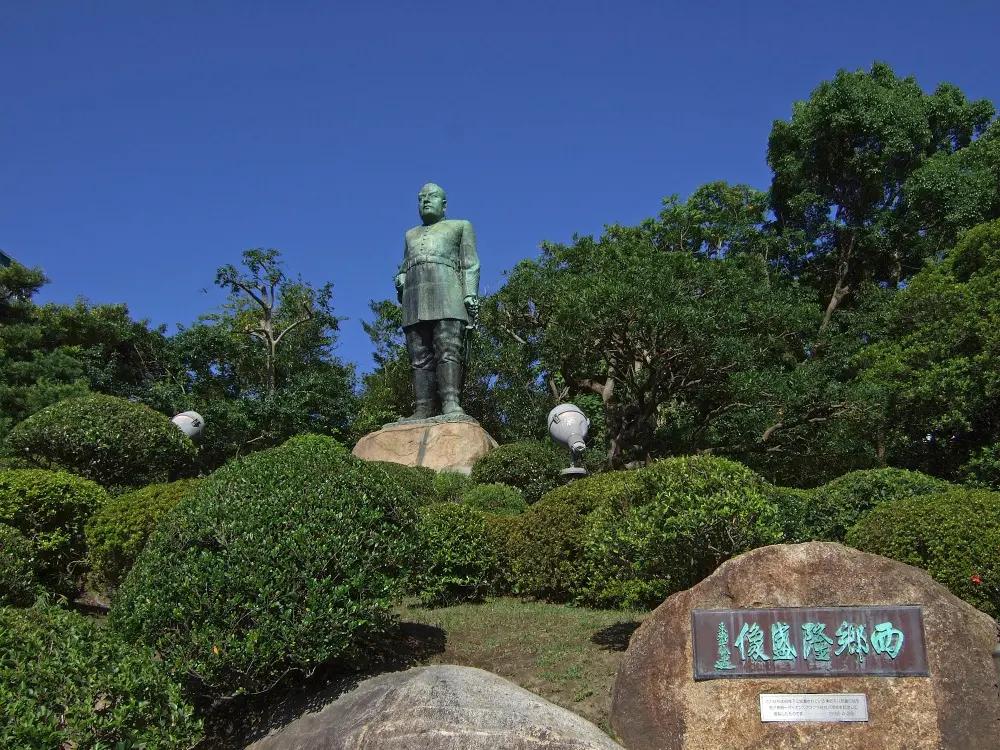
How the far south overthrew the shogun — and then mourned the man who did it
Read →
Six hundred thousand people, one erupting mountain, and a ferry that never stops
Read →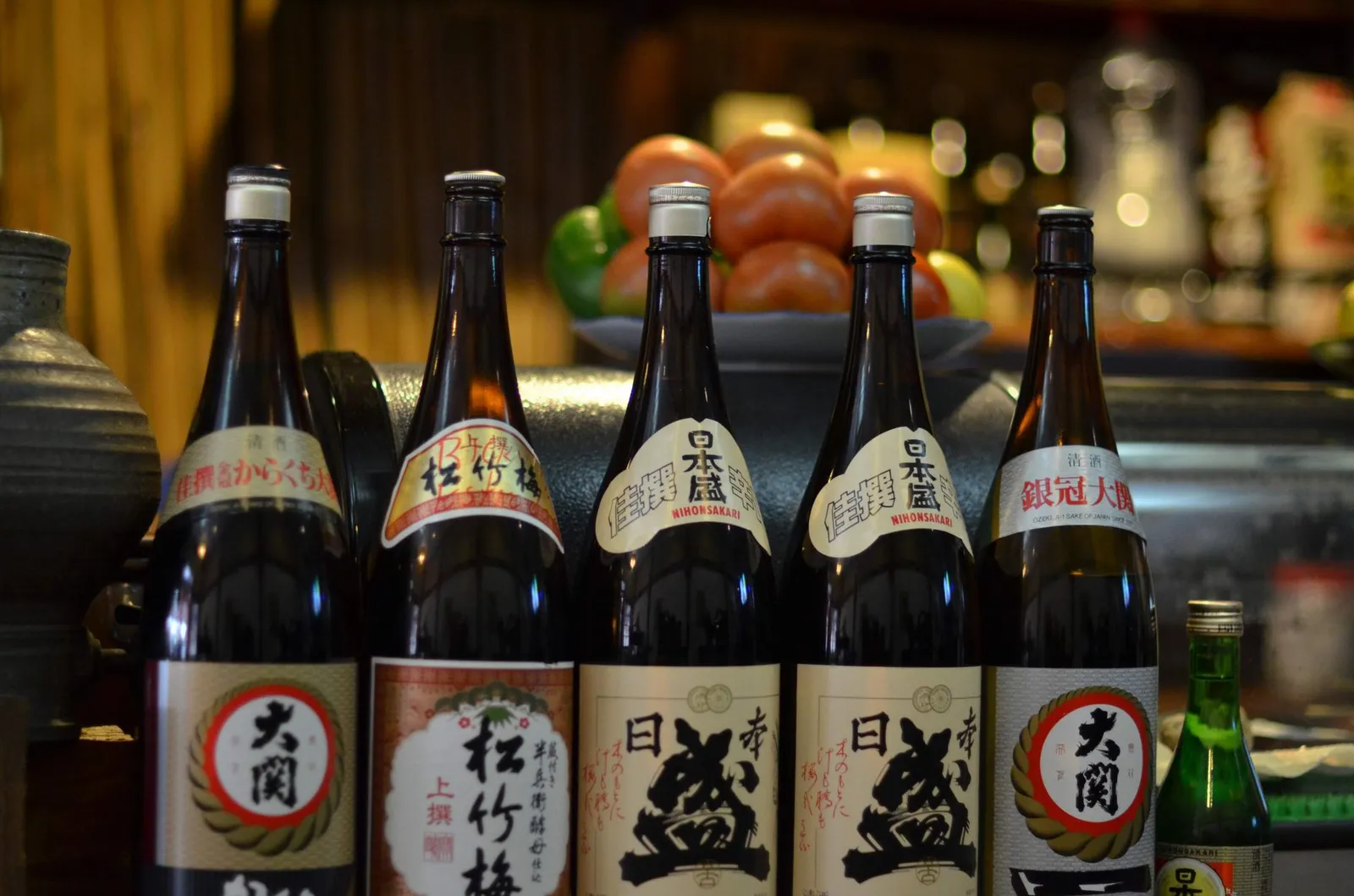
Not sake. Not soju. The spirit a volcano made inevitable
Read →
Samurai gardens, and the airfield the boys flew from
Read →No typing needed — jump straight in:
Just docked? — the gangway toolStart from your shipThe ride from every berthAsk the editorGlossary