PORT OF JAPAN
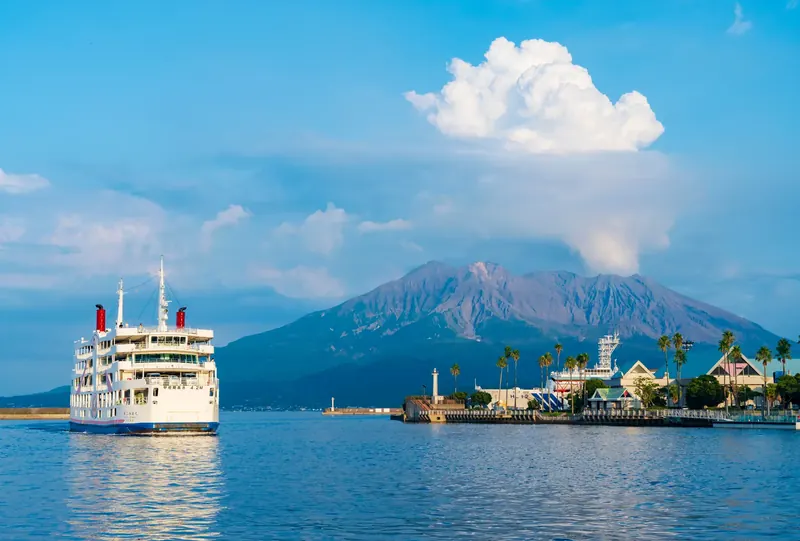
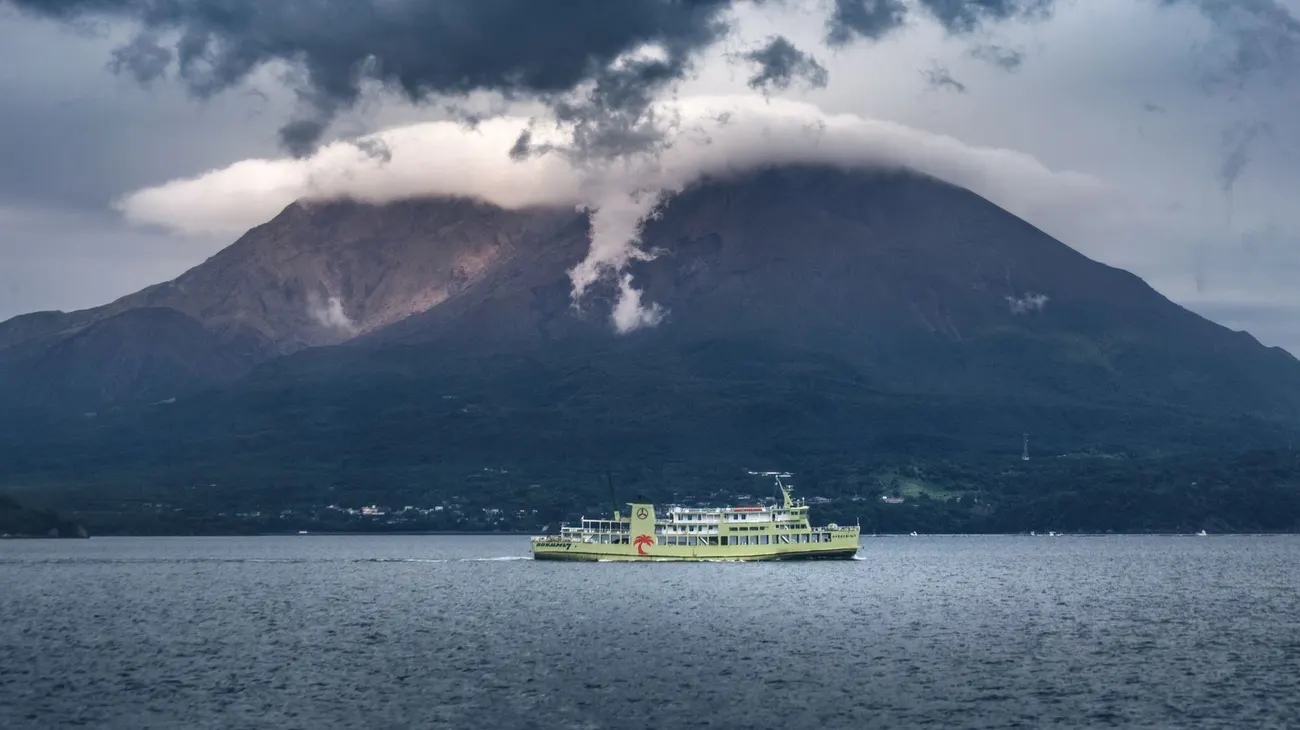
Sakurajima volcano looming over Kagoshima city at blue hour

Home / Ports / Kagoshima / Culture

Culture & history · Kagoshima

Why Kagoshima is Kagoshima

The things that happened here and only here, told properly, then tied to what you can see, taste and book while your ship waits.

Photo: Adobe Stock / Licensed

Checked against official sources · updated · Takumi Yamada

What Kagoshima is

Kagoshima in 5 stories

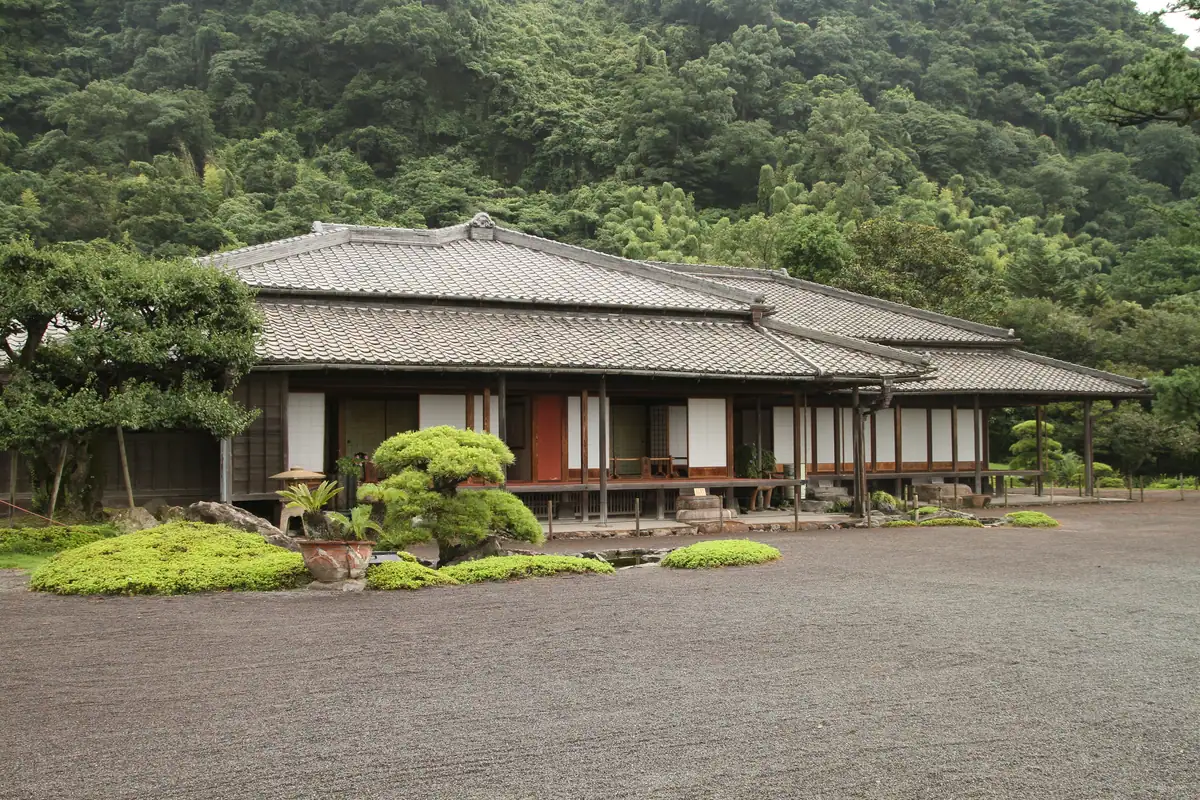
Kagoshima is a bay city of 600,000 in Japan's far south, built facing Sakurajima, an active volcano that erupts a couple of hundred times a year. The city takes it calmly: children walk to school in hard hats, ash goes out in yellow bags, and a ferry crosses to the mountain every 20 minutes. Sengan-en, the lords' garden of 1658, borrows the volcano as its scenery, and big ships dock at Marine Port, 7–8 km south of the centre.

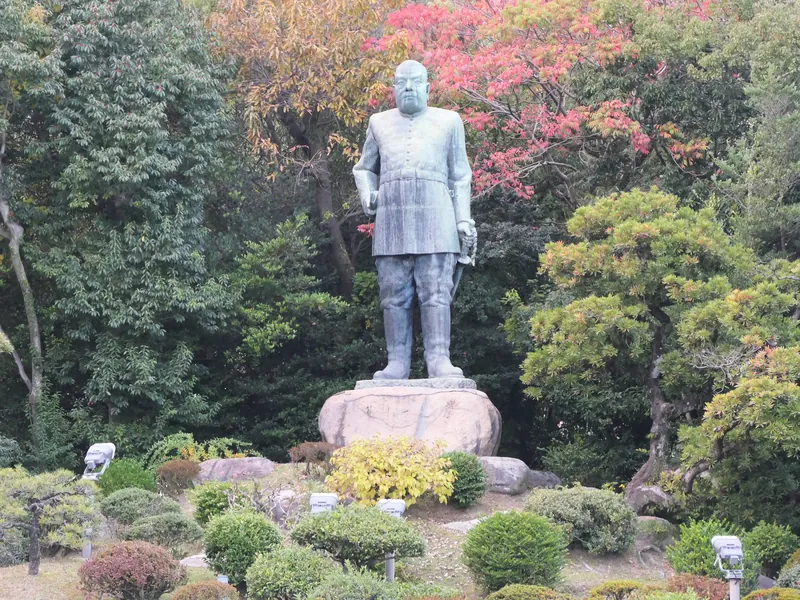
The bronze statue of Saigo Takamori in Kagoshima
01 · The history

Satsuma

Britain shelled this city in 1863 and achieved nothing except an alliance. Two boys from one narrow lane went on to build modern Japan and to destroy each other. Kagoshima has never entirely got over either event.

Read the story
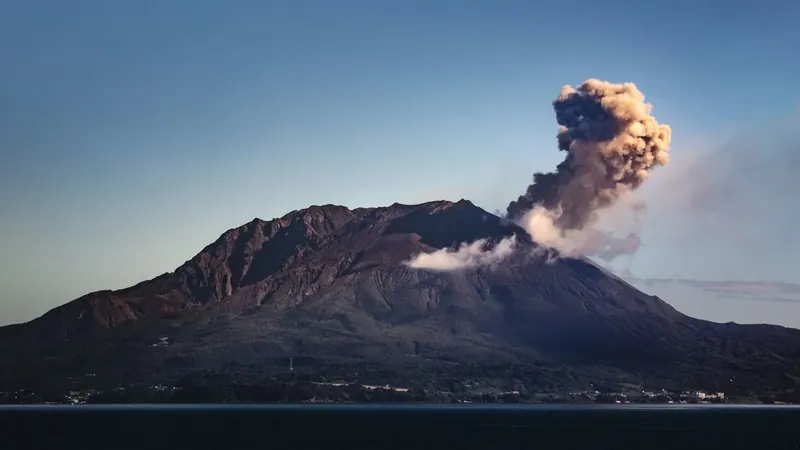
Sakurajima erupting with an ash plume above Kagoshima Bay
02 · The volcano

Sakurajima

It erupts a couple of hundred times a year. Children walk to school in hard hats, ash goes out in yellow bags like recycling, and a city ferry crosses to the mountain every 15–20 minutes from before dawn to almost midnight — the famous around-the-clock service ended in 2025.

Read the story
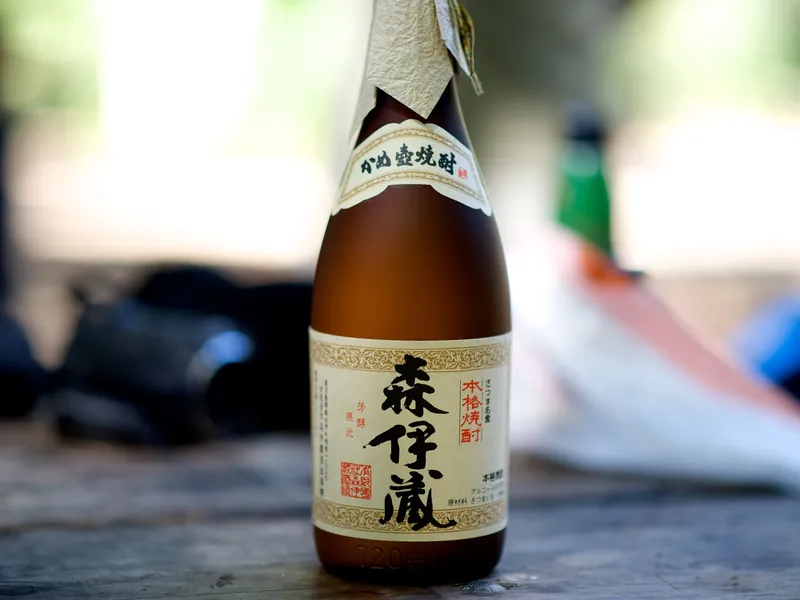
Shochu bottles from Satsuma Shuzo, a Kagoshima distiller, on display
03 · The drink

Shōchū

Kagoshima has no meaningful sake tradition, because the soil that grows a volcano does not grow good rice. It grows sweet potatoes — and around 113 distilleries turning them into something Scotland would recognise as a protected regional spirit.

Read the story
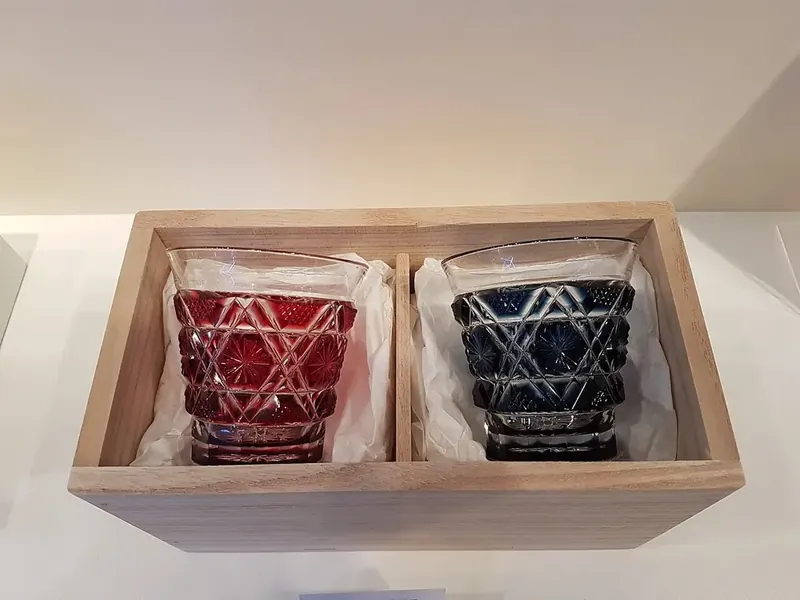
Satsuma kiriko cut glass in red and indigo
04 · The crafts

Satsuma crafts

One craft was killed by a British bombardment and rebuilt in 1985 by reverse-engineering museum specimens. The other was founded by Korean potters brought here against their will in 1598, and their descendants are still working.

Read the story
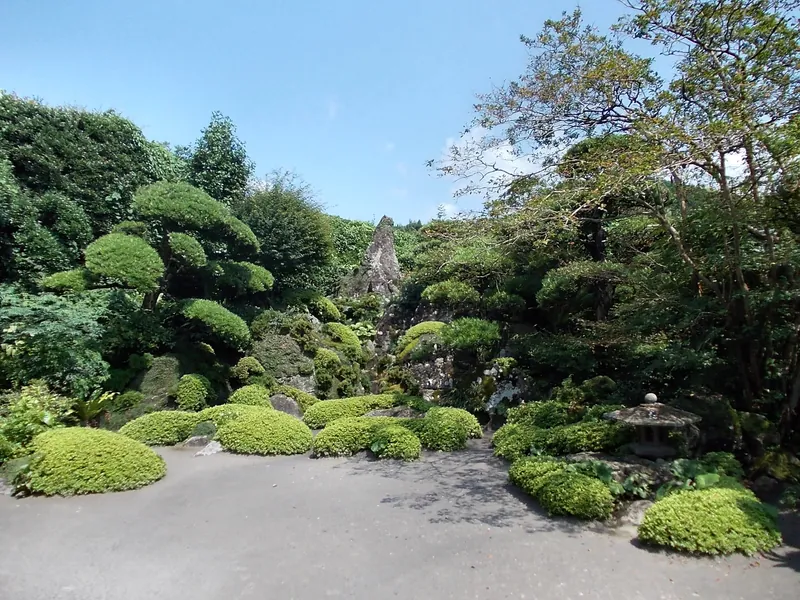
A samurai residence garden in Chiran
05 · The difficult place

Chiran

A kilometre of hedged samurai lanes with borrowed mountains in their gardens — and, two kilometres away, a museum of farewell letters written by teenagers who did not come back. Both are Chiran. Go in that order.

Read the story
The year in Kagoshima

When to come, and what you'll find

Cruise seasons run spring to autumn, but the port changes underneath them.

MarchEarly spring, early tea

Japan's first flush is picked around Chiran while the rest of the country waits.

AprilCherry blossom and clear air

Sengan-en at its best; the volcano usually crisp behind the garden.

MayGreen and warm

Comfortable walking weather before the rains. Ferry decks are pleasant.

JuneThe rainy season

Heavy showers, dramatic skies, fewer crowds. Ash sticks to everything when wet.

JulyHot and vivid

Southern summer in earnest. Shirokuma season, and it is not optional.

AugustPeak heat

Start early, use the arcades at midday, cross to the volcano in the morning.

SeptemberTyphoon watch

Ships occasionally reroute. When it is clear, the light is the year's best.

OctoberThe sweet spot

Warm days, cool air, clear volcano views. The best month for a port day here.

NovemberAutumn colour, komikan

The world's smallest mandarins ripen on the island. Comfortable everywhere.

Dec–FebMild winter

Kyushu's south rarely freezes. Sakurajima daikon are harvested — the giant ones.

Read the culture, then plan the clock: the Kagoshima day plans and the Top 10 turn all of this into a day that ends at the gangway with an hour to spare.