
 1 / 6
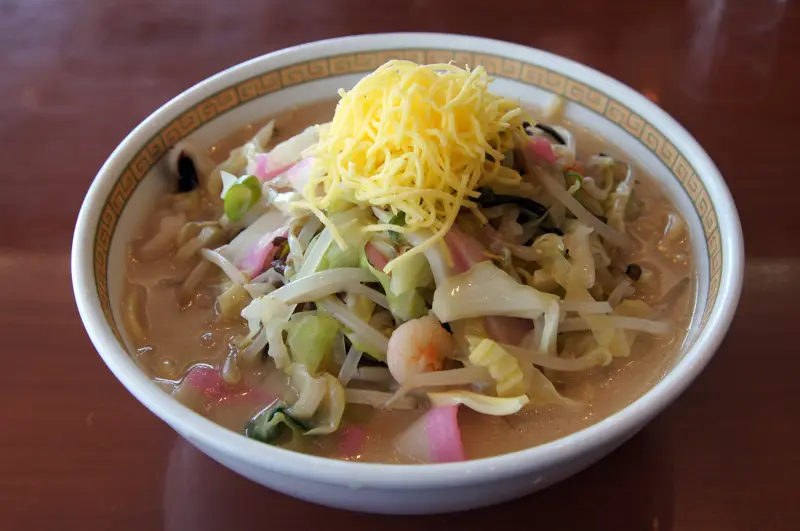
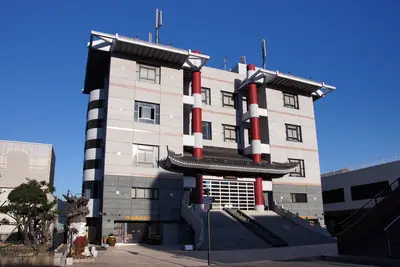
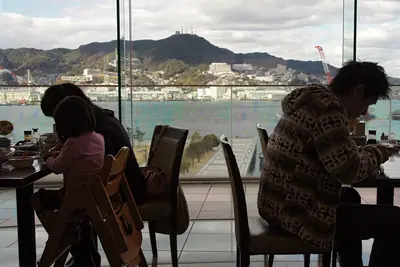
Champon at ShikairoPhoto: 663highland / CC BY
Tap a photo to see it large. 6 photographs, every one credited.
Checked against official sources · updated · Takumi Yamada
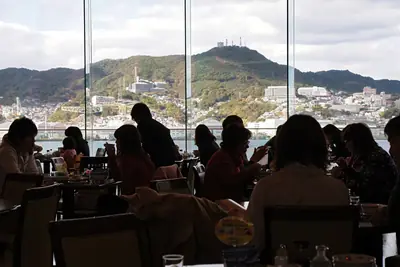
The restaurant that invented champon in 1899 still ladles it under a chandeliered dome by the harbor. Noodles, seafood, pork bones — Nagasaki in one bowl.
- Our number 3 for Nagasaki, out of ten. It is the first thing we would spend the hours on.
- Short enough to be certain of: 2 hr door to door, so even a tender day works.
- Reachable on foot from the berth, so no timetable can strand you.
- It is not only a photo stop: what happens when a port cooks for three countries at once.
- 2 hr door to door needs a 4-hour call: a 2–3 hour stop cannot hold it. Pick something closer instead.
Why Champon at Shikairo is famous
What happens when a port cooks for three countries at once
Champon was created at this restaurant in 1899 by its Chinese owner, who wanted to feed poor Chinese students cheaply: noodles, pork, seafood and vegetables boiled together in one pot. Shikairo still serves it and keeps a small museum upstairs about the dish it invented.
A Chinese restaurateur invented a cheap bowl for homesick students in 1899 and accidentally created the most Nagasaki thing there is: a dish that is not from anywhere, made of everything.
Sugar, sponge cake and the technique for both arrive
Still hand-mixing castella batter four centuries later
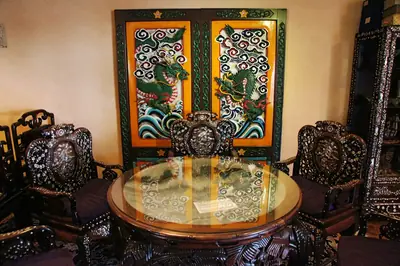
One round table for Japanese, Chinese and Western courses
At Shikairo, to feed poor Chinese students cheaply
Shikairo sits near Glover Garden, minutes from the wharf. Chinatown and Fukusaya are both walkable — this is a port where the food is the sightseeing.
Three places, three different answers
The one the queue agrees on, the one people who live here use instead, and the one nearest your ship. Opening days change; check before you build a day around one.
Champon was invented here in 1899 to feed poor Chinese students. There is a small museum about the dish upstairs. Lunch 11:30–15:00, last entry 14:00 (earlier when busy). No reservations. Closed on some days: 11 and 25 November and 2, 16, 30 and 31 December 2026; check shikairou.com for later dates.
Open in Google MapsWhere locals goKozanro江山楼 中華街本店In Shinchi Chinatown, and the house locals name when they want the richer version.
Open in Google MapsClosest to the berthShinchi Chinatown長崎新地中華街A compact block of champon and sara-udon shops, close to the tram and to the wharf.
Open in Google MapsChampon at Shikairo and your ship
Both pins on one map, so the distance is a fact rather than a feeling.
Where the 2 hr goes
Counted from the moment you step off the gangway, about 30 minutes after the ship arrives. The hour before all-aboard is not in this bar; it is already set aside.
4 minutes each way is the measured figure for 3–5 min walk from the terminal, not the optimistic one. If your ship is late, cut the 1 hr 50 min in the middle. Never cut the hour at the end.
Routes that already include it
Each one is a finished day timed from the official timetables, with this stop in it. Read the route rather than assembling it yourself.
What to put beside it
Each of these still lands you back aboard with the hour to spare.
 3 hr for both
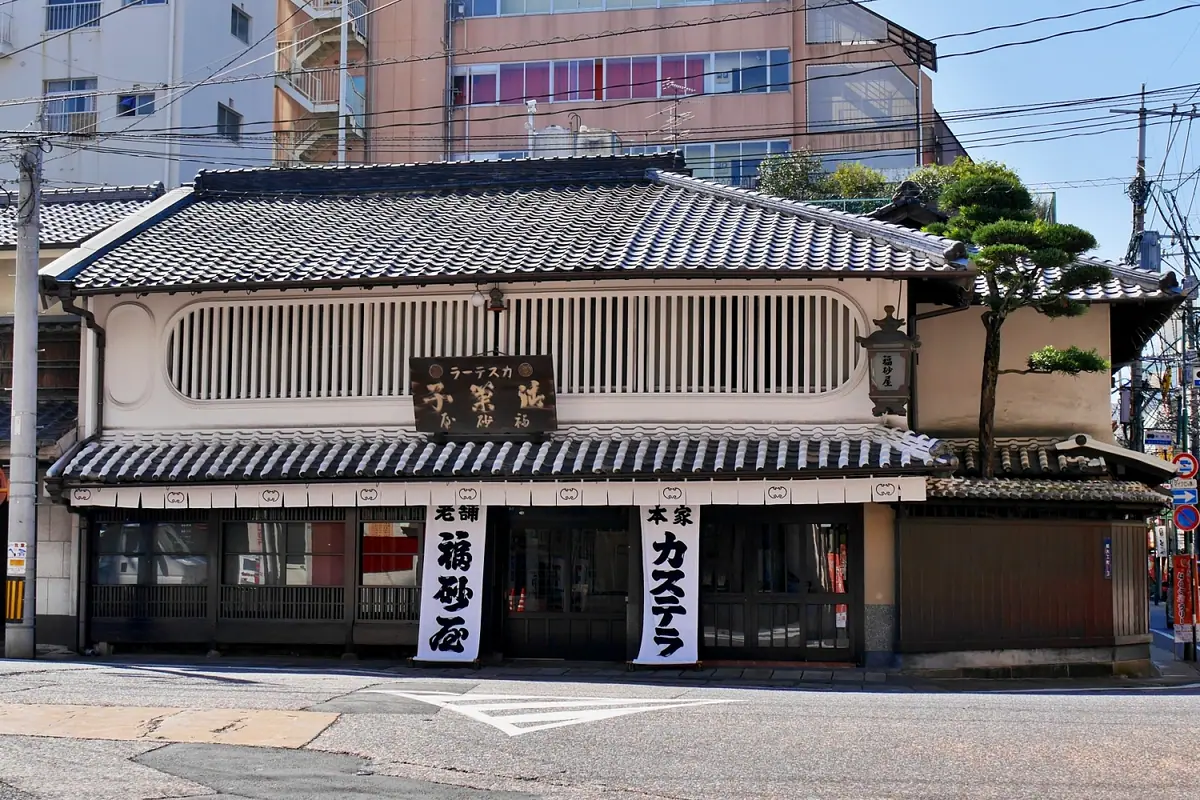
Castella at Fukusaya
Portuguese sponge cake perfected over 400 years — Fukusaya’s 1624 original shop still hand-mixes every batch.
See the detail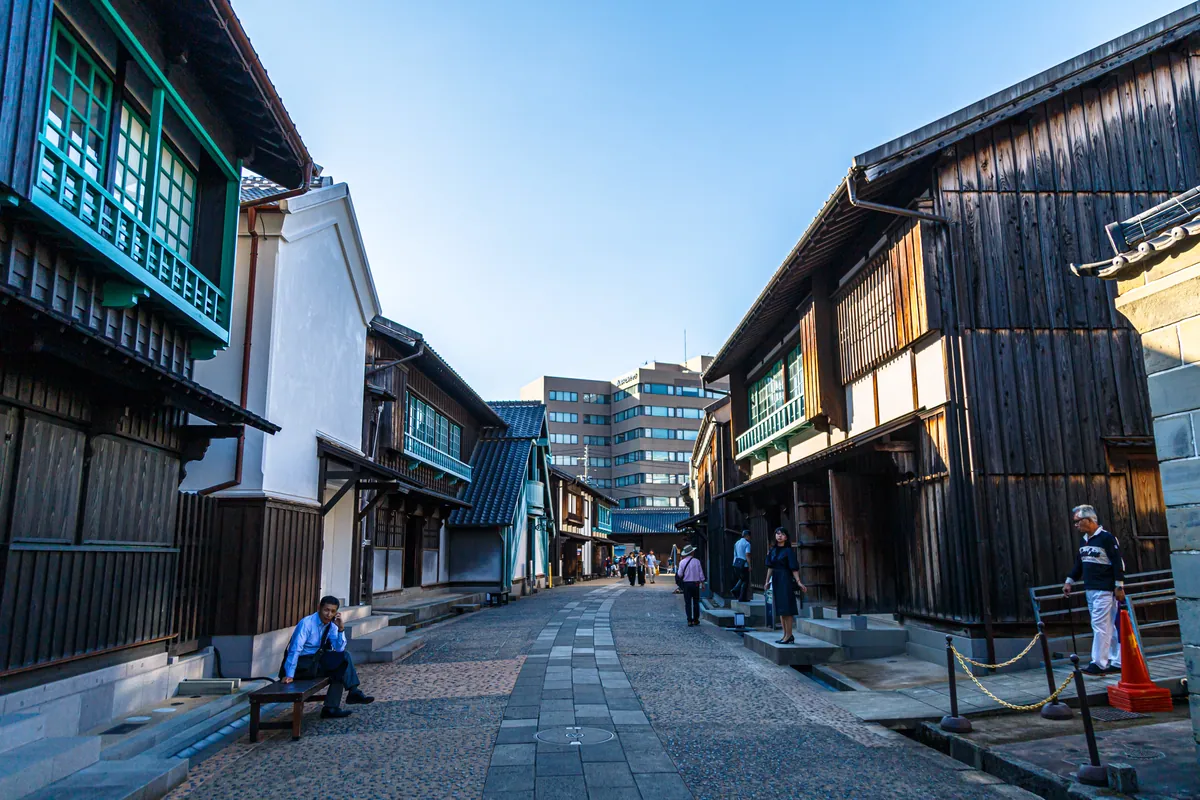 4 hr for both
Dejima trading island
For two centuries this fan-shaped islet was Japan’s only window on the West.
See the detail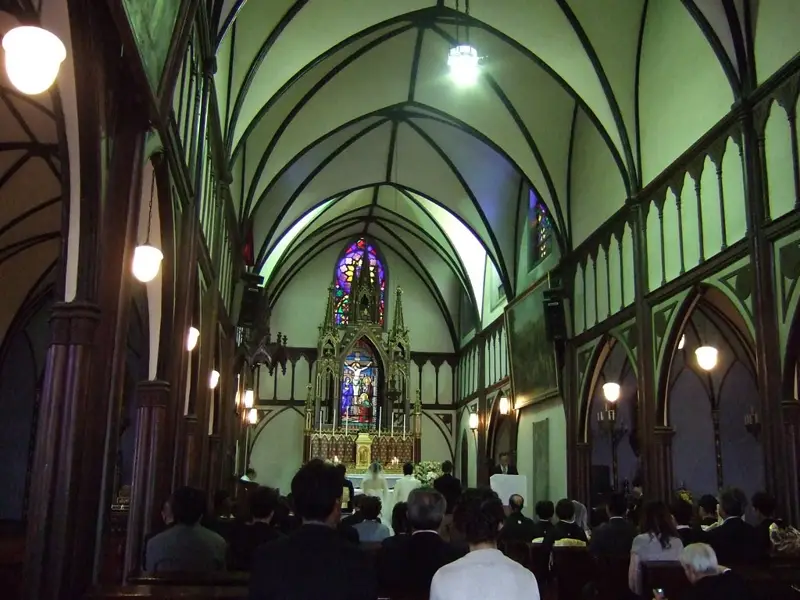 4 hr for both
Oura Cathedral & Dutch Slope
Japan’s oldest surviving church, built in 1864 for the foreign community — the discovery of hidden Christians here in 1865 stunned the world.
See the detail