~2h — the round trip from the gangway, with the 60-minute margin kept aside.
Tap a photo to see it large. 6 photographs, each credited.
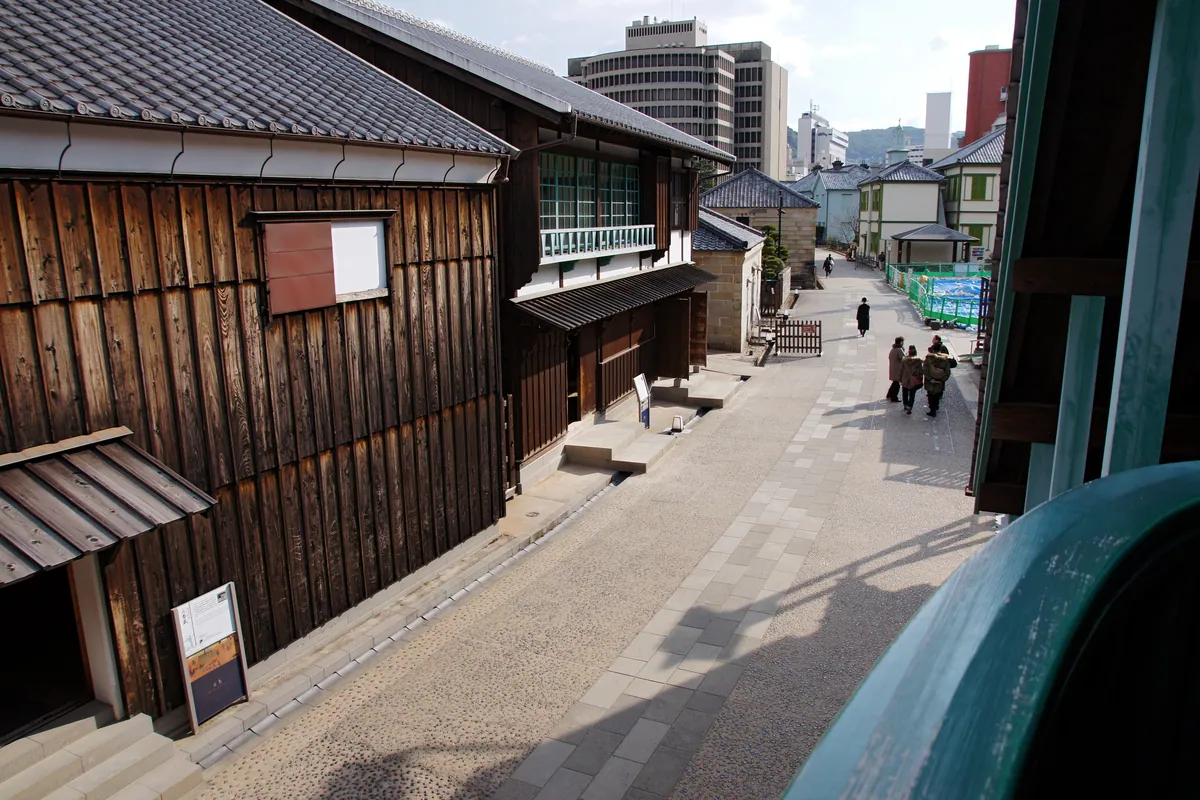
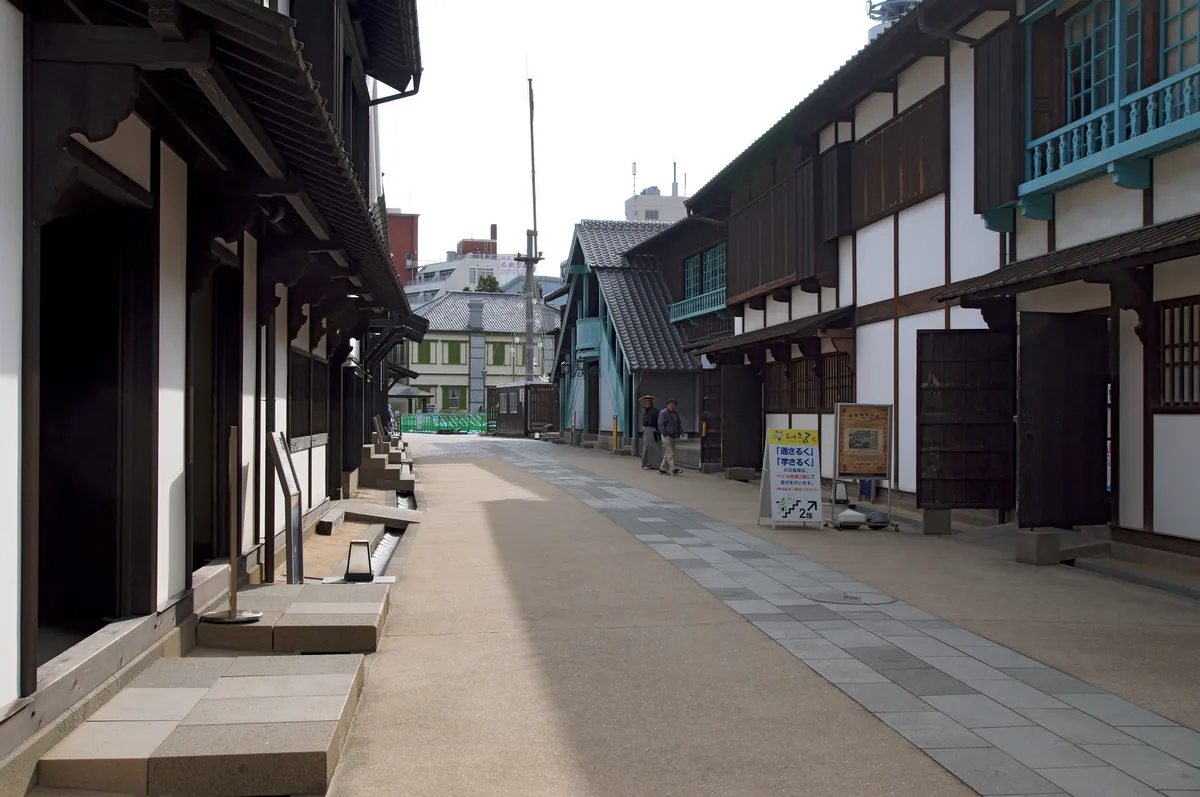
For two centuries this fan-shaped islet was Japan’s only window on the West. Rebuilt room by room — walk the same bridge the Dutch surgeons did.
For two centuries, this fan of land was all Japan could see of the West
A fan-shaped artificial island where, from 1641 to 1853, the Dutch were the only Westerners allowed to live in Japan, confined to 15,000 square metres and watched. Everything Japan learned of Western science for two centuries came through this gate. The island was buried by land reclamation and has been excavated and rebuilt since 1996.
An artificial island the size of a few tennis courts, built to quarantine foreigners — and through it came anatomy, astronomy, gunnery and the word for beer. Japan's entire knowledge of Europe passed across one small bridge.
For 218 years this fan-shaped artificial island was the only place in Japan where Westerners could live, and the only channel through which European knowledge entered a closed country. Anatomy, astronomy, gunnery and chemistry all crossed the single guarded bridge — along with coffee, beer, badminton and billiards.
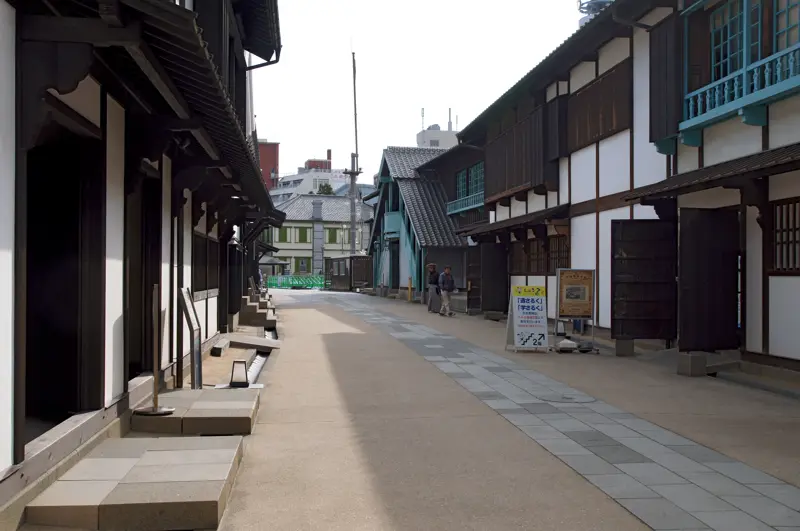
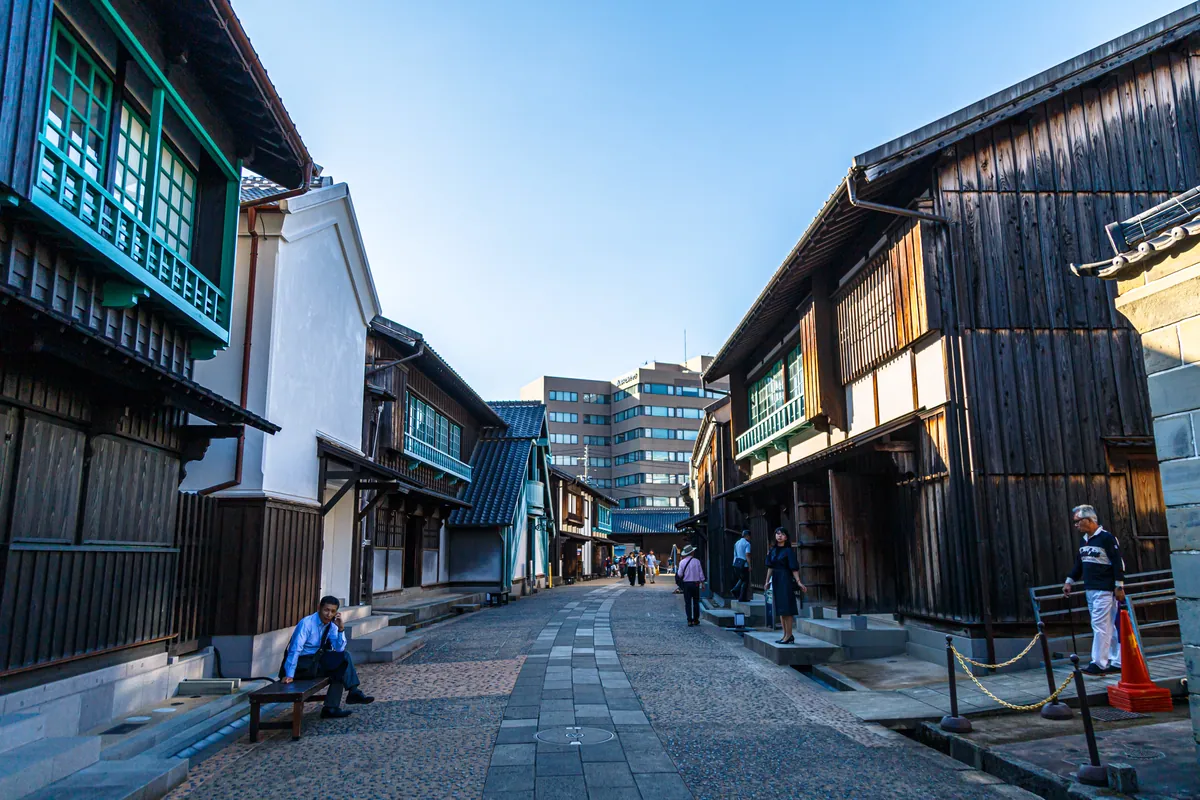
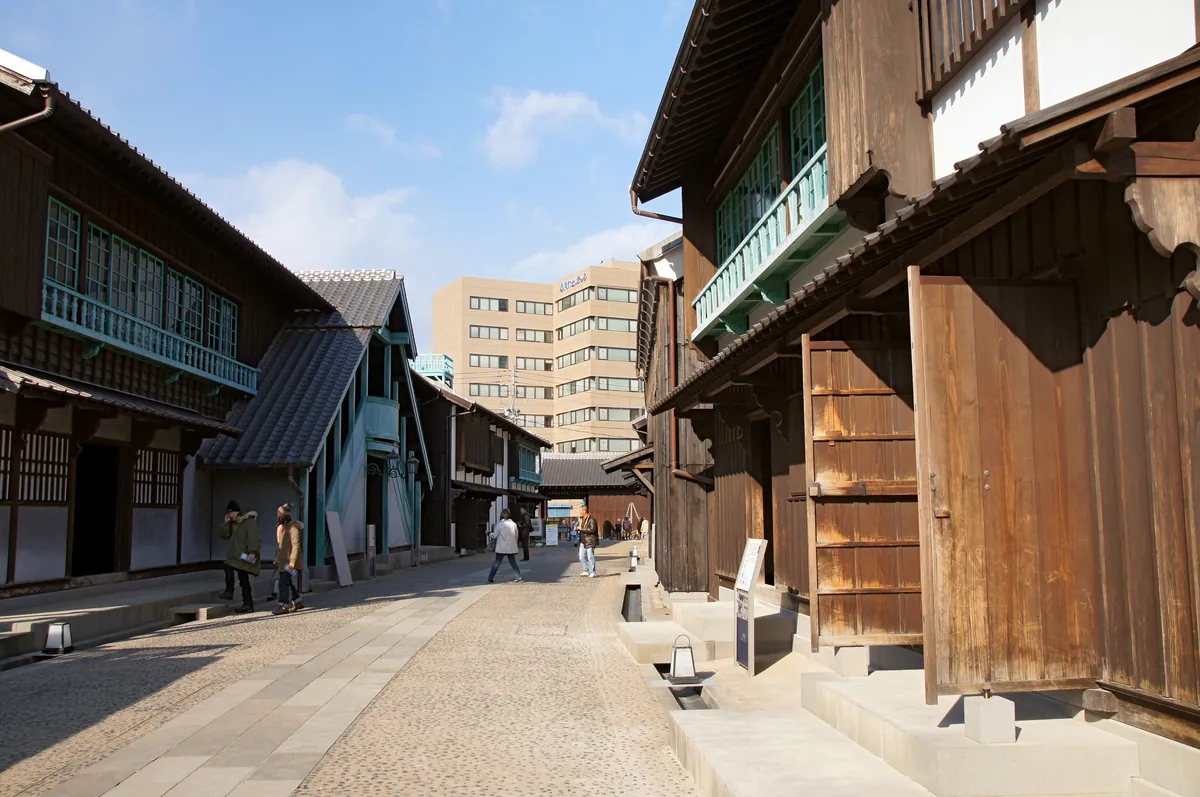
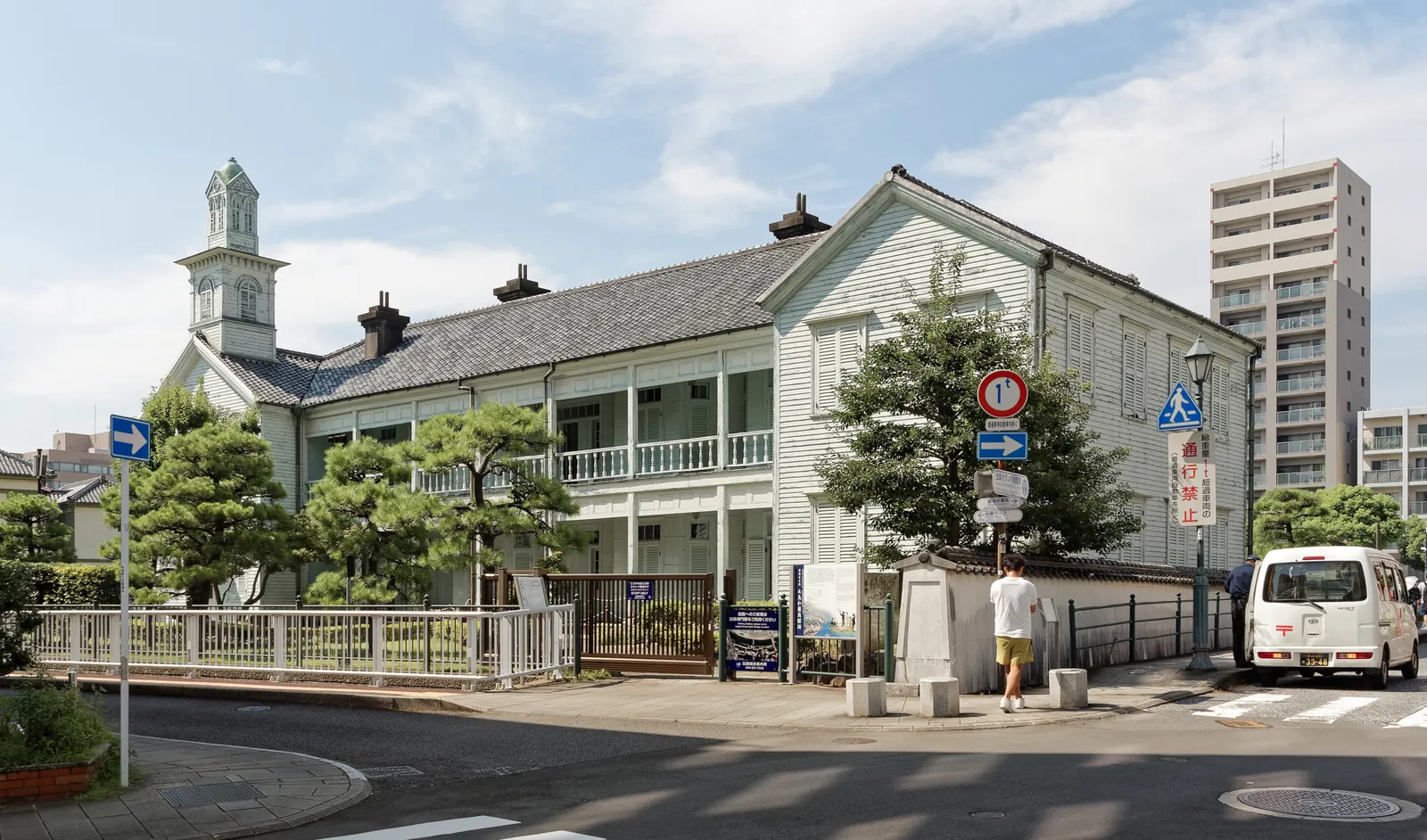
Land reclamation swallowed the water around it in the Meiji era, and the island vanished into the city grid. Nagasaki has been excavating and rebuilding it since the 1990s: nineteen buildings so far, furnished from Dutch and Japanese records, including the chief factor's residence and the warehouses.
Fan-shaped, artificial, one guarded bridge — to contain Portuguese traders
Relocated from Hirado; the only Westerners permitted in Japan
A Dutch anatomy atlas translated — the birth of Japanese Western medicine
Teaches Japanese physicians; expelled for possessing maps of Japan
Dejima sits a few minutes from the wharf on the tram line. Ninety minutes covers it properly; the tram-based guided half-day includes it with the Peace Park.
Both pins on one map, so the distance is a fact rather than a feeling.
Each of these still lands you back aboard with the hour to spare on a 6-hour stop ashore.
Sixty to ninety minutes covers the nineteen rebuilt buildings properly. It is about ten minutes on foot from the cruise wharf, or one tram stop, and it stays open until 21:00 — unusually late for a Japanese museum site.
No. Meiji-era land reclamation filled in the surrounding water and absorbed the fan shape into the city grid. The site has been excavated and rebuilt since the 1990s, and the city is gradually restoring water on the sides where that is possible.
Each one is a finished day we have walked and timed, with this stop in it. Read the route rather than assembling it yourself.
Each of these still lands you back aboard with the hour to spare.
 3 hr for both
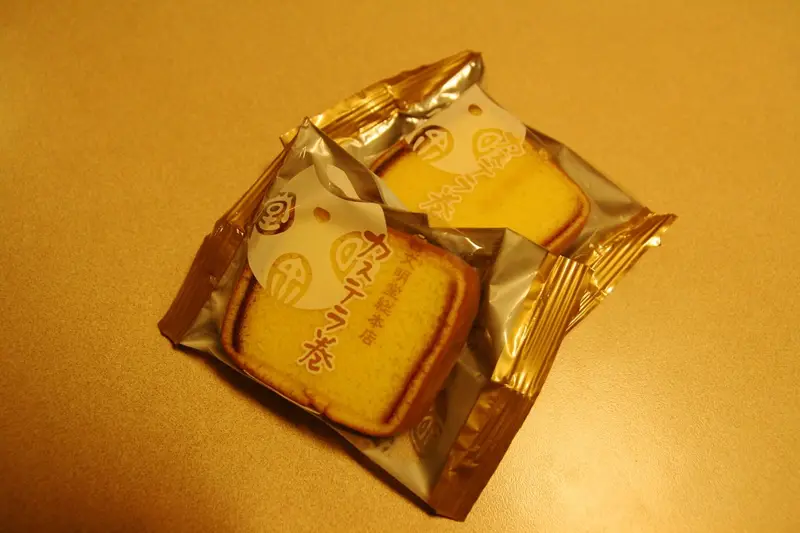
Portuguese sponge cake perfected over 400 years — Fukusaya’s 1624 original shop still hand-mixes every batch.
See the detail →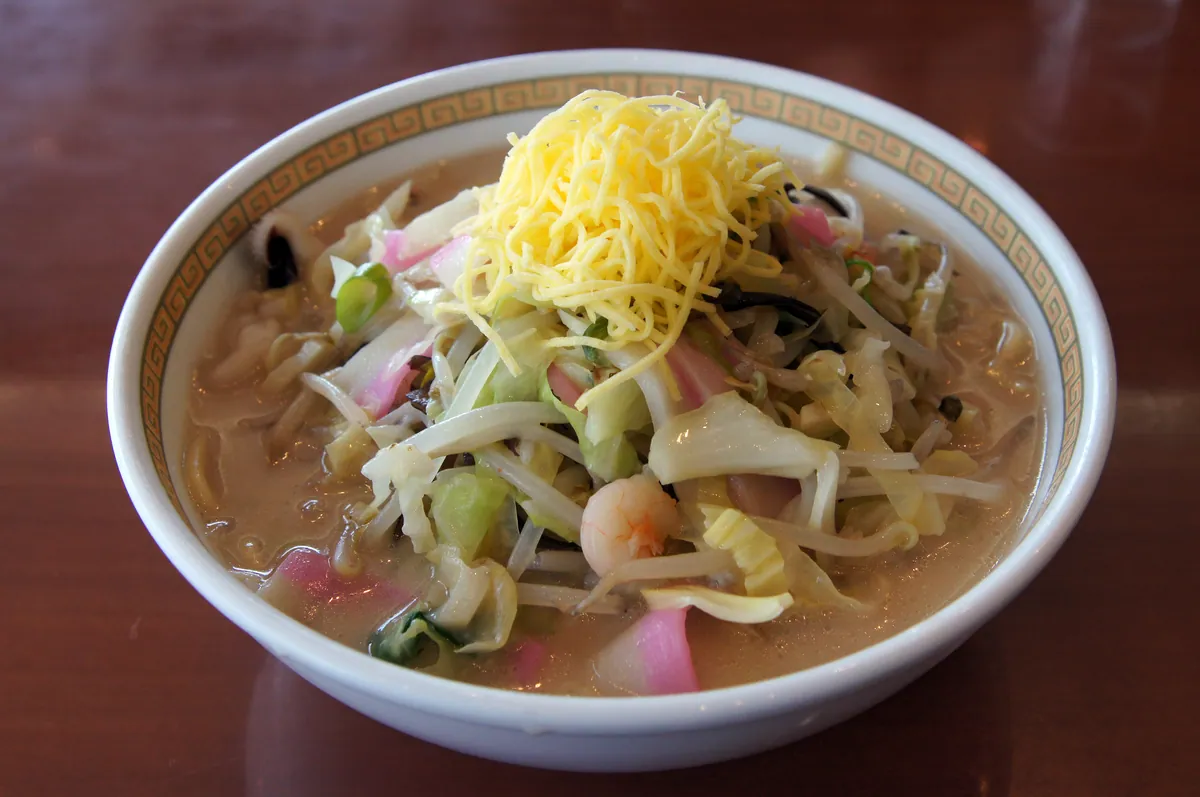 4 hr for both
The restaurant that invented champon in 1899 still ladles it under a chandeliered dome by the harbor.
See the detail →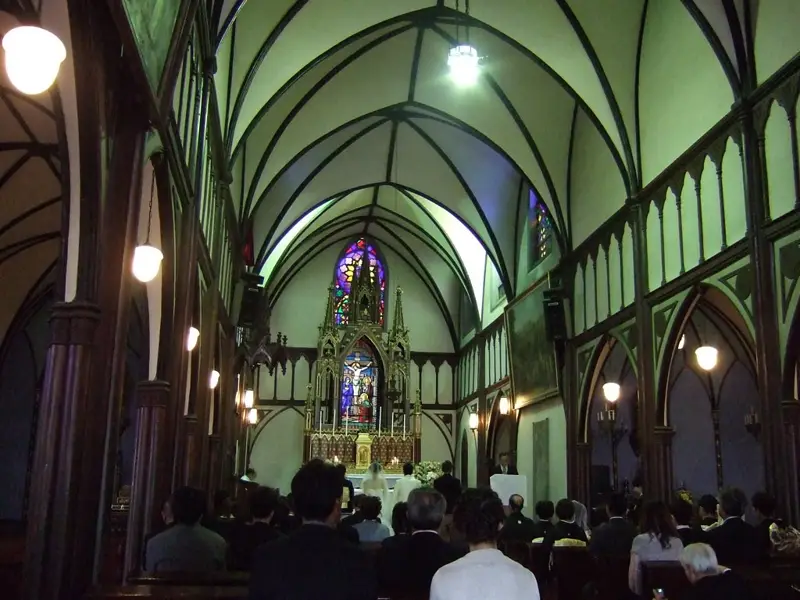 4 hr for both
Japan’s oldest church, built for returning exiles — the discovery of hidden Christians here in 1865 stunned the world.
See the detail →No typing needed — jump straight in:
Just docked? — the gangway toolStart from your shipThe ride from every berthAsk the editorGlossary