
Kunozan Toshogu and Nihondaira
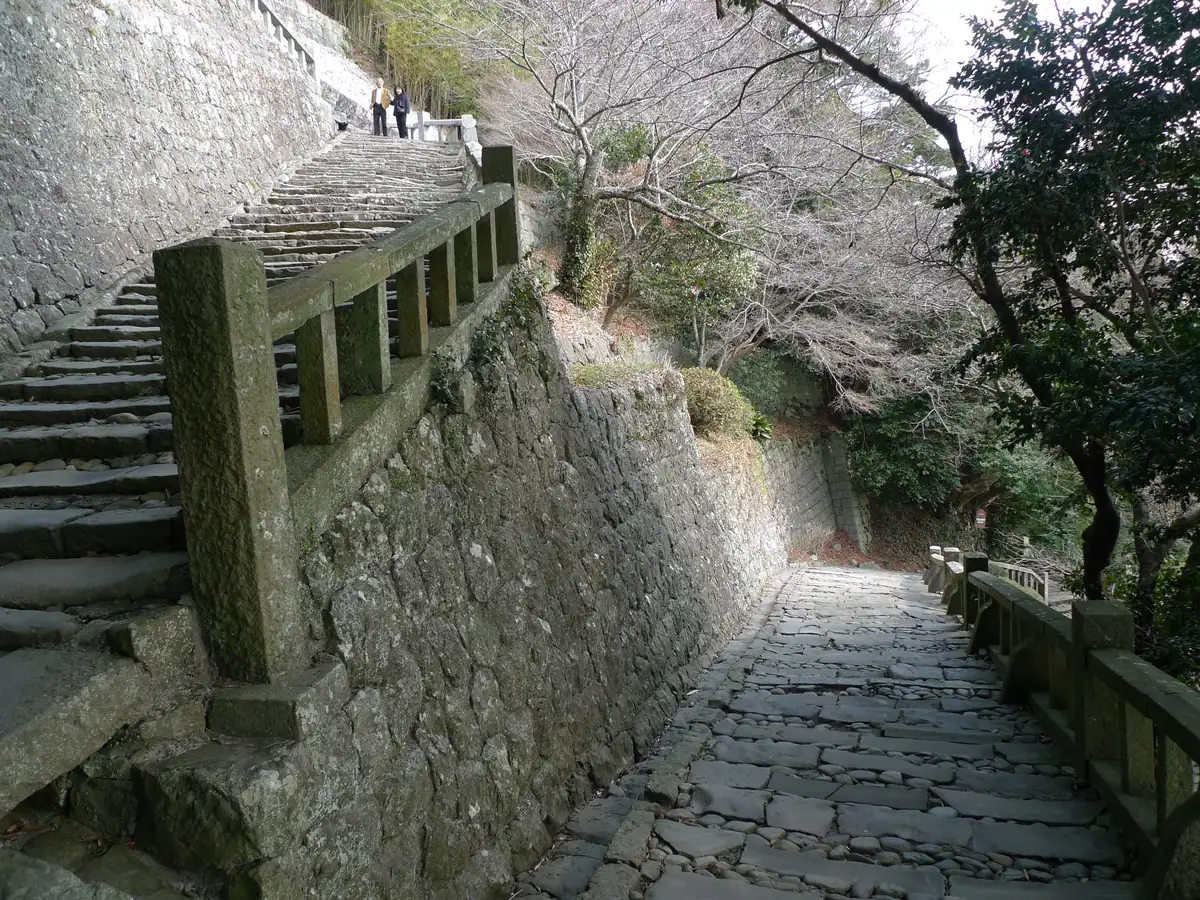
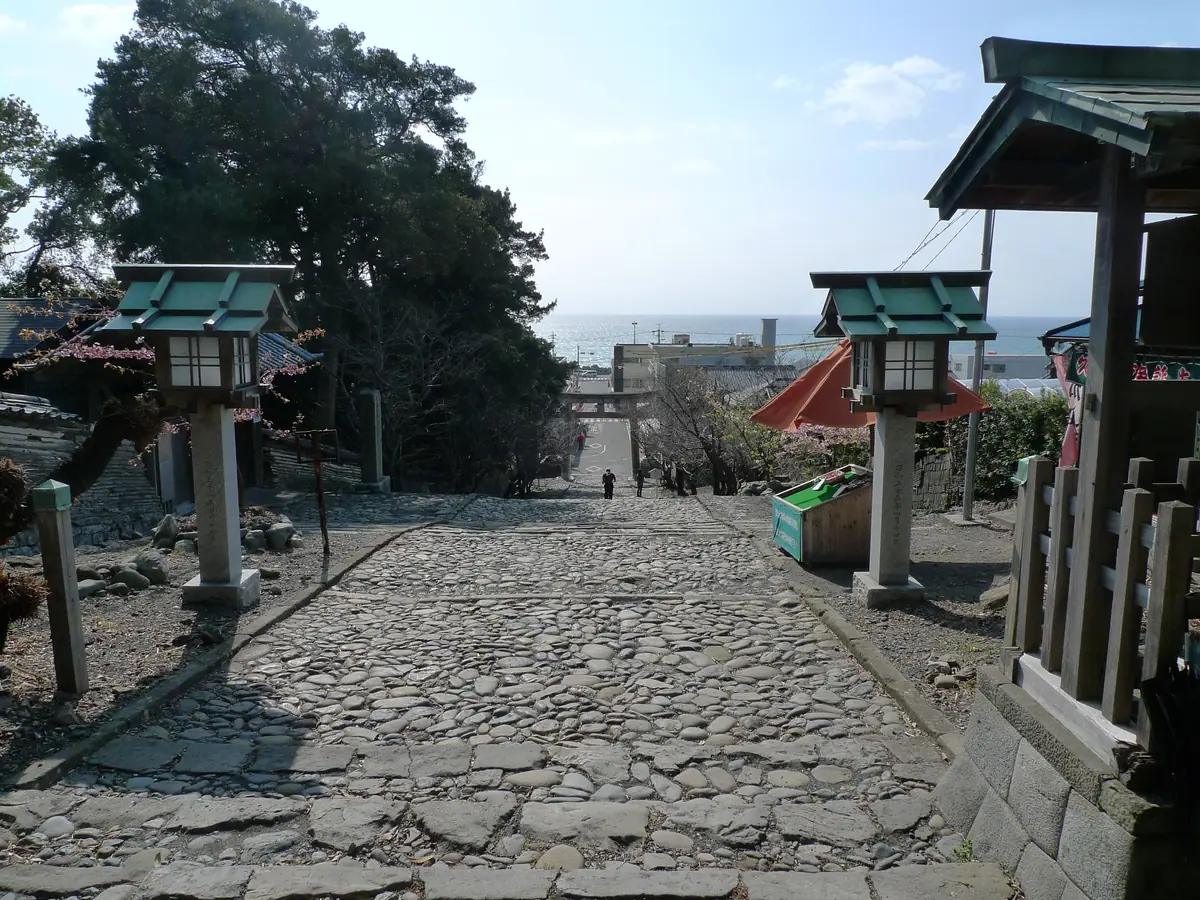
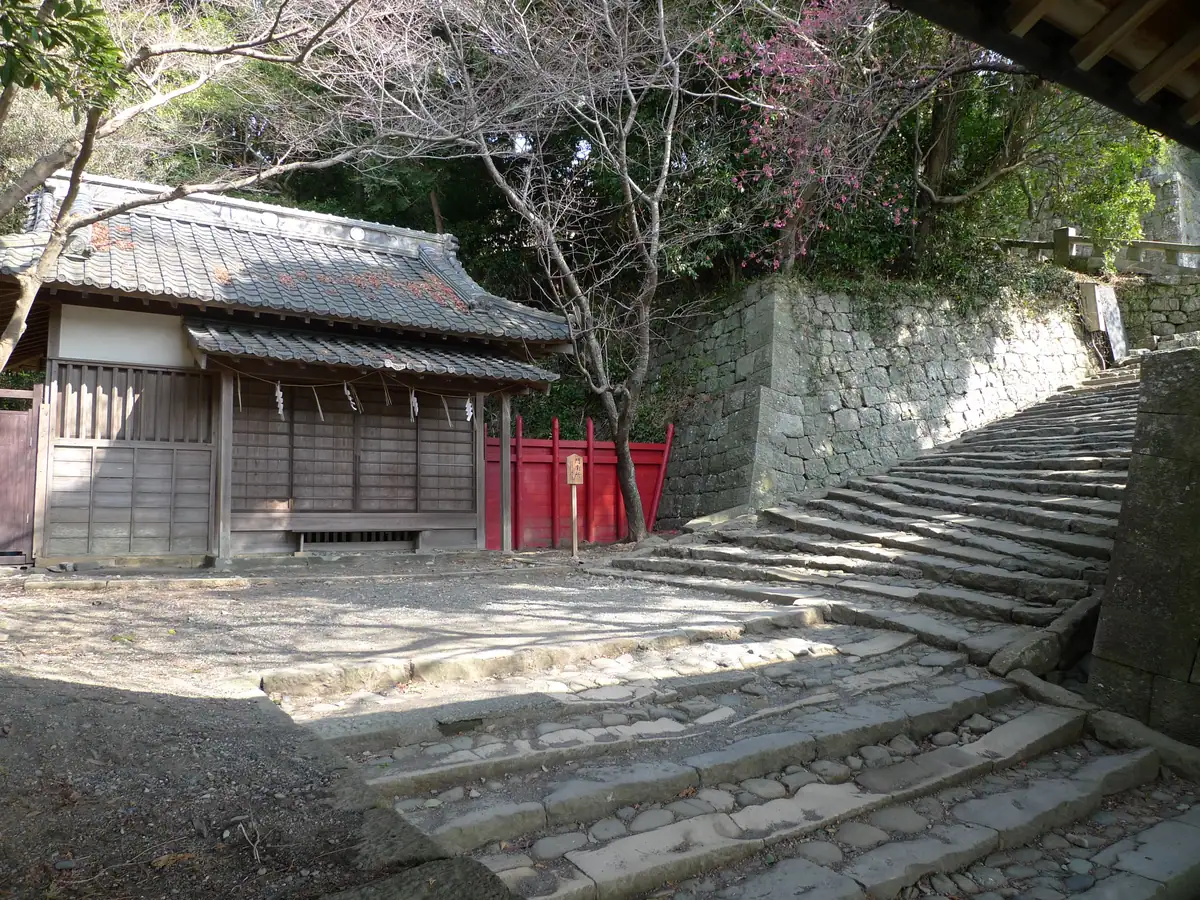 1 / 7
1 / 7Kunozan Toshogu and NihondairaPhoto: Zairon / CC BY-SA 4.0
Tap a photo to see it large. 7 photographs, every one credited.
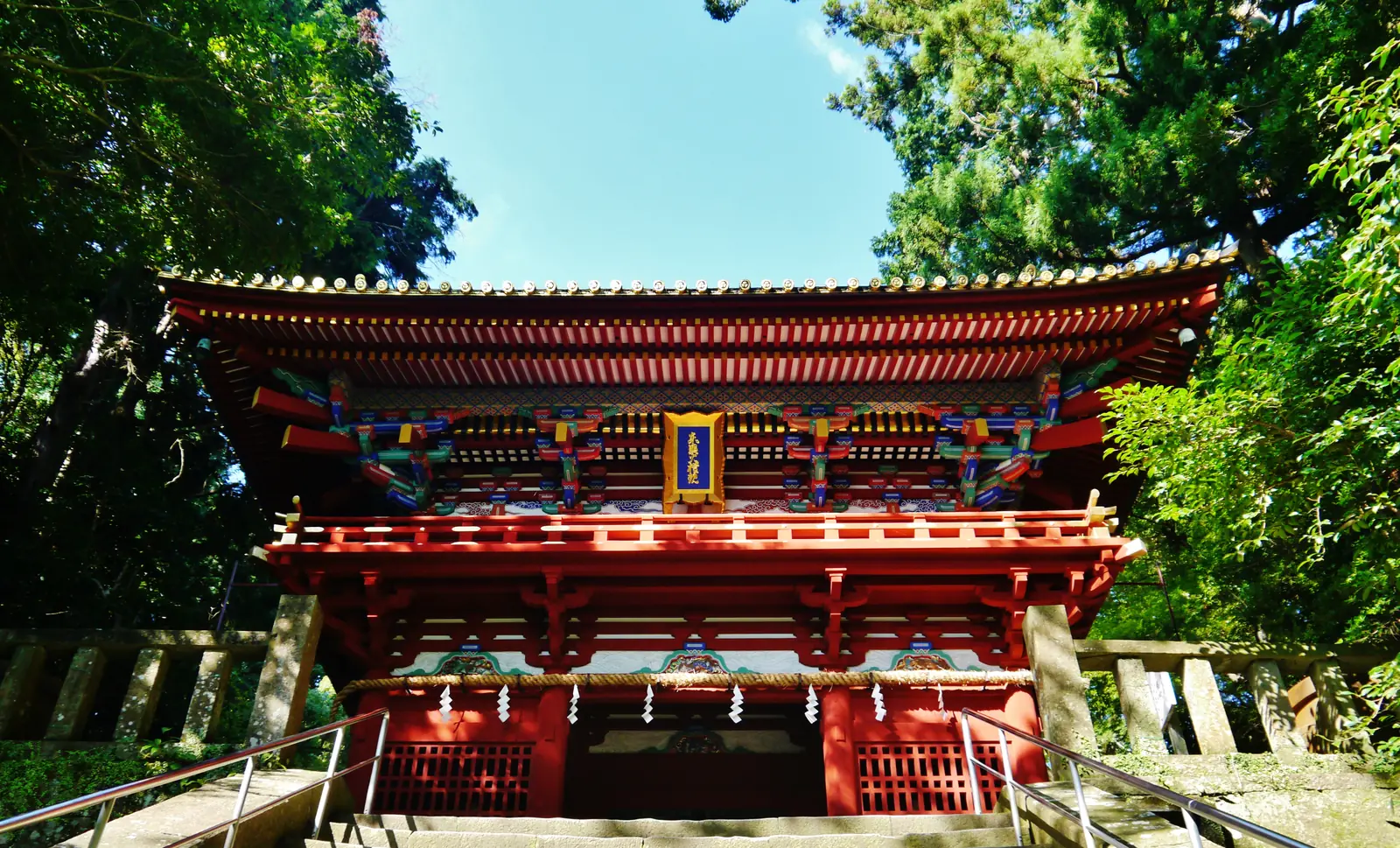
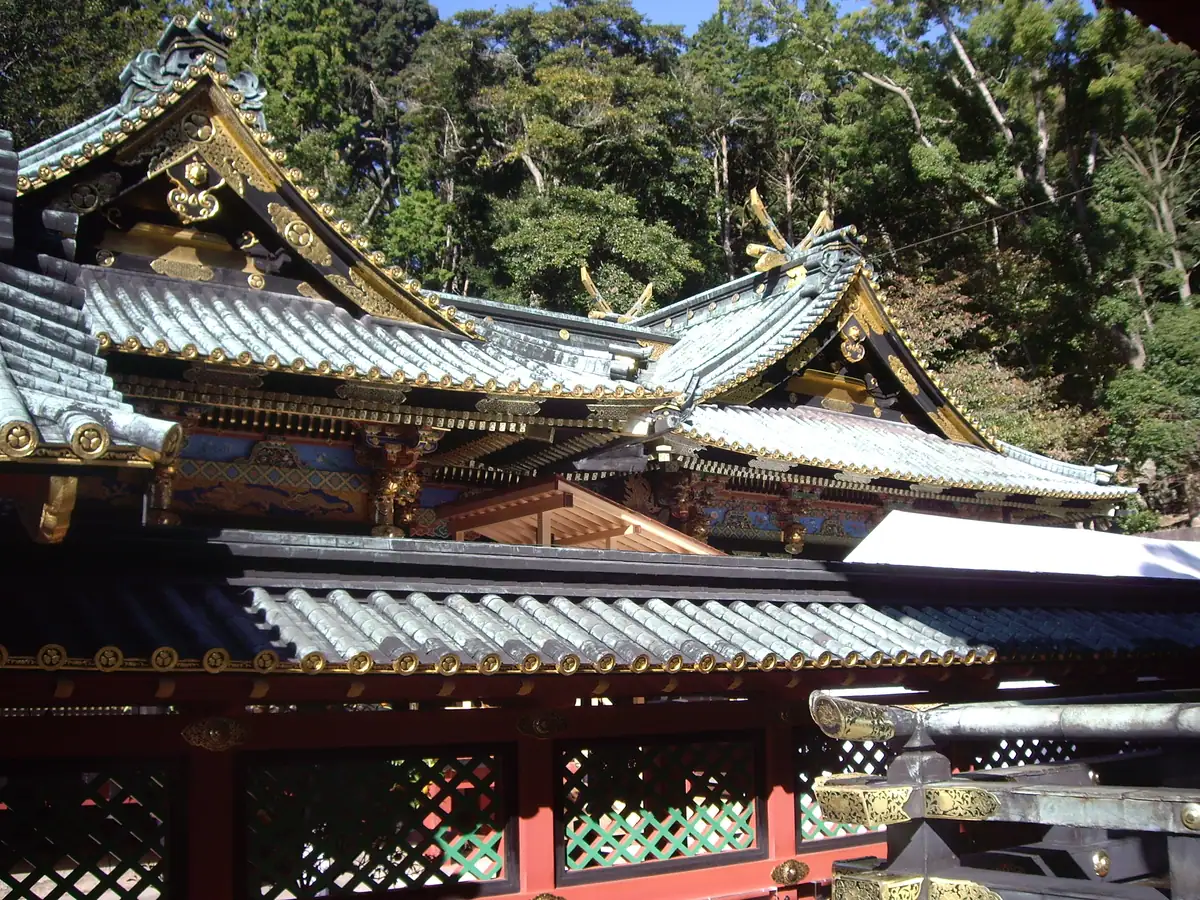
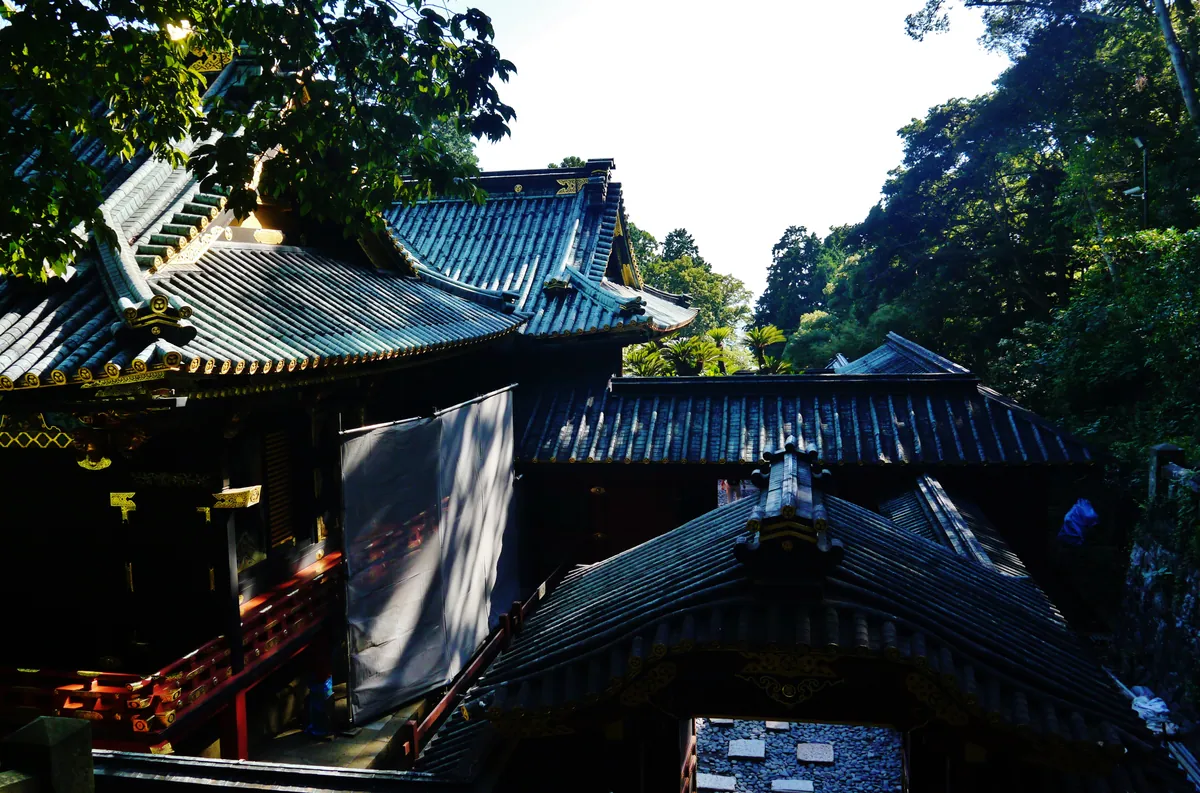
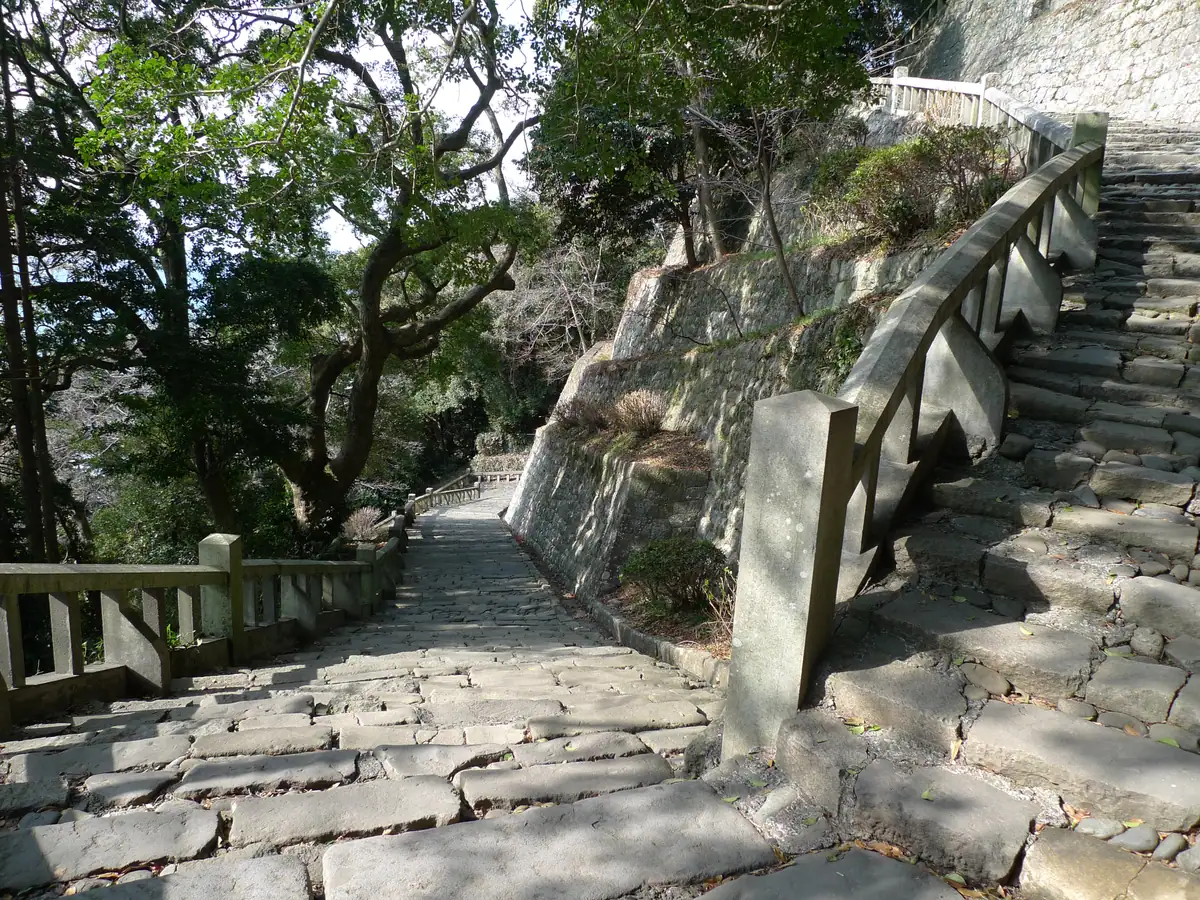
Tokugawa Ieyasu’s first shrine, built in 1617 and a National Treasure since 2010, reached by the Nihondaira Ropeway (¥1,250 return, first car 9:10). Shrine ¥700, open daily. Stone steps only inside the precinct. The only Shizuoka-city sight that fits a 9-hour call, and only by car.
- 4 hr door to door means a 2–3 hour stop ashore cannot hold it. Pick something closer instead.
- It is a view, so it is weather. Check the morning sky before you commit the hours.
Why Kunozan Toshogu and Nihondaira is famous
Tokugawa Ieyasu died at Sunpu in 1616 and, on his son's orders, was buried on Kunozan, the hill above the strawberry coast. The main hall and offering hall were built in 1617 and were raised to National Treasure status in 2010. The shrine museum holds a National Treasure sword. The precinct is stone steps only; most visitors arrive by the Nihondaira Ropeway, five minutes from the plateau above.
Kunozan Toshogu and Nihondaira and your ship
Both pins on one map, so the distance is a fact rather than a feeling.
Where the 4 hr goes
Counted from the moment you step off the gangway. The hour before all-aboard is not in this bar; it is already set aside.
75 minutes each way is the measured figure for hired car only; 54–63 km, about 75 min each way in traffic, not the optimistic one. If your ship is late, cut the 1 hr 30 min in the middle. Never cut the hour at the end.
What to put beside it
Each of these still lands you back aboard with the hour to spare.
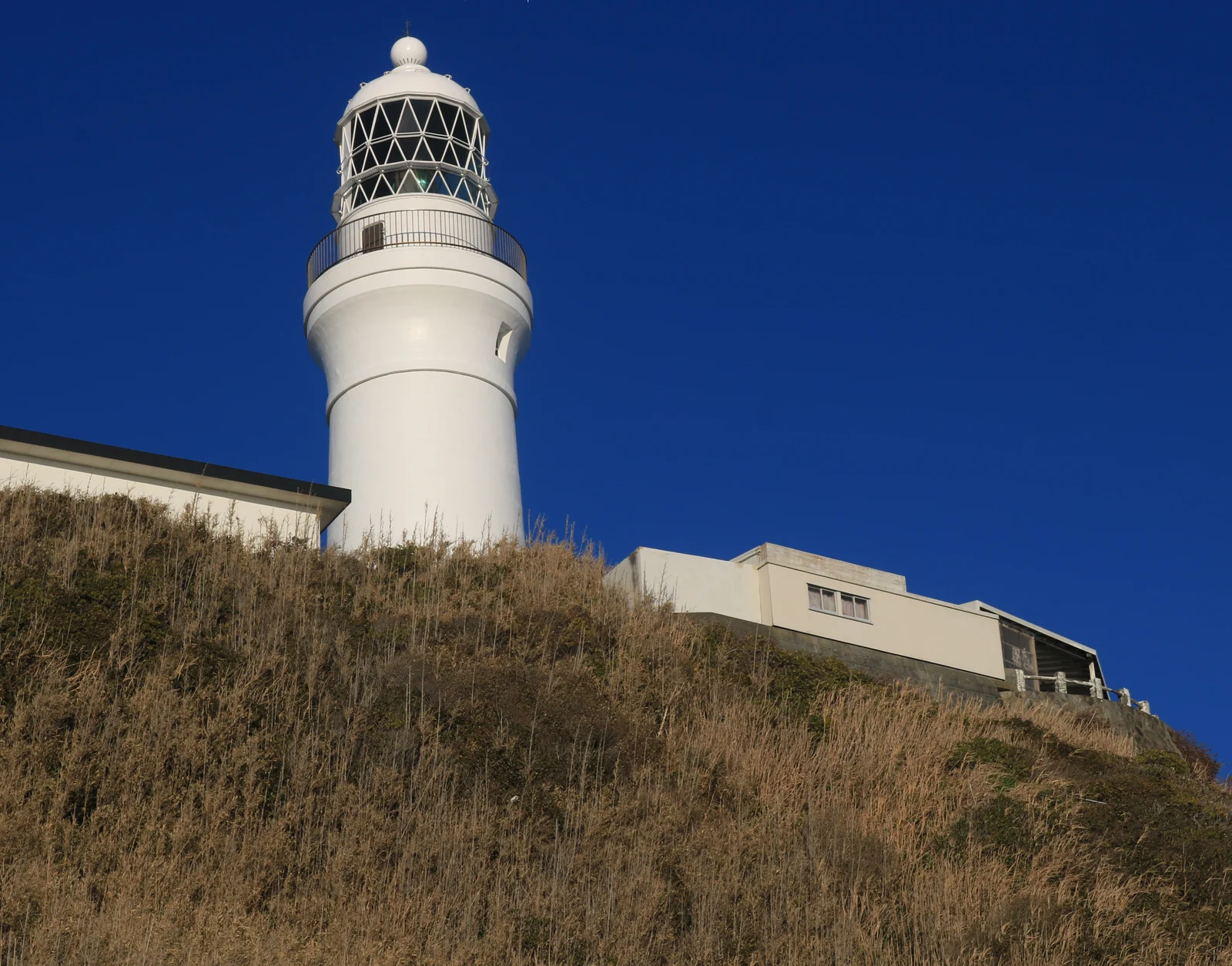 See · ~1.5–2h
Omaezaki Lighthouse and the cape
A white brick tower designed under Richard Henry Brunton and first lit in 1874, one of Japan’s 16 climbable lighthouses.
See the detail →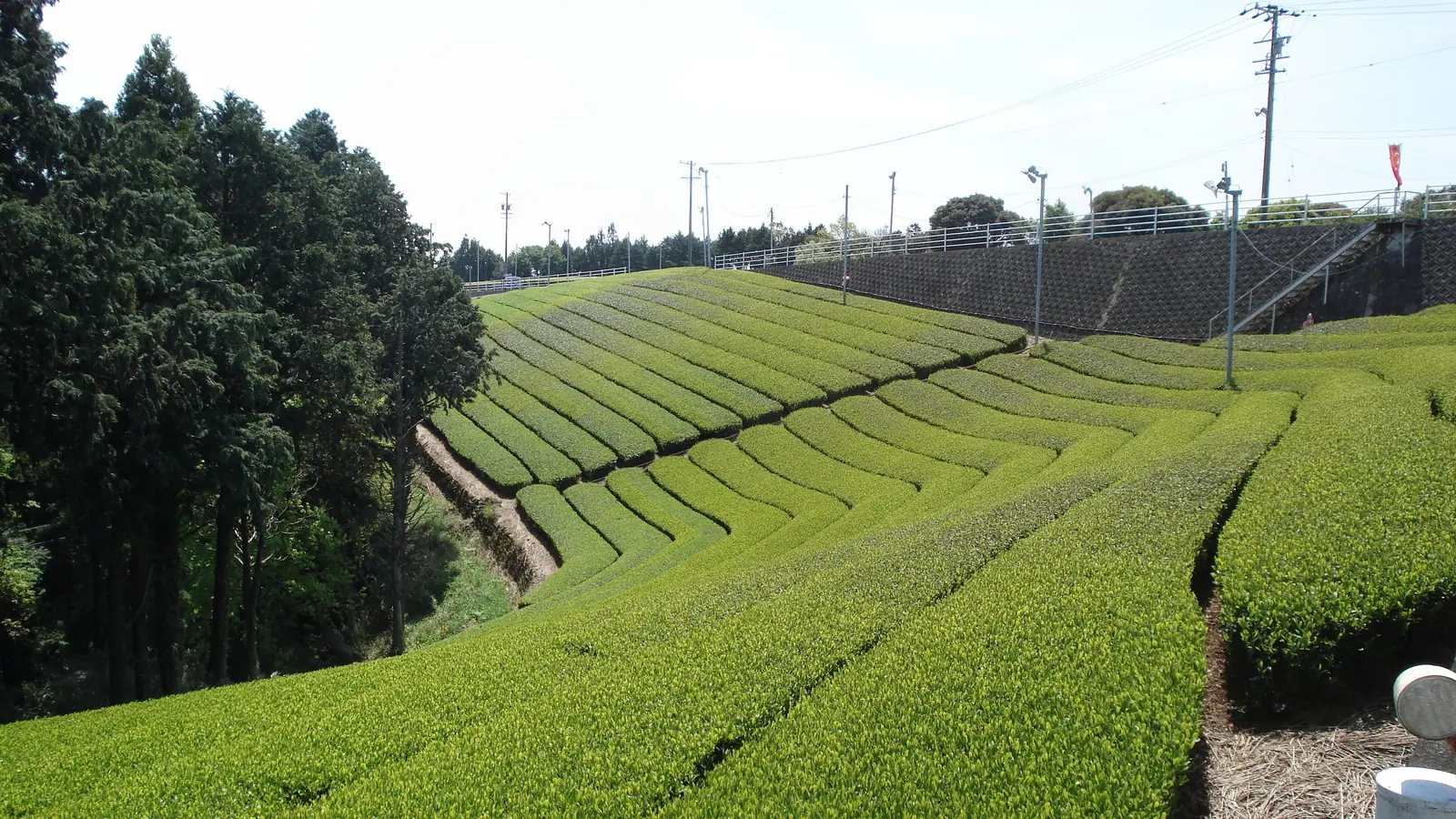 See · ~2h
Makinohara tea plateau and Grinpia
The largest tea plateau in Japan, planted by former Tokugawa retainers after the Restoration.
See the detail →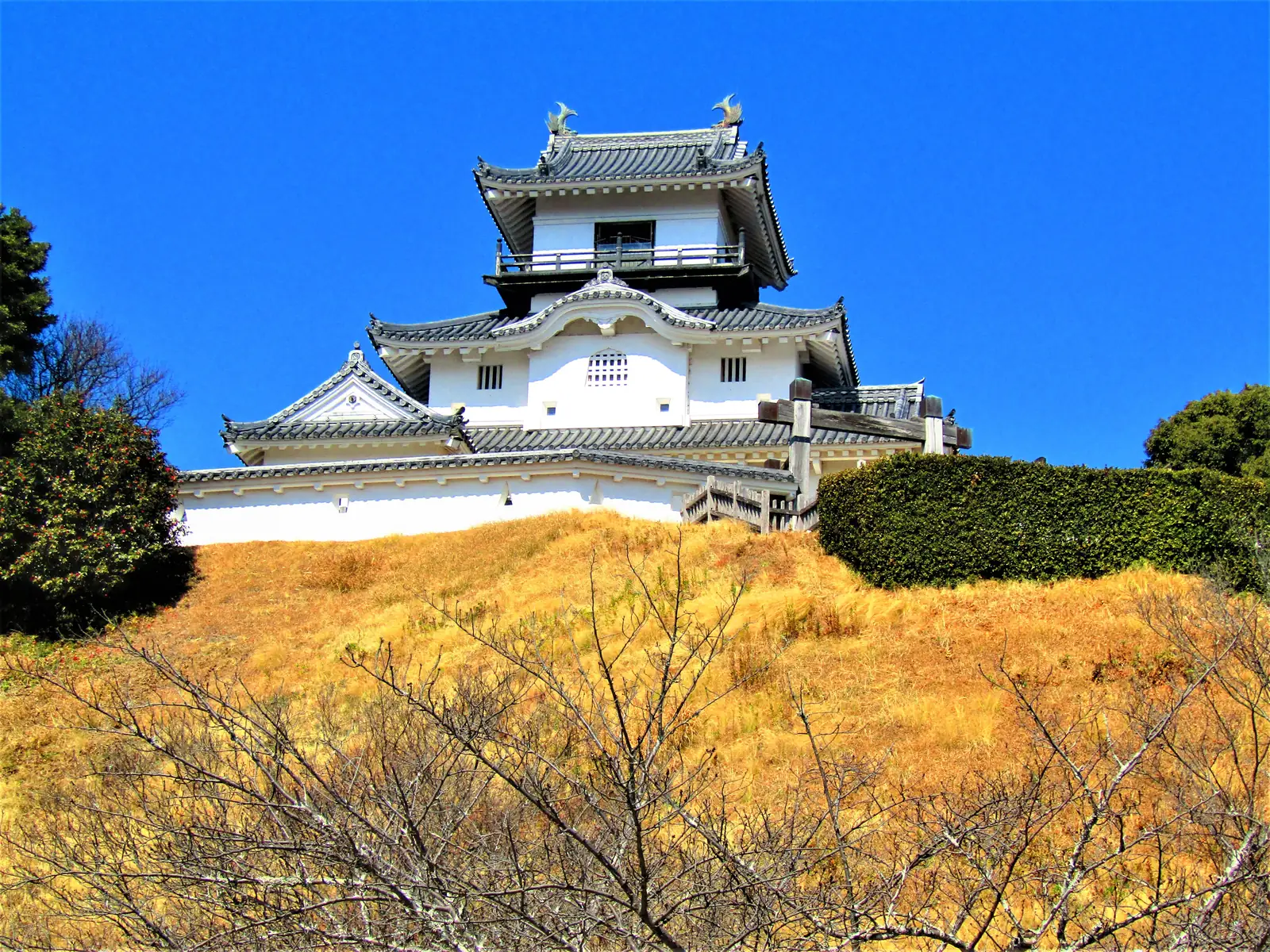 See · ~3h
Kakegawa Castle
The first full-scale wooden keep rebuilt in Japan, in 1994, beside a late-Edo palace that is one of four castle palaces left in the country.
See the detail →