
Makinohara tea plateau and Grinpia
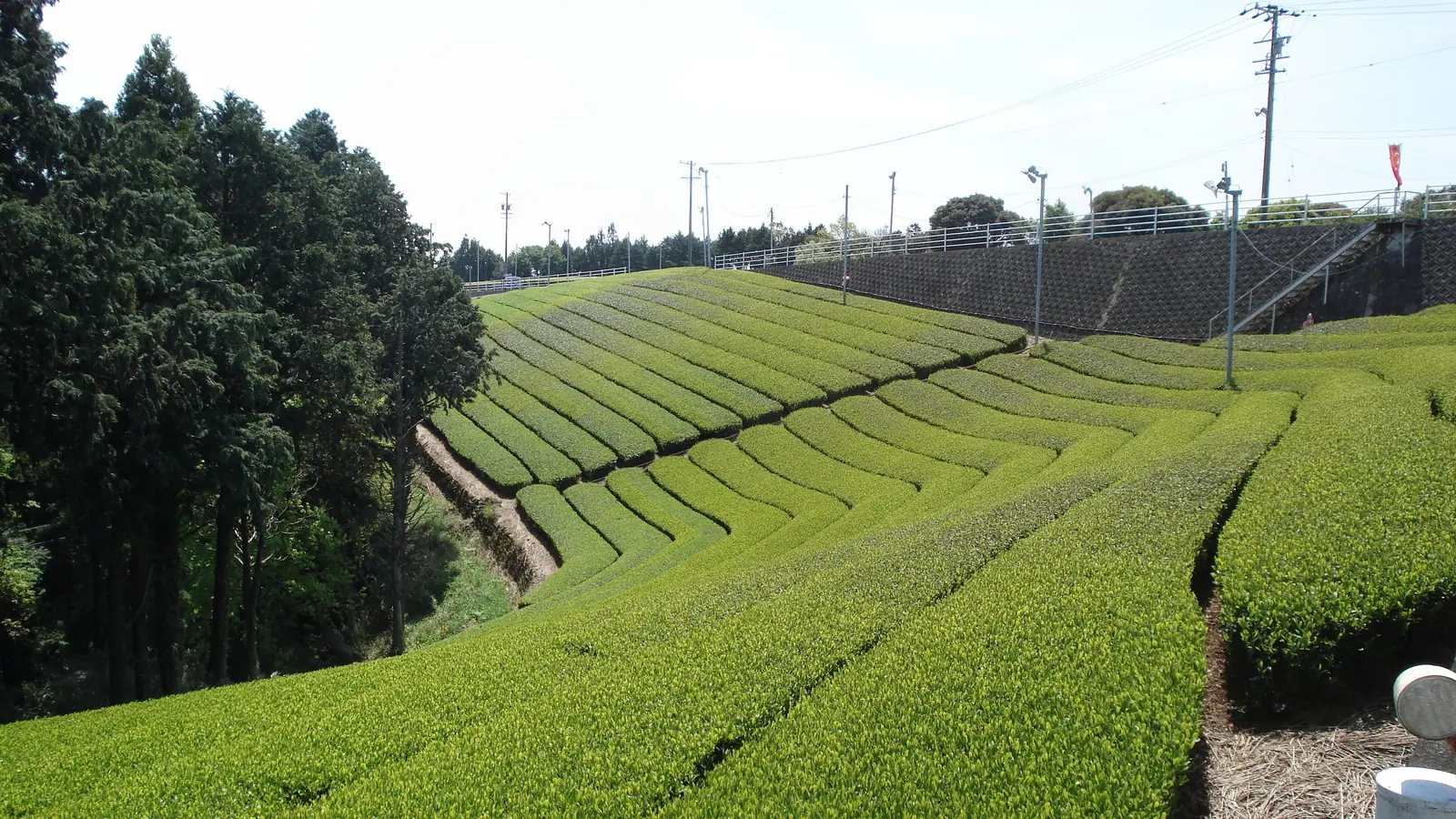
Makinohara tea plateau and GrinpiaPhoto: 久保嶋宏明 / CC BY-SA 3.0
The largest tea plateau in Japan, planted by former Tokugawa retainers after the Restoration. Grinpia Makinohara’s self-guided factory tour is free, 10:00–17:00, no booking; tea picking costs ¥1,000 and runs from late April. Holland America calls it a 30-minute taxi from the port.
- Our number 2 for Omaezaki, out of ten. It is the first thing we would spend the hours on.
- Short enough to be certain of: 2 hr door to door, so even a tender day works.
- On a 4–6h ashore call our verdict is "Yes, as your one trip" — grinpia and the tea museum by taxi, or one of them with nabura market on the way back. not kakegawa as well.
- It is not only a photo stop: samurai with hoes, river porters without a river, and the tea that came of it.
Why Makinohara tea plateau and Grinpia is famous
Samurai with hoes, river porters without a river, and the tea that came of it
The Makinohara plateau was pasture until the Meiji Restoration. Former Tokugawa retainers who had followed the family to Shizuoka were granted about 1,470 cho of it to plant tea. The porters of the Oi River, who lost their trade when the ferry crossing ended, received about 204 cho more. The plateau became one of the largest tea-growing areas in Japan. Grinpia Makinohara is a working factory on it that lets visitors walk through free of charge.
In 1869 the shogun's bodyguards lost their job. The next year the porters who carried travellers across the Oi River lost theirs. Both groups were sent up the same empty hill to plant tea.
Makinohara is the largest tea plateau in Japan, cleared from 1869 by unemployed Tokugawa samurai and Oi River porters. A mid-April call lands at the start of the first flush. The Shizuoka market’s first new-tea auction was on 18 April in 2025, and Grinpia’s picking opened on 11 April in 2026. The bushes are at their brightest green and the factory is running.
Grinpia is a working tea factory on the plateau with a free self-guided walk through the processing lines and a shop. The Tea Museum in Kanaya, on the far side of the plateau, is the context. It has the exhibits, a tea room, and free entry for anyone over seventy. Together they take about two hours plus the drives, which makes them a half-day, not a stop.
Nakajō Kageaki's men take up hoes on Katsu Kaishū's advice
The Oi River crossing system is abolished
"Tea from the river porters' clearing" wins at a tea competition
Sugiyama Hikosaburō's cultivar; the prefecture's tea station opens on the plateau
Grinpia's factory is a 25–30 minute taxi from the berth and the Tea Museum is about the same. On an eight-hour call both fit with Kakegawa Castle in an hourly-hire taxi.
Things worth knowing
- Picking is seasonal and starts in mid-April in a normal year. If the 2027 season has not opened on your day, the factory walk still runs; ask at the desk.
- The Tea Museum is free at 70 and over, with no booking. Students and disability-certificate holders with a companion also go free.
- Tuesday is the museum’s closed day. The 2027 Westerdam call is a Monday, so it is open; the November Diamond Princess calls can fall on Tuesdays.
- Carry cash. Grinpia’s payment methods are not published and the small local taxis may not take cards.
- Shincha新茶 — New tea: the first flush of spring. The Shizuoka market's first auction fell on 18 April in 2022 and 2025.
- Fukamushi深蒸し — Deep-steamed. The leaf is steamed far longer than usual, giving a thick, cloudy, mild cup; devised around 1952.
Makinohara tea plateau and Grinpia and your ship
Both pins on one map, so the distance is a fact rather than a feeling.
Where the 2 hr goes
Counted from the moment you step off the gangway. The hour before all-aboard is not in this bar; it is already set aside.
28 minutes each way is the measured figure for taxi 25–30 min each way; the city shuttle reached makinohara on past calls, not the optimistic one. If your ship is late, cut the 1 hr 4 min in the middle. Never cut the hour at the end.
Questions people send us
How far are the tea fields from Omaezaki port?
Grinpia Makinohara, the factory on the plateau, is about 25–30 minutes by taxi, which Holland America quotes as “a thirty-minute taxi”. Our fare estimate is about ¥7,000 each way. The Tea Museum in Kanaya is about 27 km and 27 minutes. There is no train and the local buses are not usable for a ship day.
Can I pick tea in April?
Probably, if the season has opened. Grinpia’s picking runs from late April to early October, but in 2026 it started on 11 April. It costs ¥1,000. Ask on the day; the free factory walk runs regardless.
Is the Tea Museum worth it on a Monday?
Yes. It opens Monday to Sunday except Tuesdays, 9:00–17:00, with the tea room from 9:30. Adults pay ¥500 and anyone 70 or over goes free. Pair it with Kakegawa Castle in a hired taxi on an eight-hour call.
Routes that already include it
Each one is a finished day we have walked and timed, with this stop in it. Read the route rather than assembling it yourself.
What to put beside it
Each of these still lands you back aboard with the hour to spare.
 3 hr 20 min for both
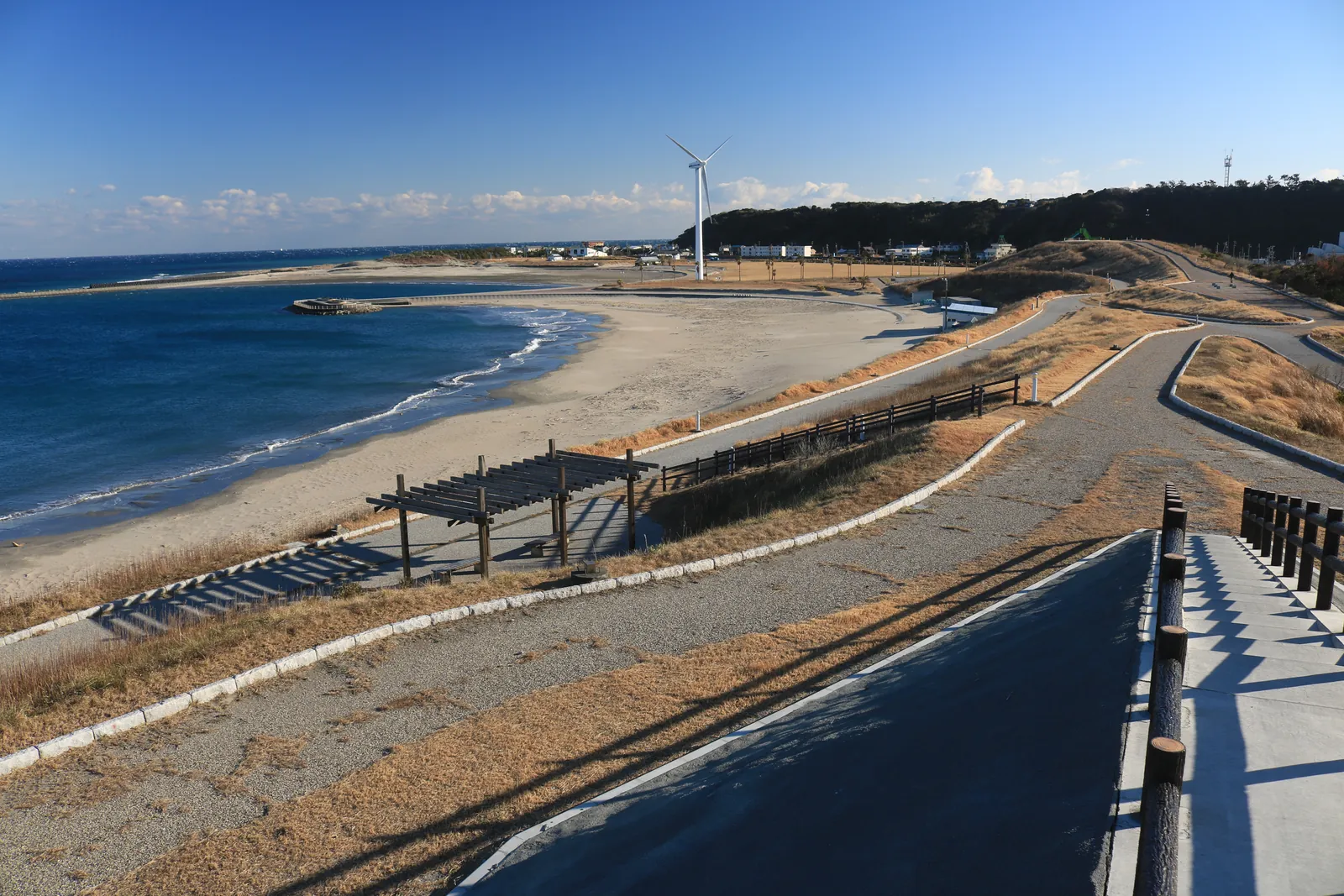
Cape Park and the Marine Park shore
Two free, always-open stretches of the cape.
See the detail → 3 hr 30 min for bothNabura Market seafood lunch
The fish hall and food hall beside the fishing port, named for the fishermen’s word for a school of bonito.
See the detail →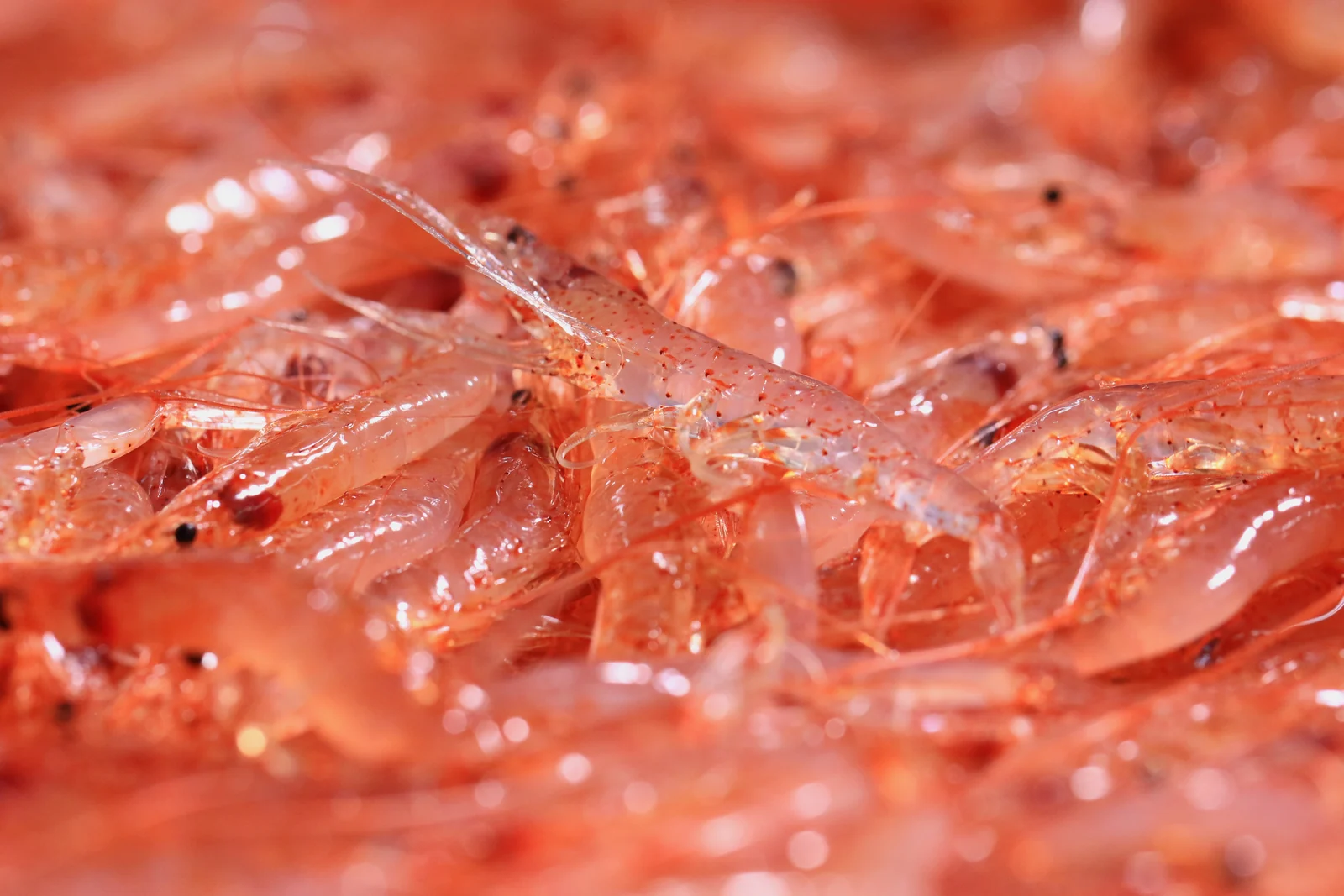 3 hr 30 min for both
Sakura-ebi or raw shirasu from Suruga Bay
The small pink shrimp of Suruga Bay is fished at night in spring and autumn.
See the detail →