Nabura Market seafood lunch
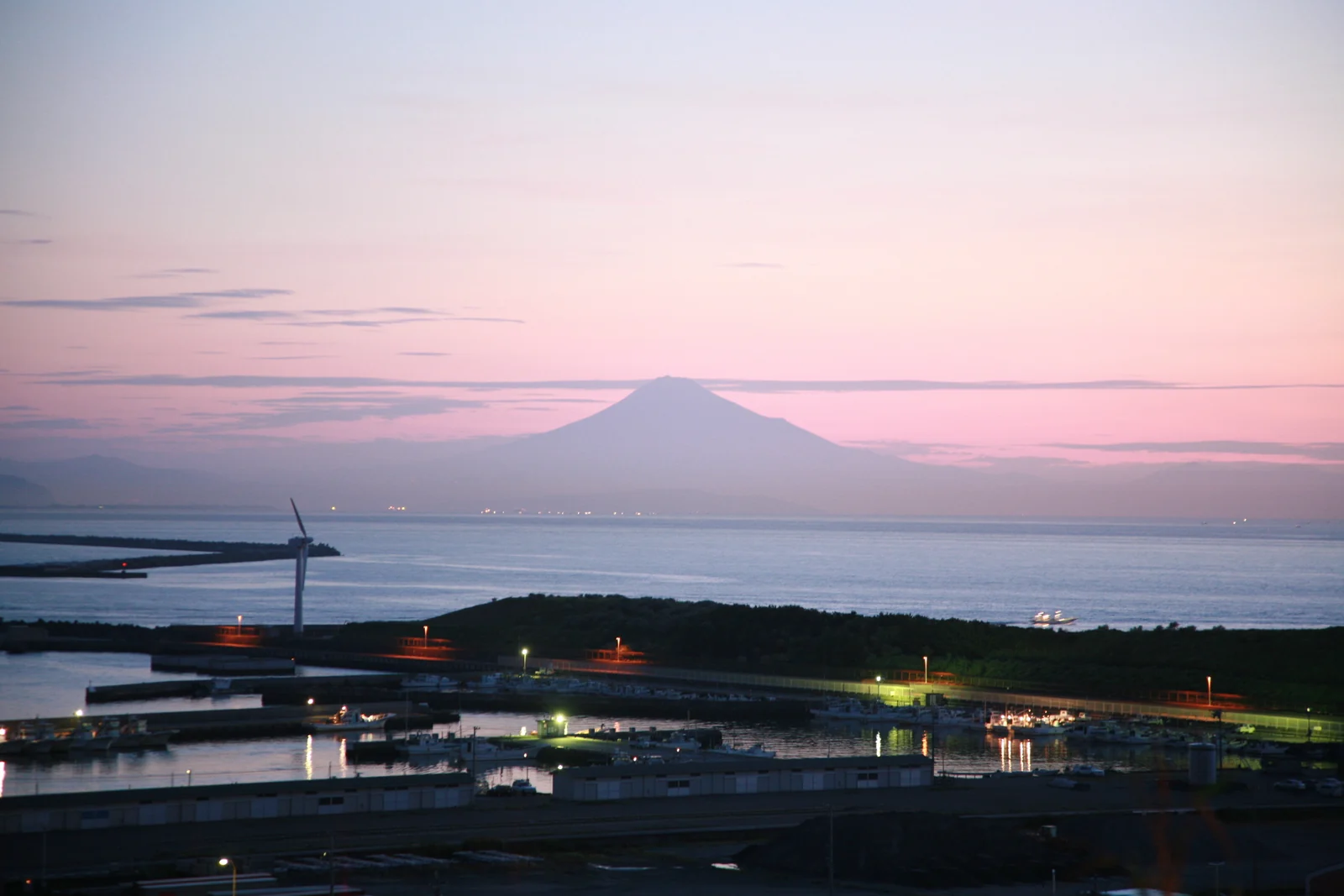
Nabura Market seafood lunchPhoto: 静岡県/御前崎市 / CC BY 4.0
The fish hall and food hall beside the fishing port, named for the fishermen’s word for a school of bonito. Bonito tataki, seafood bowls and shirasu gelato; the pole-and-line boat Nikkomaru runs its own restaurant inside. Cash. Closed Tuesdays and 1 January.
- Short enough to be certain of: 1 hr 30 min door to door, so even a tender day works.
- It is not only a photo stop: japan's deepest bay, its pink shrimp, its whitebait and the eels next door.
- Closed Tuesdays and 1 January. Check the day before you plan around it.
Why Nabura Market seafood lunch is famous
Japan's deepest bay, its pink shrimp, its whitebait and the eels next door
Nabura is the word Omaezaki's fishermen use for a school of bonito breaking the surface. The market beside the fishing port is named for it. It has two halls, a fish and produce hall and a food hall, and free parking for 200 cars. One of the restaurants inside is run by a pole-and-line bonito boat, the Nikkomaru. The shirasu gelato is the item the city's own page singles out.
The sea floor off this coast drops to 2,500 metres. That depth feeds a shrimp caught commercially nowhere else in Japan, and a fishery that shut itself down in 2018 to save it.
The Philippine Sea Plate pushes north; the floor drops to 2,500 m
Hattori Kurajirō's ponds; the birthplace of Japanese eel culture
Faster growth, less disease; the method spreads from Hamana
Autumn season cancelled, the first closure in the fishery's history
Bonito and shirasu are at the Nabura market beside the berth. Sakura-ebi lands at Yui and eel is in Hamamatsu, each about an hour's drive in opposite directions.
Three places, three different answers
The one the queue agrees on, the one people who live here use instead, and the one nearest your ship. Opening days change; check before you build a day around one.
The bonito restaurant run by a pole-and-line boat, inside the market. 11:00–17:30 (last orders 17:00); irregular on holidays and Golden Week. Payment not verified.
Open in Google MapsClosest to the berthMARE, Nabura Marketなぶら市場 MAREThe shirasu (whitebait) gelato counter in the food hall; the market’s signature item. Cash.
Open in Google MapsWhere locals goKameya Honten亀屋本店The town’s “kame manju” turtle buns, in five sizes; on the port council’s own list. Hours not published; assume cash.
Open in Google MapsNabura Market seafood lunch and your ship
Both pins on one map, so the distance is a fact rather than a feeling.
Where the 1 hr 30 min goes
Counted from the moment you step off the gangway. The hour before all-aboard is not in this bar; it is already set aside.
5 minutes each way is the measured figure for shuttle or taxi ~5 min; 1.9 km from the wharf, not the optimistic one. If your ship is late, cut the 1 hr 20 min in the middle. Never cut the hour at the end.
Routes that already include it
Each one is a finished day we have walked and timed, with this stop in it. Read the route rather than assembling it yourself.
What to put beside it
Each of these still lands you back aboard with the hour to spare.
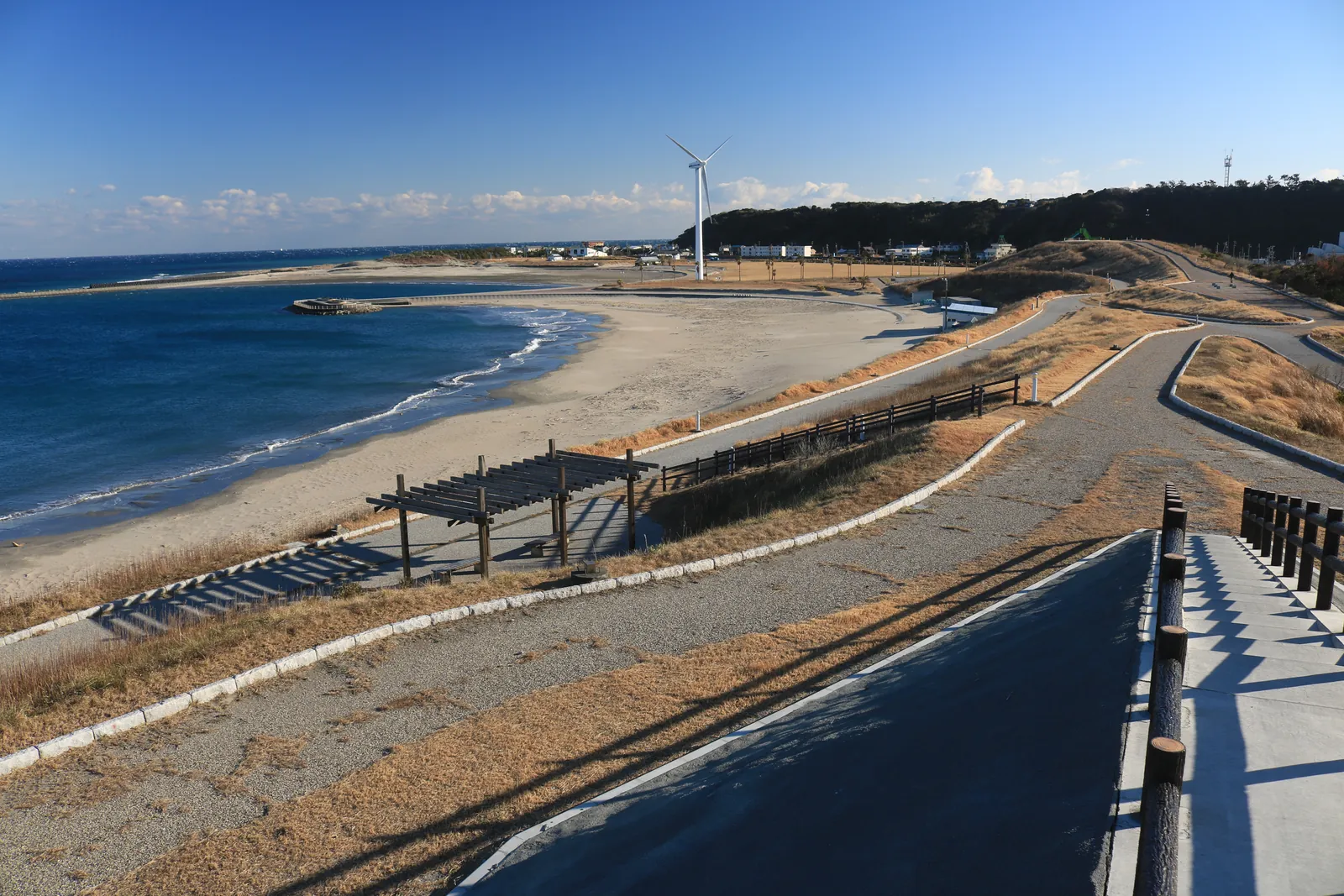 2 hr 50 min for both
Cape Park and the Marine Park shore
Two free, always-open stretches of the cape.
See the detail →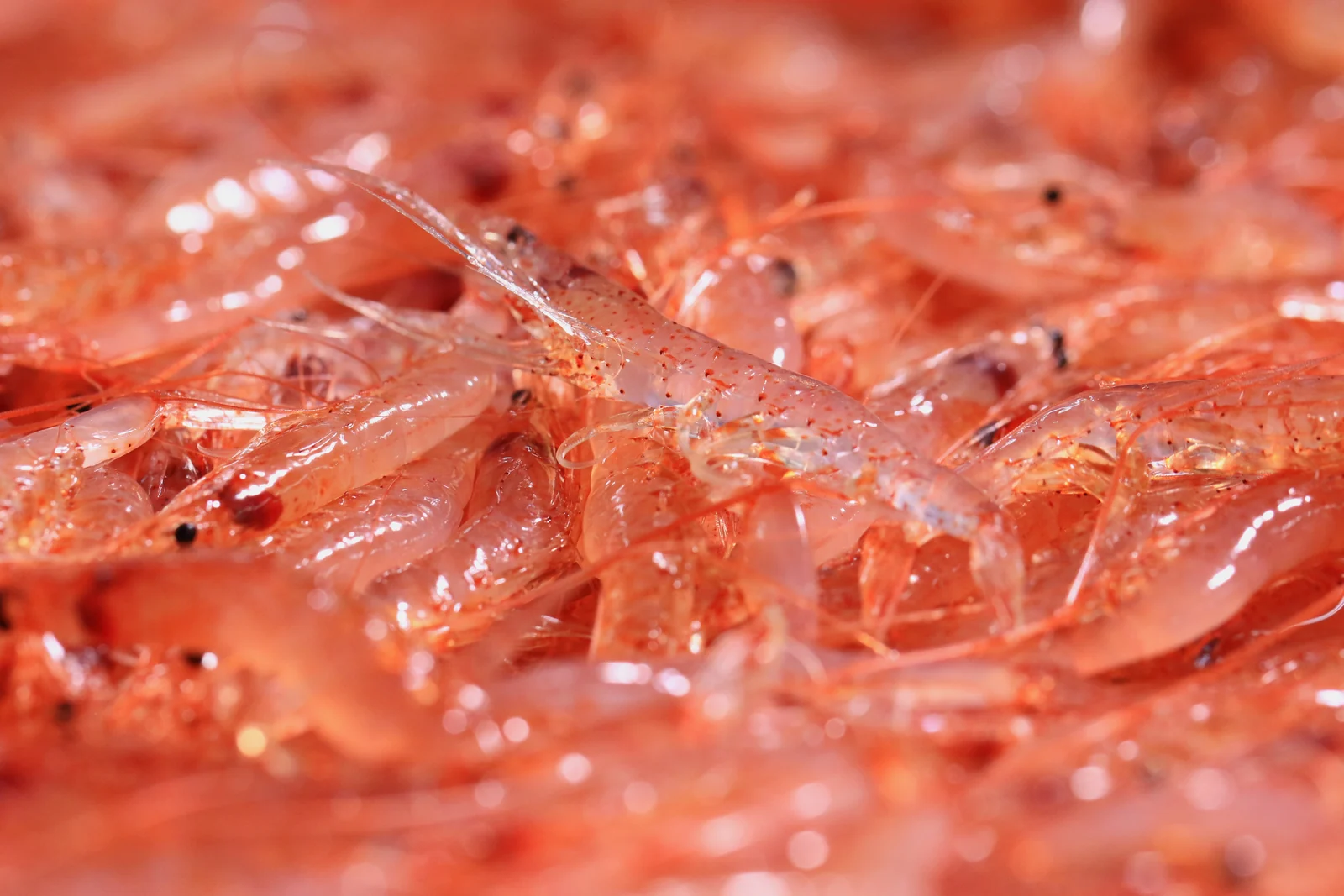 3 hr for both
Sakura-ebi or raw shirasu from Suruga Bay
The small pink shrimp of Suruga Bay is fished at night in spring and autumn.
See the detail →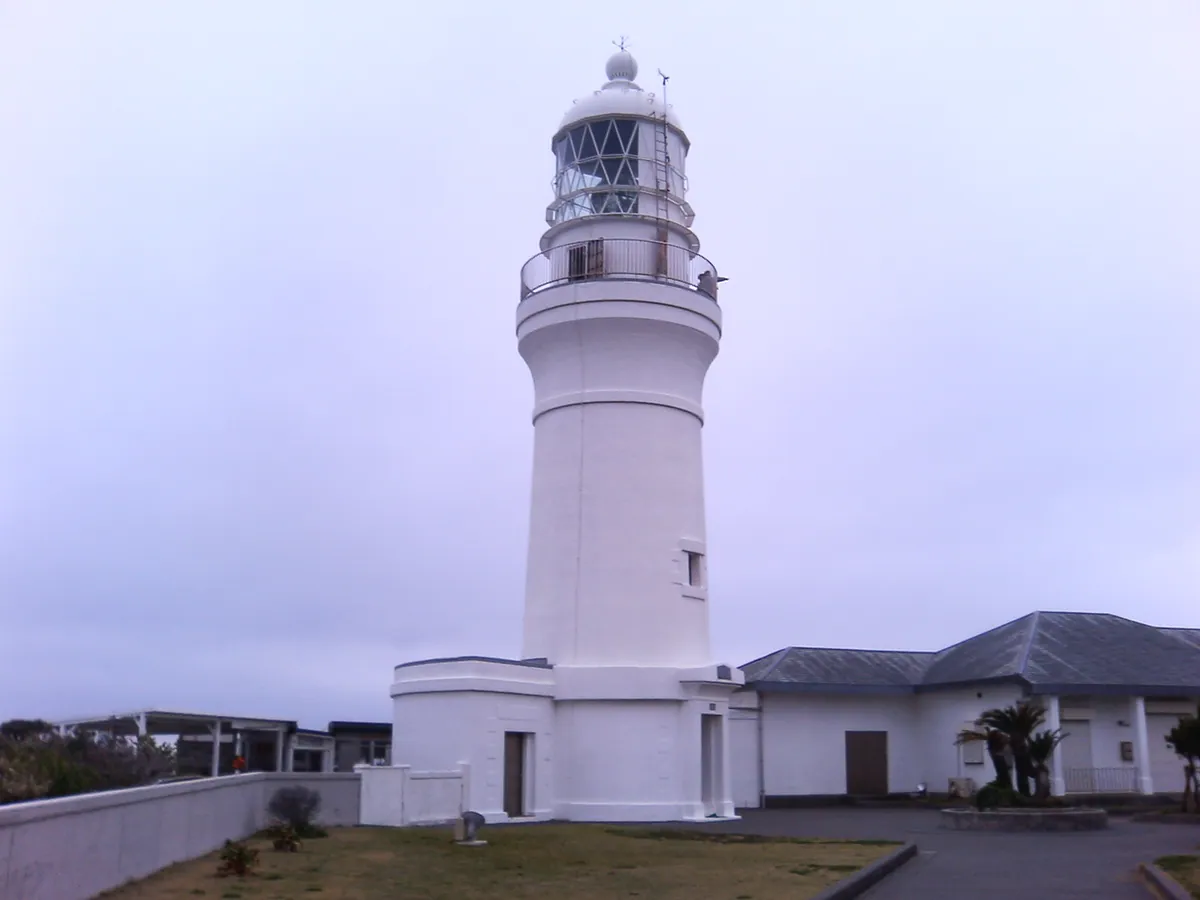 3 hr 10 min for both
Omaezaki Lighthouse and the cape
A white brick tower designed under Richard Henry Brunton and first lit in 1874, one of Japan’s 16 climbable lighthouses.
See the detail →