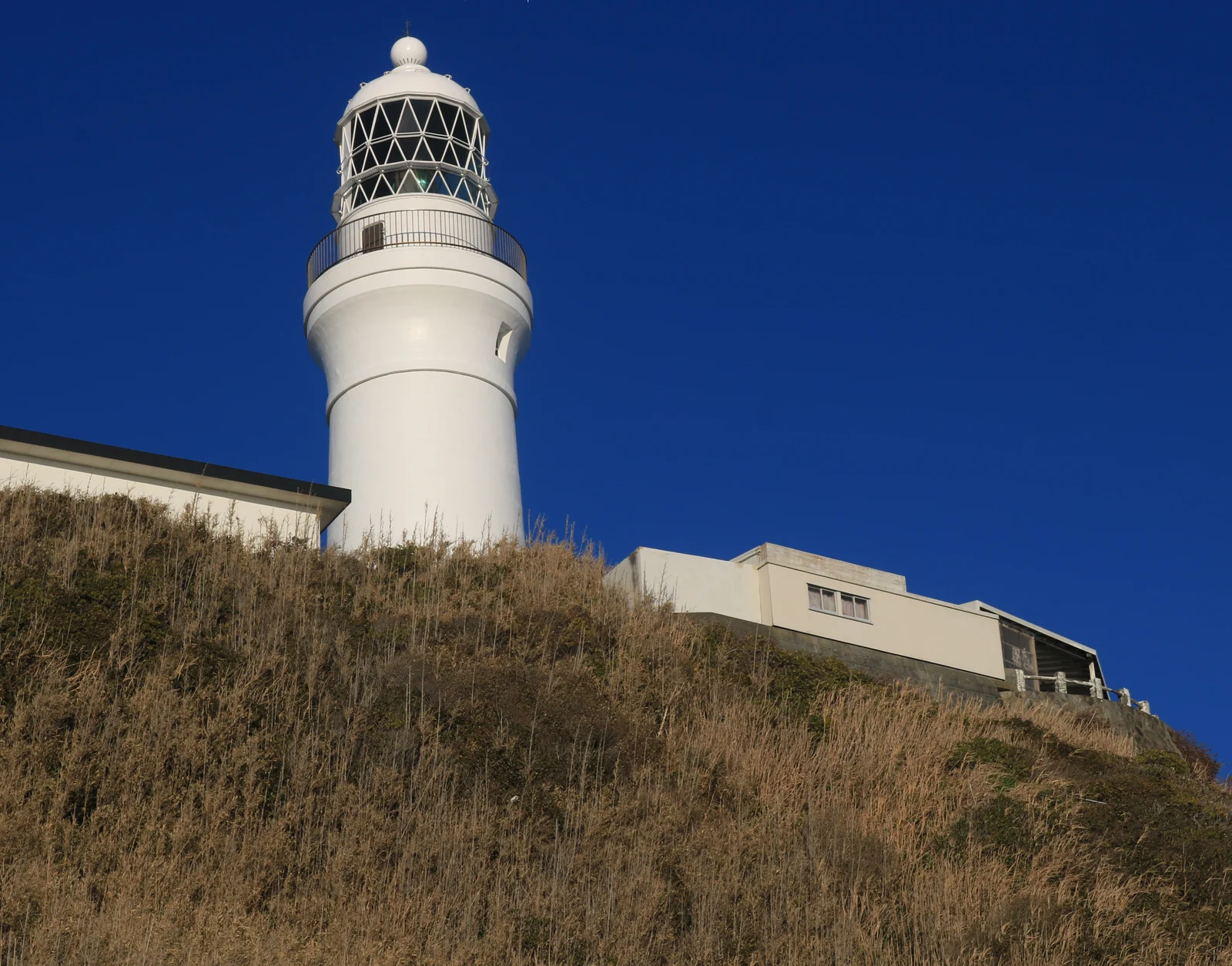
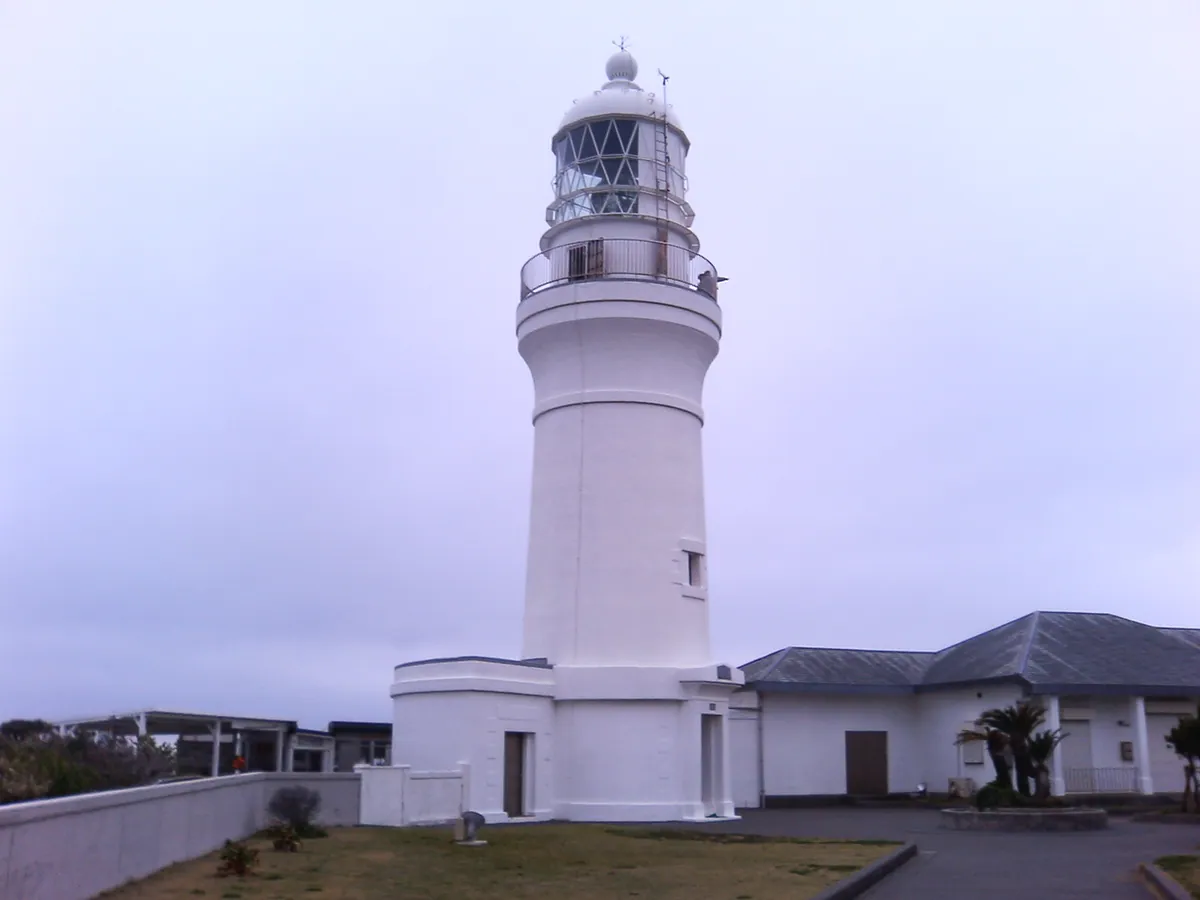
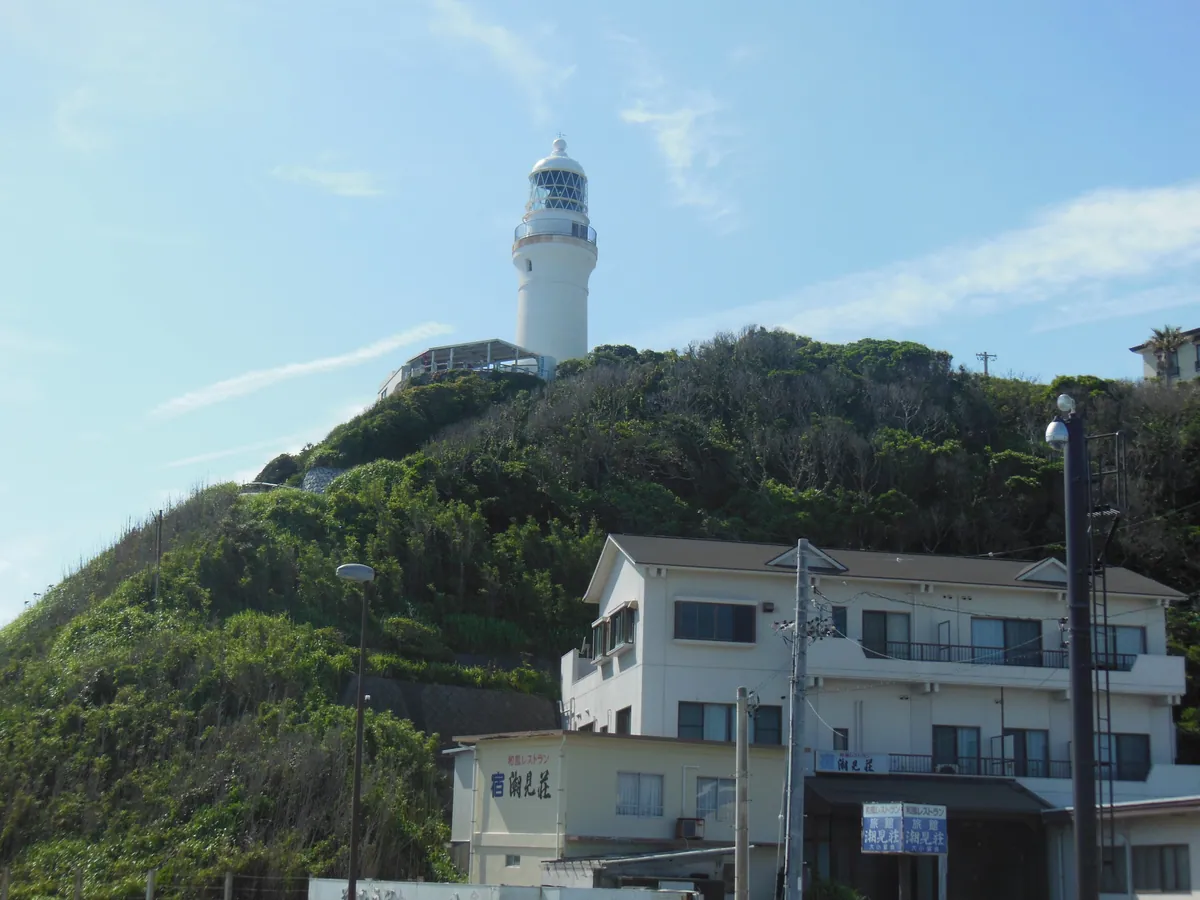
Omaezaki Lighthouse and the cape
 1 / 7
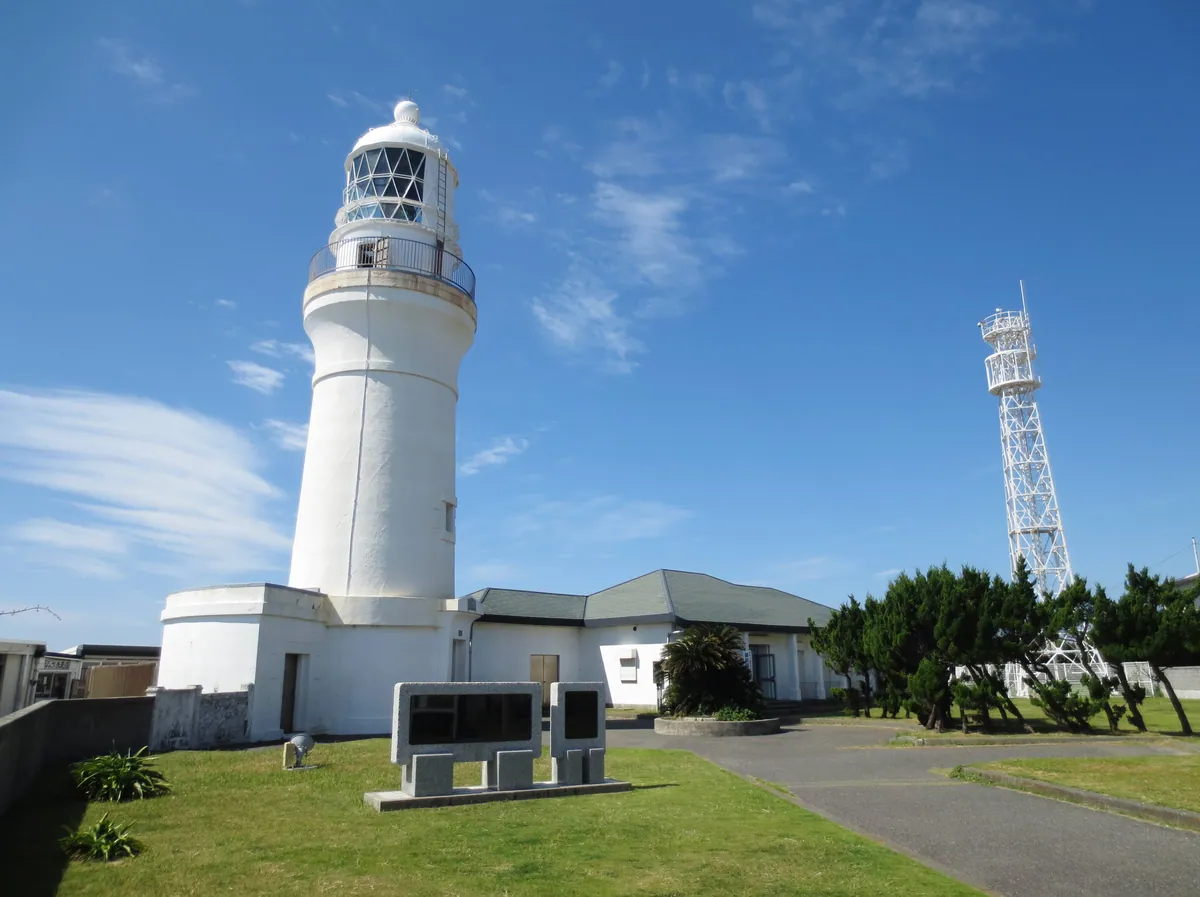
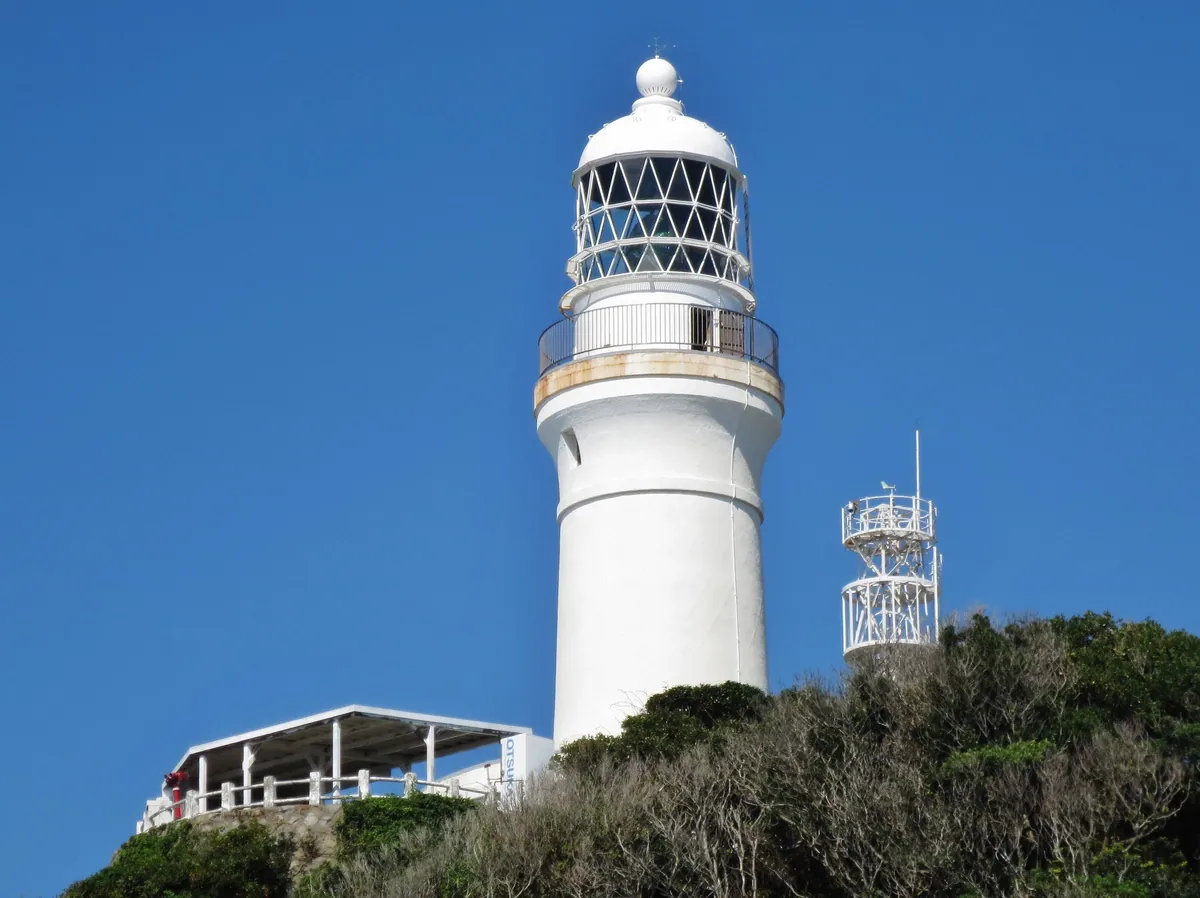
1 / 7Omaezaki Lighthouse and the capePhoto: Alpsdake / CC BY-SA 4.0
Tap a photo to see it large. 7 photographs, every one credited.
A white brick tower designed under Richard Henry Brunton and first lit in 1874, one of Japan’s 16 climbable lighthouses. ¥300 cash, steep spiral stairs, 9:00–12:00 and 13:00–16:00 on weekdays. Cape Park and its coast path are a minute away. Closed in strong wind, which is common here.
- Our number 1 for Omaezaki, out of ten. It is the first thing we would spend the hours on.
- Short enough to be certain of: 1 hr 40 min door to door, so even a tender day works.
- On a 4–6h ashore call our verdict is "Yes, with Nabura Market" — climb in the 9:00 session, walk the coast, then the shuttle or a 3-minute taxi to the market for a bonito lunch. the hamaoka dunes by taxi if time remains.
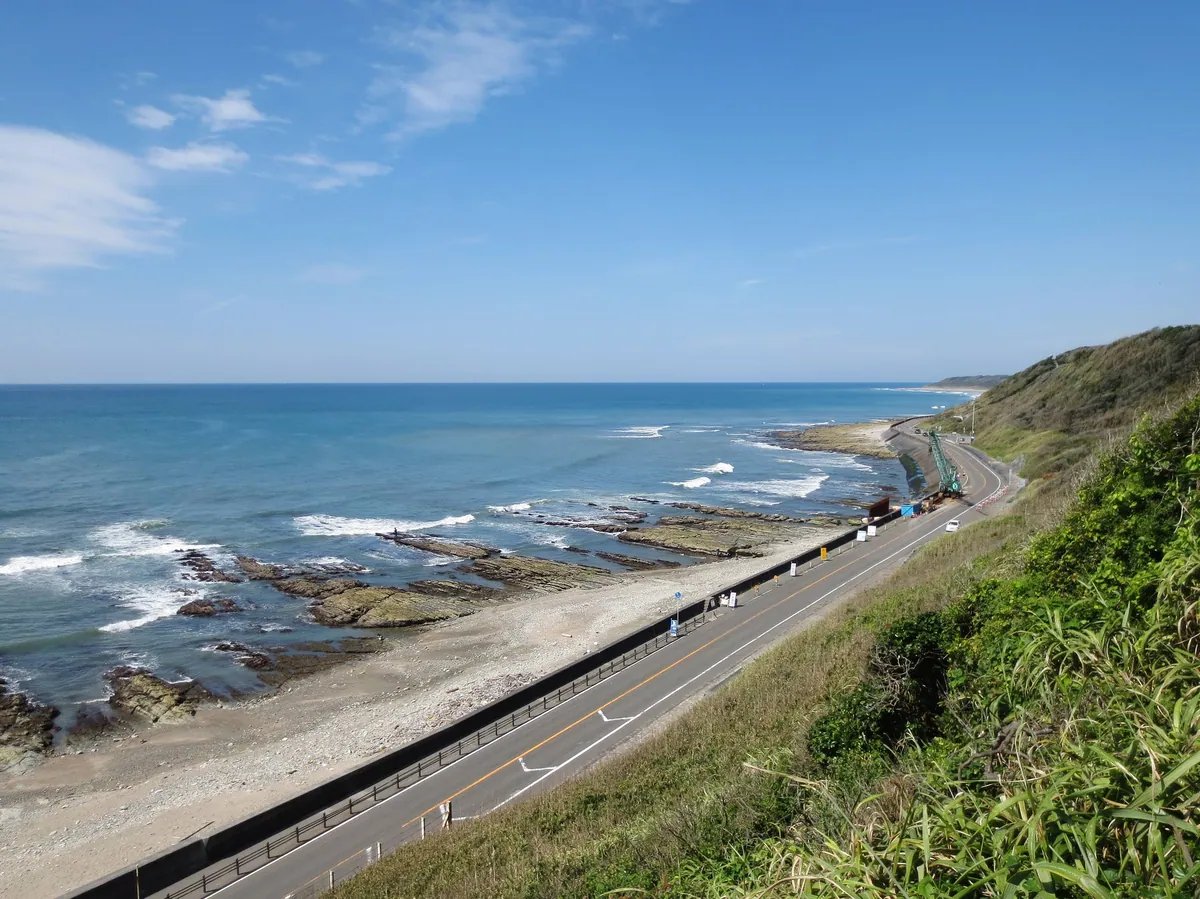
- It is not only a photo stop: a scotsman's brick tower on the reef coast where the kuroshio meets the bay.
- Closed in strong wind, which is common here. Check the day before you plan around it.
- 9:00–12:00 and 13:00–16:00 on weekdays — mar–oct weekends and holidays to 16:30; nov–feb 13:00–16:00 daily. closed 12:00–13:00 every day since march 2026. last entry 15 min before closing; closed in strong wind.
Why Omaezaki Lighthouse and the cape is famous
A Scotsman's brick tower on the reef coast where the Kuroshio meets the bay
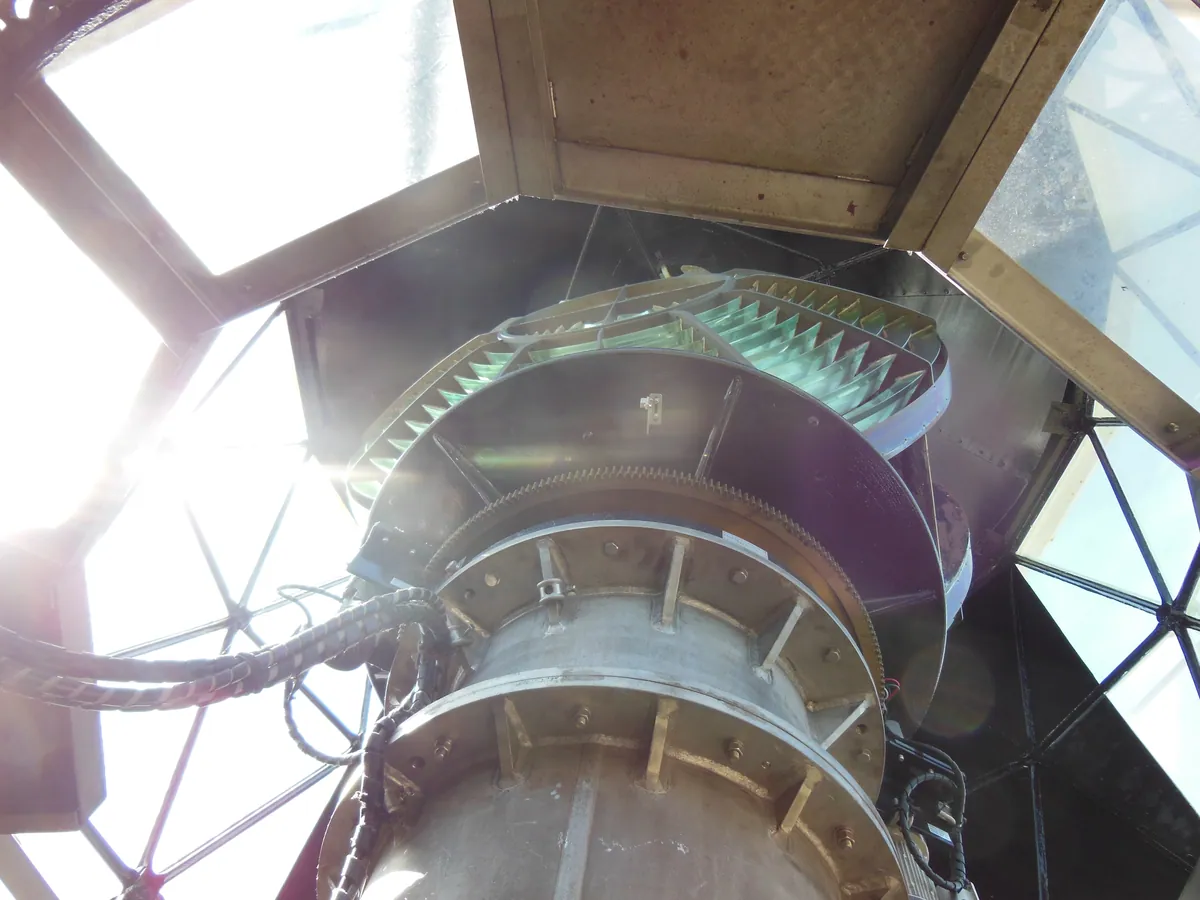
The lighthouse was built under Richard Henry Brunton, the British engineer behind 26 Meiji-era lighthouses in Japan. Work began in May 1872 and the light was first lit on 1 May 1874. The tower is brick, 22 metres high, with the light 54 metres above the sea. Naval and air attack in July 1945 destroyed the lens and lamp; they were restored in March 1949. It became an Important Cultural Property in August 2021.
For 240 years a village kept an oil lamp burning in a paper box on this headland. Then a warship went onto the rocks, and Japan sent for an engineer from Scotland.
This is the sight that belongs to the port. The white brick tower was lit in 1874 under the British engineer Brunton, survived a 1945 attack, and became an Important Cultural Property in 2021. It is one of sixteen lighthouses in Japan the public may climb. The gallery looks over the Enshu-nada, Suruga Bay and, on a clear day, the Izu peninsula, the Southern Alps and Mount Fuji.
Now the honest part. Fuji is about 96 km away, more than twice the distance from Shimizu, and no visibility statistics exist for the cape. April is a haze month and the second-windiest spring month, with a mean of 5.1 m/s. Come for the tower and the coast; count Fuji as a bonus. The stairs are a steep spiral with no lift.
A shogunate oil lamp in a 3.6-metre box, tended by villagers for 240 years
8 April; the government rebuilds the lamp with a glass lantern room
1 May; Japan's first rotating first-order lens, from France
24 July; lens and lamp destroyed
The lighthouse is ten minutes from the berth by shuttle or taxi and fits any call. The turtle beach and dunes are a short taxi further west; the turtles themselves are a summer event.
Things worth knowing
- Do not arrive at noon. The tower has closed 12:00–13:00 every day since March 2026, and weekday afternoons end at 16:00.
- Bring cash. The ¥300 is a donation box and there is no ATM at the wharf. The nearest convenience store is beside Nabura Market, about 1.9 km away.
- Check the last shuttle time at the information tent before you leave the ship. Past calls have ended the loop between 15:00 and 16:00 depending on all-aboard.
- Dress for wind. The cape averages 4.9 m/s over the year and more in spring; reviewers report hats lost and entry restricted on bad days.
- Omaezaki御前崎 — The cape and the city. Note the lighthouse is written 御前埼, with the older character for 'cape'.
- Tōmyōdō燈明堂 — A lantern hall: the oil lamp in a paper-screened box that guided ships here from 1635.
Omaezaki Lighthouse and the cape and your ship
Both pins on one map, so the distance is a fact rather than a feeling.
Where the 1 hr 40 min goes
Counted from the moment you step off the gangway. The hour before all-aboard is not in this bar; it is already set aside.
10 minutes each way is the measured figure for city shuttle (if running) or taxi ~10 min from the wharf, not the optimistic one. If your ship is late, cut the 1 hr 20 min in the middle. Never cut the hour at the end.
Questions people send us
How do I get from the cruise ship to Omaezaki Lighthouse?
Ships dock at West Wharf No. 2, a cargo quay, and passengers may not walk out of the gates. At big calls since 2023 shuttle buses have run to the lighthouse, Nabura Market and the Makinohara tea area. The timetable is only given out on the day, at the tent. Otherwise a taxi from the stand inside the berth takes about 10 minutes, roughly ¥1,100–2,000 by our estimate.
Is the lighthouse open on the 2027 call day?
Monday 12 April 2027 is a weekday in the March–October season, so the tower opens 9:00–12:00 and 13:00–16:00, last entry 15:45. Weather closures are at the keepers’ discretion.
Can I see Mount Fuji from Omaezaki Lighthouse?
Sometimes. The summit is about 96 km away across Suruga Bay. The lighthouse association and the ministry both list Fuji among the views, but nobody publishes visibility odds for the cape, and April is hazy. Treat a clear morning as luck.
Routes that already include it
Each one is a finished day we have walked and timed, with this stop in it. Read the route rather than assembling it yourself.
What to put beside it
Each of these still lands you back aboard with the hour to spare.
 3 hr for both
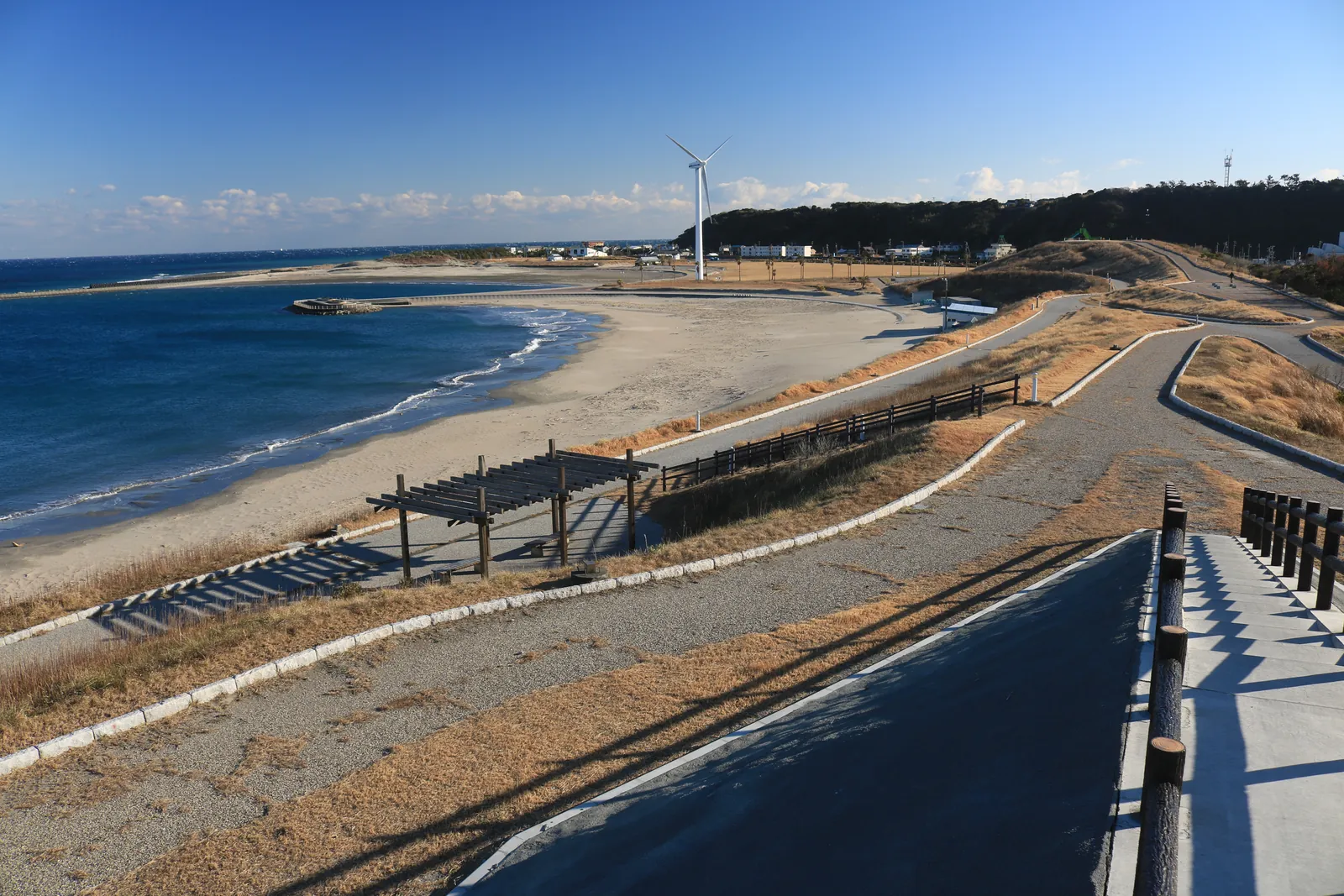
Cape Park and the Marine Park shore
Two free, always-open stretches of the cape.
See the detail → 3 hr 10 min for bothNabura Market seafood lunch
The fish hall and food hall beside the fishing port, named for the fishermen’s word for a school of bonito.
See the detail →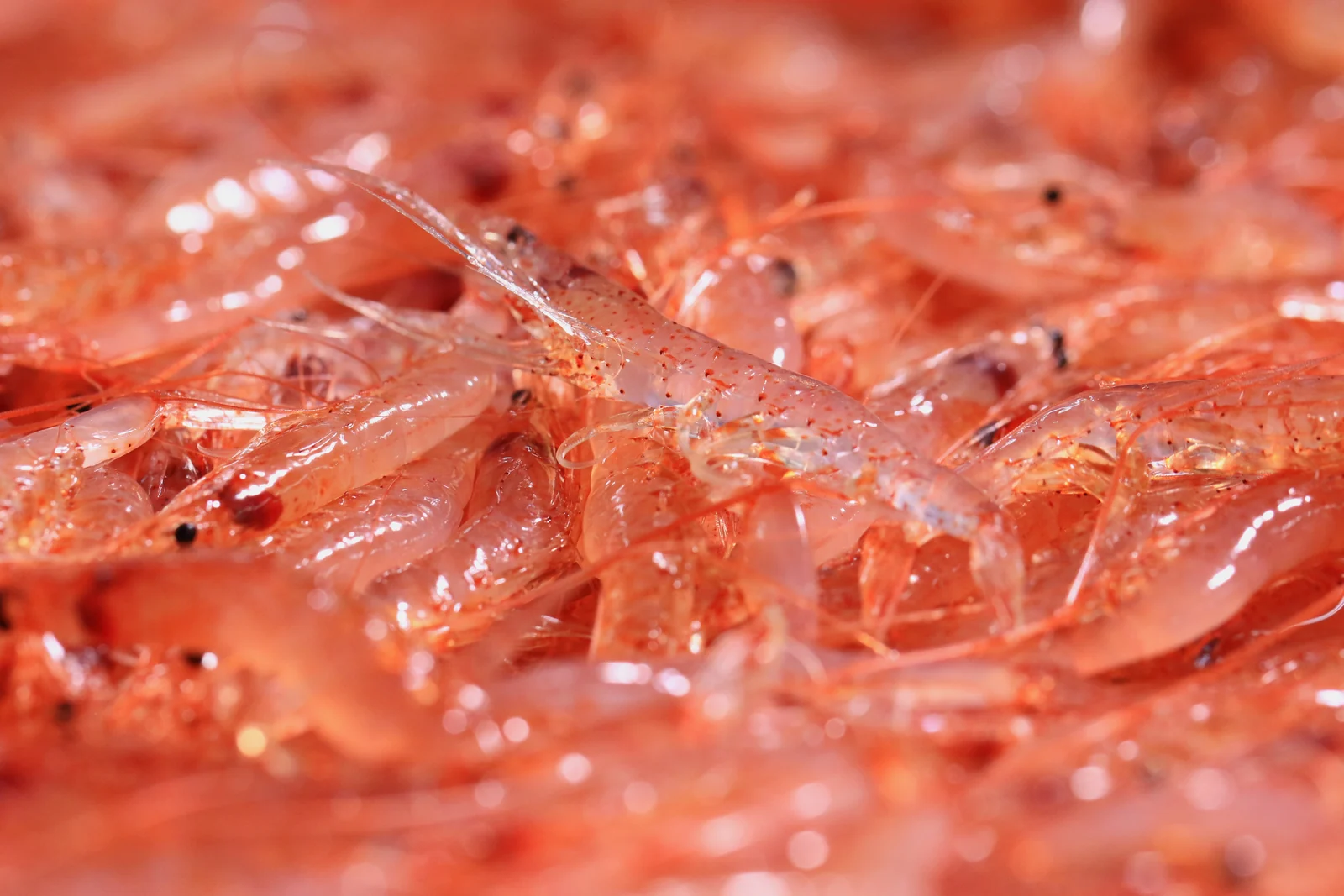 3 hr 10 min for both
Sakura-ebi or raw shirasu from Suruga Bay
The small pink shrimp of Suruga Bay is fished at night in spring and autumn.
See the detail →